
Axarquia
Granada emerges as Spain’s fastest-rising housing market

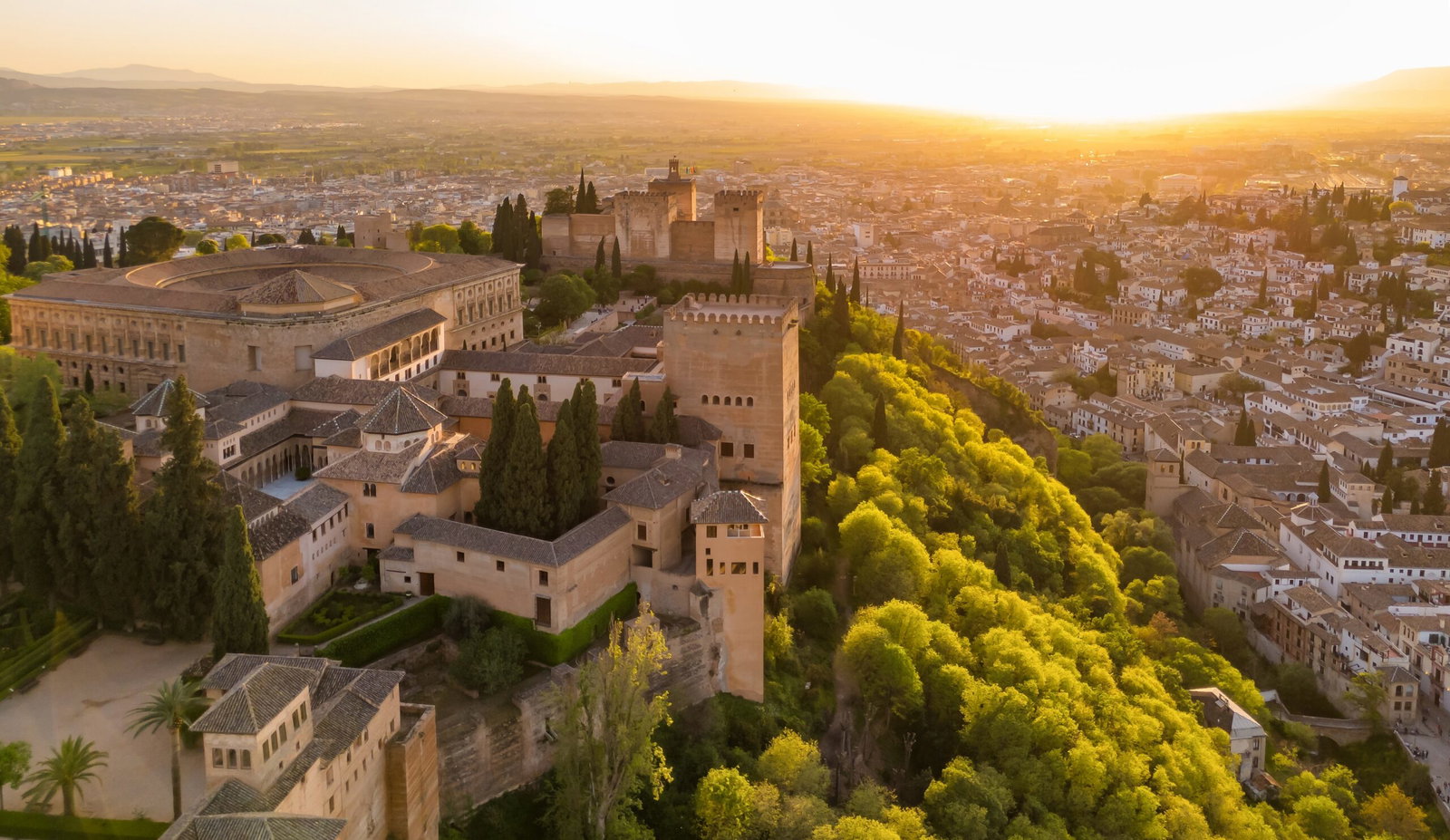
Granada’s property prices remain lower than those in Spain’s larger cities. Photo credit: Mazur Travel/Shutterstock
Spain’s housing market has shown signs of renewed activity in recent years, but one city in particular is drawing attention for how far it has gone. Granada has emerged as the provincial capital where home sales have risen the most compared with levels seen before the 2008 financial crisis, marking a notable shift in the country’s property landscape. According to data from Spain’s Ministry of Housing and Urban Agenda, the number of property transactions in Granada has now exceeded figures recorded during the height of the last housing boom. Over the past four quarters, the city registered around 4,005 home sales, a figure that places it well above its pre-crisis peak in 2006.
This increase sets Granada apart from other major cities. While places such as Madrid, Barcelona and Málaga have all seen strong demand, their transaction levels remain below those recorded before the housing market collapsed more than a decade ago. Granada, by contrast, has not only recovered but moved beyond those earlier highs.
What is driving the increase
Several factors appear to be contributing to the rise in sales. Granada’s property prices remain lower than those in Spain’s larger cities, making it more accessible to buyers who have been priced out of markets such as Madrid or Barcelona. This has attracted both domestic purchasers and those looking for second homes.
The city’s size and layout also play a role. Unlike some larger urban areas, Granada offers relatively short commuting distances and a mix of historic and newer housing. This combination appeals to buyers seeking a balance between cost and quality of life.
Tourism may also be influencing demand. Granada is home to major cultural landmarks, including the Alhambra, and continues to attract visitors throughout the year. While the data relates to property sales rather than short-term rentals, interest in the city as a destination can have a knock-on effect on the housing market.
At the same time, wider national conditions have supported activity. Lower borrowing costs in recent years encouraged buyers to enter the market, although this has begun to change as interest rates have risen. Even so, the figures suggest that Granada’s growth is not solely tied to short-term financial conditions.
A different path from other cities
The contrast between Granada and larger cities highlights how uneven Spain’s housing recovery has been. In Madrid and Barcelona, higher property prices and tighter supply have limited the pace at which sales have returned to earlier levels. Málaga, despite strong demand linked to tourism and international buyers, has also not yet reached its pre-crisis transaction figures.
Granada’s position suggests that smaller cities may now be playing a greater role in Spain’s property market. With fewer barriers to entry, they can attract buyers who might otherwise have focused on more expensive urban centres.
However, the increase in sales does not necessarily mean that prices are rising at the same rate. Transaction volumes and price growth do not always move together, and further data would be needed to determine how values have changed in relation to sales activity.
What it means for expats and new residents
For those considering a move to Granada, the rise in property transactions signals a market that is active and competitive. Homes may sell more quickly than in previous years, particularly in popular neighbourhoods or areas close to the city centre. Buyers may need to act more decisively when suitable properties become available.
At the same time, Granada continues to offer relatively lower entry prices compared with Spain’s largest cities. This makes it an option for international buyers or expats looking to relocate without facing the higher costs associated with Madrid or Barcelona.
The increase in sales may also affect rental availability. As more properties are bought and occupied, the number of homes available to rent can tighten, particularly in areas with high demand. This could lead to higher rents over time, although conditions vary depending on the neighbourhood. For expats, the appeal of Granada extends beyond housing costs. The city combines a historic setting with a strong local culture and access to both mountains and coastline. These factors continue to draw interest from people looking for a different pace of life within Spain.
Looking ahead
Granada’s rise in property transactions places it in a distinct position within Spain’s housing market. Surpassing pre-crisis levels is a notable milestone, particularly at a time when many other cities have yet to do the same. Whether this trend continues will depend on several factors, including interest rates, economic conditions and the balance between supply and demand. If borrowing becomes more expensive or new housing supply increases, the pace of sales could change.
For now, the figures point to sustained interest in Granada as a place to buy property. Its combination of lower prices, steady demand and recent growth in transactions suggests that it will remain a key part of Spain’s evolving housing market in the years ahead.





Costa Del Sol Schoolboy Wows Britain’s Got Talent Judges

Here’s What Will Actually Happen To Your Kindle On May 20

Turn Your Property Into A High-End Holiday Let


-

 New Developments2 weeks ago
Luxury Villas For Sale, Estepona – ProjectL1
-

 New Developments4 weeks ago
How To Get A Tourist Rental Licence In Andalusia (Spain) – Step-By-Step Guide 2025
-

 Uncategorized4 weeks ago
Max Verstappen left laughing after Nurburgring triumph
-

 New Developments2 weeks ago
Stylish 3-Bedroom Apartment With Panoramic Sea Views – Benalmádena
-

 %2 weeks ago
Poland Disconnects Utilities At Russian Consulate That Moscow Refuses To Hand Over
-

 Uncategorized4 weeks ago
Max Verstappen team-mate sheds light on Nurburgring mistake
-

 Foreign demand4 weeks ago
Non-Resident Foreign Buyers Retreat Sharply In 2025
-

 Uncategorized3 weeks ago
Lewis Hamilton goes from Karate Kid to Samurai Warrior with Kill Bill guru