Connect with us

%

Fish Prices Soar Across Spain As Thousands Of Fishmongers Close

Published

on

fish-prices-soar-across-spain-as-thousands-of-fishmongers-close

Fish prices in Spain have risen by around eight per cent over the past year. Photo credit:RVillalon / Shutterstock.com

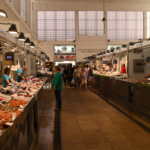
Fish has long been central to Spanish cuisine, from family meals to seaside restaurants, yet rising prices and changing eating habits are reshaping the country’s relationship with seafood. What was once considered an affordable staple in many households is increasingly becoming a more expensive and less frequent purchase. Fish prices in Spain have risen by around eight per cent over the past year, while national consumption has fallen by approximately 30 per cent over the last decade.

The decline has placed growing pressure on the fishing industry, with more than 5,000 fishmongers reportedly closing during that period as demand continues to weaken. The sector is facing difficulties from several directions at once. Rising fuel costs, inflation, transport expenses and higher operating costs have all contributed to more expensive seafood prices in markets and supermarkets across the country. Industry professionals warn that the increases are affecting every stage of the supply chain, from fishing vessels and wholesalers to local retailers and restaurants.

Higher Prices Changing Consumer Habits

For many households, fresh fish is no longer considered an affordable everyday food. Consumers are increasingly reducing purchases or replacing fish with cheaper alternatives such as chicken, pasta or processed meals as they attempt to manage wider increases in living costs. The change is particularly noticeable among younger generations, many of whom are buying less fresh seafood than previous generations.

Convenience is playing a major role in the shift, with younger consumers often preferring ready meals and products requiring less preparation time. Preparing whole fish at home is increasingly viewed as less practical compared with frozen foods or pre-packaged meals. Traditional fishmongers are among the businesses most affected by the decline. Independent seafood stalls and local fish shops, once common features across Spanish towns and cities, are struggling to compete with large supermarket chains selling frozen and pre-packaged seafood products at lower prices.

Coastal Economies Under Pressure

The closures are becoming increasingly visible in urban areas as well as smaller coastal towns. In many places, long-established family-run fishmongers that served communities for decades have disappeared entirely. Industry representatives fear the trend could continue if consumption keeps falling and younger consumers move further away from fresh seafood. The situation is also creating concern in fishing regions heavily dependent on seafood sales and tourism.

Coastal communities linked to the fishing industry are facing growing uncertainty as falling demand affects suppliers, wholesalers, restaurants, transport companies and local markets. Galicia, one of Spain’s most important fishing regions, has already introduced measures aimed at supporting the sector. Regional authorities recently announced a €50 voucher scheme intended to encourage consumers to purchase more fish and seafood products in an attempt to boost sales and support local businesses.

Impact on Residents and Holidaymakers

The concern within the industry is not only economic but cultural. Fish has traditionally formed part of the Mediterranean diet associated with Spain, particularly in coastal areas where fresh seafood has historically been a daily staple. Many within the sector fear that changing habits among younger generations could permanently alter traditional food culture. Restaurant owners are also being forced to adapt as seafood prices continue rising. Some establishments have reduced portion sizes, increased menu prices or switched to cheaper species in order to remain competitive.

Smaller family-run restaurants are considered particularly vulnerable because they often rely heavily on fresh local seafood. For residents, the continuing rise in seafood prices may further change eating habits as households attempt to reduce grocery spending. Families already dealing with higher electricity, rent and general food costs may continue limiting fresh fish purchases despite its nutritional importance.

Tourism and Long-Term Concerns

Health specialists have frequently linked fish consumption to the benefits of the Mediterranean diet, particularly because of its lean protein content and omega-3 fatty acids. A sustained decline in consumption could gradually weaken dietary patterns long associated with Spanish cuisine and coastal lifestyles.

Holidaymakers visiting Spain may also notice the impact during the busy summer season. Seafood dishes in restaurants, especially in coastal resorts, islands and tourist hotspots, are becoming noticeably more expensive than in previous years. Traditional meals such as grilled sardines, octopus dishes and seafood paella are increasingly reflecting the higher market price of fresh fish.

Visitors may also encounter fewer independent seafood markets in some destinations as closures continue across the sector. In some towns, historic fishmongers that once formed part of daily local life have already disappeared, replaced by supermarkets or convenience stores offering cheaper alternatives. Despite the challenges facing the industry, seafood remains deeply tied to Spain’s identity, tourism and regional economies. However, with prices continuing to rise and consumption continuing to fall, concerns are growing over whether one of the country’s most traditional industries can maintain its place in everyday Spanish life.

%

Viral Restaurant Incident: Diners Walk Out Without Paying And Leave Note Explaining Why

Published

on

viral-restaurant-incident:-diners-walk-out-without-paying-and-leave-note-explaining-why

Users were divided over whether the customers’ actions could be understood or whether leaving without paying was unjustified. Photo credit: Jazmine Thomas/shutterstock

A group of customers in Spain has drawn attention online after leaving a restaurant without paying their bill and reportedly leaving a handwritten explanation on the receipt. The incident was shared on social media before being picked up by Spanish media outlets. The case was first circulated through a post from the hospitality-focused account on X, “Soy Camarero”, which regularly shares incidents involving customer behaviour in the restaurant sector.

According to the information reported, the group left without settling their account, an act commonly referred to in Spain as a “simpa” (sin pagar or “without paying”). What made the situation notable was that the customers allegedly left a written note on the bill saying, “we are leaving without paying, we asked for the bill several times….” explaining that they felt they were not attended to before leaving the premises.

Social Media Reaction and Divided Opinions

The handwritten message, as reproduced in media reports, claimed the customers had asked for the bill multiple times and did not receive timely attention from staff. They therefore decided it justified to leave without paying, leaving the explanation behind at the table. Once the story circulated online, it generated widespread discussion on social media platforms in Spain.

Users were divided over whether the customers’ actions could be understood or whether leaving without paying was unjustified regardless of circumstances. Some users suggested that delays in service can happen during busy periods in restaurants, particularly when staff are under pressure. Others argued that even if service is slow, customers should not leave without resolving the issue directly with staff or management.

a note on a receipt
The note was left at the table after the waiter didn’t not come to collect the bill. Photo credit: SoyCamarero on X

Hospitality Sector Views on Service Pressure

Hospitality workers also joined the discussion, with some noting that restaurants can experience high demand at certain times, which may lead to delays in attending to requests such as bringing the bill. They emphasised that communication between staff and customers is usually expected in such situations.

Other workers pointed out that customers who feel overlooked normally have alternative options, such as approaching staff directly or waiting longer. The incident was viewed by some professionals as reflecting occasional friction between service expectations and operational pressure.

The case has been broadly discussed in relation to how poor customer behaviour is increasingly visible on social media, where individual incidents can quickly gain wider attention.

Aftermath and Ongoing Discussion

No confirmed details have been made public regarding the identity of the individuals involved or the specific venue where the incident took place. The written explanation left by the customers has contributed to continued debate online, with reactions ranging from criticism to partial understanding depending on how the situation is interpreted.

There has been no indication of police involvement or formal legal action related to the incident, and no public statement from the restaurant involved has been reported. Similar cases have occasionally circulated online through hospitality-focused accounts, often prompting discussion about service expectations and customer conduct in restaurants.

For now, the incident remains based on social media reporting, with attention focused on the note left behind and the differing interpretations of what occurred.

Continue Reading

%

Conor McGregor Returns To UFC Vs Max Holloway

Published

on

conor-mcgregor-returns-to-ufc-vs-max-holloway

Conor McGregor. Credit: CM FB

Conor McGregor is making his return to the UFC five years after his previous bout. Dana White announced the welterweight clash without a title at stake against Max Holloway for July 11 during International Fight Week in Las Vegas.

Announcement timing chosen by UFC president

Dana White has confirmed the matchup this weekend. The UFC boss chose to reveal details right as Francis Ngannou walked out for his MVP Netflix event. Such timing aimed to draw attention away from Jake Paul’s promotion and various other fighter comebacks.

McGregor’s record and previous setbacks

McGregor carries a 22-6 record into this contest. He last stepped into the octagon in July 2021 versus Dustin Poirier and lost via technical knockout after fracturing his leg early on. Several comeback plans collapsed beforehand, notably a scheduled 2024 meeting with Michael Chandler, halted by a toe injury. Problems with the US Anti-Doping Agency created further delays.

Max Holloway’s recent form ahead of rematch

Holloway brings a 27-9 ledger to the matchup. Recent defeats include a knockout loss to Ilia Topuria last October and the surrender of his BMF belt to Charles Oliveira in March. Officials picked him to deliver an appealing striking exchange suited to McGregor’s comeback.

History of McGregor versus Holloway encounter

This contest represents a rematch of their 2013 meeting at UFC Fight Night 26 in Boston. McGregor earned a unanimous decision win back then. Both athletes possess exceptional striking skills that promise an entertaining spectacle.

Stacked undercard for the July 11 event

Additional attractions fill the 11 July card. Featured bouts include Saint-Denis versus Paddy Pimblett, Sandhagen versus Bautista in a rematch, Brandon Royval against Kavanagh, Gable Steveson’s debut, and Robert Whittaker’s first light heavyweight appearance opposite Krylov. This lineup promises high-level action throughout the evening.

Impact of McGregor’s UFC comeback on the sport

McGregor stands as the most impactful figure in UFC history. A simultaneous two-division champion in featherweight and lightweight divisions, he popularised mixed martial arts for countless fans years ago. Despite legal issues and other distractions in recent times, the Irishman continued training and never abandoned his desire to compete again. Many observers considered his career finished, yet he kept training.

Continue Reading

%

Osborne Bull At 70: English Roots Behind Spain’s Best-Known Roadside Legend

Published

on

osborne-bull-at-70:-english-roots-behind-spain’s-best-known-roadside-legend

The iconic Spanish bull image. Credit: Osborne

Osborne bulls have dotted Spanish roadsides since 1956, turning a simple brandy advertisement into a national treasure that binds British enterprise with Andalucian spirit. This year will be seven decades since designer Manolo Prieto sketched the first outline for the Osborne family’s Veterano brandy campaign, yet the silhouette’s power originates from far deeper Anglo-Spanish ties forged over two centuries earlier.

British merchants planted the family seeds in Spanish soil

Robert Osborne ran a wine-importing venture from Devon in the late 1700s before his son Thomas Osborne Mann crossed to Cadiz, drawn by the excellence of local fortified wines. Thomas began independent shipments around 1804 and later joined forces with the Duff Gordon house, eventually getting full ownership by the 1870s. Seven generations later the business remains family-controlled, headquartered in El Puerto de Santa María within the Sherry Triangle. Bodegas Osborne produces acclaimed sherries, including the rare Solera AOS, together with popular brandies such as Veterano, all the while preserving British naming and heritage inside a thoroughly Spanish operation.

Prieto created the bull purely to sell that brandy

Osborne commissioned the Azor advertising agency in the 1950s to capture attention from passing motorists. Manuel Prieto delivered the clean black silhouette of a fighting bull in 1956, sized initially at four metres in wood, and erected it the following year near Cabanillas de la Sierra in Madrid. Road-safety rules soon demanded sturdier metal construction and greater distance from carriageways, pushing the final height to as much as 14 metres. Drivers still brake for a glance at the 92 surviving examples scattered across Spain.

Courtroom drama saved the bulls from removal

Motorway regulations introduced in 1988 banned roadside advertising visible from public routes and threatened immediate demolition. Artists, intellectuals and ordinary citizens rallied in defence of the shapes, arguing their artistic and historic worth. A 1997 Supreme Court decision granted them exemption as deeply cultural assets, stripping only the original brand lettering while allowing the silhouettes to carry on as unofficial emblems of Spain. Merchandise worldwide now carries the same form, from keyrings to clothing.

Contemporary artists reinterpret the symbol today

Osborne supports fresh creativity through projects such as Fuerza y Genio, inviting figures like Palomo Spain and María José Llergo to reimagine the bull across fashion and music. These collaborations bridge the company’s 250-year sherry tradition with modern Spanish expression, keeping the icon relevant for younger generations without diluting its time-honoured majesty.

English origins still anchor a Spanish phenomenon

Few drivers realise the bulls’ brand is brandy from a dynasty that began in Devon and flourished in Jerez. That transnational journey explains why the Osborne bull feels both profoundly local and quietly international. British traders helped export sherry globally; their descendants later gave Spain a lasting visual shorthand for strength and Spanish identity. As the silhouettes now reach 70 years, they remind observers that some of the country’s most cherished symbols arrived through centuries of cross-Channel commerce and quiet integration.

Continue Reading

Trending

Copyright © 2017 Spanish Property & News