
cancer
Edith Sánchez Fights For Her Severance After 25 Years Working For Luis Miguel: ‘He Told Me I Was Like His Mother; Thank God I Never Believed It’

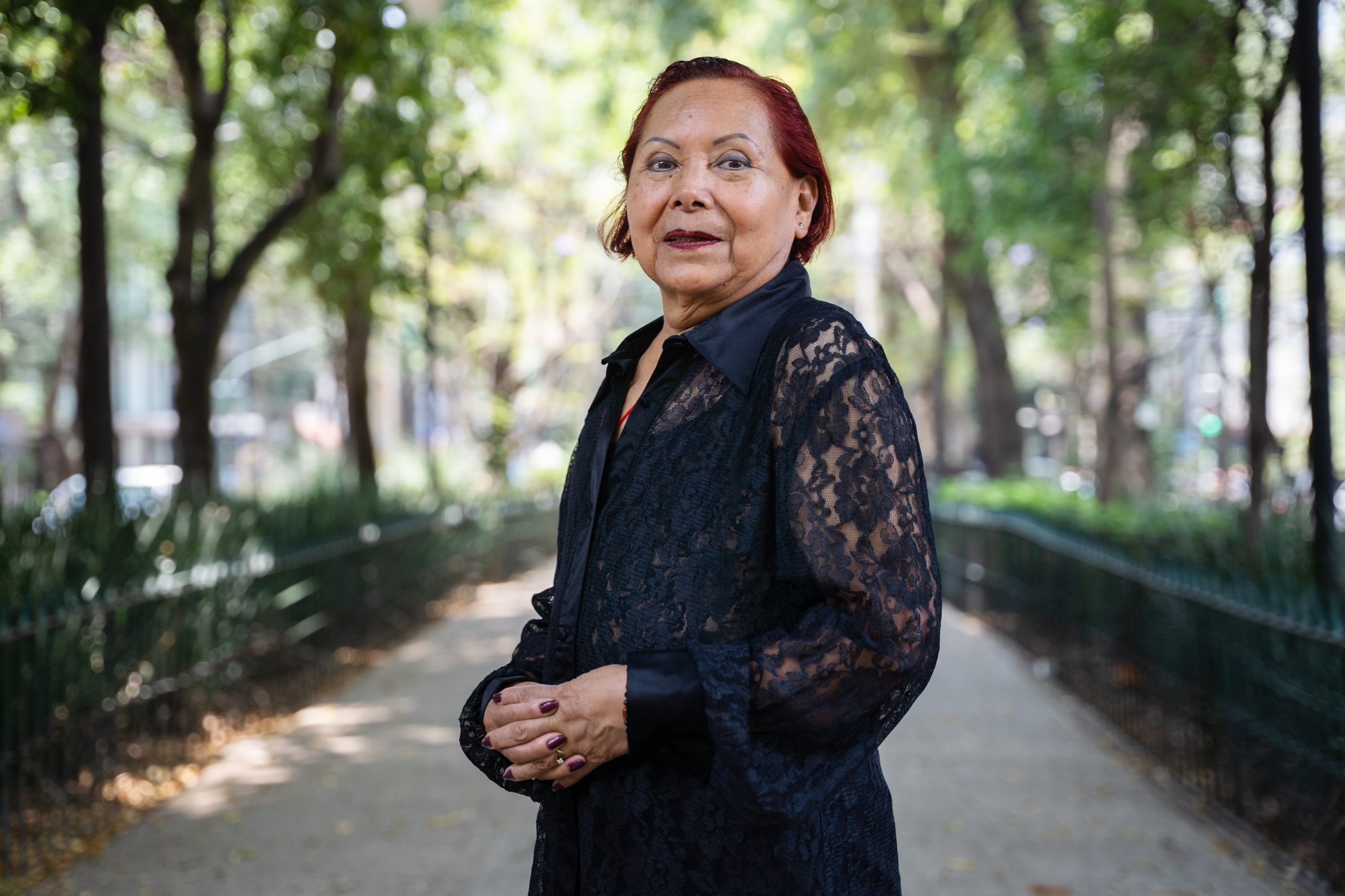
If photographs could make a sound, the one Edith Sánchez keeps in a small plastic bag would play Luis Miguel’s version of Las Mañanitas. Dated September 16, 1994, the photo shows the Mexican singer hugging her as she looks at the camera. It is the only picture she has left beside the man who was her boss for more than 25 years.
“He was singing to me because it was my birthday; they threw me a party with mariachis and everything,” the woman says shyly.
Sánchez, 69, a two-time cancer survivor who is living with osteoarthritis and diabetes, is fighting to get Luis Miguel to give her the severance pay she says she is owed after working “day and night” for him for decades. “I never had vacations, I never had anything, I was always with him and for him,” she says.
Sánchez has been pursuing this fight since 2017, but speaks now, exclusively to EL PAÍS, because she was the personal assistant to the most famous artist in Latin America and survives thanks to what family and friends lend her: “All I’m asking for is a fair severance because I can’t go on like this.”
EL PAÍS repeatedly sought the artist’s version. His team, after asking three separate times for more time to respond, declined to comment. They have, however, said that Luis Miguel’s legal firm will be “watching very closely” in order to take legal action against the newspaper for “giving cover” to this testimony.
In 2017, Edith Sánchez flew from Los Angeles to Mexico City for her annual check‑up at the National Cancer Institute. She had been a patient there for a decade; her left breast had already been removed, and she had managed to overcome her first cancer. Luis Miguel had given her the days off to travel and make sure the tumors had not returned. The tests came back fine, but she felt a sharp pain on her right side. After much insistence, they performed a biopsy. When she received the news that she had cancer again, she wrote to the artist: “I sent him a personal message saying I needed them to pay me what they owed me.” She says they owed her practically an entire year of work. Her salary, she explains, was $1,500 a month. “He didn’t answer anything at all, and he blocked me.”
She never saw Luis Miguel again, nor was she able to communicate directly with him. She did not need to be formally fired because she had never signed an employment contract. The doors were simply closed to her. She was left without a job and without severance. She has waited nine years. “I still haven’t filed a formal lawsuit, because those processes are very expensive and lengthy. Also, because I had hoped he would respond. And I didn’t want to be the one to cause him that kind of trouble,” she says.

Sánchez did not — and still doesn’t — understand what led the singer to cast her aside like that: “Until 2017, everything was perfect. He always said I was his only family, that I was like his mother. We were together 24 hours a day.”
She says she joined him when he was still a minor and lived through his turbulent break with his father, Luis Rey; his father’s death and the death of his manager, Hugo López; the golden years of touring and the downtime in the Bahamas. They also celebrated birthdays and Christmases together and survived a brutal plane accident in Guadalajara. She was with him through Aracely Arámbula’s first pregnancy and supported the singer through the enduring pain over the disappearance of his mother, Marcela Basteri.
“He was always very kind and polite with me. I can’t say anything bad about that. He was always very nice, even when I returned from the first cancer. I don’t know what happened afterwards,” she says now from Mexico City.
The woman has shared with EL PAÍS her medical records from the National Cancer Institute and all her passports, from 1991 onward, filled with dozens of travel stamps and U.S. work visas specifying “Luis Miguel Group.” She also showed one of the tour books from the artist’s 1999 Spain tour, where her privileged position (“LM Wardrobe / Valet,” that is, Luis Miguel’s personal assistant) appears alongside then–tour manager Alejandro Asensi and head of security Joe Madera.
EL PAÍS also contacted Francisco and Gerardo Castell, who handled security for the artist’s team in the 1990s. Both confirmed Edith Sánchez’s work before and after their time. “On several occasions, Luis Miguel introduced her as the most important woman in his life,” Gerardo says. “She worked for him unconditionally, 24/7. She devoted her entire life to this man,” adds Francisco, who confirms that Edith has turned down offers to tell her story in exchange for money for books and films.
More than 25 years without a contract
Edith was eight the first time she came to Mexico City. The third of 13 siblings from a humble family in Ixcaquixtla, Puebla, she arrived in the Mexican capital to work with her aunt and uncle. From their workshop on Sullivan Street, the family made costumes and fine jewelry for Mexico’s biggest stars, preparing the beading and trains of evening gowns for figures such as Angélica María — the first of the legendary trio Las Tres Angélicas — and singer Monna Bell.
One day, Lucía Miranda — an Argentine model and the wife of Hugo López — showed up at the workshop. López had received an offer in 1987 to manage Luis Miguel’s career, but he had postponed it until the singer turned 18 so they could work without the shadow of his father.
“Mrs. Lucía told my aunt and uncle that they wanted a trustworthy person who would have no problem traveling, no problem with schedules, no problem with anything,” Edith Sánchez recalls.
The job: to find, buy and prepare the singer’s clothes, accompany him on trips and at shows, sometimes cook for him, sometimes hire staff, look after his home, and make sure all his needs were covered. She was 31 at the time. She went to the interview and found Luis Miguel “very pleasant”; she says he only asked if she had a visa to travel. “I told him yes. I had already been to Miami, New York, and Disneyland.”

Neither then nor afterwards did she sign any employment contract, she was not registered as a worker with the Mexican Social Security Institute (IMSS), she had no right to vacation, she did not marry, did not have children, and did not spend any celebrations with her family.
“You work all hours there, 24 if possible,” she says, explaining: “If he went to dinner at 10 p.m., at that hour I would make up his room and clean his bathroom, because even if someone came to clean the whole house, no one went into his bedroom. Only I did. Sometimes he would come back, and I still hadn’t finished. That was every day, all the time.”
In hotels, the routine was similar: Edith would enter his room, gather “the important things” so “there would be nothing personal,” and then call the front desk so they could clean it. Gerardo Castell says Edith was so protective of the singer that when he went to get a haircut she would collect all the cut hair and throw it away somewhere else so no one could use it.
She describes her $1,500 salary as “paltry,” adding firmly: “I worked out of affection, respect, and admiration for him. I never got tired; I was very happy, I liked what I did. I never thought about the pay, but rather that when I no longer wanted to work, he would give me a good severance.”
Luis Miguel and Heidina
Edith Sánchez’s passports contain the story of Luis Miguel’s life. She stacks them carefully — from 1991 to 2014 alone, there are 12 documents. Behind those frantic stamps — Spain, Argentina, the Dominican Republic, Brazil, Panama, Chile, Peru, Colombia, Venezuela, Nicaragua, Ecuador, Costa Rica, Canada, the United States — lies the singer’s performance at the Seville Expo in 1992, one of his final clashes with his father; the entries and exits from Argentina in November and December of that year, when he received word that Luis Rey was dying and had to fly urgently to Barcelona (Edith waited for him in Argentina, where Luis Miguel returned to perform after mourning period: “You have to respect the audience,” biographies recount him saying at the time); and the visits to Santo Domingo, to Juan Luis Guerra’s “beautiful” home, where the Dominican musician wrote Hasta que me olvides for him — one of the songs that cemented his rise in the ballad genre in 1993.

Sánchez accompanied him in Mexico City, and then lived with him in Acapulco and in Los Angeles. In the tourist jewel of Guerrero, she was in charge of hiring the gardener, the chef, and the cleaning staff. The Castell brothers corroborate this as well. “Once there was a problem with one of the maids because she wouldn’t listen to me. And he [Luis Miguel] gathered the workers by the pool and told them that whatever I ordered had to be done: ‘Because she is like my mother,’” she recalls him saying.
She insists she never saw him as a son because she was “aware” he was not: “Yes, I loved him very, very much. Because I saw everything he went through and everything he suffered. But never to the point of saying ‘oh, he’s my son’ — no.”
Sánchez says she lived with Luis Miguel and his brother Alejandro, and for a time with Sergio, the youngest of the family, before he was sent to Boston; that she stayed with the singer and his wife, Aracely Arámbula, during the actress’s first pregnancy: “The three of us spent the nine months locked up in the house in Los Angeles, because they were very careful that no one would photograph her anywhere while she was pregnant.”
Aware of Luis Miguel’s secrecy — even now — she knows the details and does not share them. “I don’t even have a confidentiality agreement; I was absolutely trusted, I didn’t need any of that,” she explains, adding: “There was always a lot of respect. I’d be lying if I told you I called him Micky — no, always ‘young man,’ ‘sir.’ He called me Heidina.” The workers consulted by this newspaper also call her Heidi or Heidina.
The cancer
The first time Edith Sánchez had cancer, in 2007, Luis Miguel tried to have her treated in Los Angeles. “Nothing could be arranged because it was very expensive. He didn’t tell me no, but I understood that the best thing was for me to come to Mexico City and go through it with my family,” she says. “There, he helped me, not much, but he helped. His assistant, who was Joe Madera, told me that the help for certain treatments would be counted against my severance. I was forbidden from asking the gentleman [Luis Miguel] anything directly, so I don’t know whether he paid more than what reached me. But during the year my treatment lasted they didn’t pay my salary because Madera said that by not working I wasn’t generating pay,” she explains: “I lived on the little savings I had.”
She returned after a year, but says nothing was the same. Luis Miguel decided she would no longer accompany him on tour, but instead wait for him in Los Angeles or join him only when he traveled on vacation. It is during those years that the only mention of Edith in the celebrity press appears. “Aracely Arámbula, Daisy Fuentes, Mariah Carey, Mirka Dellanos, among others, have been public partners of Luis Miguel, but none has lasted as long in his life as Edith Sánchez, who for many years has made sure that El Sol has everything he needs,” reads a November 2010 piece in the magazine Quién, using the singer’s nickname — El Sol de México, or the Sun of Mexico. “Her presence has been known since the 1980s; she is always concerned that nothing disturbs him.”
But the photos published with that piece are not of Sánchez: “The woman shown there is Urbana Reyes, the woman who is with him now,” says Sánchez, who met her when Reyes started as a maid at the singer’s home in Acapulco. Gerardo Castell confirms that Urbana initially worked under Edith’s orders until Edith became ill and stopped working. Luis Miguel’s nanny has been a recurring topic in the gossip press, but none of them — nor their names — appear in the artist’s biographies.

Sánchez recounts that when the cancer returned in 2017, and Luis Miguel blocked her, she tried to approach friends of the singer she had known over the years to try to reach him. Most preferred not to get involved.
Throughout her interviews with this newspaper, Sánchez cannot find an explanation for why the singer gave her the cold shoulder, but newspapers at the time do offer clues. In 2017, Luis Miguel was in the darkest phase of his career. Hounded by lawsuits (from Alejandro Fernández, from his former manager, even from his own record label, Warner Music), the singer was paying a multimillion‑dollar price for his decline. He had spent a couple of years canceling performances and breaching contracts, had isolated himself, and was “trapped in a situation with no way out,” wrote the journalists who covered him: “Unwilling to see his friends, unwilling to listen to reason or advice.” That was the moment when Edith Sánchez disappeared from his life.
The wait
She says that in 2017, she sought out Joe Madera to ask for her severance and the year of unpaid wages. She didn’t succeed. She paid for her second cancer treatment with the help of her entire family. “I felt terrible. At that point in my life, I should have had the means to pay for my treatment, not be waiting for my siblings to find ways of helping,” she says. Her right breast was removed, she underwent chemotherapy, and she survived.

Since then, she has tried to reach the artist. Luis Miguel paid her the year he owed her — a total of $30,000 — in 2023, after the Netflic series that made him fashionable again. She was also contacted by a lawyer who introduced himself as part of the singer’s legal team in Mexico City:
“He knew my name and my situation. He told me to accept $50,000 as severance and not expect anything more,” she says. She rejected the offer because she did not consider it “fair”: “I told him, ‘Tell the gentleman to remember all the years I worked for him day and night.’”
Sánchez does not specify the exact amount she is seeking for severance: “It’s whatever corresponds to so many years, plus additional compensation, because we worked 24 hours a day. From the moment I started with him, I never had vacations or holidays.”
After almost nine years of waiting, she admits she is “desperate.” “She is ill, very ill, and yet she doesn’t have the heart to sue him,” says Francisco Castell. “Everyone who has worked very close to him has stolen from him, but she is not like that; she only wants to be paid a fair severance so she can live with dignity.”
Edith Sánchez says she is speaking now “to see if he responds”: “I never believed I was like his mother, thank God, because otherwise, imagine, it would be even harder.”
Sign up for our weekly newsletter to get more English-language news coverage from EL PAÍS USA Edition










cancer
Edith Sánchez Pelea Por Su Liquidación Tras 25 Años Trabajando Para Luis Miguel: “Me Decía Que Era Como Su Mamá, Gracias A Dios No Me Lo Creí”
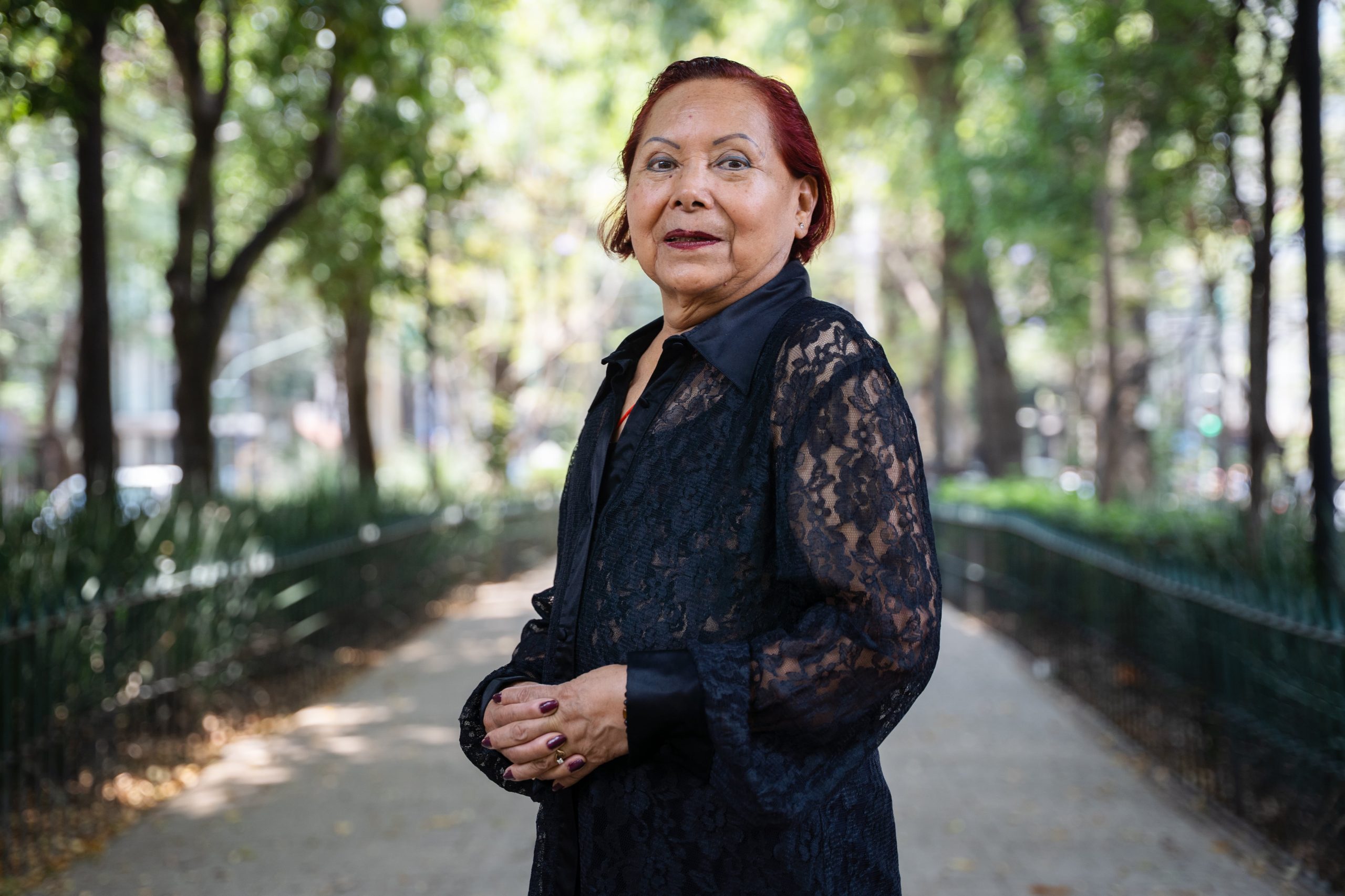
Si las fotografías sonaran, en la que Edith Sánchez lleva resguardada en una bolsita de plástico se escucharían Las Mañanitas versión Luis Miguel. Fechada el 16 de septiembre de 1994, El Sol de México la abraza mientras ella mira a la cámara. Le están tomando la única imagen que conserva junto al que fue su jefe durante más de 25 años. “Me estaba cantando porque era mi cumpleaños, me hicieron una fiesta con mariachis y todo”, relata tímida esta mujer, ahora de 69 años, superviviente de dos cánceres, enferma de artrosis y diabetes, que lucha por recibir del cantante el finiquito por décadas trabajadas “de día y de noche”. “Yo nunca tuve vacaciones, nunca tuve nada, siempre estuve con él y para él”, cuenta. Lleva en esa pelea desde 2017, pero habla ahora, en exclusiva con EL PAÍS, porque fue la asistente personal del artista más famoso de Latinoamérica y sobrevive gracias a lo que le prestan su familia y amigos: “Yo lo que pido es una liquidación justa porque no puedo seguir así”.
EL PAÍS ha buscado la versión del artista en repetidas ocasiones. Su equipo, después de pedir en tres ocasiones más tiempo para contestar, ha declinado hacer comentarios. Sí ha asegurado que el bufete legal de Luis Miguel va a estar “muy pendiente” para emprender acciones legales contra el medio por “amparar” este testimonio.
En 2017, Edith Sánchez voló de Los Ángeles a Ciudad de México para su chequeo anual en el Instituto Nacional de Cancerología. Llevaba entonces una década como paciente, ya le habían extirpado el pecho izquierdo y había logrado superar un primer cáncer. Luis Miguel le había dado los días para viajar y vigilar que los tumores no regresaran. Los estudios salieron bien, pero ella sentía un dolor muy fuerte en el lado derecho. Tras mucho insistir, le hicieron una biopsia. Cuando recibió la noticia de que tenía cáncer otra vez, escribió al artista: “Le mandé un mensaje personal de que necesitaba que me pagaran lo que tenía pendiente”. Afirma que le debían prácticamente un año entero de trabajo. Su sueldo, explica, era de 1.500 dólares al mes. “No me contestó nada de nada y me bloqueó”.
No volvió a ver a Luis Miguel ni a poder comunicarse directamente con él. No tuvo que ser despedida porque nunca había firmado un contrato laboral. Simplemente las puertas se le cerraron. Se quedó sin trabajo y sin liquidación. Ha esperado durante nueve años. “Yo todavía no inicié una demanda formal, porque esos procesos son bien caros y largos. También porque yo tenía la esperanza de que él reaccionara. Además no quería ser yo la que le causara un problema así”, cuenta.

Sánchez no entendió —no entiende todavía— qué llevó al cantante a apartarla así: “Hasta el 2017 estuvo todo perfecto. Él siempre decía que yo era su única familia, que era como su mamá. Estábamos las 24 horas juntos”. La mujer relata que llegó con el cantante cuando él era todavía menor de edad y que vivió a su lado la turbulenta separación de su padre Luis Rey, la muerte de él y también la de su mánager Hugo López, los años dorados de las giras y los descansos en Las Bahamas, compartieron los cumpleaños y las Navidades, sobrevivieron a un brutal accidente de avión en Guadalajara, lo acompañó en el primer embarazo de Aracely Arámbula y en el dolor permanente por la desaparición de su madre, Marcela Basteri. “Él siempre fue muy amable y educado conmigo. Yo no puedo decir nada malo en ese aspecto. Siempre fue muy lindo, también cuando regresé del primer cáncer. No sé qué fue lo que pasó después”, señala ahora desde Ciudad de México.
La mujer ha compartido con EL PAÍS su expediente médico en el Instituto Nacional de Cancerología y todos sus pasaportes, desde 1991, en los que se registran decenas de sellos de viaje y también las visas de trabajo para Estados Unidos, en las que se especifica que es para “Luis Miguel Group”. Ha mostrado uno de los cuadernos de la gira del artista por España, la de 1999, donde se indica su posición privilegiada (“LM Wardorbe / Valet”, es decir, asistente personal de Luis Miguel) junto al entonces tour manager, Alejandro Asensi, y al jefe de seguridad, Joe Madera.
Además, este periódico ha contactado con Francisco y Gerardo Castell, quienes se encargaron de la seguridad del equipo del artista en los 90. Ambos han confirmado el trabajo, antes y después de ellos, de Edith Sánchez. “En varias ocasiones, Luis Miguel la presentó como la mujer más importante de su vida”, señala Gerardo. “Ella trabajaba para él incondicionalmente, 24/7. Le dedicó su vida entera a este hombre”, apunta Francisco, que confirma que Edith ha rechazado contar su historia a cambio de dinero en libros y películas.
Más de 25 años sin contrato
Edith tenía ocho años la primera vez que entró en la capital. La tercera de 13 hermanos de una familia humilde de Ixcaquixtla, en Puebla, llegó a Ciudad de México para trabajar con sus tíos. Desde su taller en la calle Sullivan, la familia se encargaba del vestuario y la joyería fina de las estrellas del corazón de México, preparaban el empedrado y las colas de los trajes de noche de figuras como Angélica María, la primera de las Tres Angélicas, o de Monna Bell.
Un día llegó al taller a preguntar Lucía Miranda, argentina, modelo y esposa de Hugo López. El mánager había recibido en 1987 la propuesta de dirigir la carrera de Luis Miguel, pero la había postergado hasta que el cantante cumpliera los 18 y pudieran trabajar sin la sombra de su padre. “La señora Lucía le dijo a mis tíos que querían a una persona de confianza, que no tuviera problema de viajar ni problema de horarios ni problema de nada”, recuerda Edith Sánchez. La tarea: buscar, comprar y preparar la ropa del cantante, acompañarlo en los viajes y en los shows, a veces hacerle de comer, a veces contratar personal, cuidar de su casa, siempre conseguir que no le faltara nada. Ella tenía 31 años. Llegó a la entrevista y Luis Miguel le pareció “muy agradable”, dice que solo le preguntó si tenía visa para poder viajar. “Le dije que sí. Yo ya había estado en Miami, Nueva York y Disneyland”.

Ni entonces ni después firmó ningún contrato laboral, no fue dada de alta como trabajadora en el Instituto Mexicano del Seguro Social (IMSS), no tuvo derecho a vacaciones, no se casó, no tuvo hijos, no pasó ninguna celebración con su familia. “Ahí se trabaja todas las horas, 24 si es posible”, dice con sencillez y pone un ejemplo: “Si él se iba a cenar a las 10 de la noche, a esa hora le arreglaba yo su habitación y lavaba su baño, porque aunque viniera una persona a limpiar toda la casa, a su habitación no entraba nadie. Solo entraba yo. A veces él regresaba y yo todavía no terminaba. Eso era cada día, todos los días”. En los hoteles, la rutina era parecida: Edith entraba a su habitación, recogía “lo importante”, para que “no hubiera nada personal”, y después llamaba a la recepción para que ya fueran a limpiarla. Gerardo Castell señala que la protección de Edith hacia el cantante era tal, que cuando se iba a cortar el cabello, ella lo recogía todo y lo tiraba en otra parte para que nadie pudiera utilizarlo.
Define su salario de 1.500 dólares como “una miseria” y añade firme: “Yo trabajaba por el cariño, el respeto y la admiración que le tenía a él. Yo nunca me cansaba, estaba muy contenta, me gustaba lo que hacía. Nunca pensé en el sueldo, sino en que cuando ya no quisiera trabajar, él me iba a liquidar bien”.
Luis Miguel y Heidina
En los pasaportes de Edith Sánchez está escrita la vida de Luis Miguel. La mujer los apila con cuidado, solo de 1991 a 2014 hay 12 documentos. Detrás de esos sellos desbocados —España, Argentina, República Dominicana, Brasil, Panamá, Chile, Perú, Colombia, Venezuela, Nicaragua, Ecuador, Costa Rica, Canadá, Estados Unidos— está la actuación del cantante en la Expo de Sevilla, en 1992, en una de las últimas afrentas con su padre; están las entradas y salidas de Argentina de noviembre y diciembre de ese año cuando recibió la noticia de que Luis Rey se estaba muriendo y tuvo que volar de urgencia hacia Barcelona (Edith lo esperó en el país sudamericano, donde Luis Miguel regresó a actuar después del duelo: “Tienes que respetar al público”, recogen las biografías que dijo el cantante entonces); están las visitas a Santo Domingo, a la “preciosa” casa de Juan Luis Guerra, que escribió para el artista Hasta que me olvides, una de las canciones que lo encumbró en la balada en 1993.

Sánchez lo acompañó en Ciudad de México y después fue con él a vivir a Acapulco y también a Los Ángeles. En la perla turística de Guerrero se encargó de contratar al jardinero, al chef y al personal de limpieza. Esto lo corroboran también los hermanos Castell. “Una vez hubo un problema con una de las recamaristas, porque no me hacían caso. Y él [Luis Miguel] reunió a los trabajadores en el área de la alberca y les dijo que lo que yo mandara así se debía de hacer: ‘Porque ella es como si fuera mi madre”, recuerda ahora que el cantante dijo.
Ella asegura que nunca llegó a verlo como un hijo porque estaba “consciente” de que no lo era: “Sí lo quise mucho, mucho, mucho. Porque yo veía todo lo que pasaba y lo que sufría. Pero nunca como para decir ‘ay, es mi hijo’, eso no”. Sánchez relata que vivió con Luis Miguel y con su hermano Alejandro, también un tiempo con Sergio, el pequeño, antes de que lo mandaran a Boston; que estuvo refugiada con el cantante y su esposa, Aracely Arámbula, en el primer embarazo de la actriz: “Los nueve meses los pasamos los tres encerrados en la casa en Los Ángeles, porque cuidaban mucho de que no la fueran a sacar en ningún lado estando embarazada”.
Consciente del hermetismo de Luis Miguel, aún ahora, sabe los detalles y no los cuenta. “Ni siquiera tengo un contrato de confidencialidad, yo era de absoluta confianza, no necesitaba nada de eso”, explica y matiza: “Siempre hubo mucho respeto. Te mentiría si te dijera que yo le llamaba Micky, no, siempre joven, señor. Él a mí me llamaba Heidina”. Los trabajadores consultados por este periódico también la llaman Heidi o Heidina.
El cáncer
La primera vez que Edith Sánchez tuvo cáncer en 2007, Luis Miguel trató de que la atendieran en Los Ángeles. “No se logró hacer nada porque era carísimo. Él no me dijo que no, pero yo entendí que lo mejor era venirme para Ciudad de México y pasarlo con mi familia”, señala. “Ahí él me ayudó, poco, pero me ayudó. Su asistente, que era Joe Madera, me dijo que esa ayuda para algunos tratamientos era a cuenta de mi liquidación. Yo tenía prohibido preguntarle nada directamente al señor [Luis Miguel], entonces no sé si él pagó más de lo que a mí me llegó. Pero durante el año que duró mi tratamiento no me pagaron mi salario porque Madera decía que al no estar trabajando no generaba sueldo”, explica: “Me mantenía con lo poquito que tenía ahorrado”.
Regresó después de un año, pero dice que ya nada fue igual. Luis Miguel decidió que ella ya no le acompañara a las giras, sino que lo esperara en Los Ángeles o fuera con él cuando viajaba de vacaciones. En esos años aparece la única noticia en la prensa del corazón que se refiere a Edith. “Aracely Arámbula, Daisy Fuentes, Mariah Carey, Mirka Dellanos, entre otras han sido parejas públicas de Luis Miguel, pero ninguna ha durado tanto en su vida como Edith Sánchez, quien durante muchos años se ha encargado de que El Sol tenga todo lo que necesita”, se lee en un artículo de la revista Quién de noviembre de 2010: “Desde los años 80 se sabe de su presencia; siempre está preocupada por que nada lo perturbe”.
Las fotos colocadas en ese texto no coinciden con la trabajadora: “La que sale ahí es Urbana Reyes, la mujer que está con él ahora”, apunta Sánchez, que la conoció desde que Reyes entró como recamarista en la casa de Acapulco. Gerardo Castell confirma que Urbana estaba en un primer momento bajo las órdenes de Edith hasta que ella enfermó y dejó de trabajar. La nana de Luis Miguel ha sido un tema recurrente para la prensa rosa, pero ninguna de ellas, ni sus nombres, aparecen en las biografías del artista.

Edith narra que cuando el cáncer regresó en 2017 y Luis Miguel la bloqueó, ella trató de acudir a amistades del cantante a las que había conocido durante todos esos años para tratar de llegar a él. La mayoría prefirió no meterse.
A lo largo de las entrevistas con este periódico, Sánchez no encuentra explicación al portazo del artista, pero los periódicos del momento sí dan algunas pistas. En 2017, Luis Miguel se encontraba en la etapa más oscura de su carrera. Asediado por las demandas (de Alejandro Fernández, de su exmánager, incluso de su propia discográfica, Warner Music), el cantante estaba pagando un precio millonario por su declive. Llevaba un par de años cancelando actuaciones e incumpliendo contratos, se había aislado, estaba “sumido en una situación sin salida”, escriben los periodistas que cubrieron su carrera: “Sin querer recibir a sus amigos, sin atender razones ni consejos”. En ese momento salió Edith Sánchez de su vida.
La espera
La mujer narra que en 2017 buscó a Joe Madera para pedirle su liquidación y el año que le debían. No lo logró. Pagó el tratamiento del segundo cáncer con la ayuda de toda su familia. “Me sentía terrible, yo a esas alturas de mi vida tenía que tener para pagar mi tratamiento y no estar esperando a que mis hermanos hagan malabares”, relata. Le extirparon su pecho derecho, recibió quimioterapia y sobrevivió.

Desde entonces, ha tratado de llegar al artista. Luis Miguel le pagó el año que le debía —en total 30.000 dólares— en 2023, después de la serie que lo había vuelto a poner de moda. También le contactó por teléfono un abogado, que se presentó como parte del equipo legal del artista en Ciudad de México: “Sabía mi nombre y mi situación. Me dijo que aceptara 50.000 dólares como liquidación y que ya no esperara nada más”, cuenta. Ella señala que lo rechazó al no considerarlo “justo”: “Le dije: ‘Dile al señor que recuerde todos los años que trabajé para él de día y de noche”. Sánchez no especifica de cuánto quiere que sea esa liquidación: “Es la que me tocaría por tantos años y también con una compensación más, porque ahí se trabajaba 24 horas, desde que entré con él, jamás tuve vacaciones ni días festivos”.
Tras casi nueve años esperando está, reconoce, “desesperada”. “Ella está mal, muy mal, de salud. Y aún así no tiene corazón para demandarlo”, apunta Francisco Castell: “Todos los que han trabajado muy cerca de él le han robado, pero ella no es así, solamente quiere que le paguen una liquidación justa para poder llevar una vida digna”.
Edith Sánchez dice que habla ahora “para ver si él reacciona”: “Nunca me creí que fuera como su mamá, gracias a Dios, porque si no, imagínate, sería todavía más duro”.



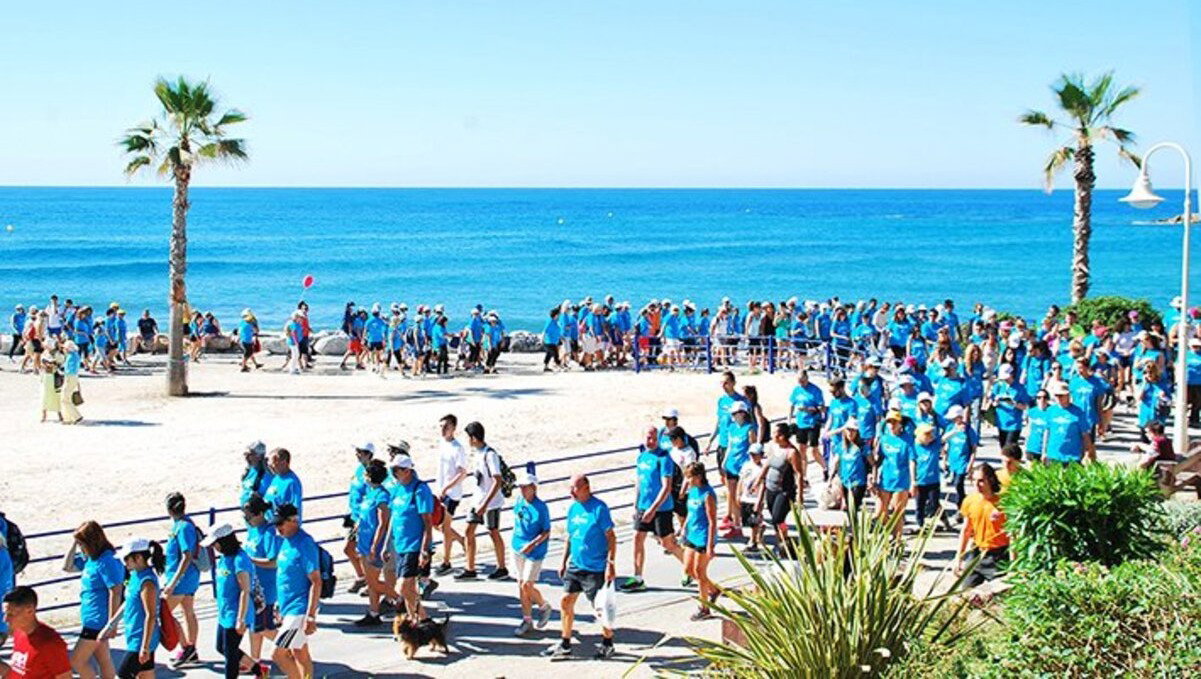
A seven-kilometre charity walk will again bring hundreds of people united together in Benalmadena next month as the annual Cudeca Walkathon returns with a larger new location and a packed day of fun fundraising activities.
On Saturday, May 23, the event will head to Arroyo de la Miel fairground for the first time with more room for additional participants and extra entertainment. Organisers planned this, hoping and expecting that this year with the larger venue, it would attract record attendance for the annual charity event.
New route and fun family activities
Participants will tie their laces and join together to complete a single accessible seven-kilometre route perfect for all ages and fitness levels. Registration opens at 9.30am before the walk begins at 10.30am.
Marisa Martin, the foundation’s managing director and medical director, described the walk as much more than a sporting event, saying it gives people a chance to support those facing difficult moments in life. The main objective of Cudeca Foundation is palliative care for patients with cancer and other terminal illnesses, and this event hopes to encourage wider public involvement in palliative care services for cancer patients and families across the Costa del Sol.
For extra opportunities to raise funds for the incredible charity there will be live music, a charity raffle, food stalls, paella and a Holi colour celebration to enjoy.
Registration details for Walkathon 2026
Online registration is already active through Entradium. Entry costs €12 for adults and €8 for children, with each walker receiving a welcome pack containing a T-shirt, fruit, water and Holi powder.
Funds raised from the Walkathon help Cudeca to continue providing vital free palliative and hospice care to more than 1,400 people every year in Malaga province.
For more information visit the Cudeca Foundation website to learn more about the Walkathon and the fantastic work they do.

E

E

Fuengirola Feria Redesigned Without Motorhomes


-

 Competiciones3 weeks ago
E
-
blackout April 20252 weeks ago
Insurance company Mapfre decides to pay out €14 million compensation for 2025 blackout
-
Costa del Sol4 weeks ago
Why home care is the new gold standard for living well in Spain
-
 Foreign demand2 weeks ago
Who Bought Where In The Second Half Of 2025?
-
Bullfighter injured4 weeks ago
Second serious injury in Spain’s La Maestranza bullring reignites controversy
-

 %4 weeks ago
Portugal Confirms High-Speed Rail Link
-
Animal protection law4 weeks ago
Spain moves to redefine legal pets as draft law raises wider welfare concerns
-
 Ataque contra Irán4 weeks ago
Trump Anuncia Una Prórroga De Tres Semanas Del Alto El Fuego Entre Israel Y Líbano