
Costa Blanca North
From the most accurate diagnosis to vaccines that can change your life: how HCB Hospitales tackles allergies


At HCB Hospitales, treatment is designed on an individual basis according to each patient’s profile. Credit: HCB Hospitales
Because living with an allergy does not always have to be forever
Allergies affect an increasing number of people and, in many cases, have a far greater impact on daily life than might appear at first glance. Constant sneezing, congestion, dermatitis, asthma, itching, food reactions, or even problems related to pets are part of a reality that many patients end up accepting as normal.
However, allergology has now evolved far beyond simply “taking antihistamines when spring arrives”. In many cases, it is possible to identify the exact source of the allergy and treat it at its root, even altering its progression through immunotherapy – the well-known allergy vaccines – significantly improving patients’ quality of life.
At HCB Hospitales, the Allergy Department offers a comprehensive and highly specialised approach at both HCB Dénia and HCB Benidorm, supporting patients throughout the entire process: from advanced diagnosis to personalised treatment and follow-up.
Technology, expertise and close follow-up
One of the major advances in allergology is the ability to obtain far more precise and faster diagnoses. Knowing exactly what is causing the allergy is the first step towards providing truly effective treatment.
At HCB Hospitales, the allergy assessment is tailored to each patient and combines a range of diagnostic tools:
- Prick tests or skin tests.
- Specific blood tests.
- Spirometry and respiratory function tests.
- Food and drug allergy studies.
- Patch tests for contact dermatitis.
- Advanced Alex Multiplex molecular diagnostics.
ALEX TEST
This latest technology makes it possible to analyse up to 300 allergens and specific proteins from a single blood sample, achieving a level of precision that is particularly useful for complex patients or those with multiple allergies. Thanks to this advanced diagnostic method, specialists can identify not only the exact cause of the allergy, but also possible cross-reactions between pollens, foods or animals.
In some cases, molecular diagnostics can even identify the specific proteins responsible for the allergy. For example, patients who are allergic to certain proteins found only in male dogs may benefit from far more personalised solutions.
Vaccines to put an end to allergies
The aim of modern allergology is no longer simply to relieve temporary discomfort. In certain cases, treatment can change the natural course of the condition.
Allergen immunotherapy – commonly known as allergy vaccines – is currently the only treatment capable of addressing the underlying cause of the allergy rather than just its symptoms.
These vaccines help the immune system to gradually build tolerance to the allergen responsible, reducing reactions over time and, in some cases, eliminating them altogether.
At HCB Hospitales, treatment is designed on an individual basis according to each patient’s profile, the type of allergy and their lifestyle. Vaccines can be administered either subcutaneously (through periodic injections) or sublingually (drops or tablets that patients can conveniently take at home). Both options are effective and allow treatment to be adapted for both adults and children.
Because living with an allergy does not always have to be forever.
Visit: www.hcbhospitales.com









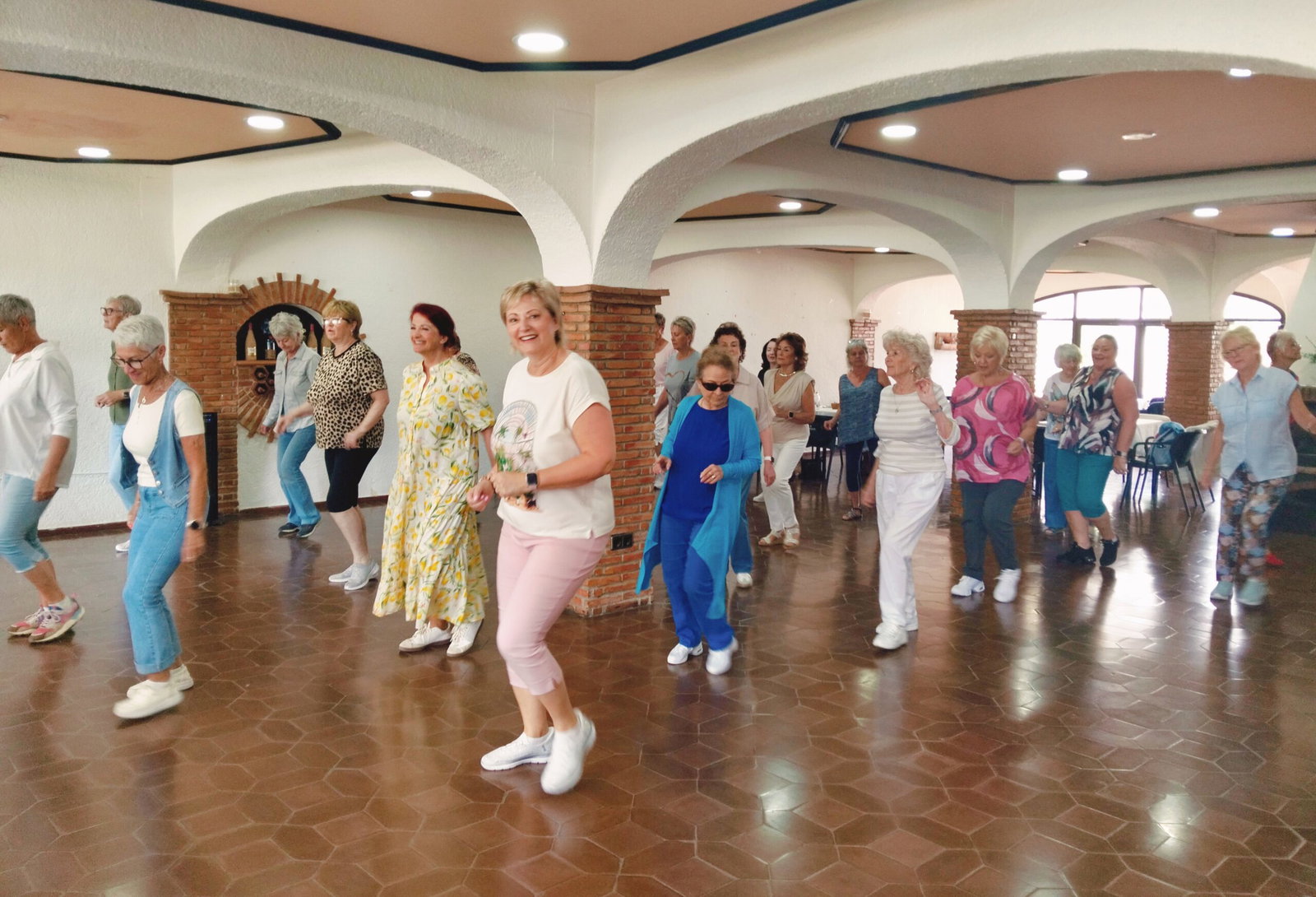
For the ultimate ticket to fun on the Costa Blanca, Azahar County Line Dancing with Nigel Hobman is exactly what you need.
Nigel creates a vibrant, fun atmosphere in his classes and events across Javea, Calpe, and Denia which brings people together for a guaranteed good time.
Your all-access pass to fun
The best host in town – Search Google: Nigel’s secret is his blend of professional expertise, a warm, encouraging style, and a great sense of humor.
Confidence for everyone: Whether you are a total beginner or an experienced pro, you’ll feel right at home – even those who think they have “two left feet” will be dancing with confidence in no time.
A healthy high: Line dancing is a fantastic way to stay active while having a blast, offering a gentle workout for the heart and joints while keeping your mind sharp and your mood lifted.
Custom celebrations: Beyond the weekly classes, Nigel can organize tailor-made private parties and special events, perfect for your next big group gathering.
Where the party starts
No subscriptions – to join in the fun and community just come along to these great venues.
Javea: Casa Soraya (ToscaMar)
Calpe: Casa Los Pinos
Denia: Tio Rico El Italiano, Deveses
Ready to join the fun? Contact Nigel on WhatsApp at +34 644 724 244 or send a message through Facebook to get started.
The Costa Blanca community unites in support of life-saving cancer research.
Credit: Martha’s Vineyard
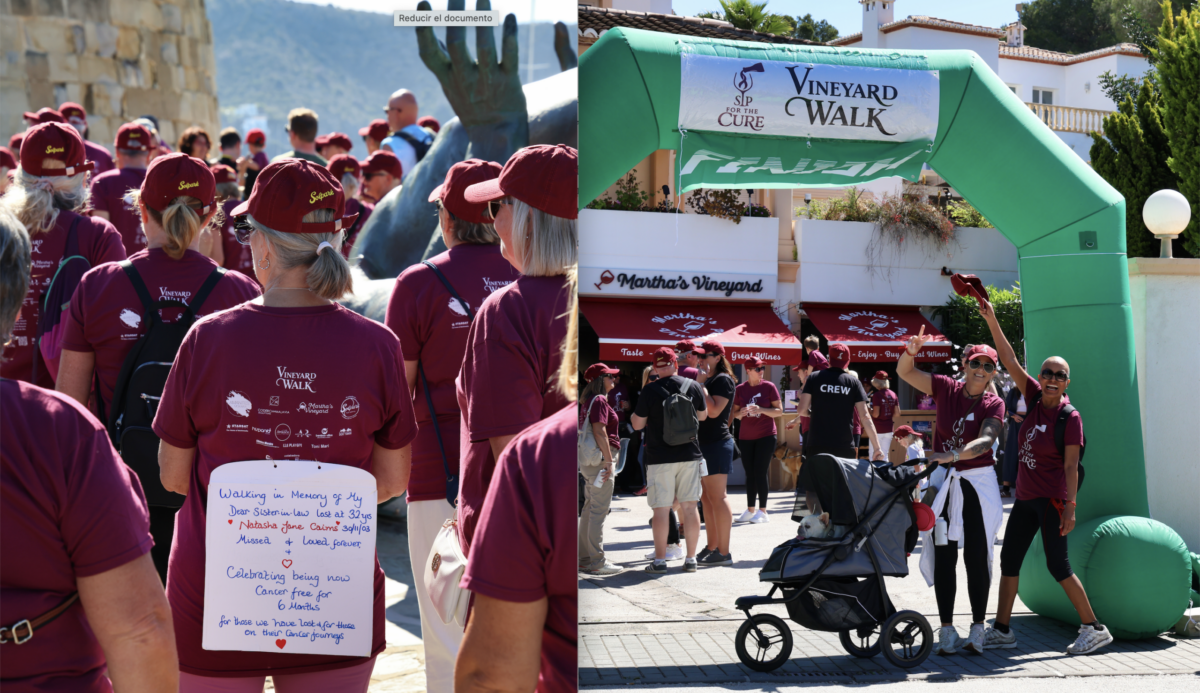
On Sunday, May 10, the inaugural Vineyard Walk for SIP for the CURE brought together the communities of Moraira and Teulada in a moving display of solidarity and support for cancer research. More than 250 participants took part in the charity event, raising over €35,000 for innovative oncology research projects led by Dr. Jaime Verdú at INCLIVA in Valencia, Spain.
Organised by the non-profit association SIP for the CURE, the event marked the culmination of six months of preparation between volunteers, sponsors, local businesses, and public institutions. The initiative received vital support from the Ayuntamiento de Teulada-Moraira and local police. Participants walked from Moraira Castle to Solpark Padel Club before gathering at Martha’s Vineyard for Sipping for the CURE, featuring music, paella, and charity auctions.
The association was founded by Martha Ardila, owner of Martha’s Vineyard, following the loss of close friends to cancer and witnessing the impact of the disease on her own family.
Her vision was to create a community-driven initiative capable of making a meaningful contribution to cancer research through collective action. Funds raised will support new clinical trials and pioneering research programmes at INCLIVA in Valencia, one of the region’s leading biomedical research institutions.
One project expected to benefit is an upcoming international initiative focused on relapsed and refractory non-Hodgkin lymphoma in children and young adults. As a rare disease with limited treatment and cure options following relapse, the project will require extensive international cooperation between physicians and researchers across several European countries, including the United Kingdom, Germany, and France. Financial contributions such as those raised through the Vineyard Walk play an essential role in helping to lead, develop, and sustain this important collaborative effort.
Following the remarkable success of its first edition, organisers hope the Vineyard Walk for SIP for the CURE will become an annual tradition, offering hope to those affected by the disease.
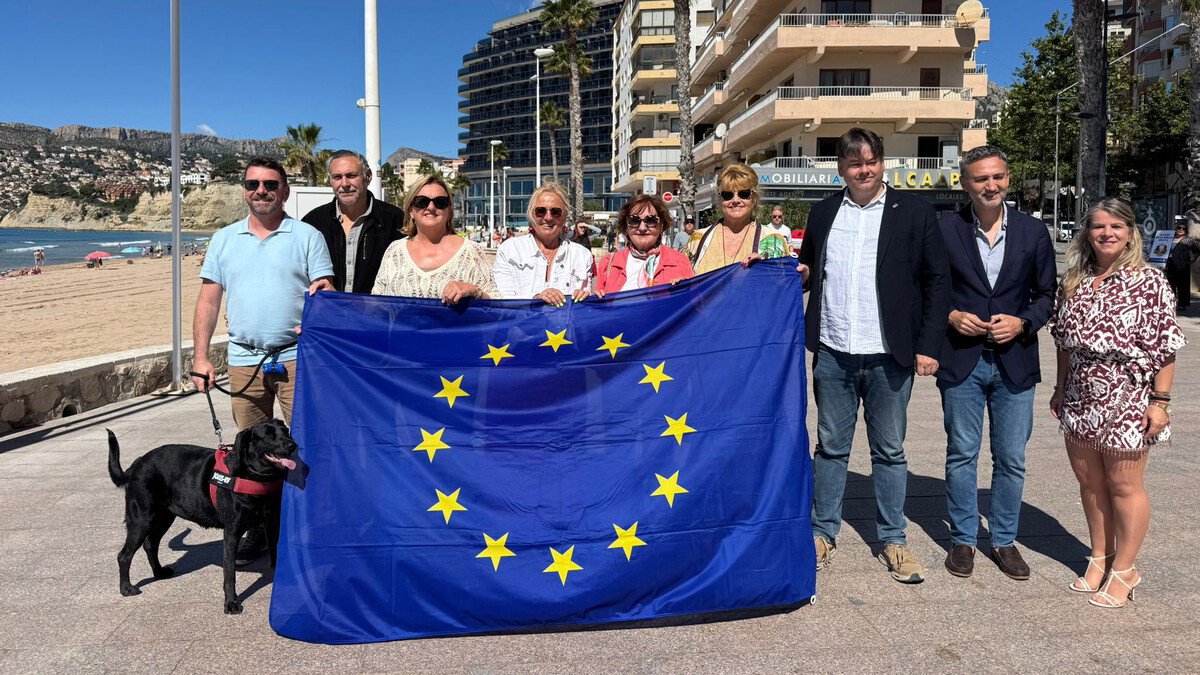
Residents gathered in Calp to celebrate Europe Day during the multicultural community event organised by the town hall.
CALP celebrated Europe Day on Sunday, May 17, with a multicultural community gathering that brought together residents and visitors for a day filled with music, gastronomy and European unity after poor weather disrupted part of the original programme earlier in the month.
The event was organised by Calp Town Hall through the European BELC programme, “Building Europe with Local Councillors,” and once again highlighted the town’s strong international identity and multicultural atmosphere.
A giant paella brought the community together
Activities took place in the La Calalga area, where local residents and foreign communities gathered to celebrate the values of cooperation and diversity that Europe Day represents. Representatives read the Europe Day manifesto in several European languages, reflecting the wide range of nationalities living in the Costa Blanca town.
One of the main attractions of the celebration was a giant public paella served outdoors in the La Calalga parking area. Hundreds of people attended throughout the afternoon, enjoying the food, music and social atmosphere while families and groups of friends gathered together beside the Mediterranean coast.
Live performances from the Supertonica Band created a festive environment as crowds danced and celebrated late into the day. The event combined gastronomy, culture and entertainment, reinforcing the international spirit that has become one of Calp’s defining characteristics.
Europe Day continues growing in Calp
Councillor Marco Bittner encouraged local associations and foreign residents to participate in the annual celebration, describing it as an important opportunity to strengthen ties between the many communities that coexist in the municipality.
Europe Day has been officially celebrated across the European Union every May 9 since 1985, commemorating the Schuman Declaration, widely considered the foundation of modern European cooperation following the Second World War.
In Calp, where a significant percentage of residents come from other European countries, the annual celebration has grown steadily in recent years and become an important social event for both locals and expatriates.
Barcelona wants cruise tourists to pay more and stay longer
Estepona paella contest returns with €1,000 prize to be won
Burglar hides from Dutch police under a laundry basket


-

 Competiciones3 weeks ago
E
-
blackout April 20252 weeks ago
Insurance company Mapfre decides to pay out €14 million compensation for 2025 blackout
-
Costa del Sol4 weeks ago
Why home care is the new gold standard for living well in Spain
-
 Foreign demand2 weeks ago
Who Bought Where In The Second Half Of 2025?
-

 America3 weeks ago
E
-
Animal protection law4 weeks ago
Spain moves to redefine legal pets as draft law raises wider welfare concerns
-

 %4 weeks ago
Portugal Confirms High-Speed Rail Link
-

 New Developments3 weeks ago
Luxury Villas For Sale, Estepona – ProjectL1