
Connect with us

America

S

Published

on

s

We’re checking if you’re a real person and not an automated bad bot. Usually, the captcha below will complete itself. If it doesn’t, simply click the checkbox in the captcha to verify. Once verified, you’ll be taken to the page you wanted to visit.

Human verification is in progress ✨

If for some reason after verifying the captcha above, you are constantly being redirected to this exact same page to re-verify the captcha again, then please click on the button below to get in touch with the support team.

Contact Support

Please mention the “Ray ID: a0167c74da4aef40” and “Client IP: 195.250.23.30” to your ticket.

Continue Reading

Africa

The Global South Takes Center Stage In The Art World: Could Its Cultural Hegemony Reshape Geopolitics?

Published

on

the-global-south-takes-center-stage-in-the-art-world:-could-its-cultural-hegemony-reshape-geopolitics?

A line circles the globe at roughly 30 degrees north of Mexico: it dips, rises and wavers, dividing the world along economic lines. In Asia, it climbs and then drops to exclude Japan, Australia, and New Zealand from the “South.” This world map, split by what became known as the Brandt Line, appeared in the 1980 UNESCO report North–South: A Programme for Survival, coordinated by then–German chancellor Willy Brandt. The line blurred the familiar Cold War geography — even softening the contours of the Non‑Aligned Movement, born at the 1961 Belgrade summit and led by Yugoslavia, India, Egypt, Indonesia, and Ghana as a way to distance themselves from both sides of the Iron Curtain.

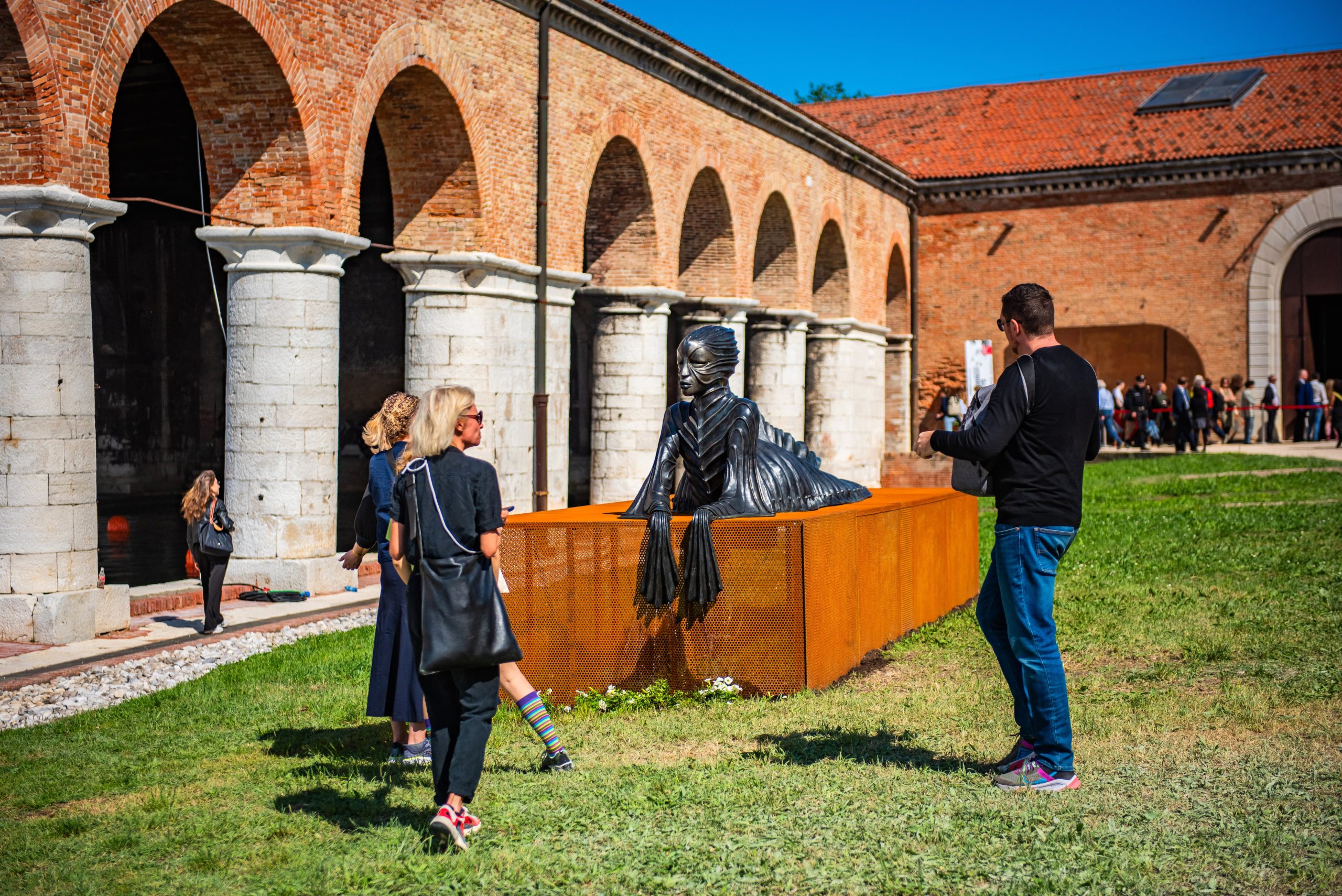
The southern side of the Brandt Line — minus South Korea and Israel — forms the most up‑to‑date definition of the Global South, a term that is steadily replacing “Third World” or “developing countries.” In the art world, the Global South has become the new hype. First used in 1969 by U.S. writer Carl Oglesby to criticize the “intolerable social order” imposed by the North, the term has recently crystallized into something new. It now dominates major art biennials: nearly all of their curators come from Global South backgrounds, and most of their artists do as well. The Venice Biennale, which opened on May 9, was curated by the Cameroonian thinker Koyo Kouoh (who passed away a year ago). Of its 111 participating artists, 62 were born in the Global South — and many others trace their origins to it.

A third space

“What does the Global South really mean?” asked ArtReview ahead of the 35th São Paulo Biennial in 2023. Manuel Borja‑Villel — the only white member of that Biennial’s curatorial team and former director of Spain’s Reina Sofía museum — says in a video call that the Global South’s current force in the art world reflects the decline of the global political order. “Europe is lost. The Global South allows us to reject the supposed universalism of the West. It makes other dynamics visible and legitimate.”

The Global South has now embedded itself in the narrative of major biennials.Sharjah Biennial shines a light on the global south” was how the Financial Times titled its review of the most recent edition in the United Arab Emirates. Curated by five women from the South, Sharjah positioned itself as a genuine third space for artists from across the region. “The Global South works as a space of solidarities that brings diversity into dialogue. It’s crucial that art is produced far from the North,” says Māori curator Megan Tamati‑Quennell — the first Indigenous curator of a major biennial — speaking via video call.

The Navajo artist Raven Chacon’s work A Wandering Breeze, created for Sharjah, revealed the connective potential of the Global South. Chacon filled the abandoned houses of Al Madam — a village overtaken by desert sand decades ago — with sand. The Bedouin soundtrack used by Chacon also hinted at Indigenous resistance in his native Arizona desert.

Angolan writer and musician Kalaf Epalanga, a member of the acclaimed Lisbon group Buraka Som Sistema and author of Whites Can Dance Too, defends — with nuance — the term Global South. In his view, it is not a geographic space but a historical condition shaped by colonialism. “The Global South makes visible connections that don’t pass through Europe or the United States. It shifts the axis. Interest in the Global South stems from a real change: the center can no longer explain the world,” he says via email.

Amanda Carneiro, Afro-Brazilian curator at the São Paulo Museum of Art, prefers the term Global South to multiculturalism, “because it names the asymmetry between the universal narratives of the North and the subaltern world.” At the same time, the Global South grants legitimacy to other conceptions of art. At the Venice Biennale, for example, Kouoh’s team has designed spaces for Procession/Invocation (linked to Afro-Atlantic carnivals), Enchantment, and Physical and Spiritual Rest.

Meanwhile, the influence of the Global South is disrupting the hegemonic governance of the major biennales of the Global North. A case in point is the mass resignation of the current Venice Biennale’s jury, which stepped down in protest over the inclusion of Russia and Israel — countries whose presidents are accused of war crimes.

The Global South of the art world encompasses the “ecology of knowledges” proposed by Portuguese scholar Boaventura de Sousa Santos — which equates the knowledges of the South with Western science — the decolonial thought of Argentine philosopher Enrique Dussel — which replaces the universal with the pluriversal — and the subaltern voices defended by Indian theorist Gayatri Chakravorty Spivak.

The Global South “shifts the center” toward all the world’s cultures, as Kenyan writer Ngũgĩ wa Thiong’o (who died in 2025) long demanded. The Global South has already become a geopolitical tool: diffuse in outline, porous, built on partial solidarities and historical affinities. The (Global) South emerges as the reverse of the status quo — a past that might have been, or an open future.

Indian curator Natasha Ginwala explains by email that it forms a “global majority” tied to decolonial vocabularies and ancestral knowledge; it offers another vision of the future in a time of social polarization and the rise of artificial intelligence.

South in the North

“Where do we look for North and South when we face the coexistence of a very wealthy Asian elite and undocumented Chinese workers in a grocery store in northeastern Italy?” asked Italian writer Wu Ming 1 (a member of the Wu Ming collective) in Esta revolución no tiene rostro (This Revolution Has No Face). The question continues to reverberate, split in two: is there South in the North? Is there North in the South?

Curator Megan Tamati‑Quennell embodies the tensions of the Global South in her own life. As a New Zealander, she belongs to the North; as a Māori woman, to the South. For her, African American artists are part of the Global South. The two novels that serve as cornerstones of the current Biennale highlight the dialogue between the Global South and the “South‑of‑the‑North”: Beloved, by African American writer Toni Morrison, and One Hundred Years of Solitude, by Gabriel García Márquez. As a nod to the South, African American curator Naomi Beckwith will direct the Kassel Biennale in 2027.

The concept of the Global South is not without problems. On one hand, there is the risk that it becomes “folklorized and turned into a brand,” preventing structural change, as Borja‑Villel argues. On the other, it can erase hierarchies within the South itself, since elites often operate as the North, says Amanda Carneiro.

Kalaf Epalanga warns of the danger that the Global South becomes merely a visual or sonic atmosphere rather than “a way of being.” He cites the example of world music: it was created to make global musical traditions visible, but ended up as a catch‑all shelf “where everything fit and everything was far from the center.”

Political shift

On February 18, 2024, Brazilian President Luiz Inácio Lula da Silva championed the Global South in Ethiopia. “We were once known as poor countries, as Third World countries, as underdeveloped countries, as developing countries. No. Now we are the economy of the Global South.”

If the North has lost the reins of geopolitics, will the Global South take them? The challenge for this part of the world, says Afro-Brazilian curator Lorraine Mendes in a phone interview, is “to find a safety net for the dispossessed, solidarity through political agreements, and cultural connections to reorient the geopolitical map.”

Faced with a decaying global order, the Global South, through art, has a window of opportunity to establish, as Subcomandante Marcos suggested decades ago from Chiapas, “the dignified south omnipresent in all cardinal points.”

Sign up for our weekly newsletter to get more English-language news coverage from EL PAÍS USA Edition

Continue Reading

America

Sandy Fire: Thousands Under Evacuation Orders As Wildfire Spreads Across Southern California

Published

on

sandy-fire:-thousands-under-evacuation-orders-as-wildfire-spreads-across-southern-california

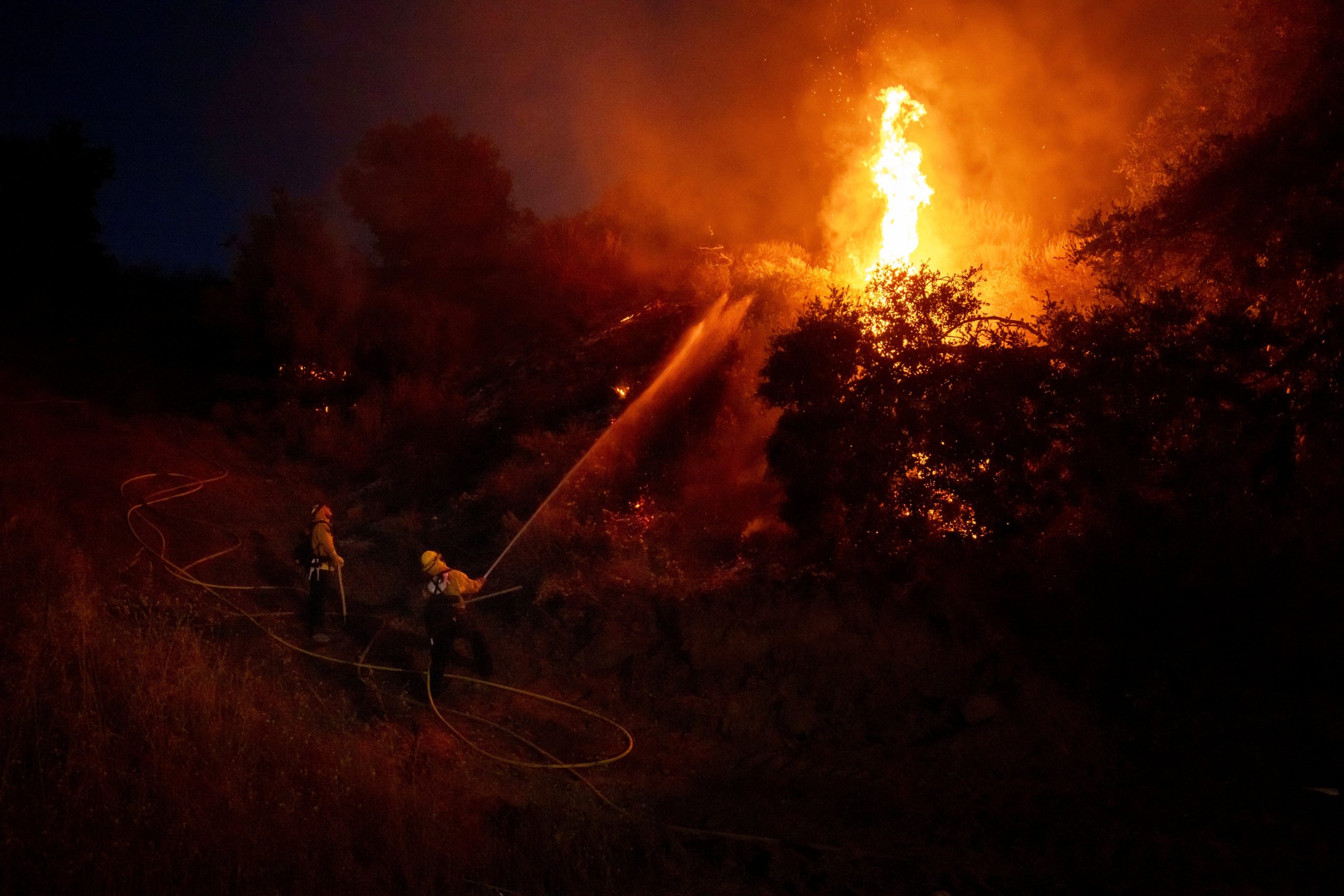
Wildfires fueled by extreme heat, drought, and strong winds have become a recurring emergency that California faces virtually every year. Now, the southern part of the state is grappling with a new wave of fires that has placed thousands of residents under evacuation orders and forced the deployment of emergency resources in several counties. The most critical fire so far is the Sandy Fire, fueled by strong winds, which continues to advance in Simi Valley, northwest of Los Angeles.

The fire began Monday morning in the Sandy Avenue area of Ventura County and quickly spread due to gusty winds and dry vegetation. Within minutes, the flames reached residential areas and destroyed at least one home along with vehicles parked near the property.

By early Wednesday morning, Sandy had consumed nearly 1,700 acres (6.88 square kilometers) and maintained a containment level of between 5% and 15%, according to various official reports released in recent hours.

Authorities noted that more than 17,000 people remained under evacuation orders, although at the height of the crisis the number had exceeded 43,000 residents. Several communities in Ventura County and areas bordering Los Angeles received evacuation orders and warnings.

Winds complicate firefighting efforts

Firefighters and aerial crews worked through the night on Tuesday trying to slow the fire’s advance before weather conditions worsened again. Ventura County Fire Department spokesperson Andrew Dowd explained that crews were able to make headway thanks to a temporary lull in the wind.

However, authorities warned that the change in wind direction continued to pose a significant risk. Cal Fire stated that firefighters remained strategically positioned in anticipation of possible changes in the fire’s behavior.

Furthermore, the mountainous terrain and dry vegetation have complicated the efforts. Andy VanSciver, a public information officer with the fire department, told the media that the steep slopes and dry grasslands are fueling the rapid spread of the flames.

More than 800 firefighters deployed

The operation to combat the Sandy Fire mobilized hundreds of personnel from various agencies. According to official reports, more than 869 firefighters were assigned to containment efforts after a new secondary fire forced the deployment of more than 100 additional personnel.

Efforts included aerial drops of water and retardant, nighttime operations, and the creation of containment lines to prevent the fire from reaching sensitive areas such as the Santa Susana Field Laboratory and the Box, Bell, and Woolsey canyons.

Los Angeles Mayor Karen Bass reported that the city deployed helicopters, crews, and specialized equipment to support Ventura County, though she clarified that, as of now, the fire was not expected to reach the city of Los Angeles.

School closures and poor air quality

The impact of the fire also forced the closure of all campuses in the Simi Valley Unified School District on Wednesday. Only essential staff were called in to work.

In addition, smoke from the Sandy fire and other nearby fires triggered air quality alerts in areas such as Calabasas, Malibu, and Pacific Palisades. Authorities urged residents to avoid outdoor activities and stay tuned for emergency updates.

Other active fires in California

The Sandy Fire isn’t the only one causing concern for authorities. On Santa Rosa Island, off the coast of Ventura and Santa Barbara, another fire has burned nearly 17,000 acres (68.8 square kilometers) and destroyed historic structures. The fire is approximately 26% contained.

Authorities believe the fire may have started after a shipwrecked sailor used flares to signal for help. The man was later rescued by the Coast Guard.

In Riverside County, the Bain and Verona fires also forced the evacuation of entire communities. The Bain fire has burned more than 1,300 acres, while the Verona fire has burned over 400 acres and remains uncontained.

Another fire, identified as the Tusil, spread rapidly in San Diego County and forced the partial closure of Interstate 8.

Critical fire season

Experts have warned that California is entering a particularly dangerous period for wildfires.

Meteorologist Ryan Kittell of the National Weather Service in Oxnard explained to the Los Angeles Times that moisture levels in vegetation are reaching a critical point. “Right now, the latest readings show we’re right on the cusp of when most of the plants are ready to burn,” he said. “It’s still kind of a mixed bag, but we’re getting real close.”

Sign up for our weekly newsletter to get more English-language news coverage from EL PAÍS USA Edition

Continue Reading

America

Bolivia Expulsa A La Embajadora De Colombia Tras Señalar A Petro De “injerencia”

Published

on

bolivia-expulsa-a-la-embajadora-de-colombia-tras-senalar-a-petro-de-“injerencia”

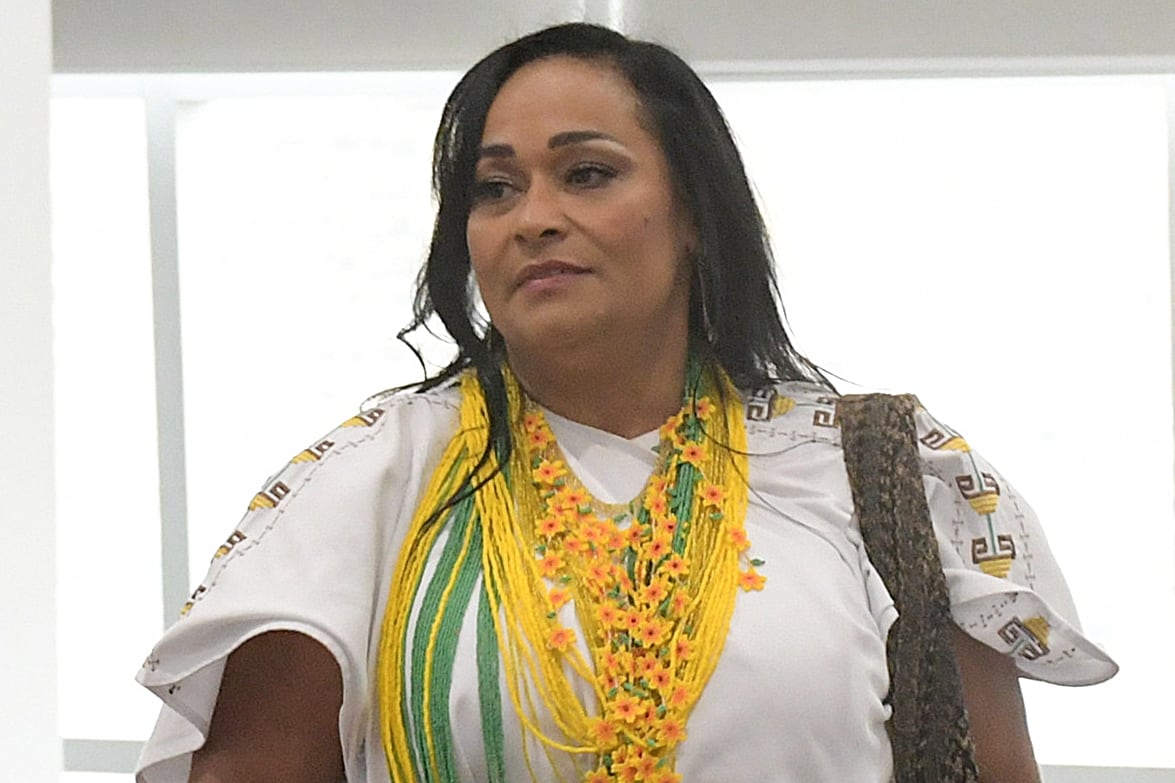
La Cancillería de Bolivia “ha decidido solicitar a la Embajadora de la República de Colombia acreditada en el país la conclusión de sus funciones diplomáticas en territorio boliviano”. La expulsión de Elizabeth García Carrillo es la principal reacción del Gobierno de Rodrigo Paz a unas recientes declaraciones del presidente colombiano, el izquierdista Gustavo Petro, sobre la situación en Bolivia. El mandatario afirmó el documento que el país sudamericano “vive una insurrección popular” como “respuesta a la soberbia geopolítica”. Aunque en el mismo mensaje se señala interesado en mediar en la crisis, también habló de “presos políticos”.

El Gobierno boliviano cerró la oferta de mediación de Petro de un portazo. “En el caso de extender un ofrecimiento de mediación, lo harán como lo han venido haciendo otros países: comunicándose por vías diplomáticas originales y no usando TikTok o redes sociales que muestran realmente una carencia completa a la forma y mecanismos que rigen a los estados” , dijo el ministro de Relaciones Exteriores de Bolivia, Fernando Aramayo, en una entrevista con la radio Panamericana.

Bolivia vive una insurrección popular.

Es la respuesta a la soberbia geopolítica.

Latinoamérica es una civilización diversa y diferente, no se le puede homogeneizar desde ningún lado del planeta.

Latinoamérica y el Caribe deben ser escuchados por el mundo mirando de frente en…

— Gustavo Petro (@petrogustavo) May 17, 2026

Petro también se pronunció a favor del expresidente boliviano Evo Morales, líder de la oposición y el rostro más visible detrás de las movilizaciones que tienen sitiada a La Paz, la capital del país, con una ciudad sin combustible y protestas cada vez más extendidas. “Le solicito al gobierno de EEUU no atacar al expresidente Evo Morales”, escribió el mandatario colombiano en su cuenta de X. La preocupación tiene que ver con la intención del Gobierno de Paz de acudir a Estados Unidos para solicitar información de una posible participación de Morales en el tráfico de drogas.

El líder indígena está en la mira de la justicia después de que un juez ordenara su aprehensión por no presentarse a declarar en un proceso en su contra por presunta trata y abuso infantil. La situación, según ha dicho este martes el secretario de Estado adjunto estadounidense, Christopher Landau, tras hablar con el presidente conservador boliviano, es “un golpe de Estado”. El llamado Grupo Libertad y Democracia, conformado por 16 antiguos jefes de Estado de Iberoamérica, se ha pronunciado en un sentido similar en una carta pública enviada este miércoles. “Rechazamos de manera categórica el intento de quiebre institucional en Bolivia” se lee en el documento que firman los españoles Mariano Rajoy y José María Aznar, el mexicano Felipe Calderón, el colombiano Iván Duque o el chileno Eduardo Frei.

El comunicado de la Cancillería boliviana de la mañana de este miércoles aclara que la “decisión no constituye ruptura de relaciones diplomáticas con la República de Colombia ni afecta los históricos vínculos de amistad, cooperación y respeto entre ambos pueblos y Estados”. El colombiano ha respondido durante una entrevista con Noticias Caracol. Tras rechazar la expulsión, ha reiterado su postura: “Se están pasando a extremismos que pueden llevar a una situación muy difícil al pueblo boliviano” ha dicho en el canal de televisión con más rating de Colombia.

Petro, inserto en una guerra comercial con el vecino Ecuador, ha buscado proyectar un liderazgo regional y con la construcción de alianzas con fuerzas de izquierda en toda América Latina. Para el caso de Bolivia, desde su llegada al poder en 2022, designó a García como embajadora. Era una poderosa señal simbólica: se trata de una indígena del pueblo Arhuaco, que además vivió exiliada en Canadá, un perfil muy diferente a la usual diplomacia colombiana. Uno, además, que habla en especial a una nación con alto componente indígena, como es Bolivia, y donde uno de los protagonistas de la crisis actual es Evo Morales, también líder de los pueblos nativos.

El presidente colombiano ha logrado mejorar la relación bilateral con Estados Unidos, tras una creciente crisis a lo largo de 2025 que incluye el retiro de su visa. Sin embargo, las palabras de Landau respecto de Bolivia despiertan interrogantes sobre la buena situación: “Me encantaría ver, por ejemplo, que Brasil respalda el proceso institucional en Bolivia. Igual digo de Colombia. No me gusta ver que hay países que se vanaglorian de sus valores democráticos, pero que, en cuanto se establece un Gobierno que quizá no se alinea con sus posiciones políticas, de repente guardan silencio”, declaró.

Continue Reading

Trending

Copyright © 2017 Spanish Property & News