Connect with us

America

Bolivia’s Failed Economic Model: From The ‘energy Heart Of South America’ To The Risk Of Blackouts

Published

on

bolivia’s-failed-economic-model:-from-the-‘energy-heart-of-south-america’-to-the-risk-of-blackouts

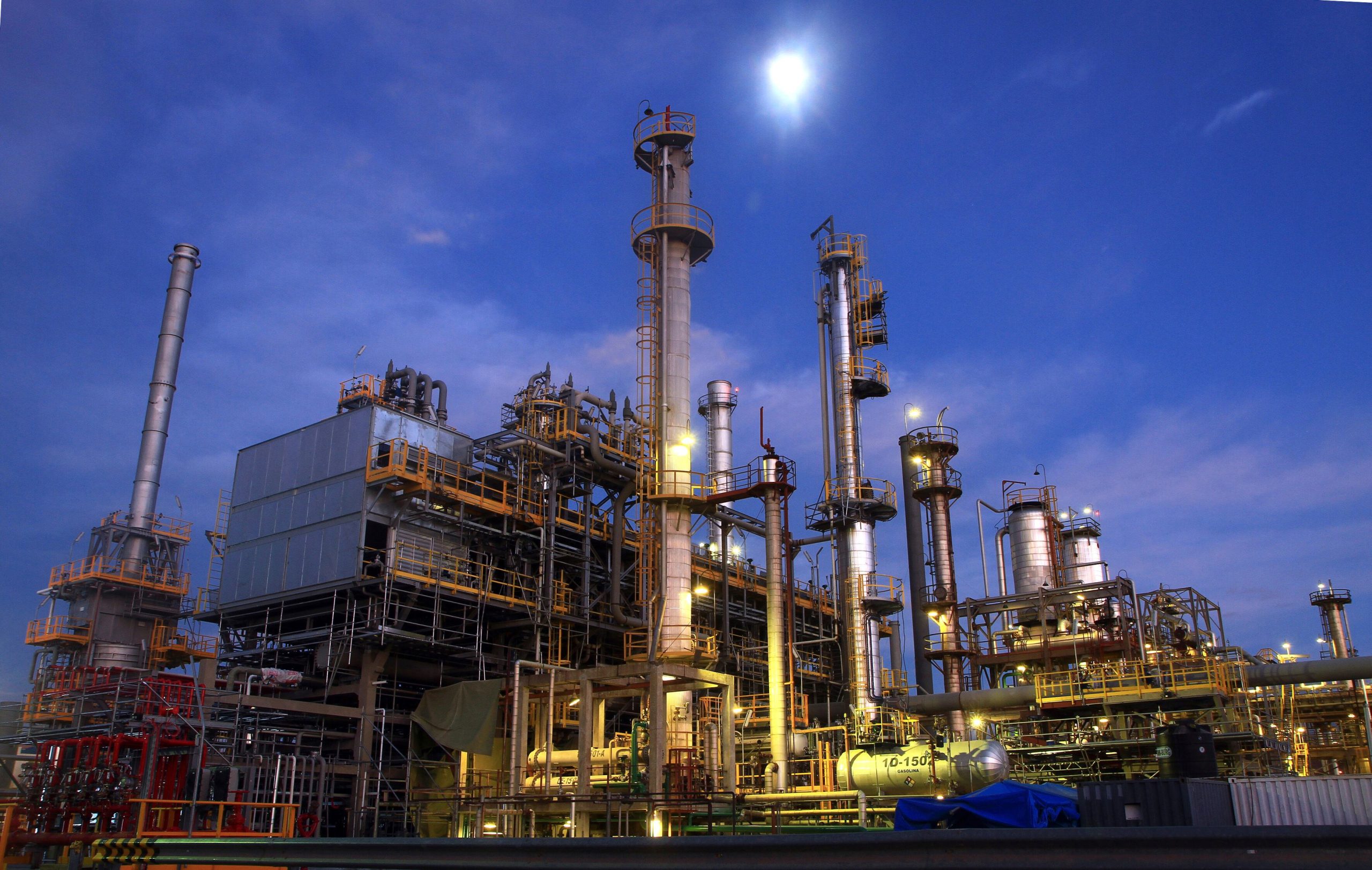
There is an old propaganda poster advertising Evo Morales’ third-term program: “Bolivia will be the energy heart of South America. Bolivia will have energy sovereignty. We will export energy to neighboring countries and become a regional leader.” The former president began that term in 2015 backed by an overwhelming electoral victory of more than 60%. The support reflected the economic stability the country had enjoyed since his first term in 2006, sustained mainly by natural gas exports, which in 2014 alone reached $6.1 billion. International reserves became the highest in South America relative to GDP. But behind the scenes, the picture was different. Reserve certifications did not match the extravagant figures that had been proclaimed, and oil companies had neglected exploration of new fields.

The consequences followed: exports fell by almost 60% over the last decade, striking the economy with a severe shortage of foreign-currency liquidity. The lack of answers to confront the recession, as demanded by popular sectors, is one reason that protesters have kept La Paz under siege for more than a month. The unrest worsened in February, when the distribution of poor-quality gasoline ruined thousands of vehicles, weeks after the government of Rodrigo Paz had removed fuel subsidies.

It is the authorities themselves who acknowledge that, if new fields are not found, Bolivia will have to begin importing the resource it once prided itself on having in abundance. With an electricity matrix that depends 70% on natural gas, the fear of blackouts has ceased to be a conspiracy theory. The current hydrocarbons minister, Marcelo Blanco, recently presented a bill that seeks to diversify the energy matrix and, in his words, secure supply in the medium term.

As of April this year, Bolivia has 3.7 trillion cubic feet (TCF) of proven reserves; U.S. certifier DeGolyer & MacNaughton assigned it around 28.7 TCF in 2003, up to 52 if probable reserves were included. In 2009 the firm Ryder Scott made a drastic adjustment, lowering them to 9.94 TCF. Mirko Orgaz, a researcher and author of the book Nacionalización, historia y poder del petróleo (Nationalization, history and power of petroleum), describes this “reality check” as the first sign of the gas decline: “We went from being a country rich in gas to merely a producer. The figures were manipulated at the time to revalue the shares of companies that invested heavily during the neoliberal era (1982–2005).”

The belief that Bolivia was swimming in a “sea of gas,” as its heads of state called it, led to overexploitation of existing fields and the abandonment of the search for new deposits. “Even with the new certifications, the government’s policy will continue to be the same, operating under the idea that we have an enormous gas reserve, with exports to Brazil and Argentina,” Orgaz says.

The main concern now, however, is no longer recovering previous sales volumes: state oil company Yacimientos Petrolíferos Fiscales Bolivianos (YPFB) announced in April that the country might be forced to import gas to supply its domestic market starting in 2031. If the country becomes an importer, it will need about $5.5 billion by 2035 to buy fuel—almost one-tenth of GDP, according to projections by former hydrocarbons minister (2003–2004) and director of Gas Energy, Álvaro Ríos.

Ríos assumed the post in a period of transition when fuel management shifted from predominantly private hands, such as Repsol and Petrobras, to the state during the nationalization process that was later consolidated with the rise to power of the Movement Toward Socialism led by Evo Morales. The former coca-growers’ leader was among those who pressured Ríos to draft a new hydrocarbons law to capture greater public revenue. A tax burden of up to 60% was introduced, allowing subsidies for gasoline and diesel both for the vehicle fleet and for thermal power plants that bought cheap gas to generate some of the continent’s lowest electricity tariffs.

“During that period reserves were not replenished, subsidies were maintained [today removed by the Paz government] and money was spent left, right and center [a study revealed that between 2005 and 2017, 66% of the revenue went to operating expenses and only 34% to investment],” Ríos tells EL PAÍS. The lack of exploration of new fields is, for the scholar Orgaz, another factor in the collapse of Bolivia’s energy model.

“A decree in the neoliberal phase, during Jorge Tuto Quiroga’s government (2001–2002), removed the obligation for foreign oil companies to explore. But in the new contracts of the 2006 nationalization they were not required to look for new fields either. As a result, transnationals invested around 69% in production and the remainder in exploration,” Orgaz says.

Upon taking office in November, Paz eliminated the subsidy, a measure seen as necessary due to the lack of reserves to bear that cost. The situation, however, has not improved much since then. The protests, in addition to condemning the distribution of poor-quality gasoline, reject a potential privatization of YPFB, an institution riddled with corruption. Three presidents have passed through the company in six months and a couple more remain fugitives from justice over alleged illicit enrichment.

Sign up for our weekly newsletter to get more English-language news coverage from EL PAÍS USA Edition

America

California Is Suing The Trump Administration To Block A New ICE Facility

Published

on

california-is-suing-the-trump-administration-to-block-a-new-ice-facility

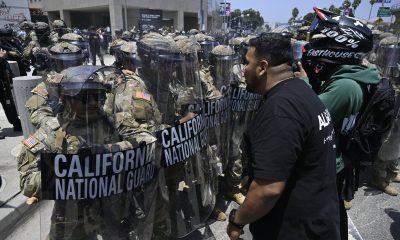
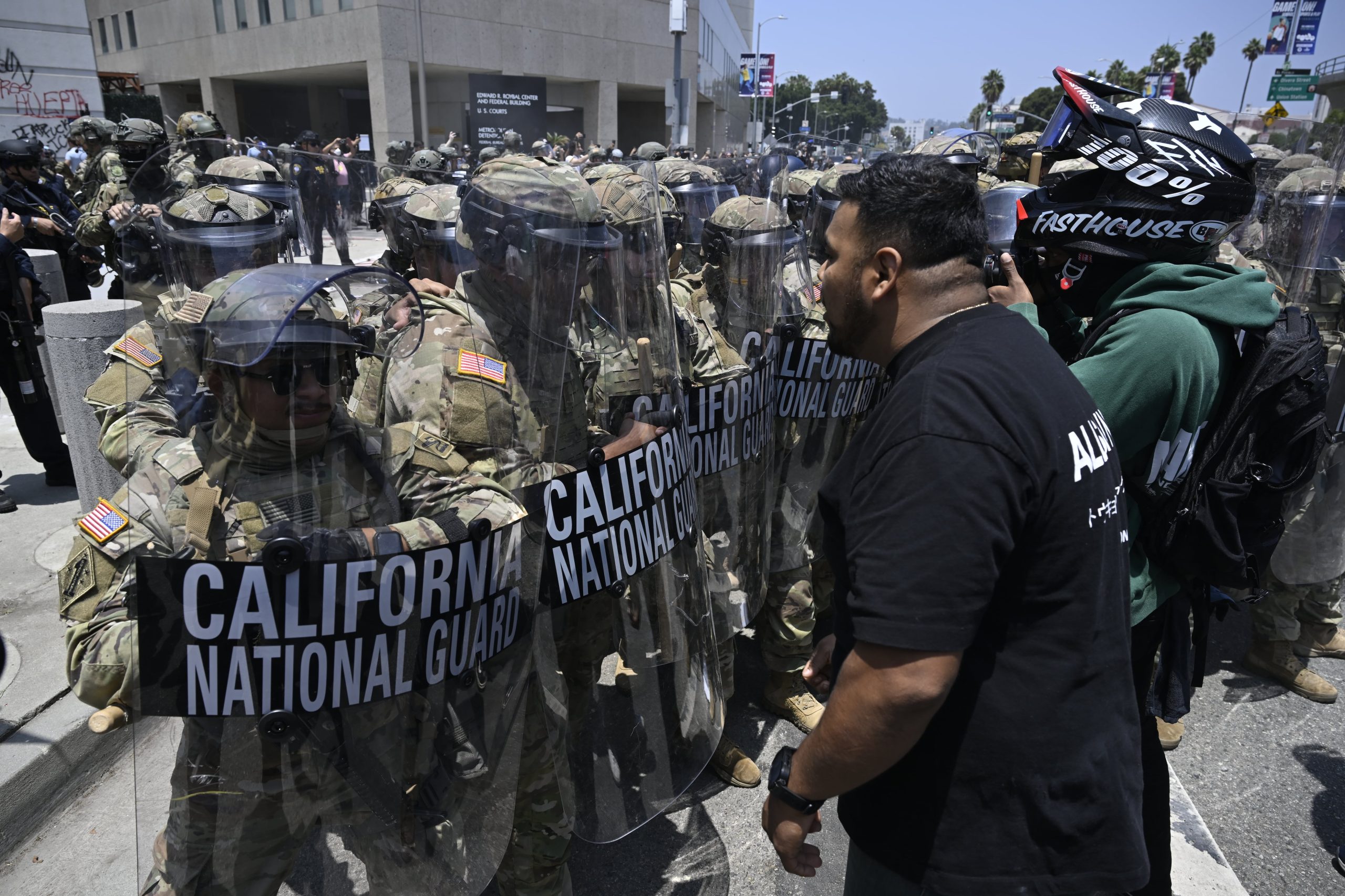
An agricultural property a few miles from Gilroy, just south of the San Francisco Bay Area, has become the latest flashpoint in the ongoing clash between California and the Trump Administration. California Attorney General Rob Bonta and Santa Clara County filed a federal lawsuit on Wednesday seeking to stop the construction of a U.S. Immigration and Customs Enforcement (ICE) facility that local officials say could be used to temporarily detain migrants as part of the federal government’s intensified immigration enforcement efforts.

The lawsuit, filed in the U.S. District Court for the Northern District of California, seeks to permanently block the project on Holsclaw Road, in an unincorporated area southeast of Gilroy. The plaintiffs argue that the federal government moved forward with construction without completing required environmental reviews, adequately consulting state and local authorities, or complying with restrictions designed to preserve agricultural land.

According to public records, the Department of Homeland Security leased nearly 25 acres from a subsidiary of Elmwood Capital Group under a 20-year agreement valued at $26.5 million. The property includes three buildings, greenhouses, and extensive farmland. Although ICE has maintained that the project is intended as an operations office, state and local officials believe the facility could function as a short-term detention center capable of holding up to 150 people.

“Under this Administration, we’ve seen ICE offices have become mini-detention centers, despite being unequipped for long-term holding,” Bonta said in a statement. “That’s unacceptable.”

President Trump’s mass detention and deportation campaign has led to cruel, inhumane, and unacceptable conditions at immigration holding and detention facilities across California,” he added. “But instead of working to improve conditions at these facilities, instead of enforcing ICE’s own detention standards, the Trump Administration is trying to jam through a new facility on a community that doesn’t want it.”

The lawsuit argues that the project violates several federal and state laws, including the National Environmental Policy Act (NEPA), the Immigration and Nationality Act, the Intergovernmental Cooperation Act, the Administrative Procedure Act, and California’s Williamson Act, which preserves agricultural land through land-use restrictions in exchange for tax benefits.

According to the plaintiffs, the federal government should have completed either an environmental assessment or a full environmental impact statement before signing the lease and beginning construction. They also argue that the property is located in an area that supports threatened and endangered species and is protected for exclusive agricultural use.

The complaint further alleges that the development could damage wildlife habitats, place additional strain on local drinking water, wastewater, and road infrastructure, and result in the permanent loss of protected farmland.

Another central issue in the case is the alleged lack of transparency. Santa Clara County officials contend they were never properly consulted about the project and that the only formal communication they received was a one-paragraph letter sent in June 2023 in which the federal government described its plans as “office and operations space.”

“Part of the problem here is that they are trying to move forward with this project with as little transparency as possible, and hoping that nobody notices, nobody catches on to the details,” Santa Clara County Counsel Tony LoPresti said during a press conference in San Jose. “So, part of what our lawsuit will do is it will force that transparency to occur.”

The lawsuit also raises concerns about environmental safety at the site. According to the plaintiffs, agricultural research companies that previously occupied the property generated hazardous waste that may not have been properly disposed of.

“The federal government’s apparent failure to address —much less mitigate— these risks endanger the construction workers building the site, detainees and employees who will be located at the site, and the environment beneath and surrounding the site,” the complaint states.

Opposition to the project has grown in recent months. Residents and community groups have staged protests since learning of the construction plans, while the neighboring Monterey County Board of Supervisors voted unanimously in late May to oppose the facility.

The lawsuit is the latest in a long series of legal battles between California and the Trump Administration. According to Bonta, it is the 71st lawsuit his office has filed against the federal government since Trump returned to the White House. Santa Clara County, meanwhile, is currently involved in 11 active cases against the administration.

“Since President Trump took office, the County of Santa Clara has made clear that we won’t tolerate a federal government that abuses the law and jeopardizes the rights and well-being of our immigrant communities,” LoPresti said.

Neither ICE nor the Department of Homeland Security has commented on the lawsuit.

Continue Reading

America

El Pentágono, Evacuado Por Una Falsa Alarma Ante La Sospecha De Un “incidente Con Materiales Peligrosos”

Published

on

El Pentágono fue evacuado en parte este jueves por un “incidente con materiales peligrosos”. Varias dotaciones de bomberos se hallaban desplegadas a final de la mañana (hora de Washington, seis más en la España peninsular) en la sede del Departamento de Defensa, en Arlington, a las afueras de Washington. Más o menos una hora después, la CNN informó que todo se había debido a una “falsa alarma”, debida a la lectura errónea de un sensor del aire defectuoso. Al rato, un portavoz confirmó que las autoridades actuaron con un exceso de precaución.

Seguir leyendo

Continue Reading

America

A UFC Fight At The White House: Trump’s Controversial Sporting Event Sparks A Wave Of Criticism

Published

on

a-ufc-fight-at-the-white-house:-trump’s-controversial-sporting-event-sparks-a-wave-of-criticism

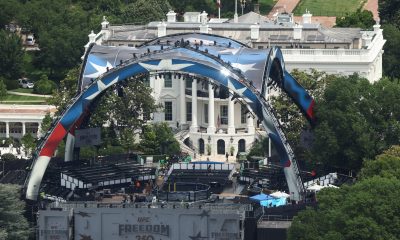
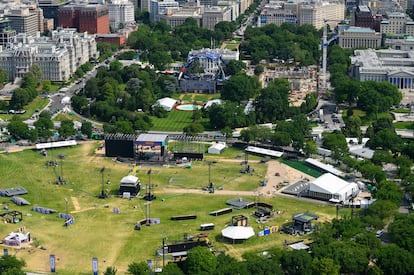
The image is unprecedented even by Washington standards. A massive four-pronged steel structure known as “The Claw” rises above the White House South Lawn as workers put the finishing touches on the venue that will host UFC Freedom 250. The mixed martial arts event, promoted by President Donald Trump and UFC CEO Dana White, is intended to commemorate the 250th anniversary of American independence.

Yet what its organizers describe as an unprecedented patriotic celebration is viewed by critics as an example of the growing overlap between private business interests, political power, and national symbols. Lawsuits, conflict-of-interest allegations, and restrictions on press access have turned the fight into a controversy that extends far beyond sports.

An octagon at the presidential residence

The June 14 card will be the first professional sporting event ever held at the White House. The fights will take place on the South Lawn, the stretch of grass behind the presidential residence that is typically used for official ceremonies, diplomatic receptions, and public events.

The most striking feature of the setup is “The Claw,” a 600-ton, 154-foot-wide structure imported from Europe. Originally designed for music festivals, it was modified to house the UFC Octagon without obstructing views of the White House or the Washington Monument. At 92 feet tall, the structure is even higher than the presidential mansion itself.

Organizers expect approximately 4,300 spectators inside the venue. The UFC also plans to install giant screens nearby, allowing tens of thousands more fans to watch the event.
Trump’s close ties to the UFC

The controversy is not limited to the event itself. It is also fueled by the long-standing relationship between Trump and White, one of the president’s most visible allies in the sports and business worlds.

Trump has publicly promoted the event for months and has closely monitored preparations. The card will also take place on his 80th birthday, a detail that has intensified criticism from those who believe the event carries a personal and political dimension beyond the national commemoration.

Questions intensified this week when the Trump family began promoting commemorative coins tied to the event. The medallions, marketed under a licensing agreement with the Trump Organization, range in price from about $250 to nearly $12,000 for a gold version.

Critics argue that using the White House for a spectacle connected to business ventures benefiting the president’s inner circle raises ethical concerns. The White House has rejected any suggestion of wrongdoing, insisting that Trump acts solely in the public interest.

Lawsuit

Just days before the fight, two Washington-area residents filed a lawsuit seeking to block the event, arguing that federal authorities unlawfully approved the use of public property for a private activity.

The plaintiffs contend that the massive structure erected on White House grounds required congressional approval and that iconic sites such as the South Lawn and the Lincoln Memorial, where the ceremonial weigh-ins will take place, should not be used for commercial purposes.

The Trump administration has responded that the lawsuit was filed too late and that halting the event would disrupt months of planning while affecting thousands of attendees, military personnel, and athletes preparing to compete.
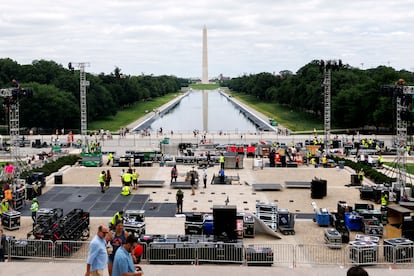
Administration lawyers have also denied any illegality, arguing in court filings that the structures are temporary and that the White House has a history of hosting a variety of public events.

Press access under scrutiny

Another source of controversy involves media access. According to multiple reports, the UFC has taken control of a significant portion of the credentialing process for journalists seeking to cover the event from within the White House complex.

The White House Correspondents’ Association objected to the arrangement, arguing that it is unusual for a private company to oversee media access to an event held at the seat of the executive branch.

According to reports, only the official White House press pool and a limited number of UFC-approved journalists will have full access to the venue. Other news organizations will be unable to use their normal press workspaces during the event.

While major sports leagues routinely manage credentials for their own events, critics argue that the situation is fundamentally different when the event takes place at one of the most symbolic government buildings in the United States.

Sign up for our weekly newsletter to get more English-language news coverage from EL PAÍS USA Edition

Continue Reading

Trending

Copyright © 2017 Spanish Property & News