
News from Spain
Experts warn of Spain drug shortages as a common everyday medicine runs out

Spain faces widespread drug shortages, with aspirin now affected nationwide.
Photo Credit: Maksym Pozniak-Haraburda / Unsplash
Spain is currently in the midst of a serious drug supply problem; in recent weeks, nearly 12,000 supply shortages have been recorded, affecting more than 1,500 different medications…including a common, everyday-use painkiller.
Aspirin running out in Spain: More than 11,700 shortages across nearly 4,000 pharmacies
The shortage was alerted by LUDA Partners, a network that connects more than 3,700 pharmacies in Spain. According to the network, 1,538 different medications are being affected by 11,785 supply shortages, with the latest addition to the figures being acetylsalicylic acid, the active ingredient in aspirin. As a result, aspirin is one of the five medications with the most reported shortages in Spain and accounts for 4 per cent of reported shortages on a national scale, an unprecedented figure.
This shortage is reported to affect 75 milligram in 30 unit-packs and 100 milligrams in 500 unit-packs of the drug, as well as Aspirin Plus, a particular brand of the drug, in its 500 milligram and 50 milligram formats.
This shortage could spell trouble for patients who regularly use aspirin to treat chronic pain, or those who need a quick, safe, and over-the-counter painkiller for unexpected aches and ailments. Additionally, acetylsalicylic acid is also a main ingredient in Lenzetto, a hormonal therapy for women in menopause.
The Canary Islands facing supply strain, particularly for epilepsy medication
The LUDA Partners report also points specifically to the Canary Islands, listing some other medicines that are difficult to obtain in the autonomous community. Among the medicines mentioned were Gabapentin, used to treat epilepsy and neuropathic pain; Hibor, an anticoagulant used to prevent thrombosis; Amchafibrin, a medication indicated for the control and prevention of bleeding; Depakine, used to treat different types of epilepsy; and Furantoin, a common antibiotic in the treatment of urinary tract infections.
More than half of people over 15 in Spain suffer from a chronic condition
LUDA Partners has alerted to the severity of the problem, stating that 54.3 per cent of the population over the age of 15 suffers from at least one chronic disease (including any long-term conditions). This number gets even more stark in those over 65 years of age, as 40 per cent of men and 44 per cent of women have two or more chronic pathologies, 2025-2028 Development Document of the Strategy for Addressing Chronicity of the Ministry of Health.
Not just aspirin: Spain faces drug supply shortages across the board
More common drugs facing shortages in the country include Fixaprost, intended for patients with glaucoma; Amchafibrin, which prevents hemorrhages; and Kreon, which is prescribed in cases of pancreatic insufficiency. These medicines are all among those with the most reported shortages.
What is causing the supply shortage?
The shortage is being caused by multiple factors, including temporary and seasonal increases of demand, spiking production costs, and ongoing tensions that affect international supply chains.
Certain medications also present a low profitability, hindering the production and distribution of some treatments and causing wider structural issues.
Spain has been under “pressure” due to this pharmaceutical supply shortage for years, but, though very noticeable in Spain, this drug supply shortage is not exclusive to the country.




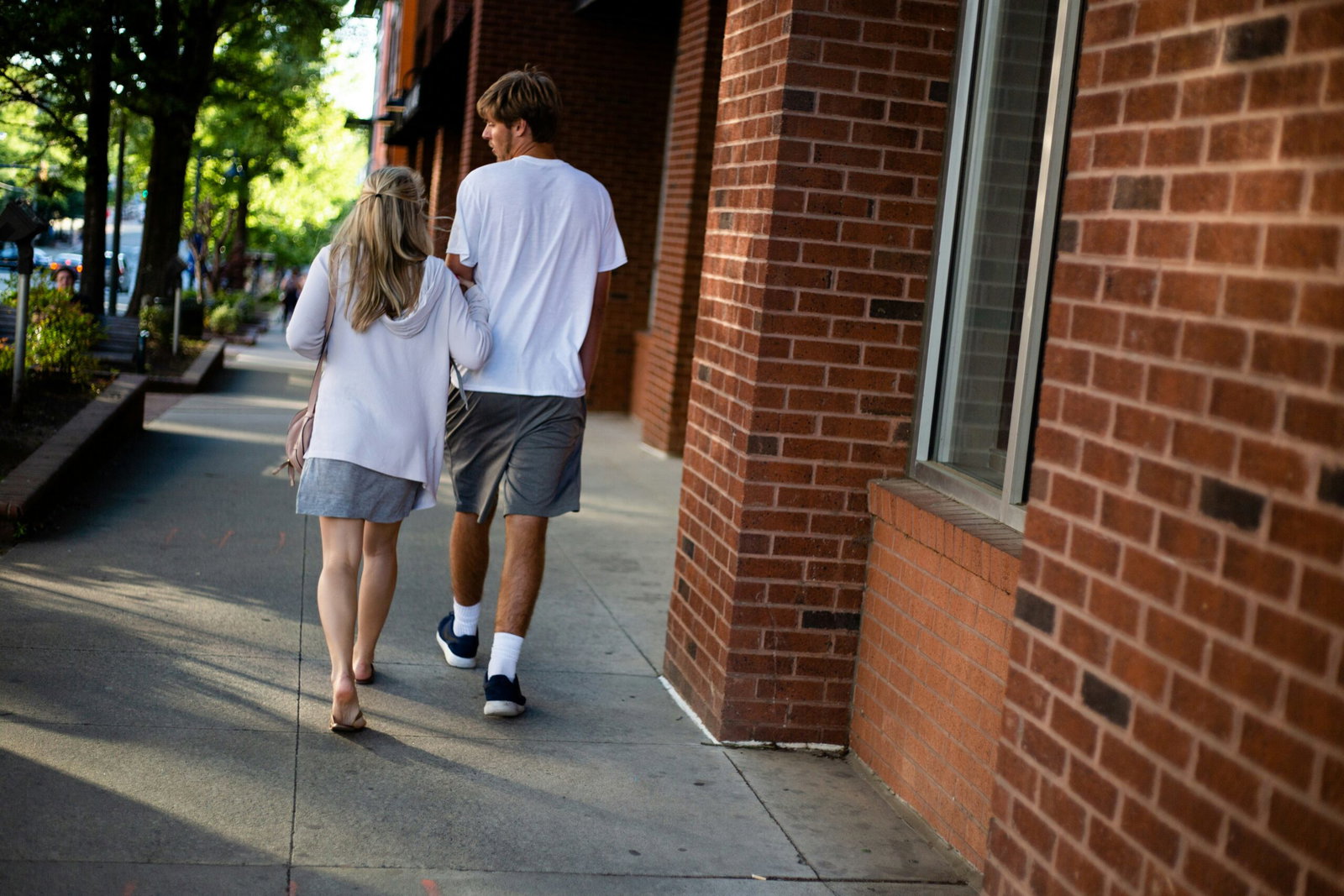
Spain expands free condom access to curb rising STI rates.
Photo Credit: Omar Roque / Unsplash
Following a ten-year high in STI diagnoses in the country, Spain’s Ministry of Health has announced the launch of a programme through which young people between the ages of 16 and 22 will be offered free condoms in local pharmacies. The initiative, which was announced on Monday by the Director General of Public Health of the Ministry of Health, Pedro Gullón, defines condoms as “a right” for young people.
A new announcement that aims to make condoms a ‘right’ to which young people are ‘entitled’
The initiative was announced in Madrid on Monday, June 8, as part of the Awareness and Update Day on Sexually Transmitted Infections, organised by the Ministry of Health. The plan not only aims to turn condoms into a basic right for young people, but plans to integrate them into daily life and normalise their use among teenagers and young adults, giving residents the assurance that they are available.
To be specific, Gullón highlighted that young people will be “entitled” to a box of condoms every set amount of time, using a monthly basis as an example.
3 million people to be reached with new initiative
This is not the first time Spain has launched an initiative that offers free condoms to young people, but according to Gullón, this edition of the launch is expected to reach some “three million people throughout Spain” and will make free condoms accessible in more pharmacies in the country. In order to carry out the initiative, the country will make a “purchase of condoms for all of Spain,” according to Gullón.
A bold move as condom price tags soar and STIs run rampant
The move is especially significant in today’s context, as condom prices have been surging across Europe, and gonorrhoea and syphilis are at an all-time high in Spain. As it stands, condoms are the only effective form of birth control that also protects against STIs and STDs.
This means that the usage of condoms by young and impressionable teens and young adults is not only a concern for teenage pregnancy and other health risks, but it is also a public health concern, especially ahead of peak season and the holiday partying culture in Spain.
This initiative also makes condoms more accessible for those who have limited resources, adding a safety net and peace of mind for those who want to avoid pregnancy and other health concerns that may arise from having unprotected sex.
activities for expats
86-year-old cyclist completes Camino de Santiago after heart attack and stroke
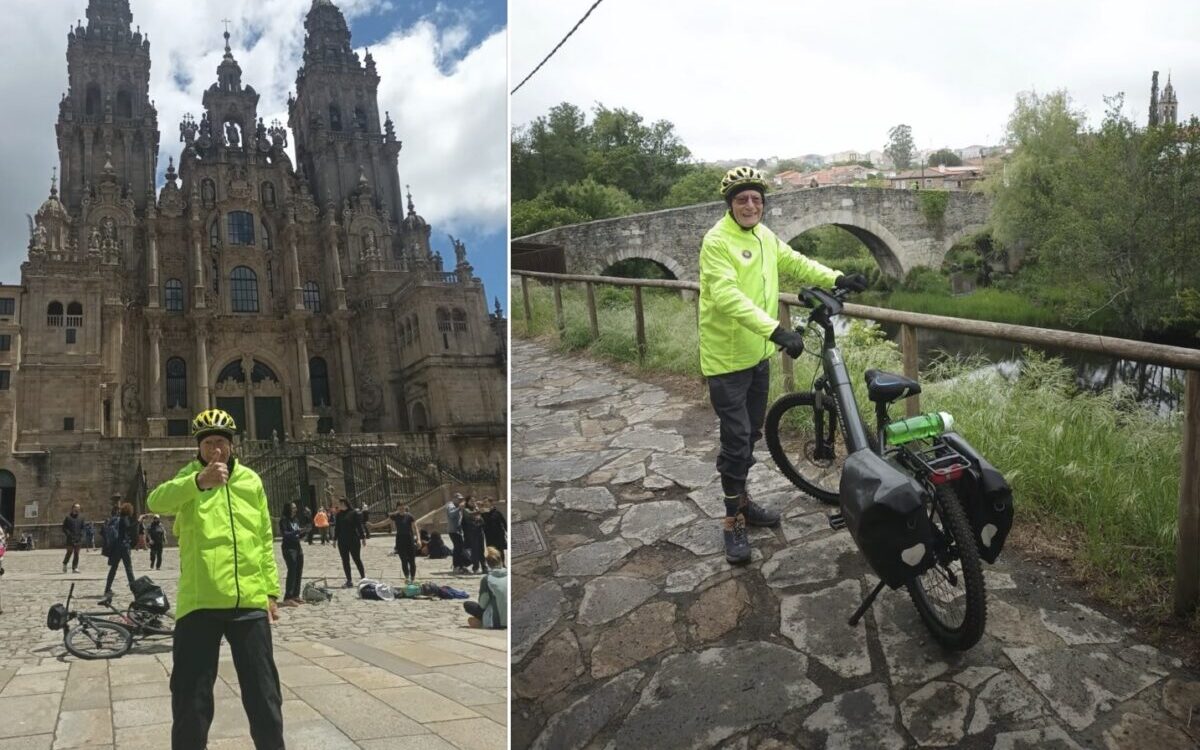
Dave, an 86-year-old expat living in Orihuela, Spain, who has been living the expat life since the 1980s, has completed the demanding Camino de Santiago cycling pilgrimage in memory of his late wife Angie, who had died from Covid soon after their 60th anniversary celebration.
The loss of Angie left Dave searching for purpose until an Age Concern bereavement group encouraged him to honour Angie through the route they once considered doing together.
Inspiration and rigorous preparation
Dave chose to cycle over 360 kilometres from Leon through mountains and forests as a personal tribute. Others had suggested an electric bike for safety on a journey that would cross some of the highest peaks in Spain.
He received his electric bike in November 2024 and spent six months training and riding 1,800 kilometres around the Vega Baja and Murcia regions. He shared live locations and photos with a support group and eventually logged a total of 5,000 kilometres in training over 19 months.
Setbacks and rescue on the Camino
Thick slimy mud caused Dave to fall with the heavy bike pinning him down early on the trail. Concerned pilgrims rushed over to free him and confirm he was not seriously hurt.
Chest pains and oxygen shortage struck Dave without warning halfway up the mountain near Cebreiro, a sign of a mild heart attack. Francisco, from a group of Brazilian pilgrims, stepped in to support his body and carry his bike to the summit. They provided water, rest and firm instructions before he continued to his hotel, where he slept for 14 hours.
Stroke recovery and test pilgrimage
A stroke ended up paralysing Dave in September and stripped away his ability to walk, talk or even write. Moroccan friends Laila and Aissa took him home for care after doctors agreed to release him. Thirty-two physiotherapy appointments over four months helped recovery, although another three falls required 17 stitches to his head and, as well, inclement weather postponed further cycling until October.
Dave then tackled the daunting 160-kilometre Camino de Caravaca de la Cruz in March 2026 to regain his self-confidence and give thanks for his recovery. Freezing winds, heavy rain, high narrow bridges without railings and long dark tunnels filled with water presented daily deadly obstacles that he eventually overcame successfully.
Final stage drama and emotional arrival
Heavy rain welcomed Dave back to the trail from Cebreiro on 12 May 2026. A rottweiler bit his leg on the opening mountain yet released its grip after the farmer laughed and intervened. Young Pau, another pilgrim from Barcelona, helped push the bike on steep sections while, later on, an articulated lorry clipped the panniers and sent Dave crashing once more to the tarmac with injuries to his hip and knee.
Forest trails, mud and slippery stream crossings dominated the final 60-plus kilometres. Dave followed a Dutch couple with reliable GPS to the cathedral plaza where emotion overwhelmed him completely. Tears flowed as the achievement erased memories of pain, stroke recovery struggles and earlier doubts about finishing.
Completion arrangements and quiet gratitude
Santiago de Compostela post office staff processed his rental bike for return to Leon in minutes after checking his passport and voucher. A taxi driver located the historic Via Lucis hostel within ten minutes, and Dave later was able to explore the city with renewed energy while his handwriting gradually improved noticeably. A Galician bagpipe band added festive local music to his stay.
Dave avoided the crowded cathedral service and chose instead a private moment in the hostel chapel to remember Angie. He warmly thanked every person who offered support through his bereavement, heart attack, stroke and multiple physical setbacks. Completion of the pilgrimage brought a profound sense of achievement after a prolonged period of uncertainty and rehabilitation.
Now, at 86, he’s considering another adventure: “Because El Cid passed my house on his way to Andalucia, I am looking at El Cid’s defence of the South Camino. 248 km starting in Valencia to Xativa, Villena, Sax, Montfort del Cid, Elche, Albatera, finishing in Orihuela.”
Dave has demonstrated that even the deepest feelings of bereavement are not the end for those left behind. He has achieved exactly what Angie would have wanted him to do – fight for life.
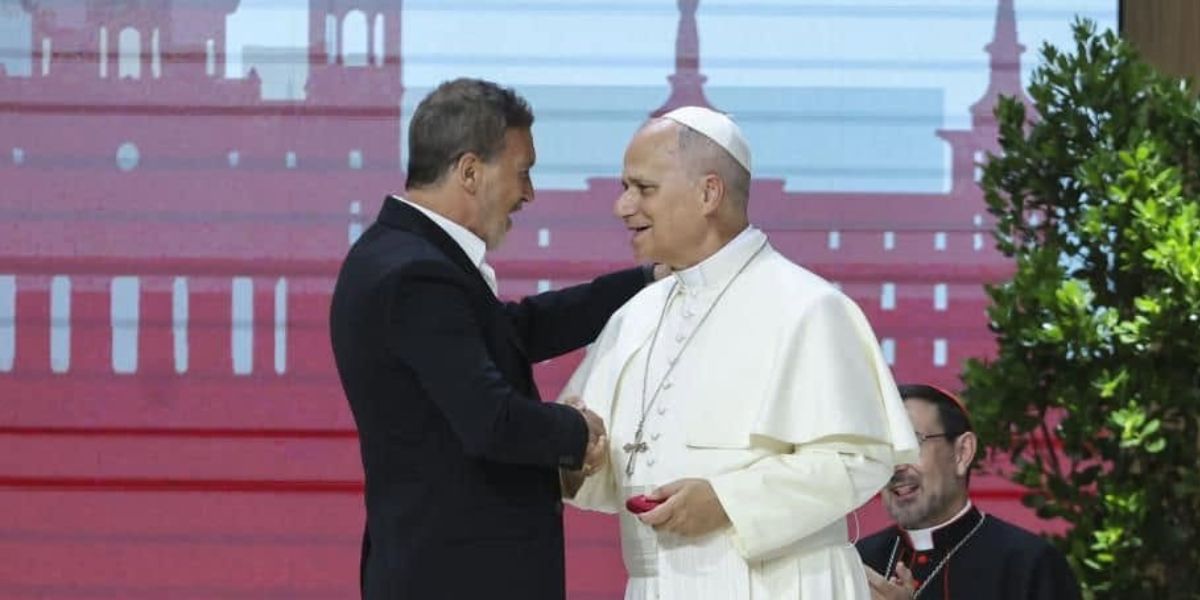
From Hollywood to Holy Week: Antonio Banderas meets Pope Leo XIV in Madrid.
Credit:Facebook/AntonioBanderas via VaticanMedia
Spanish actor Antonio Banderas has spoken passionately about the importance of Spain’s religious traditions during a high-profile meeting with Pope Leo XIV, describing Málaga’s famous Holy Week celebrations as a powerful blend of art, culture and devotion.
The Hollywood star addressed the pontiff during a special gathering in Madrid that brought together figures from the worlds of culture, sport, business and the arts. During his speech, Banderas reflected on his childhood experiences of Semana Santa in his hometown of Málaga, explaining how the annual processions first sparked his curiosity about faith.
Childhood memories of Málaga’s Holy Week
Banderas told Pope Leo that Spain’s Holy Week traditions are far more than religious ceremonies. He described them as public expressions of culture and community that fill streets with music, craftsmanship and emotion. According to the actor, witnessing the processions as a young boy led him to ask questions about God and spirituality that have remained with him throughout his life.
The actor has long been associated with Málaga’s Easter celebrations and regularly participates in the city’s processions. Earlier this year he joined Palm Sunday events in the Andalusian city, continuing a tradition he has maintained for more than two decades.
Pope’s visit celebrates Spain’s cultural heritage
The exchange took place during Pope Leo XIV’s historic visit to Spain, his first trip to the country as pontiff. The visit has drawn enormous crowds, with hundreds of thousands attending prayer vigils and more than a million people gathering for a major Mass in Madrid.
Banderas also used the occasion to highlight the role of artists in modern society, arguing that culture should encourage reflection, dialogue and understanding. He presented art as a force capable of challenging injustice and helping people connect in an increasingly fragmented world.
The actor’s comments complemented Pope Leo’s own message during the visit. The pontiff has repeatedly emphasised the importance of Europe’s Christian heritage, arguing that faith has played a central role in shaping the continent’s culture, education and institutions.
Fans were clearly wowed by the meeting, taking to social media to mark the moment. Adriana Chavez commented “What an incredible moment! Amazing!”, while Tessie Lebrun added “My idol movie actor, Antonio Banderas, with our belovedPope Leo XIV!! God bless you both!!”
For Banderas, the meeting offered an opportunity to showcase a side of Spain that extends beyond tourism and headlines: a country where centuries-old traditions continue to inspire new generations and remain deeply woven into local identity.
Oasis legend Bonehead spotted in Marbella and Malaga as fans track his Costa del Sol adventure
Experts warn of Spain drug shortages as a common everyday medicine runs out
Community, creativity and cuisine: Events to enjoy on the Costa Blanca this June


-

 Uncategorized1 week ago
Montoya vs Brundle BEEF, Newey
-

 Anthropic2 weeks ago
The IPOs Of SpaceX, OpenAI And Anthropic Threaten To Drive Wall Street To Bubble-Like Levels
-
 %2 weeks ago
Tourist Begs Police Not To Fine Her After Swimming In The Trevi Fountain During Heatwave
-

 New Developments2 weeks ago
Luxury Villas For Sale, Estepona – ProjectL1
-

 Foreign demand1 week ago
German Demand For Spanish Property Cools After A Strong Run
-
 Africa7 days ago
Europe Enters The ‘era Of Deportations’
-

 %2 weeks ago
Portugal Notifies Of Temporary Suspension Of EU Border Biometric Checks
-

 %2 weeks ago
The Rising Cost Of Finding Love