Connect with us

Costa del Sol

Brit couple arrested on the Costa del Sol after leaving kids to party, youngest allegedly tests positive for cocaine

Published

on

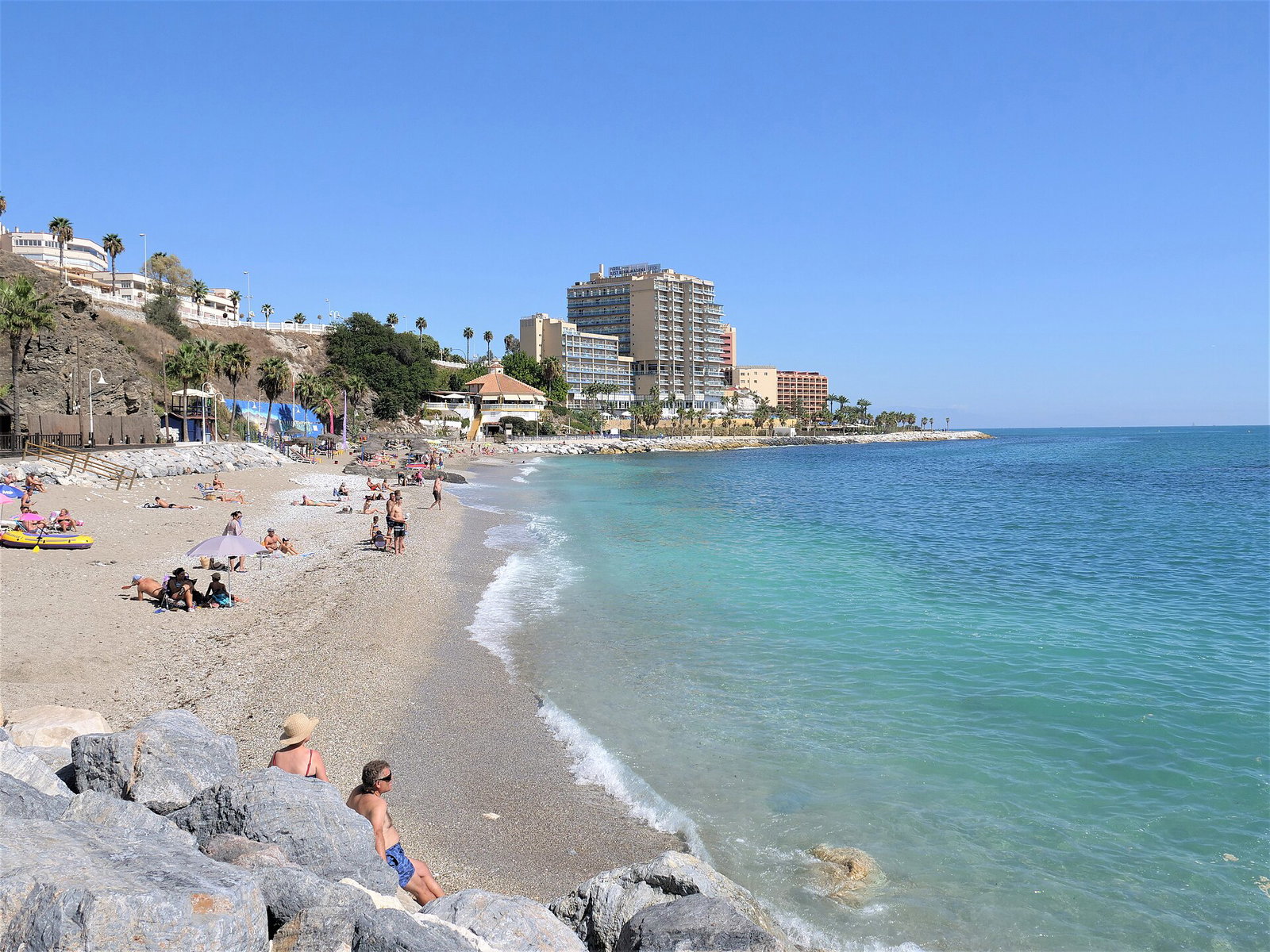
British parents arrested after children found alone in hotel room.
Photo Credit: Beata77 / Wikimedia Commons

A British couple holidaymaking in a Costa del Sol hotel have been arrested after allegedly leaving their three young children alone in the hotel to go out partying. According to local reports, the youngest of the children, a six-month-old baby, tested positive for cocaine.

‘Worrying’ situation: Hotel room a mess and three young children abandoned

According to sources close to the investigation, the situation the kids were found in was “worrying.” Reportedly, the hotel room was in disarray, and the eldest child, just four years old, was left to care for the two younger siblings while the father, aged 41, and the mother, aged 28, had gone out to party.

The hotel they were staying at, while it has not been named by sources or authorities close to the investigation, is a “very large hotel complex” located in the popular holiday hotspot of Benalmadena, in Malaga.

Children are now in temporary care and being checked in hospital

The three young children, aged four, two, and six months old, have been taken into temporary social services care in Spain, in Malaga’s Materno Infantil Hospital for medical check-ups. Local outlets report that the baby tested positive for cocaine, but police have not yet released a statement on the matter.

Parents of children taken into custody and awaiting trial

Local police have not yet revealed if they waited for the parents to return to the hotel before arresting them, or if they were located as they were out. They were allegedly apprehended in the early hours of Thursday, June 11. They are being held in custody on suspicion of child abandonment, according to a spokesman for the Spanish National Police.

Outlets close to the investigation also report that on Friday, June 12, the parents of the three young children are set to be taken to court for a first hearing before a judge, but this has also not been confirmed.

Child abandonment in Spain: A warning for parents and holidaymakers amid partying and drinking culture

The perturbing case comes as a reminder for holidaymaking tourists relaxing on the Costa del Sol’s beaches to properly look after young children in their care, amid other incidents of child abandonment as peak season comes into full swing and partying culture, increased alcohol consumption and rowdy holidaymakers multiply in popular tourist hotspots like Benalmadena on the Costa del Sol.


%

Fireworks Exploding In Spain As World Cup 2026 Begins

Published

on

fireworks-exploding-in-spain-as-world-cup-2026-begins

Expect loud bangs. Credit: Visit Valencia

Sitting at home and working quietly on the computer, and then the madness begins. Neighbours in southern Spain have started lighting fireworks at unusual hours, even though local bylaws forbid their use. Why? Another fiesta we expats didn’t remember? Are they celebrating the end of the academic year and the beginning of the school holidays? No. The FIFA World Cup has just kicked off with its opening ceremony at the historic Estadio Azteca.

Spain supporters feel the excitement and want to celebrate every goal and victory. Yet the sudden bangs and flashes catch people off guard in many places, especially in quiet villages.

World Cup excitement ramps up street celebrations

Spain’s first matches will draw big crowds to bars and homes across the country. Fans will celebrate with flags, songs and, in some places, untimely and rarely appropriate fireworks. Past tournaments showed similar scenes when the Spanish team did well. This time the pattern repeats itself early because the tournament starts in June. Villages will see small groups setting off rockets before, during and after matches, often without permission or the right safety measures.

Rules broken in many areas

Local councils across Andalucia and other regions already ban or restrict fireworks outside organised events. Police issue fines, yet enforcement stays patchy, as this is almost a cultural tradition. Individuals light bangers in the streets, fields and near homes anyway. Some argue culture allows it during big football moments. Others simply ignore the rules because they believe no one will stop them. And, most of the time, they are right. Reports from residents confirm the practice is spreading quickly, and will do even more once Spain takes to the pitch.

Noise disturbs expats on the coast

British residents living on the Costa del Sol and similar areas are already complaining about frequent fireworks at festivals. World Cup matches add extra nights of disruption. Loud explosions wake people at midnight or later. Some expats describe anxiety from the unpredictable bangs. Those with hearing issues or young children feel the stress most of all.

Pets and wildlife suffer

Dogs shake, bark or hide under furniture when the unexpected fireworks begin. Cats run away or refuse to eat for days. Vets in coastal towns see more stressed animals during peak football periods and during local fiestas. Birds nesting nearby tend to fly off in panic and sometimes abandon nests. Smaller wildlife such as hedgehogs and bats face a similar fright. The noise travels far in open countryside, affecting areas well beyond the village centre.

What to expect after Spain games

Spain’s group matches and any knockout games will likely bring fresh waves of celebrations. Fans will gather in squares and streets to watch on big screens. Once the final whistle blows, some turn to fireworks to celebrate wins. Losses may produce noisy displays, but tension still hangs around. Expats should prepare for several nights of noise around each Spain fixture.

Check local council websites for any temporary restrictions or exceptions during the tournament. Close windows and curtains early on match nights. Keep pets indoors with familiar blankets and music to mask sounds. Speak to neighbours calmly if displays seem excessive.

The World Cup brings joy for many, yet the extra fireworks create real problems for some residents, animals and the local environment.

Continue Reading

%

Manilva New Cat Stations And Fines

Published

on

manilva-new-cat-stations-and-fines

Manilva rolls out new cat colony signs and feeding stations as animal welfare explands across the town.

The Town Hall in Manilva have begun installing official identification signs, adapted feeding stations, and other facilities at authorised feline colonies. The Environment Department, led by Councillor Pilar Zuniga have implemented the upgrades in the hope of improving animal welfare and encouraging better coexistence between residents and community cats.

Fresh signage is being placed at recognised cat colonies, with improved equipment designed to create cleaner, healthier, and more orderly spaces. Town Hall officials say properly managed feline colonies help control cat populations in an ethical manner, reduce neighbourhood disturbances, and prevent litter caused by uncontrolled feeding.

CER programme supports population control

The CER programme, which stands for Capture, Neuter, and Return is the system used that enable authorities to manage the populations humanely while allowing cats to remain in their familiar surroundings.

Careful monitoring through the programme also supports animal health and welfare. Feeding points will be maintained in an organised condition, with only dry food permitted. These measures are intended to prevent food waste, discourage littering, and improve cleanliness in public spaces.

Volunteer caregivers recognised for their work

Around 40 authorised colony managers currently care for feline colonies throughout Manilva. Volunteers carry out feeding, health monitoring, and colony maintenance, providing an important public service without financial reward.

Residents have been asked to respect both the animals and the people who care for them. Sterilisation efforts help reduce behaviours linked to mating seasons, including noise and fighting. Cats also do their bit to contribute to natural pest control by limiting rodent and insect populations in certain areas.

Fines for unauthorised feeding and vandalism

Local regulations strictly prohibit residents from feeding cats outside approved colony locations. Only authorised caregivers may provide food within recognised colonies. Breaches of Spain’s national Animal Welfare Law 7/2023 can result in severe fines ranging from €500 to €10,000.

Manilva Town Hall has also warned that feeding stations, shelters, and signs form part of public property. Damage, theft, or vandalism affecting these facilities may lead to heavy sanctions under regional environmental legislation and Manilva’s local laws.

Continue Reading

%

Malaga Forced To Scrap Low-Emission Fines After Court Ruling

Published

on

malaga-forced-to-scrap-low-emission-fines-after-court-ruling

Entering Malaga’s low-emissions zone. Credit: EWN

Drivers on the Costa del Sol may soon see a benefit after a landmark court decision struck down key parts of Malaga’s controversial low-emissions zone. The court decision opens doors for potentially greater freedom of movement in city centres and surrounding areas. It may well develop into the end of low-emission zone fines altogether.

Court action targets discriminatory rules

Malaga city introduced its low emissions zone not six months ago, in December 2025, and it has led to a massive backlash from the public.

The council set up cameras and began fining vehicles from outside the city limits that lacked proper environmental labels. More than 14,000 fines reached drivers by April 2026, and each one carried a heavy €200 fine.

Judges at the Tribunal Superior de Justicia de Andalucia ruled that the scheme discriminated against non-residents of the city as it violated principles of free movement of people and goods as well as economic freedom. Local drivers escaped receiving fines, no matter what old smoke-chugging banger they were driving, while those from outside faced sanctions without justification other than they were from outside.

Malaga council now have 30 days to appeal to Spain’s Supreme Court. Many Costa del Sol residents hope this may be the beginning of the end for restrictive zones that penalise visitors and commuters from nearby towns where the cost of living is more reasonable.

Installation costs hit millions

Malaga spent a whopping €4.2 million on the highest-tech cameras, systems and setup for the zone. Part of this came from central government funds tied to other mobility funds exceeding €10 million. Critics say the focus was on enforcement over practical alternatives like improved public transport links, elements that help people rather than punish them.

Similar pressures exist elsewhere in Spain. National law requires zones in cities over 50,000 people to cut pollution. Madrid faced court battles over its own restrictions, with appeals and adjustments following a massive public backlash. Other Andalucian towns are watching developments closely.

Relief for Costa del Sol residents and businesses

People across Marbella, Torremolinos, Mijas and Fuengirola stand to gain the most from this. Marbella installed their systems long ago but have delayed activation. That way, they still qualify for European funds but don’t negatively affect local people and businesses. Torremolinos runs a very small zone that barely affects anyone. Local police in Mijas already manage traffic without full low-emissions rules even though they are paying lip service to the European Commission whose guidelines the government of Pedro Sánchez is following.

Business owners in Malaga centre have reported drops in passing trade from outside visitors. Removing barriers could revitalise footfall in shops, restaurants and services reliant on regional customers. Families will potentially regain easy access for daily needs and family visits without fear of fines.

If the Supreme Court upholds the decision of the Andalucia court, the repercussions could be massive and call into question the legality of low-emissions zones all over Europe.

Continue Reading

Trending

Copyright © 2017 Spanish Property & News