
News from Spain
Major concerns grow over why teenagers are risking lives for viral views

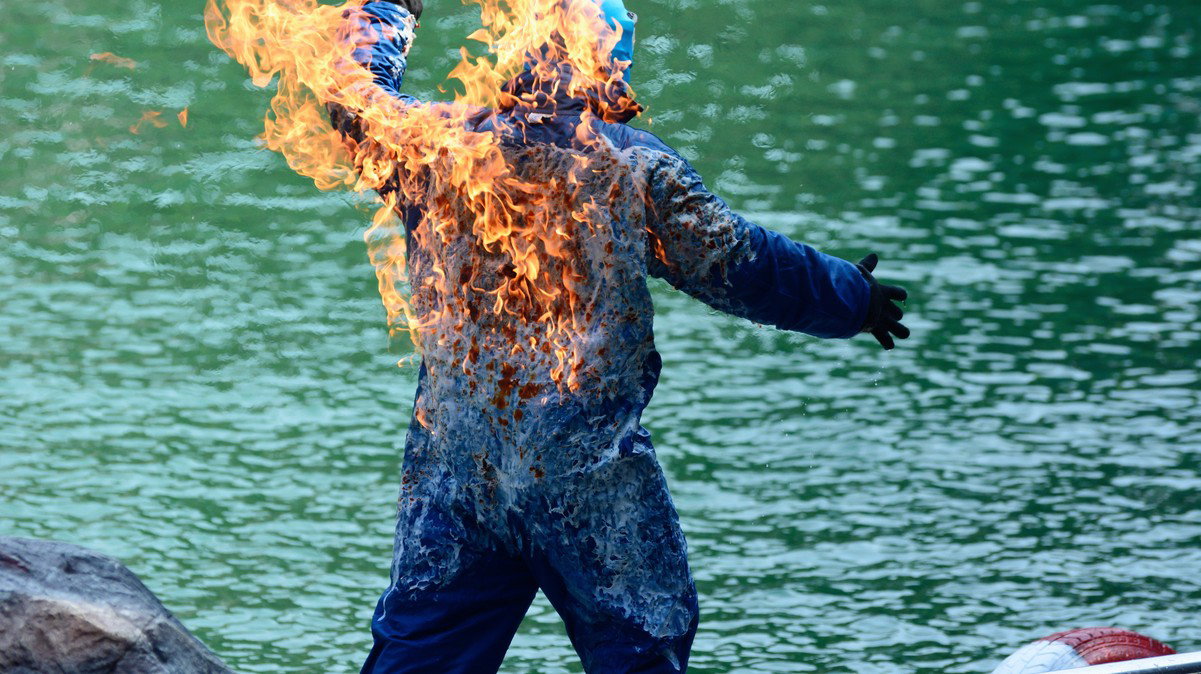
A worrying new viral trend involving fire has brought concern across Spain, forcing parents to look into the terrifying question, why are our teenagers risking their lives just to secure temporary fame on the internet?
The alarm bells rang after a stunt was exposed, where in the Port of Valencia, footage of a youngster was released that shows setting himself on fire before leaping from height into the sea. The clip exploded online, quickly racking up thousands of views as young people eagerly shared the life-threatening spectacle.
Public backlash to Valencia fire jumper, “Let Darwin Do His Job”
The public’s patience for this reckless behaviour is running dry. When Las Provincias published the story, the reaction from users on X (formerly Twitter) was swift, brutal, with no sympathy. The comments showed a society frustrated by teenagers chasing digital clout at the expense of public safety and emergency resources.
Local residents reacted bluntly to the footage, writing that it was simply a case of “natural selection,” a cold sentiment that was quickly backed up by fellow users.
Another commentator, argued that authorities shouldn’t even waste valuable resources intervening to save people from their own online stunts, stating, “I completely agree with letting Darwin do his job.”
One comment said “I’m very much in favour; this and balconing are a good way to get rid of people.” Meanwhile, an angry user expressed the exhaustion of the public, by simply writing, “Let all the idiots do it! Let there not be a single one left!!”
The ‘IShowSpeed’ celebrity effect and chase for fame
This “burning sea” craze is the latest stunt in a toxic online environment where teenage behaviour is heavily influenced by what they see others doing online and by what they see celebrity youtubers attempting. American streamer IShowSpeed, who is known for pulling off erratic stunts for millions of live viewers, such as dramatically jumping over speeding sports cars and also setting himself on fire and jumping into water, are giving the message to impressionable teenagers that the higher the danger, the bigger the audience.
Terrifying challenges over the years
Chroming – the inhalation of household chemicals such as aerosol deodorants, paint solvents or cleaning products to produce a brief euphoric effect.
Doctors warn that chroming can cause seizures, heart failure, organ damage and sudden death, even after a single use. The trend made international headlines following the death of several teenagers, including 13-year-old Australian girl Esra Haynes in 2023.
Balconing – Particularly familiar in Spain’s tourist hotspots, “balconing” involves jumping from hotel balconies into swimming pools or attempting to climb between balconies.
The phenomenon has caused numerous deaths and serious injuries over the years, particularly in destinations such as Mallorca and Ibiza. Despite repeated warnings from authorities, incidents continue to occur almost every summer.
The Blackout Challenge – Perhaps one of the most controversial social media trends of recent years, the Blackout Challenge encouraged participants to deliberately restrict their oxygen supply until losing consciousness.
Medical experts repeatedly warned that the practice could result in brain injury or death. Several families around the world have claimed the challenge contributed to the deaths of their children.
Train surfing – riding on the outside of moving trains, hanging from carriages or climbing onto roofs, which experiences random resurgences through social media videos.
Authorities across Europe and North America have linked the activity to numerous fatalities caused by falls, collisions and electrocution from overhead power lines.
Rooftopping – Popularised by some influencers and content creators, rooftopping involves climbing high buildings, cranes and structures to take photographs or videos.
Slightly different in that people who do this tend to be seeking dramatic images rather than thrills, the activity has resulted in multiple fatal falls worldwide trying to get the perfect shot for social media.
The Benadryl Challenge – This challenge encouraged participants to take excessive quantities of an antihistamine medication in an attempt to experience hallucinations.
Medical professionals warned that overdoses could lead to heart problems, seizures and death. The trend prompted public health alerts in several countries after a number of teenagers were hospitalised.
The Tide Pod Challenge – This one was treated on some occasions as an internet joke, the Tide Pod Challenge involved people biting into laundry detergent capsules and posting videos online.
Poison control centres reported spikes in exposures, and health officials warned of potentially serious respiratory and digestive injuries.
Why are teenagers taking part when they know its dangerous?
Psychologists point to the lethal cocktail of addictive algorithms and potential financial gain. Today’s social media platforms are built to reward shock value, pushing extreme content to the top of the feed. For teenagers, a video that goes viral represents a shot at instant algorithmic clout, follower growth, and potential monetisation. They are literally gambling their physical safety for digital metrics. The scale of this modern vulnerability is terrifying.
We did stupid things too, the difference was no one was filming
There is a danger in pretending previous generations were any wiser. Long before smartphones existed, teenagers were also daring each other to jump from stupidly high places, playing the so-called “pass-out game” and experimenting with fireworks. Many of those activities were dangerous enough that, had they been captured on camera and shared online, they could easily have become viral trends. The difference was that the reward rarely went beyond a few laughs and a story to tell at school the next day. Today’s teenagers are navigating the same appetite for risk, but in an exposed environment where attention has become measurable.
Movement against the addictive tech
The global pushback against toxic online culture stepped up a notch this week as the UK announced plans to restrict social media access for under-16s. Parents worried about the impact of social media on their teenager can speak to their GP, school safeguarding team, a child psychologist or youth mental health services. Experts say open conversations about online content and peer pressure remain one of the most effective ways to help young people navigate the digital world safely.








eviction shield fallout
Spain’s eviction shield fallout: Key warning for renters and landlords as court cases return

Eviction pressure is reaching front doors. Credit: Pressmaster / Shutterstock
Spain’s eviction shield has ended, and suspended rental cases are starting to move back towards court dates. The change affects vulnerable tenants, foreign residents and landlords in high-pressure areas, where rising rents and fewer affordable homes are leaving more families exposed.
How Spain’s eviction shield fallout is now reaching front doors
Spain’s housing crisis is no longer only about rising rents, property prices or political arguments in Madrid. For some households, it is becoming a court date.
The end of pandemic-era eviction protections has left vulnerable renters facing renewed uncertainty, especially in areas where rents have already moved far beyond many local wages. Cases that had been delayed under emergency measures can now return to the legal process, forcing families to prove vulnerability, seek social services reports and prepare for possible removal.
In Barcelona, one long-term rental case has drawn attention after a family that had lived in the same flat for years faced a new eviction date following financial difficulties and rent arrears. Housing activists delayed one attempted launch, but the case has become a visible example of what can happen when legal protection, high rents and limited alternative housing collide.
Why this is different from the squatter debate
Spain’s eviction debate is often pulled towards the issue of okupas, or squatters, and the frustration of property owners who say they have struggled to recover homes.
But not every eviction case is an occupation case. Many involve long-term tenants, unpaid rent, expired contracts, vulnerable families and disputes over whether the household has anywhere else to go.
That distinction matters for British residents, foreign homeowners and renters in Spain. The end of the shield does not allow landlords to bypass the courts. Nor does it mean vulnerable tenants have no rights. It does mean some protections that froze or slowed the process have weakened, leaving more pressure on judges, councils and social services to decide what happens next.
How delayed cases are moving back into the legal system
The measure at the centre of the latest concern was Spain’s escudo social, or social shield, introduced during the pandemic to protect vulnerable households without alternative accommodation.
A February decree would have extended certain eviction suspensions until December 31, 2026. Congress rejected the package, and the repeal was later published in the BOE, the Boletín Oficial del Estado, or Spanish State Gazette.
Supporters argued the shield was needed to prevent vulnerable families from falling into homelessness. Opponents said it placed too much pressure on property owners and created confusion between genuine hardship cases and occupation.
For households affected, it can mean updated paperwork, legal appointments, social services assessments and the fear that a launch date may return.
Why Cataluña and the Costas show the pressure building
Cataluña remains one of the clearest pressure points. Official figures from the CGPJ, the Consejo General del Poder Judicial, or General Council of the Judiciary, recorded 25,540 property launches across Spain in 2025.
Most were linked to rental cases under the LAU, the Urban Leasing Law. Cataluña accounted for 6,814 launches, more than a quarter of the Spanish total, including 5,025 linked to rental proceedings.
The rent burden is also severe. Official Idescat data placed Barcelona’s average monthly rent at €1,134.61 in 2025, while the Cataluña average reached €884.19 in the final quarter of the year.
The same squeeze is becoming visible in other ways along the Costas. In Málaga, local reports have described growing numbers of people living in motorhomes, vans and caravans around areas including Teatinos, Sacaba and the Martín Carpena. Some are working residents who say normal rents are no longer within reach.
That is the wider housing warning. Some families are fighting to stay in their homes through the courts, while others are being pushed out of the ordinary rental market before a legal case ever begins.
How renters can reduce the risk before a launch date
Anyone receiving eviction papers in Spain should act before the final launch date.
The first step is to contact local social services and request a written vulnerability assessment if hardship applies. Renters should also keep copies of the rental contract, payment records, burofax letters, court papers, employment documents, medical documents and any written communication with the landlord.
If the owner may be a gran tenedor, or large housing holder, legal advice is especially important. Under Spain’s Housing Law, some cases involving large holders may require mediation or conciliation steps before the court process can continue.
Foreign residents who rent in Spain should be particularly careful with paperwork. Court notices, official letters and social services reports carry legal weight. Informal promises, verbal agreements or delayed responses can become costly once a launch date is active.
The next warning sign will be whether more delayed cases begin surfacing in high-pressure rental areas such as Barcelona, Madrid, Málaga, Valencia and the Balearic Islands. Spain’s eviction shield may have ended in parliament, but for affected renters, the consequences are now arriving at home.
mosquito alert
Andalucía mosquito surge puts homes on West Nile alert as 400 health agents are deployed
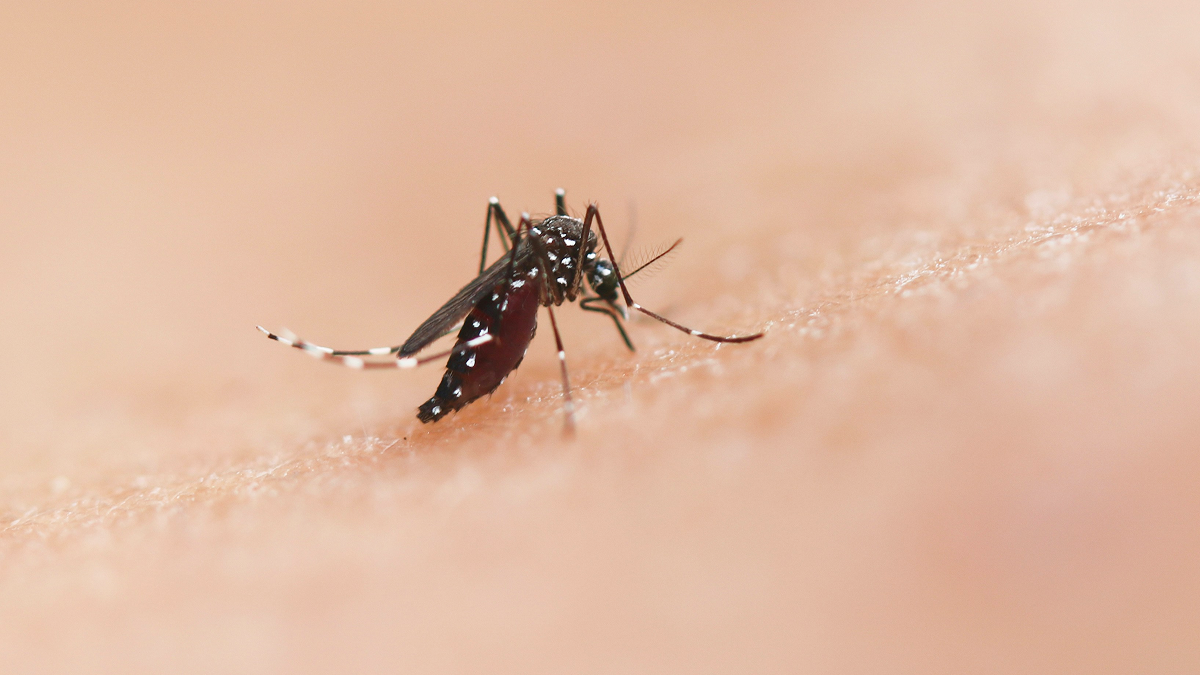
Summer nights are already buzzing. Credit: NIAID / Unsplash
Mosquito season is already disturbing homes across Andalucía, while the Junta has deployed 400 public health agents to help councils control West Nile virus risk. No human cases have been detected so far in 2026, but rising mosquito densities mean prevention now matters before peak summer arrives.
How rising mosquito numbers are turning a public-health warning into a household problem
Andalucía has deployed 400 public health agents across the region to support town halls with mosquito surveillance and control as the high-risk summer period for West Nile virus begins.
The Junta de Andalucía said the agents are advising municipalities on local prevention plans, checking whether councils are acting according to their risk level, and reviewing municipal vector-control plans, known in Spanish as Planes Municipales de Vigilancia y Control Vectorial (PMVCV). Since March, inspectors have carried out 759 checks in 164 municipalities and reviewed drains or control points in 87 towns.
For residents, this is not just an administrative health campaign. It is about sleep, gardens, terraces, holiday homes, outdoor meals and evenings near water, especially in areas where mosquitoes are already being trapped in large numbers.
A recent Reddit discussion on r/askspain captured the mood among people already feeling the season bite. One user wrote: “No he pegado ojo en toda la noche” – “I haven’t slept a wink all night” — while others suggested window screens, plug-in repellents, fans, and avoiding stagnant water. Another commenter living in a coastal urbanisation said watered lawns were “paradise for mosquitos.”
Why no confirmed West Nile cases does not mean no summer risk
The Junta said no human West Nile fever cases had been diagnosed in Andalucía so far this year. Laboratory checks had been carried out on 165 users, with arbovirus screening in 61 viral meningitis cases. Mosquito samples from 137 traps had also tested negative, and no cases had been confirmed in 121 wild birds or horses.
But the same update reported a progressive rise in mosquito densities. In La Puebla del Río, Sevilla, traps at Brazo del Este captured more than 10,000 female mosquitoes from transmitting species, while Cañada de los Pájaros recorded 3,500. Elevated densities were also reported the previous week in Roquetas de Mar, Almería, and Sanlúcar de Barrameda, Cádiz.
That distinction matters. A negative virus result today does not remove the risk created by warm weather, standing water and growing mosquito populations. Spain’s Ministry of Health said the 2025 West Nile season included 45 locally acquired human cases in Spain, five of them linked to exposure in Andalucía, with activity usually running from May to November and risk higher in late summer and early autumn.
How West Nile virus spreads and who faces the greatest danger
West Nile virus is mainly linked to Culex mosquitoes, especially species such as Culex pipiens and Culex perexiguus. The virus circulates naturally between birds and mosquitoes, while humans and horses can be infected after mosquito bites but are generally considered dead-end hosts.
Most people infected do not become ill. The European Centre for Disease Prevention and Control (ECDC) says around 80 per cent of human infections are asymptomatic, while older people and immunocompromised people face a higher risk of serious neuroinvasive disease.
Symptoms that should not be ignored include fever, meningitis-like symptoms, encephalitis, unusual confusion, severe headache or neurological signs, especially after mosquito exposure in a risk area.
How tiger mosquito concerns are widening the summer health watch
The public conversation often mixes ordinary mosquitoes, West Nile vectors and tiger mosquitoes, but the risks are not identical.
The Junta has also added tiger mosquito surveillance to its vector-control strategy because Aedes albopictus, known as the tiger mosquito, can transmit dengue, chikungunya and zika in certain circumstances. In March, Andalucía said 17 dengue cases, 14 chikungunya cases and seven suspected zika cases had been diagnosed in 2025, all imported by people who had travelled abroad.
Health officials said the concern is that imported cases, favourable environmental conditions and the presence of tiger mosquitoes can create the ingredients for local transmission if prevention fails.
How homes, gardens and terraces can reduce mosquito breeding
Official advice remains practical and local. Andalucía’s emergency agency recommends avoiding stagnant-water areas, emptying water from containers, using repellents, wearing light-coloured long sleeves and trousers, fitting mosquito screens and using domestic insecticides where appropriate.
The Servicio Andaluz de Salud (Andalucian Health Service) has also urged people to prevent water build-up in pots, buckets, animal drinkers and other domestic or garden containers, because these spaces encourage mosquito proliferation. It also recommends checking that repellents are authorised and suitable for the person using them.
The US Centers for Disease Control and Prevention (CDC) gives similar advice for West Nile prevention: there is no licensed human vaccine or medicine to prevent the disease, so protection relies on preventing bites, using screens, wearing long loose clothing and avoiding exposure at times when West Nile-spreading mosquitoes are most active.
For households in Andalucía, the most useful checks are often the least dramatic: plant saucers, outdoor drains, neglected buckets, inflatable pools, pet bowls, roof terraces, irrigation leaks and holiday homes left closed for days.
How residents can follow the risk without waiting for a local outbreak
The next useful signs to watch are the Junta’s weekly mosquito-trap updates, any municipal notices on larvicide or adult mosquito treatments, and local health alerts if virus circulation is detected in mosquitoes, birds, horses or humans.
The nuisance of our buzzing friends is already visible in homes and online conversations. The public-health risk is being watched before it becomes a bigger story.


El Escándalo Del Banco Master En Brasil Golpea A Un Líder Del Partido De Los Trabajadores Cercano A Lula
KEY POINTS: What Changes About Life In Spain In July 2026
Pedreguer hosts free summer concert featuring Vicent Buigues and Cor de Sant Bonaventura

Peru’s Roberto Sánchez And Keiko Fujimori Urge Caution As Vote Count Continues In Very Tight Presidential Election

Spain, A Country Of 50 Million People With Infrastructure For 40 Million: ‘The Cracks Are Starting To Show’
A Journey Through The Ages Of Soccer In The United States


-
 Alberto Fujimori1 week ago
Peru’s Roberto Sánchez And Keiko Fujimori Urge Caution As Vote Count Continues In Very Tight Presidential Election
-
 Barcelona2 weeks ago
Spain, A Country Of 50 Million People With Infrastructure For 40 Million: ‘The Cracks Are Starting To Show’
-
David Beckham2 weeks ago
A Journey Through The Ages Of Soccer In The United States
-
Costa del Sol2 weeks ago
Marbella releases full beach rules for Noche de San Juan bonfires in 2026
-

 Arthur Miller2 weeks ago
The Enduring Fascination With Marilyn Monroe: The Actress’s Lipsticks, Bras And Frying Pans Fetch $2 Million At Auction
-
Latest2 weeks ago
Today In Spain: A Roundup Of The Latest News On Friday
-
Latest2 weeks ago
Inside Spain: How Drinking Is Becoming An Old Man’s Game
-
Almeria2 weeks ago
Balerma ranks as Spain’s most exposed location to tsunami from Averroes fault