
mosquito alert
Andalucía mosquito surge puts homes on West Nile alert as 400 health agents are deployed

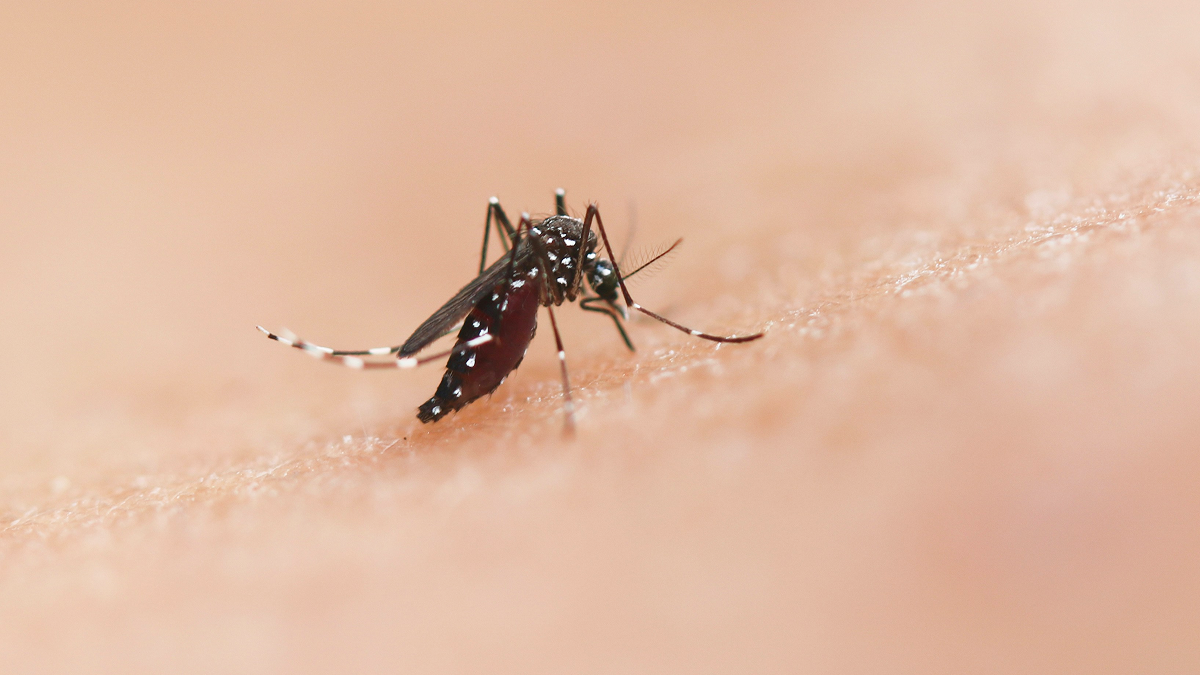
Summer nights are already buzzing. Credit: NIAID / Unsplash
Mosquito season is already disturbing homes across Andalucía, while the Junta has deployed 400 public health agents to help councils control West Nile virus risk. No human cases have been detected so far in 2026, but rising mosquito densities mean prevention now matters before peak summer arrives.
How rising mosquito numbers are turning a public-health warning into a household problem
Andalucía has deployed 400 public health agents across the region to support town halls with mosquito surveillance and control as the high-risk summer period for West Nile virus begins.
The Junta de Andalucía said the agents are advising municipalities on local prevention plans, checking whether councils are acting according to their risk level, and reviewing municipal vector-control plans, known in Spanish as Planes Municipales de Vigilancia y Control Vectorial (PMVCV). Since March, inspectors have carried out 759 checks in 164 municipalities and reviewed drains or control points in 87 towns.
For residents, this is not just an administrative health campaign. It is about sleep, gardens, terraces, holiday homes, outdoor meals and evenings near water, especially in areas where mosquitoes are already being trapped in large numbers.
A recent Reddit discussion on r/askspain captured the mood among people already feeling the season bite. One user wrote: “No he pegado ojo en toda la noche” – “I haven’t slept a wink all night” — while others suggested window screens, plug-in repellents, fans, and avoiding stagnant water. Another commenter living in a coastal urbanisation said watered lawns were “paradise for mosquitos.”
Why no confirmed West Nile cases does not mean no summer risk
The Junta said no human West Nile fever cases had been diagnosed in Andalucía so far this year. Laboratory checks had been carried out on 165 users, with arbovirus screening in 61 viral meningitis cases. Mosquito samples from 137 traps had also tested negative, and no cases had been confirmed in 121 wild birds or horses.
But the same update reported a progressive rise in mosquito densities. In La Puebla del Río, Sevilla, traps at Brazo del Este captured more than 10,000 female mosquitoes from transmitting species, while Cañada de los Pájaros recorded 3,500. Elevated densities were also reported the previous week in Roquetas de Mar, Almería, and Sanlúcar de Barrameda, Cádiz.
That distinction matters. A negative virus result today does not remove the risk created by warm weather, standing water and growing mosquito populations. Spain’s Ministry of Health said the 2025 West Nile season included 45 locally acquired human cases in Spain, five of them linked to exposure in Andalucía, with activity usually running from May to November and risk higher in late summer and early autumn.
How West Nile virus spreads and who faces the greatest danger
West Nile virus is mainly linked to Culex mosquitoes, especially species such as Culex pipiens and Culex perexiguus. The virus circulates naturally between birds and mosquitoes, while humans and horses can be infected after mosquito bites but are generally considered dead-end hosts.
Most people infected do not become ill. The European Centre for Disease Prevention and Control (ECDC) says around 80 per cent of human infections are asymptomatic, while older people and immunocompromised people face a higher risk of serious neuroinvasive disease.
Symptoms that should not be ignored include fever, meningitis-like symptoms, encephalitis, unusual confusion, severe headache or neurological signs, especially after mosquito exposure in a risk area.
How tiger mosquito concerns are widening the summer health watch
The public conversation often mixes ordinary mosquitoes, West Nile vectors and tiger mosquitoes, but the risks are not identical.
The Junta has also added tiger mosquito surveillance to its vector-control strategy because Aedes albopictus, known as the tiger mosquito, can transmit dengue, chikungunya and zika in certain circumstances. In March, Andalucía said 17 dengue cases, 14 chikungunya cases and seven suspected zika cases had been diagnosed in 2025, all imported by people who had travelled abroad.
Health officials said the concern is that imported cases, favourable environmental conditions and the presence of tiger mosquitoes can create the ingredients for local transmission if prevention fails.
How homes, gardens and terraces can reduce mosquito breeding
Official advice remains practical and local. Andalucía’s emergency agency recommends avoiding stagnant-water areas, emptying water from containers, using repellents, wearing light-coloured long sleeves and trousers, fitting mosquito screens and using domestic insecticides where appropriate.
The Servicio Andaluz de Salud (Andalucian Health Service) has also urged people to prevent water build-up in pots, buckets, animal drinkers and other domestic or garden containers, because these spaces encourage mosquito proliferation. It also recommends checking that repellents are authorised and suitable for the person using them.
The US Centers for Disease Control and Prevention (CDC) gives similar advice for West Nile prevention: there is no licensed human vaccine or medicine to prevent the disease, so protection relies on preventing bites, using screens, wearing long loose clothing and avoiding exposure at times when West Nile-spreading mosquitoes are most active.
For households in Andalucía, the most useful checks are often the least dramatic: plant saucers, outdoor drains, neglected buckets, inflatable pools, pet bowls, roof terraces, irrigation leaks and holiday homes left closed for days.
How residents can follow the risk without waiting for a local outbreak
The next useful signs to watch are the Junta’s weekly mosquito-trap updates, any municipal notices on larvicide or adult mosquito treatments, and local health alerts if virus circulation is detected in mosquitoes, birds, horses or humans.
The nuisance of our buzzing friends is already visible in homes and online conversations. The public-health risk is being watched before it becomes a bigger story.






Pedreguer hosts free summer concert featuring Vicent Buigues and Cor de Sant Bonaventura
Periana in mourning after British three-year-old dies in pool tragedy
Benissa’s Festival SONE returns with four nights of free open-air concerts this July

Peru’s Roberto Sánchez And Keiko Fujimori Urge Caution As Vote Count Continues In Very Tight Presidential Election

Max Verstappen F1 future hangs in the balance as three teams block 2027 rule changes

Spain, A Country Of 50 Million People With Infrastructure For 40 Million: ‘The Cracks Are Starting To Show’


-
 Alberto Fujimori1 week ago
Peru’s Roberto Sánchez And Keiko Fujimori Urge Caution As Vote Count Continues In Very Tight Presidential Election
-
 Uncategorized2 weeks ago
Max Verstappen F1 future hangs in the balance as three teams block 2027 rule changes
-
 Barcelona2 weeks ago
Spain, A Country Of 50 Million People With Infrastructure For 40 Million: ‘The Cracks Are Starting To Show’
-
David Beckham2 weeks ago
A Journey Through The Ages Of Soccer In The United States
-
Latest2 weeks ago
Today In Spain: A Roundup Of The Latest News On Friday
-
Costa del Sol2 weeks ago
Marbella releases full beach rules for Noche de San Juan bonfires in 2026
-
 Arthur Miller2 weeks ago
The Enduring Fascination With Marilyn Monroe: The Actress’s Lipsticks, Bras And Frying Pans Fetch $2 Million At Auction
-
Latest2 weeks ago
Inside Spain: How Drinking Is Becoming An Old Man’s Game