Airport refusal
Damaged UK passport rules and risks. When can you be turned away at the airport


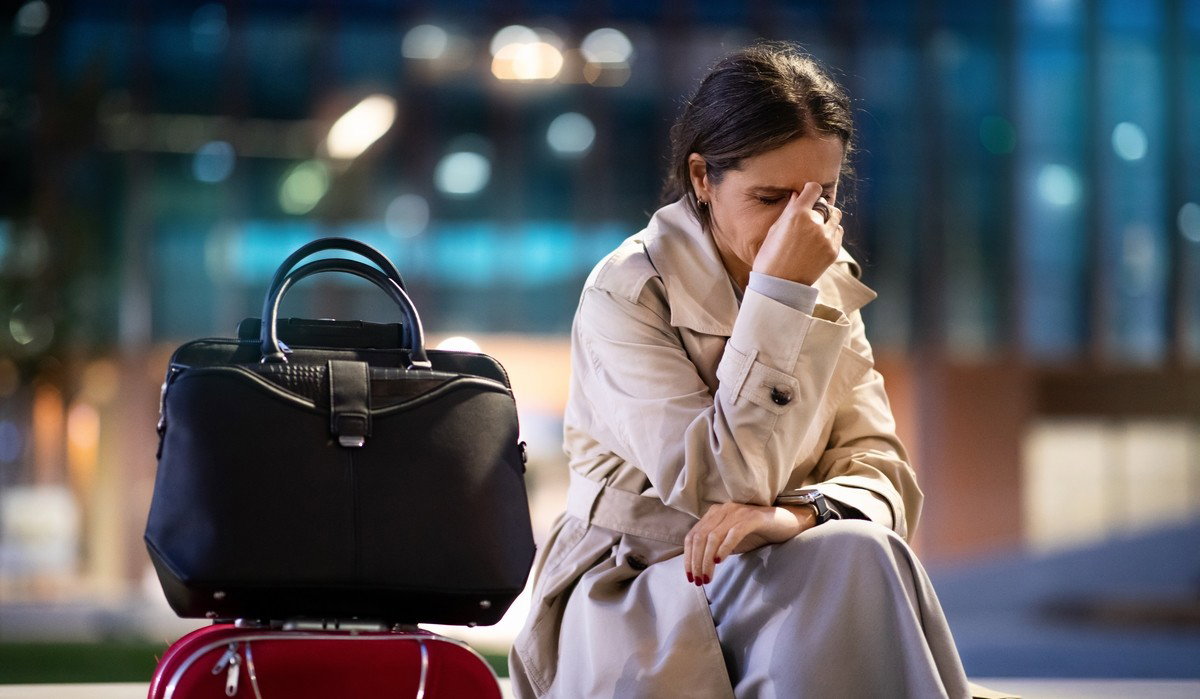
Risk of being turned away at airport due to passport damage
Credit: Prostock-studio/shutterstock
A growing number of UK passengers are risking being turned away at airports due to damaged passports, with airlines enforcing strict rules that many travellers would not expect.
Official guidance from the UK Government is that a passport MUST be replaced if it is damaged to the point that it cannot be used as proof of identity. This includes issues such as torn pages, water exposure, detached covers, or markings that make personal details difficult to read. This may appear straightforward, but the reality is at the airport this may not be as clear cut as it sounds.
What counts as passport damage?
Passport damage is not just the obvious destruction, it includes anything that could interfere with identification or security checks. For travellers, this means even small imperfections, smudges, creases, or slight tears can become an issue if they affect readability or raise suspicion. The lack of a precise definition means passengers could be left guessing whether their passport will be accepted until they reach the airport.
The confusion of airline rules vs border control Rules
Airlines and border control authorities operate under different pressures. Airlines take the hit of the financial cost if a passenger is refused entry after check in, so they tend to apply stricter standards before departure. This annoyingly does mean you could be denied boarding even if your passport might technically be accepted by immigration officials at your destination, making the airline check-in desk the first critical hurdle.
What types of damage can get you denied
Certain types of damage are far more likely to lead to refusal. Passports with torn or missing pages, water damage, or marks that obscure personal details are considered high risk. Damage to the biometric page or chip is particularly serious. For travellers, this means that what might seem like minor wear can quickly become a reason for denial if it affects key information or security features.
Real case of travelers turned away
A British family had their holiday to Spain cancelled after a small tear in a passport led to a passenger being denied boarding at the airport.
The incident involved the Burton family, who were due to fly from East Midlands Airport to Alicante for a winter break. However, their trip was stopped at the gate when airline staff noticed a 1cm tear in 19-year-old Jake Burton’s passport
What to do if your passport is damaged
If there is any doubt about the condition of your passport, the safest option is to replace it before travelling. Attempting to fly with a questionable document can result in being turned away at the airport. Even though the hassle and cost of replacing the passport will be frustrating, the risk of being turned away is likely to cause more inconvenience and a higher price to pay
Replacement options and timelines
The HM Passport Office offers several replacement services, including standard processing, fast-track options that take around a week, and premium same-day appointments. Understanding these timelines is crucial, especially when travel dates are close. Check your passport as early as possible to avoid additional fast tracking costs.
The issue is particularly important as peak travel periods approach. Airports are handling higher volumes of passengers with checks likely to become stricter increasing the chances of damaged documents being flagged. The takeaway is, if your passport shows any sign of damage, replacing it is the safest choice. It may seem like an inconvenience, but it is far less costly than being turned away at the airport.