%
Decathlon Shoppers Told To Stop Using Sports Bottle That May Release Aluminium Into Drinks
Owners have been told to stop using the bottle straight away. Credit: Mo Photography Berlin / Shutterstock
Anyone who’s been filling up an 800ml Vital Sport aluminium bottle bought through Decathlon in the last 14 months should stop using it straight away. The bottle may release aluminium into whatever’s inside it, and the barcode is the quickest way to tell whether yours is one of them.
Buyers told to stop using the bottle immediately
Shoppers who picked up the Vital Sport aluminium bottle, an 800ml sports bottle with a safety cap, have been told to stop using it immediately as it’s been withdrawn from sale over a risk of the metal moving from the bottle into the drink.

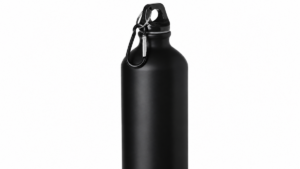
The warning was flagged by FACUA-Consumidores en Acción, the Spanish consumer rights organisation, on Tuesday November 10, which said the aluminium released into the contents could be harmful to people’s health.
The bottles affected were sold between Friday August 1 2025 and Thursday October 1 2026. So anyone who’s bought one in the past year or so could well still be reaching for it today, whether that’s at the gym, on the bike or at their desk.
Check the barcode on yours
The bottle to look for carries the EAN code 8437021197198 under the barcode. If the numbers match, it’s one of the bottles affected.
Vital Sport isn’t one of Decathlon’s own in-house brands, though. Its bottles have been listed on Decathlon’s online marketplace, where independent sellers trade through the retailer’s website, and the withdrawal notice names Soluciones Técnicas 2000 SL as the business that detected the safety problem.
Owners are being asked to contact the company at administracion@soltec2000.es for information on the withdrawal and how each case will be handled. The notice doesn’t mention refunds, and it doesn’t say whether any of the bottles were sold in Decathlon’s shops either.
Why aluminium in your drink is a concern
Neither Decathlon nor the seller has explained what went wrong with the bottle or how much aluminium could end up in a drink.
Aluminium bottles are normally coated on the inside so the liquid never actually touches bare metal. A good bit of info to know is that acidic drinks pull far more metal out than plain water does, which matters for anyone filling up with fruit juice, lemon water or many sports drinks.
The body holds on to aluminium, which is why the European Food Safety Authority (EFSA) sets its safe limit as a weekly one: 1mg for every kilo of body weight. It’s also said many Europeans may already go over that through their normal diet, with children and young people the most exposed, before a drinks bottle adds anything at all.
Animal studies have linked high exposure to effects on the nervous system, although EFSA said it didn’t consider aluminium in food to be a risk for Alzheimer’s disease.
Now, researchers at Germany’s Hessian State Laboratory found in their worst-case scenarios that tea kept in an aluminium bottle could be enough to take a small child weighing 15kg past that weekly limit. Those tests weren’t carried out on this bottle, but they show why a faulty one isn’t something to shrug off.
What to do if you’ve got one at home
First of all stop filling it, even with plain water, until you’ve heard back from the seller. The notice also asks people to pass the warning on to family and friends, particularly if the bottle was given as a present, lent out or sold on second-hand. Sports bottles are an easy thing to hand down, so it’s worth a quick message to anyone who might have ended up with yours.
Those who bought online should dig out their order confirmation before emailing, as it’ll show exactly when the bottle was bought and who sold it. It’s the latest in a run of product withdrawals in Spain this autumn, after an urgent recall of a children’s mouthwash in September and teeth whitening products found to be far over the legal peroxide limit in October.
Anyone with one of these bottles at home should put it aside today and email the seller to find out how the withdrawal will be handled for them.