Costa Blanca North
First turtle eggs of 2026 found on Dénia beach as famous loggerhead returns
The first sea turtle eggs of the 2026 nesting season have been laid on a beach in Dénia after a well-known loggerhead turtle named Diana returned to the Costa Blanca for a third consecutive year.
The female loggerhead turtle (Caretta caretta), already familiar to conservation teams after previous nesting visits, was identified after coming ashore to lay eggs on Marineta Cassiana beach. Her return marks the official start of the sea turtle nesting season in the Valencian Community and is being seen as another encouraging sign for marine conservation efforts along the Mediterranean coast.
Diana’s remarkable return
Diana first captured the attention of wildlife experts when she nested in Dénia in 2023. Since then, she has become one of the most closely monitored sea turtles in the region thanks to a microchip that allows researchers to identify her whenever she returns.
Last year she made headlines after laying multiple nests along the Dénia coastline, helping to reinforce the area’s growing importance as a nesting site for loggerhead turtles. Earlier this month, several young turtles hatched from Diana’s 2025 nests were released back into the Mediterranean following months of care and monitoring.
The latest nesting event is believed to be the first recorded clutch of eggs on Dénia’s beaches this summer, giving conservation teams an early boost as they prepare for another busy season.
Why Dénia is becoming a turtle hotspot
Marine scientists say the number of loggerhead turtles nesting on Spain’s Mediterranean coastline has increased significantly in recent years.
According to conservation organisations, rising sea temperatures and changing environmental conditions are encouraging more turtles to choose western Mediterranean beaches for nesting. Dénia has emerged as one of the most important locations in the Valencian Community, with repeated visits from turtles such as Diana highlighting the area’s suitability for breeding.
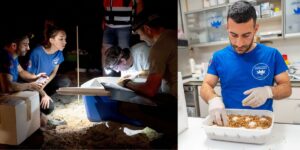
When nests are discovered, specialists carefully assess the site and may relocate some eggs to protected areas or controlled incubation facilities to maximise survival rates. The process involves collaboration between environmental authorities, researchers and conservation groups.

What beachgoers should do
Authorities are reminding residents and visitors to stay alert during nesting season.
Anyone who spots a sea turtle on the beach, fresh turtle tracks in the sand or a possible nest should avoid approaching the animal and immediately call 112. Early reporting allows specialists to activate protection measures and give both the mother turtle and her eggs the best chance of survival.
For now, all eyes will be on Diana once again, as experts wait to see whether the famous loggerhead returns to Dénia’s shores later this summer to lay more eggs.