Police detained four people at Bilbao airport in northern Spain on Saturday following clashes that broke out after activists from a Gaza-bound flotilla returned home, officials said.
The incident occurred as supporters gathered in the arrivals hall to welcome six campaigners as they arrived on a flight from Turkey after having been detained by Israeli forces.
When a relative of one of the activists tried to approach them, a police officer forcefully prevented him from doing so, leading to scuffles between both sides, public broadcaster TVE reported.
Images broadcast by the station showed police striking people with batons at the airport and pinning others to the ground while being jeered by onlookers.
Four people were arrested for serious disobedience, resisting arrest and assaulting law enforcement officers, the Basque regional police force, the Ertzaintza, said in a statement.
“Following what happened at the airport, the Ertzaintza internal affairs division has launched an investigation to determine whether the officers’ conduct complied with procedures,” it added.
Two of those arrested were activists who had just arrived from Turkey, TVE reported.
Amnesty International condemned what it described as the “excessive use of force” by Basque police officers at the airport and called for “effective accountability” over the incident,
“The images published show no legitimate cause for the use of force,” it added in a statement.
“It is very serious that batons were repeatedly used against people who had already been knocked down and were on the ground.”
Hundreds of activists from countries around the world were detained in Israel after they were intercepted at sea on Monday while attempting to break the blockade of the Palestinian territory.
The group included 44 Spanish nationals, according to Spain’s foreign ministry.
Around 20 other activists from the flotilla landed at Barcelona airport on Saturday, where they were welcomed by supporters, including Culture Minister Ernest Urtasun.
We’re checking if you’re a real person and not an automated bad bot. Usually, the captcha below will complete itself. If it doesn’t, simply click the checkbox in the captcha to verify. Once verified, you’ll be taken to the page you wanted to visit.
Human verification is in progress ✨
If for some reason after verifying the captcha above, you are constantly being redirected to this exact same page to re-verify the captcha again, then please click on the button below to get in touch with the support team.
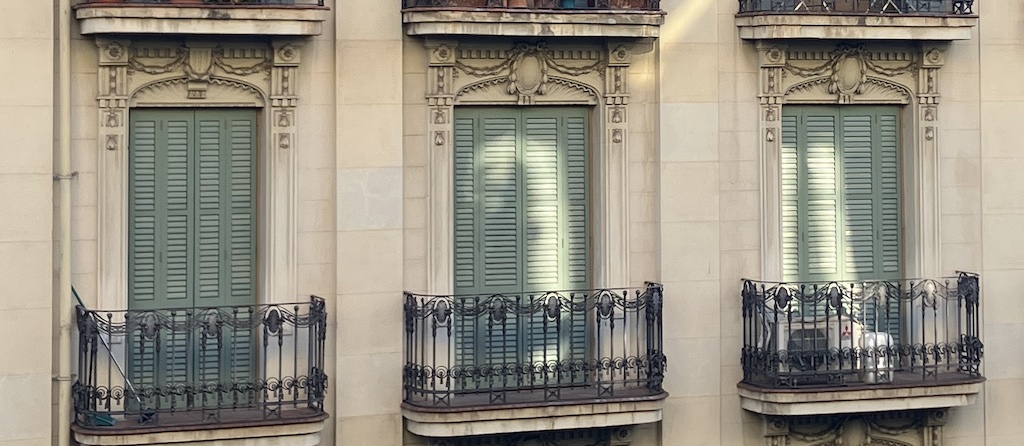
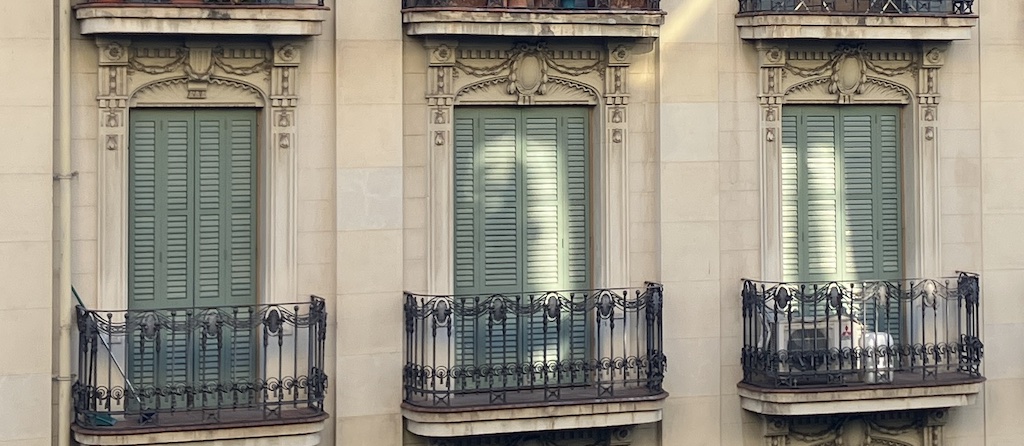
Air conditioning units hanging off apartment façades have become part of the urban scenery in Spain—but councils and neighbours are increasingly cracking down. In some cases, homeowners can now face fines of up to €3,000 just for putting the compressor in the wrong place.
As temperatures rise across Spain, so does demand for air conditioning. But many homeowners are discovering that installing an external unit on the façade of their building can trigger complaints, legal disputes, and hefty fines.
According to press reports, local authorities across Spain are stepping up enforcement of rules governing air conditioning installations, with penalties ranging from a few hundred euros to as much as €3,000 in the most serious cases.
Despite popular belief, there is no single national law banning air conditioning units on façades. Instead, the rules come from a mix of municipal planning regulations, building rules, and community-owner agreements. That complexity is exactly why so many owners get caught out.
What appears to be changing in 2026 is enforcement. According to recent reports, many town halls have now ended the moratoriums and grace periods previously granted to homeowners to adapt buildings to newer urban landscape and efficiency regulations. What was once tolerated is increasingly becoming the target of inspections and enforcement campaigns.
Most councils regulate where exterior compressors can be installed through urban planning rules and local ordinances. In many cities—including places like Madrid and Barcelona—units visible from the street are prohibited, particularly in historic or architecturally sensitive areas.
The key issue is often the so-called “façade line”. Councils want compressors hidden from public view, meaning the preferred locations are now internal patios, communal rooftops, or private terraces where the unit sits below the balustrade.
Sanctions escalate quickly
The sanctions can escalate quickly. Minor infringements such as condensation water dripping onto the street or a unit protruding slightly beyond the façade can attract fines of up to €750. More visible installations in prominent streets may lead to penalties between €750 and €1,500. The biggest fines—up to €3,000—are generally reserved for installations on protected buildings or cases where owners ignore official removal orders.
There is also the issue of the community of owners. Under Spain’s Horizontal Property Law, the façade is considered a common element of the building, so owners cannot alter it without permission from the community. If the statutes prohibit façade installations, the answer is usually a straightforward no. In other cases, approval may depend on a vote.
Neighbour disputes are common, especially over noise. Municipal regulations often cap acceptable noise levels at around 35 decibels during the day and 30 at night inside neighbouring homes. Old or poorly installed compressors can easily breach those limits, especially if vibrations travel through walls and floors.
And here’s the catch: most enforcement begins with complaints from neighbours. One irritated resident can trigger inspections, legal proceedings, and demands to remove the installation at the owner’s expense.
There is one loophole of sorts: “tacit consent”. If similar units have been hanging from the building for years without objection, communities may struggle to block new installations on fairness grounds. But that informal tolerance offers no protection against municipal fines.
The broader message from councils is clear enough. The façade is no longer viewed as a free-for-all for compressors, cables, and dripping pipes. In today’s Spain, it is increasingly treated as part of the protected visual identity of the city—and homeowners are expected to adapt accordingly.