News from Greece
Greece beach holidays are changing: sun-bed ban explained for summer 2026


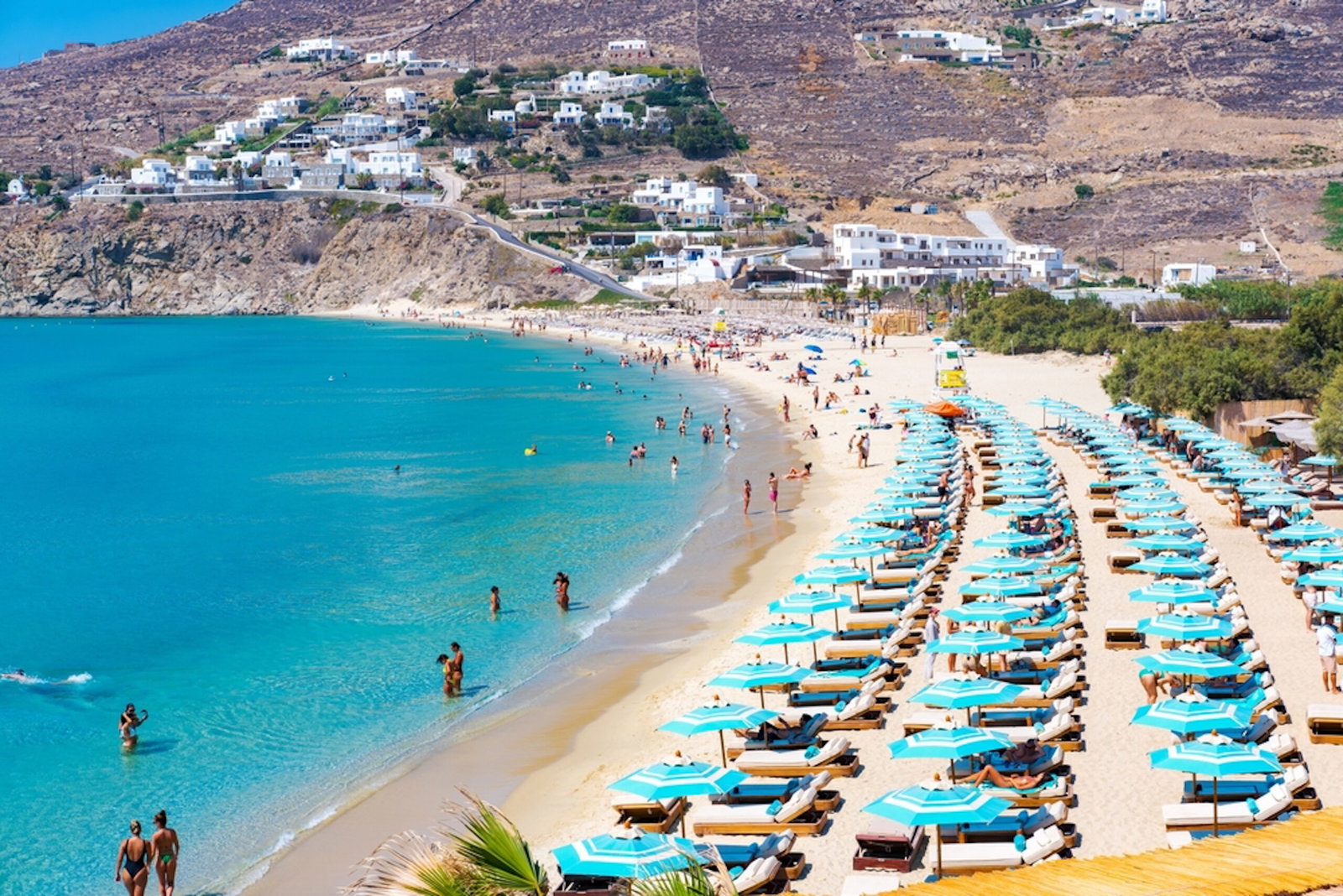
Planning a beach holiday in Greece this summer? New rules on over 250 Greek beaches could change how visitors experience the country’s famous coastline. Tourists must swap their sun-beds for a simple beach-towel as authorities declutter the coast, removing structures including sun-bed’s, parasols, speakers and shacks.
The Greece beach sun-bed ban for 2026 is part of a wider effort to protect natural landscapes and reduce over-tourism, so travellers should be prepared for more stripped-back, environmentally friendly beach days.
New Greece beach rules: sun-beds banned on over 250 beaches
The Greek Environment Ministry recently passed a new measure to ban sun-beds, parasols, and any other temporary structures from 251 beaches. The move forms part of a wider crackdown on unregulated beach use, particularly in protected and environmentally sensitive areas. Since the initiative has been put in place, crews have been seen tearing down beach shacks and removing any other items deemed a fire hazard or harmful to the coastline.
Authorities have also increased inspections, with stricter enforcement expected throughout the summer season. Businesses that fail to comply could face significant fines or lose their licences altogether.
Why Greece is restricting beach sun-beds
Greece’s coastline stretches more than 13,000km. In addition to its long, mythological history, one of Greece’s largest attractions are its beautiful beaches. More than 35 million visitors arrive each year, many of whom enjoy at least one beach day during their stay. But from now on, future visitors will have to settle for sunbathing on a towel in many locations.
While a booming tourism industry is great for the economy, it is not so good for the environment. Excessive tourism can severely impact wildlife habits, depleting natural resources and polluting local ecosystems. In some popular destinations, overcrowding and commercial overdevelopment have already led to erosion and habitat disruption.
Environmental protection and NATURA 2000 expansion
This measure is both a way to maintain the aesthetic integrity of Greece’s beaches and to protect valuable wildlife, flora and fauna. Many of the affected beaches fall within ecologically important zones, where human activity is now being more carefully controlled.
In a similar move, the government has increased the number of beaches protected under the NATURA 2000 programme, a Europe-wide conservation network designed to safeguard biodiversity. By limiting infrastructure such as sun-beds and umbrellas, officials aim to restore natural landscapes and reduce long-term environmental damage.
For travellers, the message is clear: expect a more natural beach experience, with fewer facilities but a stronger focus on preservation.