Housing starts & new home building
Housing Shortage Heading Towards 800,000 Homes
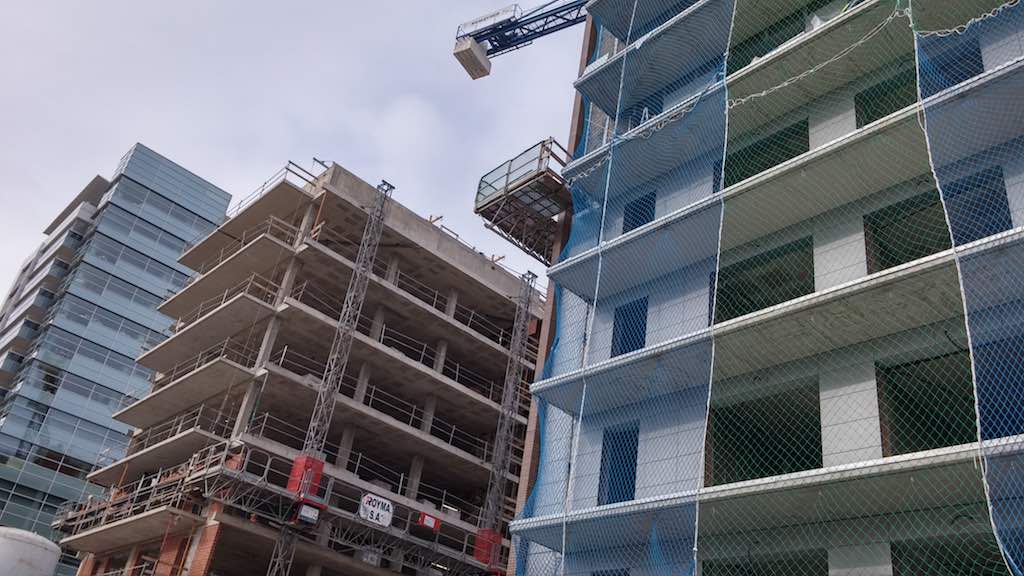
A new report from BBVA Research warns Spain’s housing shortage is getting worse, with the country on track to be almost 800,000 homes short of demand by 2027.
Spain’s housing deficit could reach almost 800,000 homes by 2027, according to the latest real-estate outlook from BBVA Research. The bank’s analysts warn that the current pace of construction will cover less than half of the new households being created, meaning the supply gap will continue to widen in the coming years.
The report estimates that the accumulated housing deficit since 2021 could reach around 747,000 homes this year, rising to roughly 794,000 homes by 2027. In other words, new construction will only meet about 48% of the demand generated by household formation.
Even though building permits have increased in recent years, BBVA Research says the number of completed homes will still fall far short of demand. The result is a structural shortage that continues to grow, albeit at a slightly slower pace than in recent years.
The deficit increased sharply in 2025, jumping from around 562,000 to 669,000 homes, and is expected to continue expanding in the next two years.
Sales expected to ease slightly
The report also forecasts a modest decline in home sales this year, reflecting early signs of cooling in transaction data.
According to Spain’s national statistics office, National Statistics Institute (INE), 57,489 home sales were registered in January, down 5% year-on-year. Data from notaries suggests an even sharper fall, with transactions down 11.4% compared to the same month last year, the first double-digit decline in nearly two years.
Against this backdrop, BBVA Research expects total transactions to fall 1.6% in 2026, followed by only marginal growth of around 1.1% in 2027.
Despite the slowdown, the bank says the fundamentals supporting demand remain strong. Spain still benefits from a robust labour market, positive migration flows, relatively low interest rates, and ongoing purchases by foreign buyers.
However, rising prices in prime areas and limited housing supply are likely to dampen activity in the short term.
Prices still expected to rise strongly
The supply shortage means prices are likely to keep climbing.
BBVA Research forecasts nominal house price growth of 10.2% this year and 6.8% in 2027. In real terms—adjusted for inflation—prices are expected to rise 7.1% and 4.8% respectively.
In short, weaker sales will not stop prices rising while supply remains constrained.
A growing economic bottleneck
The report also frames the housing shortage as a wider economic problem. BBVA Research argues that the lack of housing has become “a point of tension for the economy”, echoing concerns raised by institutions such as the Bank of Spain and the European Central Bank.
Reducing the deficit would require a significant increase in investment. To cut the housing shortfall in half by 2030, BBVA estimates residential investment would need to grow by around 15% per year between 2027 and 2030, reaching around 10% of GDP—close to levels last seen during the housing boom before the financial crisis.
Until then, the bank concludes, Spain’s housing market will remain characterised by strong demand, limited supply, and rising prices.