News from Spain
Major concerns grow over why teenagers are risking lives for viral views


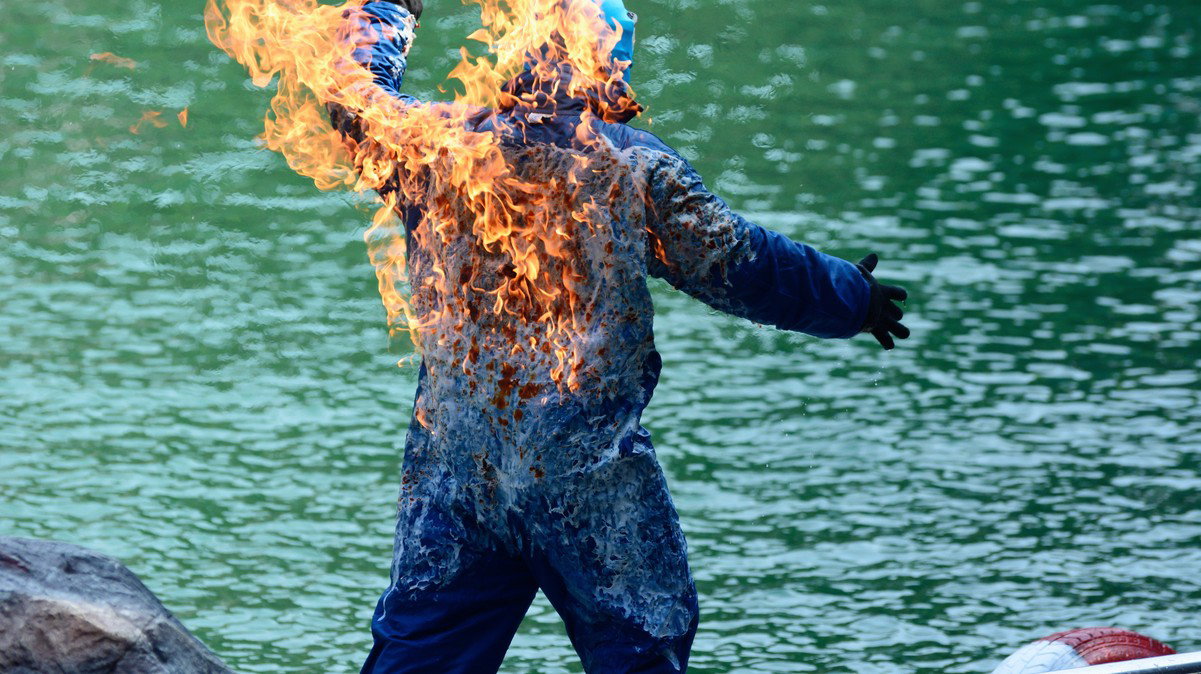
A worrying new viral trend involving fire has brought concern across Spain, forcing parents to look into the terrifying question, why are our teenagers risking their lives just to secure temporary fame on the internet?
The alarm bells rang after a stunt was exposed, where in the Port of Valencia, footage of a youngster was released that shows setting himself on fire before leaping from height into the sea. The clip exploded online, quickly racking up thousands of views as young people eagerly shared the life-threatening spectacle.
Public backlash to Valencia fire jumper, “Let Darwin Do His Job”
The public’s patience for this reckless behaviour is running dry. When Las Provincias published the story, the reaction from users on X (formerly Twitter) was swift, brutal, with no sympathy. The comments showed a society frustrated by teenagers chasing digital clout at the expense of public safety and emergency resources.
Local residents reacted bluntly to the footage, writing that it was simply a case of “natural selection,” a cold sentiment that was quickly backed up by fellow users.
Another commentator, argued that authorities shouldn’t even waste valuable resources intervening to save people from their own online stunts, stating, “I completely agree with letting Darwin do his job.”
One comment said “I’m very much in favour; this and balconing are a good way to get rid of people.” Meanwhile, an angry user expressed the exhaustion of the public, by simply writing, “Let all the idiots do it! Let there not be a single one left!!”
The ‘IShowSpeed’ celebrity effect and chase for fame
This “burning sea” craze is the latest stunt in a toxic online environment where teenage behaviour is heavily influenced by what they see others doing online and by what they see celebrity youtubers attempting. American streamer IShowSpeed, who is known for pulling off erratic stunts for millions of live viewers, such as dramatically jumping over speeding sports cars and also setting himself on fire and jumping into water, are giving the message to impressionable teenagers that the higher the danger, the bigger the audience.
Terrifying challenges over the years
Chroming – the inhalation of household chemicals such as aerosol deodorants, paint solvents or cleaning products to produce a brief euphoric effect.
Doctors warn that chroming can cause seizures, heart failure, organ damage and sudden death, even after a single use. The trend made international headlines following the death of several teenagers, including 13-year-old Australian girl Esra Haynes in 2023.
Balconing – Particularly familiar in Spain’s tourist hotspots, “balconing” involves jumping from hotel balconies into swimming pools or attempting to climb between balconies.
The phenomenon has caused numerous deaths and serious injuries over the years, particularly in destinations such as Mallorca and Ibiza. Despite repeated warnings from authorities, incidents continue to occur almost every summer.
The Blackout Challenge – Perhaps one of the most controversial social media trends of recent years, the Blackout Challenge encouraged participants to deliberately restrict their oxygen supply until losing consciousness.
Medical experts repeatedly warned that the practice could result in brain injury or death. Several families around the world have claimed the challenge contributed to the deaths of their children.
Train surfing – riding on the outside of moving trains, hanging from carriages or climbing onto roofs, which experiences random resurgences through social media videos.
Authorities across Europe and North America have linked the activity to numerous fatalities caused by falls, collisions and electrocution from overhead power lines.
Rooftopping – Popularised by some influencers and content creators, rooftopping involves climbing high buildings, cranes and structures to take photographs or videos.
Slightly different in that people who do this tend to be seeking dramatic images rather than thrills, the activity has resulted in multiple fatal falls worldwide trying to get the perfect shot for social media.
The Benadryl Challenge – This challenge encouraged participants to take excessive quantities of an antihistamine medication in an attempt to experience hallucinations.
Medical professionals warned that overdoses could lead to heart problems, seizures and death. The trend prompted public health alerts in several countries after a number of teenagers were hospitalised.
The Tide Pod Challenge – This one was treated on some occasions as an internet joke, the Tide Pod Challenge involved people biting into laundry detergent capsules and posting videos online.
Poison control centres reported spikes in exposures, and health officials warned of potentially serious respiratory and digestive injuries.
Why are teenagers taking part when they know its dangerous?
Psychologists point to the lethal cocktail of addictive algorithms and potential financial gain. Today’s social media platforms are built to reward shock value, pushing extreme content to the top of the feed. For teenagers, a video that goes viral represents a shot at instant algorithmic clout, follower growth, and potential monetisation. They are literally gambling their physical safety for digital metrics. The scale of this modern vulnerability is terrifying.
We did stupid things too, the difference was no one was filming
There is a danger in pretending previous generations were any wiser. Long before smartphones existed, teenagers were also daring each other to jump from stupidly high places, playing the so-called “pass-out game” and experimenting with fireworks. Many of those activities were dangerous enough that, had they been captured on camera and shared online, they could easily have become viral trends. The difference was that the reward rarely went beyond a few laughs and a story to tell at school the next day. Today’s teenagers are navigating the same appetite for risk, but in an exposed environment where attention has become measurable.
Movement against the addictive tech
The global pushback against toxic online culture stepped up a notch this week as the UK announced plans to restrict social media access for under-16s. Parents worried about the impact of social media on their teenager can speak to their GP, school safeguarding team, a child psychologist or youth mental health services. Experts say open conversations about online content and peer pressure remain one of the most effective ways to help young people navigate the digital world safely.