Connect with us

%

More Than 4,000 Vulnerable People In Murcia Benefit From Record-Breaking CaixaBank Charity Event

Published

on

more-than-4,000-vulnerable-people-in-murcia-benefit-from-record-breaking-caixabank-charity-event

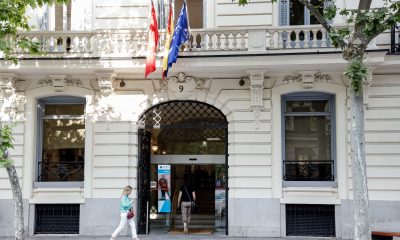
CaixaBank mobilises volunteers to support thousands across Murcia region. Photo Credit: CaixaBank

CaixaBank Volunteering has successfully mobilised some 350 volunteers, and benefited thousands of vulnerable people in the Region of Murcia in a “Social Month” event that broke records. The event, which took place at the end of May and for the beginning of June, saw 75 solidarity activities carried out in the region across 35 local social groups.

Thousands of vulnerable people across Murcia benefit from massive charity effort

To be specific, more than 4,000 vulnerable people in the Region of Murcia benefited from this fourth edition of the social charity event, which saw 7 per cent more volunteers participate than in the previous edition and consolidating CaixaBank Volunteering as one of the largest corporate volunteering programmes on a national scale.

This “Social Month” event also coincided with the International Year of Volunteers for Sustainable Development, promoted by the United Nations, which recognises the contribution of volunteering groups and organisations.

How CaixaBank helped: From rescued animals to those without financial resources to the elderly

Some of the most notable activities included 24 volunteers collaborating with the association Autismo Somos Todos (AMUDEF) on a solidarity walk that brought together 300 beneficiaries in Cartagena; and in Molina de Segura, around twenty volunteers participated in a day with the Centauro Quirón Foundation and collaborated in the daily care of rescued animals. This initiative also included the participation of CaixaBank Group employees and the collaboration of the “La Caixa” Foundation.

The vulnerable people benefiting across the Region of Murcia and beyond from the “Social Month” initiative included elderly people, people with disabilities, those who lacked financial education, those who needed help with digital inclusion, and other, broader areas including environmental protection, culture, social inclusion, and sports.

More than 150,000 people helped in Spain

Across Spain, more than 19,500 volunteers have participated in “Social Month” activities, benefiting more than 155,000 people with low resources or in vulnerable situations.

CaixaBank Volunteering is one of the largest volunteering initiatives in Spain, and it brings solidarity closer to all citizens in the International Year of Volunteering. The association boasts a history of more than 20 years.

%

€24 Billion Reality: What British Tourists Are Really Worth To Spain

Published

on

e24-billion-reality:-what-british-tourists-are-really-worth-to-spain

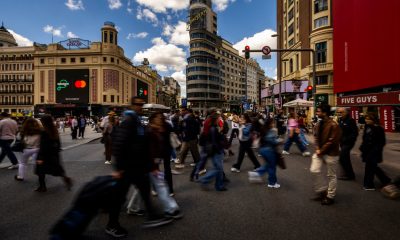
Tourism is one of Spain’s most important economic sectors. Photo credit: Charlesy/Shutterstock

Spain continues to reap the benefits of its popularity among British holidaymakers. New tourism figures reveal that visitors from the United Kingdom spent an estimated €24 billion across the country in 2025, making Britain’s most valuable international tourism market and highlighting the crucial role tourism plays in the national economy. The figure is based on official Spanish tourism data showing that UK visitors accounted for around 17 per cent of all international tourist spending in Spain.

According to Spain’s Ministry of Industry and Tourism, foreign visitors spent a record €134.7 billion in the country during 2025, meaning British travellers contributed close to one euro in every six spent by international tourists. The UK also remained Spain’s largest source of visitors. Around 19 million British tourists travelled to Spain during 2025, ahead of all other international markets. The spending figures highlight the continued importance of British holidaymakers to Spain’s tourism industry despite the UK’s departure from the European Union and increasing competition from other Mediterranean destinations.

Record tourism revenues for Spain

Spain’s tourism sector continued its strong post-pandemic growth throughout 2025, with both visitor numbers and spending reaching historic highs. According to government data, international tourist expenditure rose to €134.7 billion during the year, representing one of the highest totals ever recorded by the country.

British tourists were the biggest contributors to that revenue stream. Their estimated €24 billion in spending covered accommodation, restaurants, transport, leisure activities, retail purchases and other tourism-related services across Spain.

The Balearic Islands, Canary Islands, Andalucía, Valencia and Cataluña remained among the most popular destinations for UK visitors, with British tourists forming a substantial share of the visitor economy in many coastal areas. Tourism is one of Spain’s most important economic sectors, contributing significantly to employment and national income. The spending generated by foreign visitors supports hotels, bars, restaurants, airlines, tour operators, entertainment venues and thousands of small businesses.

How Britain compares with other European markets

Although Spain attracts visitors from across Europe and beyond, the UK remains comfortably ahead of other source markets when measured by spending.

Germany traditionally ranks among Spain’s most important tourism markets and continues to provide millions of visitors each year. German tourists are particularly important for destinations such as the Balearic Islands and Canary Islands. However, German visitor spending remains below that of British travellers due to lower overall visitor numbers and expenditure levels.

France also remains a major source market, benefiting from its geographical proximity to Spain and strong cross-border travel links. French tourists contribute substantial spending, particularly in northern regions and major cities, but again fall behind the UK in overall expenditure.

The Netherlands is another valuable market for Spain. Dutch visitors consistently rank among the country’s most frequent international travellers and contribute significantly to tourism revenues, particularly in coastal destinations and the islands. However, the Netherlands has a much smaller population than either the UK or Germany, limiting its overall contribution compared with Europe’s largest tourism markets.

While German, French and Dutch tourists remain crucial to Spain’s visitor economy, none currently match the scale of the British market in either visitor numbers or total spending.

Why British tourists spend so much in Spain

Several factors help explain the UK’s dominant position. Spain remains one of the most accessible overseas destinations for British travellers, with extensive flight connections linking airports across both countries throughout the year. The country’s climate, beaches, cultural attractions and established tourism infrastructure continue to attract repeat visitors. Many British tourists also stay for longer periods than visitors from some neighbouring countries, increasing overall expenditure.

In addition, Spain has a large community of British residents and second-home owners. Friends and relatives visiting these communities contribute further spending through accommodation, hospitality, transport and leisure activities. The strength of the British market has also been supported by year-round travel patterns. While summer remains the busiest season, winter tourism to destinations such as the Canary Islands generates significant additional revenue.

What €24 billion means for Spain

The scale of British spending represents a major economic benefit for Spain. An estimated €24 billion in tourism expenditure supports employment across multiple sectors, including hospitality, transport, retail, construction and leisure services. The revenue also generates tax income for national, regional and local administrations.

In many coastal municipalities, British tourism forms a substantial part of the local economy. Hotels, restaurants, bars, excursion companies, car rental businesses and shops often depend heavily on international visitors, particularly during peak holiday periods.

The spending also helps offset economic challenges in other sectors. Tourism remains one of Spain’s largest sources of foreign income, bringing billions of euros into the country each year from overseas visitors. Strong tourism revenues can contribute to economic growth, support business investment and help sustain employment in regions where tourism is a primary industry.

Spain’s tourism outlook remains strong

The latest figures suggest Spain remains one of the world’s most popular tourist destinations, with demand continuing to grow despite economic uncertainty across Europe. Government tourism data indicates that international visitors are not only travelling to Spain in greater numbers but are also spending more during their stays.

For Spain, the continued strength of the British market remains particularly important. With around 19 million visitors and an estimated €24 billion in spending during 2025, UK tourists continue to play a central role in the success of the country’s tourism industry. As Spain looks to maintain record tourism revenues, the contribution made by British holidaymakers is likely to remain one of the most significant drivers of the sector and a key source of income for businesses and communities across the country.

Continue Reading

%

Pre Summer Fun Get-Together At La Sala Banus With Age Concern

Published

on

pre-summer-fun-get-together-at-la-sala-banus-with-age-concern

Fun, friends and finery at La Sala. Credit: ACM

On June 11, Age Concern Marbella – San Pedro enjoyed another fabulous lunch at La Sala restaurant in Puerto Banus. Guests enjoyed a refreshing glass of wine or cava on arrival before sitting down to a sumptuous lunch.

The stylish venue provided the perfect backdrop for an afternoon of community spirit, with a gourmet menu featuring options like Homemade Soup of the Day or Tomato & Avocado Tartare starters, followed by mains such as Chicken Cordon Bleu, Grilled Sea Bass, or a vibrant Gan Green Curry.

As always, there was great conversation and lots of laughter, which have become the hallmark of these regular Age Concern get-togethers. The event brought together English-speaking residents over 50 from across Marbella, San Pedro, and surrounding areas, fostering new connections and reinforcing existing friendships in a warm, welcoming atmosphere.

The meal was followed by a raffle which raised over €100 – a wonderful donation gratefully received. Age Concern Marbella – San Pedro receives no financial support from national, regional, or local government, relying entirely on the generosity of the community, fundraisers like this lunch, and the dedication of volunteers to continue their vital work.

The charity provides friendship, support, and practical assistance to older expats who might otherwise face loneliness or isolation. Services include help navigating Spanish paperwork, information on local services, home visits, welfare advice, and a range of social activities. Their welcoming Social and Activity Centre in San Pedro offers classes and events tailored to varied interests and abilities, helping members stay active, connected, and independent.

Although some activities will close for the summer to enable volunteers to have a well-deserved holiday, the organisation’s six popular drop-in coffee mornings will remain open as usual across locations including Marbella, San Pedro, Benavista, and Elviria. These relaxed gatherings guarantee a friendly welcome, flowing conversation, and opportunities to forge lasting bonds – ideal for anyone seeking company during the quieter summer months.

So please pop in and see us. If you aren’t sure where we are, just call or WhatsApp the Helpline on 689 35 51 98, open every weekday from 10am to 6pm. You may prefer to drop us a line at info@ageconcernmarbella.com – please include a daytime number so we can call you back. Whether you need support, want information about our services, or would like to find out more about volunteering or helping us, the team is always ready to assist.

Age Concern Marbella – San Pedro is by your side throughout the summer and all year long – because you never need to feel alone.

Continue Reading

%

DGT Sticker Rule Catches Out Drivers In Spain

Published

on

dgt-sticker-rule-catches-out-drivers-in-spain

The DGT environmental label is not always mandatory, but some cities require it to be displayed. Credit : Manuel Milan, Shutterstock

Thousands of motorists driving through Spain’s Low Emission Zones are displaying the DGT environmental sticker because they believe the law requires it everywhere. In reality, there is no nationwide obligation to have the label on your windscreen, although failing to display it in certain cities could still land you with a fine.

If you drive in Spain regularly, you’ve probably seen them everywhere. They sit in the bottom corner of windscreens, colour coded and easy to spot. Some drivers put them on as soon as they receive them. Others have never bothered. And plenty are still unsure whether they actually need one at all.

The DGT environmental sticker has become one of the most misunderstood motoring requirements in Spain.

Part of the confusion comes from the growing number of Low Emission Zones appearing across the country. As more cities introduce restrictions aimed at reducing pollution, many drivers have assumed the environmental label automatically became compulsory nationwide.

It didn’t.

The reality is more complicated and depends largely on where you are driving.

Why so many drivers are confused about the DGT sticker

The environmental label was introduced by Spain’s traffic authority to classify vehicles according to their emissions.

It allows authorities to quickly identify which vehicles are considered cleaner and which produce higher levels of pollution.

The system became much more visible after the arrival of Low Emission Zones, known in Spain as Zonas de Bajas Emisiones.

These areas are now operating in many municipalities and are intended to improve air quality by restricting or regulating access for certain vehicles.

As the zones expanded, confusion followed.

Many motorists came away with the impression that displaying the sticker was a legal requirement everywhere in Spain. Some drivers even worried they could be fined simply for not having it attached to the windscreen.

According to current regulations, there is no general national obligation requiring every vehicle to display the environmental label.

A driver can legally travel through much of Spain without the sticker being physically attached to the vehicle.

That surprises many motorists, especially those who have spent years hearing about environmental restrictions and Low Emission Zones.

The catch is that local authorities have significant freedom to create their own rules.

Where not displaying the sticker could become a problem

The key detail many drivers miss is that the rules do not come from a single nationwide regulation.

Instead, individual councils can introduce specific requirements as part of their Low Emission Zone policies.

That means the situation can vary from one city to another.

In some municipalities, displaying the environmental sticker is strongly recommended but not mandatory. In others, local regulations may require the label to be visible on the vehicle.

Failing to comply with those local rules can lead to penalties.

Madrid is often cited as an example because drivers who breach certain Low Emission Zone requirements can face fines of €200. Under Spain’s prompt payment system, that amount is typically reduced to €100 if paid within 20 days.

The important point is that the fine is not issued because of a national DGT rule applying everywhere. It stems from local regulations approved by the city concerned.

For motorists travelling between different parts of Spain, that distinction matters.

A driver who follows the rules perfectly in one municipality could encounter completely different requirements after entering another.

As more Low Emission Zones become operational, understanding those local differences is becoming increasingly important.

Why many motorists choose to display it anyway

The environmental sticker costs around €5 and can be obtained through authorised DGT partners, including Correos post offices.

Given the relatively low cost, many drivers decide that putting it on the windscreen is simply easier than checking local regulations every time they travel.

For some, it is about convenience. For others, it is about avoiding unnecessary discussions or misunderstandings when entering areas with environmental restrictions.

The sticker also makes it easier for authorities to identify a vehicle’s environmental category without carrying out additional checks.

That practical advantage is one reason why many motorists display the label even when they are not legally required to do so.

Spain’s network of Low Emission Zones is expected to continue expanding as municipalities work to meet environmental targets and improve air quality.

As a result, environmental labels are likely to become an increasingly familiar sight on Spanish roads.

What has not changed, however, is the basic rule that many drivers misunderstand.

The DGT environmental sticker is not automatically compulsory across Spain.

Before driving into a Low Emission Zone, the safest approach remains the simplest one. Check the rules of the city you are visiting first.

A few minutes spent reading the local regulations could save you from an unnecessary fine and spare you an unpleasant surprise when the penalty notice arrives.

Continue Reading

Trending

Copyright © 2017 Spanish Property & News