Finance
Seasonal surge: the growing divide in Spain’s rental market


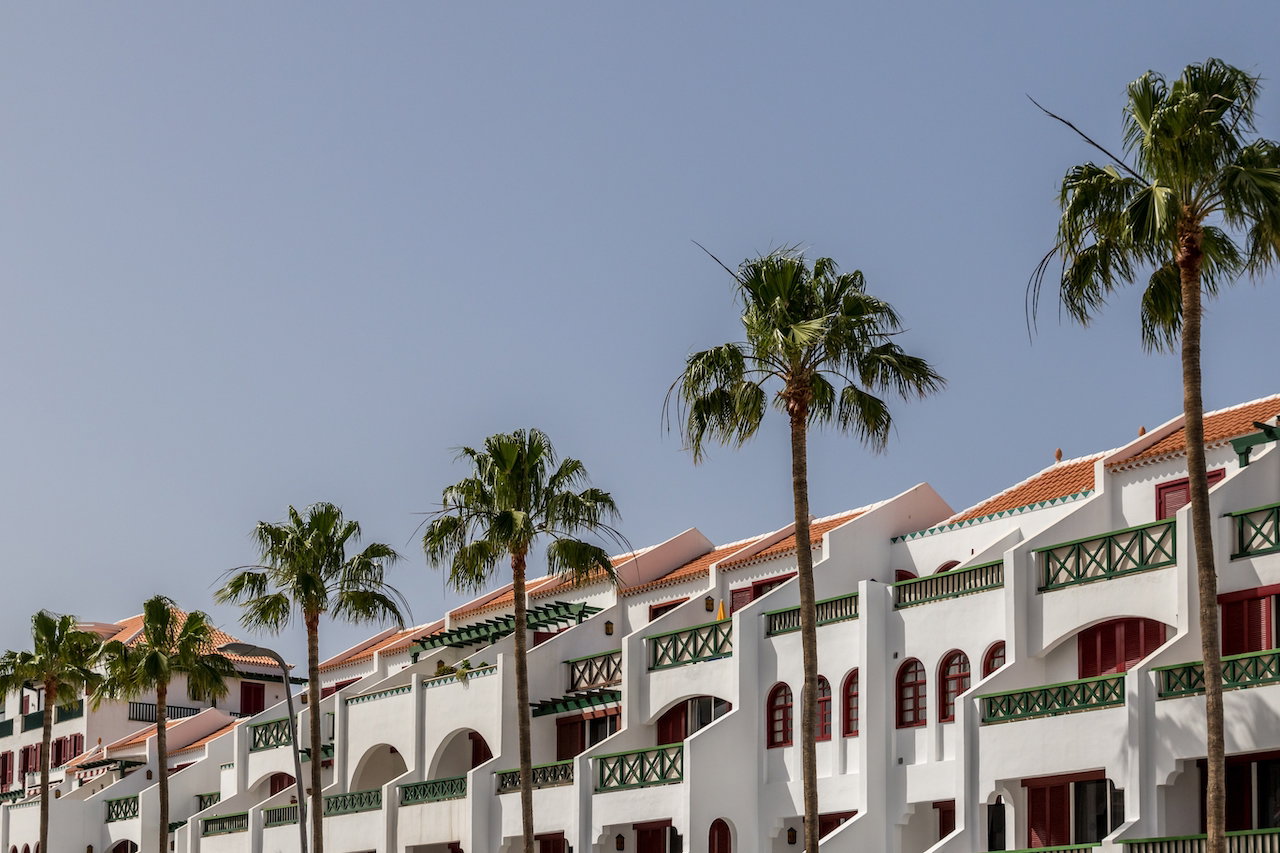
Seasonal rentals flood Spain’s real estate market
Credit: Shutterstock, chris276644
When spring turns to summer, three things are guaranteed in Spain: warm weather, tourists arriving in droves and short-term seasonal rentals flooding the real estate market. For visitors, short term rentals are a more appealing alternative to hotels, offering more independence and oftentimes a cheaper rate. For locals, it’s a frustrating phenomenon that vastly impacts their ability to find permanent accommodation.
In the first quarter of 2026, short term tourist rentals made up 27 per cent of the real estate market, representing a 22 per cent year on year increase. Meanwhile, permanent rentals decreased by 3 per cent in the same period, according to Idealista. The yearly surge in seasonal rentals adds further pressure to cities already tight on space.
Government crackdown on illegal tourist rentals
The government has made a concerted effort in recent years to reduce the number of short-term accommodation available. In 2025, stricter rental restrictions came into force which required seasonal lets to be registered and obtain a rental code. Consequently, Airbnb was fined €64 million for listing tourist accommodation that didn’t comply with these new requirements, and more than 80,000 illegal listings were removed.
However, the measures have yet to significantly ease pressure on the long-term rental market. Property analysts warn that many landlords are simply shifting towards temporary rental contracts that fall outside traditional tourist accommodation rules.
Housing pressure in Spain’s most popular cities
Despite the preventative legislation, Barcelona remains the city with the largest supply of seasonal rentals. Approximately 55 per cent of Barcelona’s real estate market is classified as such. In Andalucia, Malaga and Seville have the highest level of short-term rentals, making up 28 per cent of the market.
The increase of short-term rentals comes at the detriment to permanent rentals, a hit to locals who live in these holiday hotspots. For many residents, particularly younger people and low-income workers, finding stable and affordable accommodation is becoming increasingly difficult as more properties are redirected towards the lucrative seasonal market.