Animal protection law
Spain moves to redefine legal pets as draft law raises wider welfare concerns


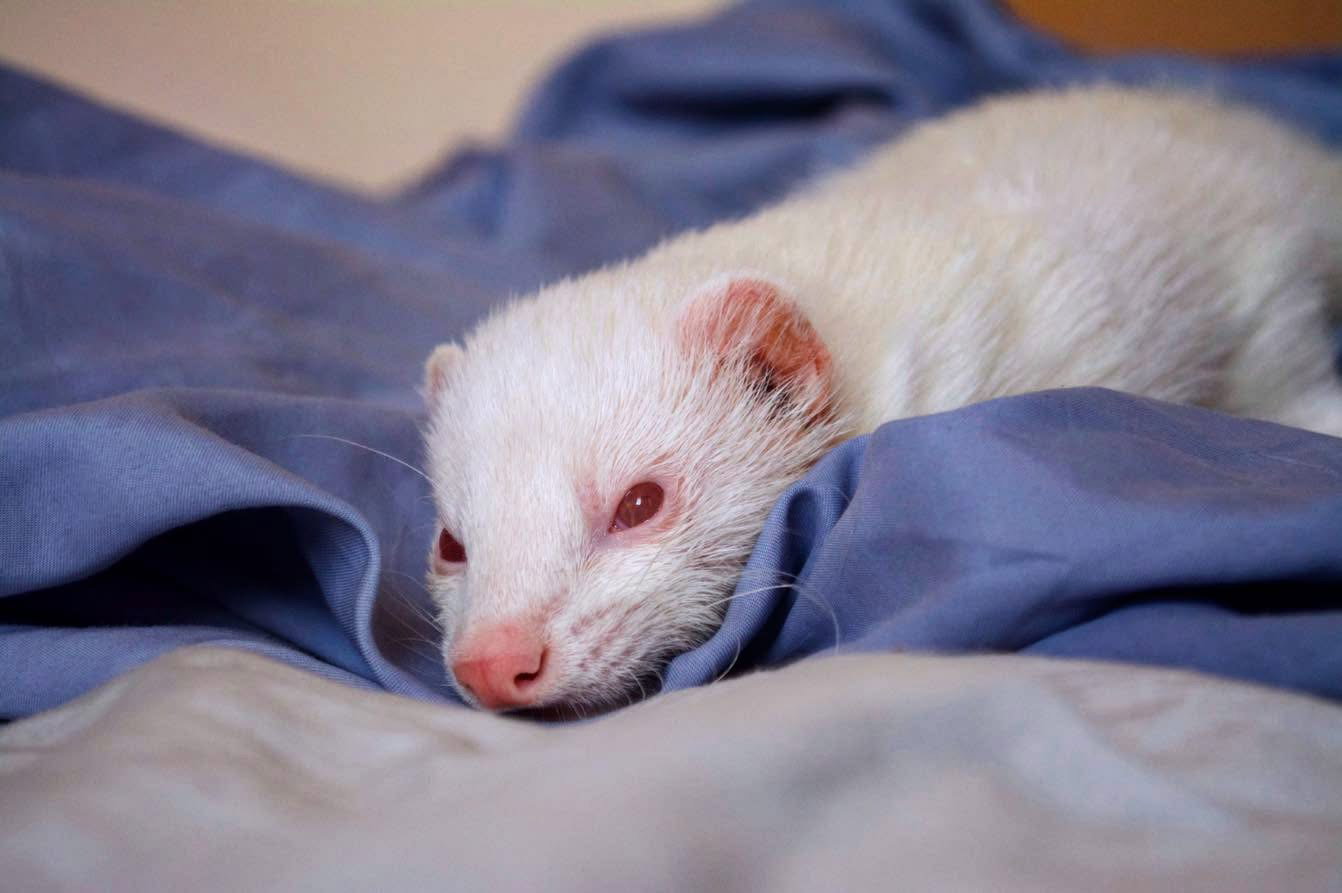
Pets owners should know basic care of the animal before taking them on. Photo credit: Molly Grace
Spain is moving through a public consultation phase on a draft Royal Decree introducing so-called “positive lists” of companion animals, which would determine which species can legally be kept as pets in households. The Government has stated the measure forms part of the implementation of Law 7/2023 on animal welfare, although no final list of permitted species has yet been published.
The draft does not set out a fixed list of animals but instead defines criteria that species must meet in order to qualify as domestic companions. These criteria relate to welfare needs, safety, and environmental risk. The proposal has already generated debate due to the scope of exclusions and legal consequences attached to them.
Legal consequences for excluded animals
A key aspect of the draft is how it reclassifies animals not included in the positive lists. Under the proposal, any species not appearing in either the domestic or companion animal lists would be treated as wild fauna under Law 42/2007 on Natural Heritage and Biodiversity.
This would place excluded pets in the same legal category as wild species such as foxes or meerkat, despite many being born in captivity and never having lived in the wild. Critics argue this creates uncertainty for owners who obtained animals legally under existing rules.
Based on reporting of the draft, species that could be affected include budgies, geckos, certain tortoises, snakes and some ornamental fish. These animals would not be illegal outright, but would not appear on the approved list and would therefore fall outside normal legal ownership.
Debate over responsibility, enforcement and consistency
The proposals have prompted discussion between conservation groups, breeders and pet owners. Conservation-focused organisations argue that tighter regulation is necessary to reduce ecological harm, particularly where non-native animals escape and establish populations that compete with native wildlife.
However, many responsible exotic pet owners argue that policy is shaped by the actions of a minority rather than by the wider standards of care already in place among experienced keepers. They point out that poor outcomes are often linked to irresponsible ownership rather than the species itself.
There is also ongoing debate about regulatory consistency. Domestic cats are frequently referenced in conservation discussions due to their impact on wildlife populations, particularly birds and small mammals, yet they are not subject to restrictions on ownership or roaming under Spanish law. This contrast is often cited in wider debates about how different categories of animals are regulated.
Ownership rights and restrictions
The proposal includes transitional arrangements for current owners of animals that may be excluded. In such cases, animals could be retained only through exceptional authorisation issued by regional authorities. Owners would need to prove prior possession before the law enters into force, using receipts, veterinary records or official certificates.
Even where authorised, restrictions would apply. Breeding, sale, and transfer of these animals would be prohibited, preventing further circulation of species not included in the final approved lists.
Political debate and public controversy
The draft has prompted debate among conservation groups, breeders, and pet owners. Associations such as Asociación Fauna argue that the objective appears to be maximising exclusions through broad criteria they consider arbitrary, rather than assessing species individually based on scientific evidence.
The inclusion of weight thresholds, feeding behaviour, and physical characteristics as regulatory criteria has been particularly contested. Critics argue these measures may lack consistency across different animal groups. At the same time, reporting highlights unusual classifications within the framework, including the theoretical possibility of registering livestock species such as cattle as companion animals under specific conditions.
Expert perspective on welfare, enforcement and responsibility
From my perspective as an animal welfare and behaviourist, as well as an exotic veterinary nurse, the current debate in Spain highlights deeper structural issues in animal welfare policy.
Since the introduction of new animal welfare laws, there has been little visible improvement in the protection of domestic animals. Outcomes have not significantly changed, particularly in relation to abandonment rates and long-standing welfare concerns affecting pets. If legislation does not translate into measurable improvement, its practical value is limited.
Abandonment of animals remains a persistent issue and not just amongst dog or cats, raising questions about whether expanding permitted species addresses root causes. If basic welfare standards cannot be met for existing companion animals, adding further categories does not resolve underlying problems, on the contrary we are more likely to see more ilegal movement of sales, breeding and activities and less regard of the animals welfare.
Wider responsibility across all species
These issues should not be approached through a single professional lens. Effective policy requires collaboration between veterinarians, welfare specialists, conservationists, and biologists. Each contributes essential evidence for decision-making on animal ownership and environmental impact.
While I do agree that animals with venom or medically significant risk profiles require stricter regulation, most welfare outcomes are determined by responsible ownership rather than species alone. Neglect is often linked to lack of knowledge about behaviour, care requirements, and long-term commitment.
At the same time, there should be stronger enforcement against keeping genuinely wild animals illegally as pets. A clearer distinction is needed between established captive species and animals that remain fundamentally wild.
Education-based approach to ownership
In my opinion a more effective long-term solution would include mandatory education or certification before acquiring any animal. This would apply universally and cover basics knowledge on the animal such as behaviour, nutrition, housing, enrichment, and veterinary costs.
Such an approach would extend across all animals, whether horses, snake or ferret. The aim would be to reduce welfare failures caused by misunderstanding rather than relying solely on restrictive lists.
Legal status and next steps
The draft proposals remain in consultation and have not yet been adopted into law. Feedback from veterinary professionals, conservation organisations, industry stakeholders and the public is still being reviewed, and the final list of permitted species may change before approval.
If implemented, Spain’s system would represent a shift from reactive restrictions to pre-authorisation of pets through defined lists. Until then, existing animal ownership laws remain fully in force.