Connect with us

%

Spain Tour De France Fans Warned Extreme Heat Could Force Cancellations For First Time In History

Published

on

spain-tour-de-france-fans-warned-extreme-heat-could-force-cancellations-for-first-time-in-history

Tour de France fans in Spain could face extreme heat as well as road closures and cancellations. Credit: Radu Razvan / Shutterstock

Cycling fans lining Cataluña’s roads this weekend may face more than traffic closures and crowds. As Spain and France brace for another surge of extreme heat, Tour de France officials have raised the possibility of route changes, earlier starts or even the race’s first heat-related stage cancellation.

Roadside fans in Cataluña face heat as well as road closures and disruptions

The Tour de France begins in Barcelona on Saturday, July 4, but the first drama of the race may not come from the race itself.

Extreme heat across Spain and France has pushed rider and spectator safety into the centre of race planning, with officials openly discussing how the world’s most famous cycling event could be affected if temperatures become dangerous.

The opening three stages run through Cataluña. Stage one is a 19.6km team time trial in Barcelona, finishing at Montjuïc. Stage two runs from Tarragona to Barcelona on Sunday July 5, while stage three leaves Granollers on Monday July 6, and heads into the Pyrenees towards Les Angles in France.

For cycling fans travelling to the roadside, the concern is not only whether the peloton can continue. It is also about standing for hours in crowded streets, reaching viewing points during road closures, finding shade and getting away safely if conditions become too much.

How the extreme heat could change the Tour de France route

The Tour has been disrupted before by war, strikes, civil unrest, bad weather and the pandemic. However, according to Guardian reporting from Barcelona, a stage has never previously been cancelled because of extreme heat.

Thierry Gouvenou, the Tour’s technical director, told the paper that the risk was “very much” on organisers’ minds, while temperatures as high as 44C have been forecast in parts of Spain and France in the coming days.

Professional cycling now has a formal High Temperature Protocol under the Union Cycliste Internationale (UCI), the sport’s world governing body. The protocol allows emergency discussions when high temperatures pose a risk, and can lead to measures such as shaded start areas, cold drinks and ice during the race, extra refuelling motorbikes, adjusted start times, neutralised sections or route changes.

The UCI says final decisions depend on local conditions and the people involved in the emergency meeting. That means there is no automatic cancellation point based on a single temperature reading.

Sunday’s Tarragona to Barcelona stage falls in the heatwave window

Sunday’s second stage is the one attracting the most attention. It covers 168.5km from Tarragona to Barcelona, with the official Tour schedule listing a neutralised start at 1.45pm and an expected finish at 5.26pm.

Those hours are of course the hardest to manage due to the heat, especially on exposed roads, crowded pavements and urban areas where tarmac and buildings hold and reflect the warmth.

For the riders, heat stress can affect many aspects of their performance, from concentration, to hydration, circulation and the body’s ability to cool itself. For spectators, the risk lies especially among older people, children, people with heart or respiratory conditions and anyone waiting in direct sun without enough water.

Barcelona’s official Grand Départ mobility advice already asks spectators to check traffic updates before travelling, use public transport where possible, stay in designated areas, bring water, wear light clothing and protect themselves from the sun. In an emergency, Spain’s emergency number is 112.

Spain’s heat risk map can change street by street

Spain’s weather warnings and health warnings are not exactly the same thing. The Agencia Estatal de Meteorología (AEMET), Spain’s state weather agency, issues meteorological alerts for adverse weather. The Ministry of Health also runs a heat-health system called Meteosalud, which divides Spain into 182 health risk zones.

Meteosalud looks at how high temperatures affect health in each area, not just how hot the thermometer appears. The ministry’s map can be searched by province and municipality, making it useful for residents and visitors checking a specific town before travelling.

On Friday, July 3, El País, using Ministry of Health and AEMET data, reported hundreds of Spanish municipalities under heat-related health risk alerts, with the highest concern concentrated in parts of inland and southern Spain. AEMET has also warned that another rise in temperatures could affect much of the country from the weekend, with parts of the south-east potentially reaching 42C to 44C early next week.

That does not mean every Tour viewing point in Cataluña will face the same level of danger. Coastal areas, inland valleys, city streets and mountain sections can all feel different. Spectators must bear in mind to check local warnings on the day, and not rely only on a national forecast.

Race plans now depend on heat, roads and emergency services

For now, no Tour de France stage has been cancelled because of the latest heat risk. Any change would depend on race officials, UCI representatives, local authorities, emergency services, medical teams and the latest conditions on the route.

Small adjustments may be more likely than full cancellation, such as extra cooling measures, changes to food break rules, altered start arrangements or shortened sections. However, the fact cancellation is even being discussed shows how quickly the extreme heat being felt in Europe is affecting European sporting events.

For people planning to watch the Tour in Spain, the event should be treated like a heat-risk day as well as a sporting occasion: check the route, check municipal heat alerts, avoid long waits in full sun, carry water, choose shaded or accessible viewing spots when possible and follow instructions from police, volunteers and Civil Protection staff.

%

Council Listens To Residents In Torre Del Mar

Published

on

council-listens-to-residents-in-torre-del-mar

Mobile Antennas in Torre del Mar. Credit: Ernest Rose – Shutterstock

Residents across Torre del Mar have received welcome news after their council backed a series of practical measures during the June plenary session. Cross-party support delivered clear responses to community feedback on health, services, safety and daily connections. Leaders showed they take resident concerns seriously by acting together on several fronts.

Responding to health worries over mobile phone tower

Neighbours have been voicing worries for several years about the telecom installation in Calle Medico Ros Alferez. Council members voted unanimously to remove the eyesore after long-standing complaints linked it to local health issues. Past work already prevented three new mobile phone masts during the current term, with one taken down after legal action. Officials now seek extra powers from central government to manage licences and require health safety checks on existing sites. A study will explore moving similar equipment out of populated areas while protecting service quality.

Advancing safety and community information

Further unanimous votes backed permanent information campaigns on council rules to help people understand local expectations and encourage good relations, especially among younger residents, tourists and motorhome users. Another measure supports video surveillance systems in schools, care homes, day centres and other public support sites to protect those most at risk.

Addressing calls for safer neighbourhood ties

Residents from Ensanche Oeste, working through the local pressure group AVEOtorre, talked of the need for better pedestrian access to the promenade after the original route was removed. Their demonstration renewed requests for paving, progress on the roundabout and completion of Vial-7. Council leaders had already pledged to prioritise accessibility improvements, and current projects continue to deliver safer connections for the growing community of over 1,300 homes.

These unanimous outcomes demonstrate a council ready to engage with feedback and deliver results on health, services and quality of life in Torre del Mar and the wider area. Either that, or they wanted the proposals out of the way so they could quickly go on their summer holidays. In any case, progress has unanimously been made. Further work will build on this advancement for the benefit of local people.

Continue Reading

%

Could Holidaymakers In Spain Soon Pay More Than Locals?

Published

on

could-holidaymakers-in-spain-soon-pay-more-than-locals?

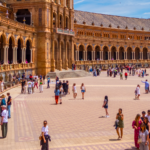
Some attractions offer discounted rates for residents. Photo Credit: Roaming Pictures/Shutterstock

Imagine arriving at a famous attraction on holiday only to discover the person standing next to you is paying half the price simply because they live there. It might sound unlikely, but this kind of pricing difference is already being tested in parts of the world as destinations try to deal with growing visitor numbers and pressure on busy hotspots.

In Japan, some attractions have begun exploring higher prices for tourists compared to residents, and it is triggering a debate that is now starting to spread far beyond Asia. Which leads to the question many people visiting Spain may not expect to ask: could something like this ever appear here?

A growing strain in popular destinations

Japan has seen a sharp rise in international visitors, with some of its most famous locations becoming busier than ever. Streets, transport links and historic sites have all come under pressure at peak times, with queues, congestion and overcrowding becoming part of the experience in certain areas. In response, some places have started looking at charging visitors differently depending on where they come from. The idea is simple. Locals pay less and visitors pay more.

Supporters of the approach say it helps ease pressure on places that are being stretched by record visitor numbers. The reasoning is that residents already contribute through local spending and everyday life, while visitors are only there temporarily. Others see it differently. For many travellers, the idea of paying more simply because of where they are from feels unfair, especially when the experience is meant to be the same for everyone.

Why Spain is being drawn into the same conversation

Spain faces many of the same pressures seen in other major tourism destinations. Some of its most popular cities and coastal areas regularly experience intense visitor numbers, especially during peak seasons. Narrow streets filled with crowds, busy beaches and packed public spaces have become familiar scenes in places that attract millions of visitors every year.

At the same time, tourism remains one of the strongest parts of the Spanish economy, supporting jobs and businesses across the country. That combination creates a constant balancing act between welcoming visitors and keeping everyday life manageable for those who live there. Because of that, any idea linked to changing how visitors are charged is likely to attract attention.

Could tourists and locals actually be charged differently

At the moment there is no system in Spain where tourists are routinely charged more than residents for the same attraction or service. However, small differences in pricing already exist in certain forms. Some attractions offer discounted rates for residents, especially at cultural sites or local facilities. In other cases, visitor taxes are added in specific regions, meaning holidaymakers pay a small extra cost during their stay.

This is not the same as charging tourists a higher entrance fee than locals at the same ticket office, but it does show that pricing based on visitor status is not completely unfamiliar. Elsewhere in Europe, similar ideas have appeared in different forms as destinations try to manage demand during peak travel periods.

How travellers would likely react

If a system like this ever appeared in Spain, reaction would almost certainly be divided. Some holidaymakers would probably accept small differences in price if they felt it helped maintain popular destinations and improve facilities. Many already expect to pay tourist taxes or entrance fees when visiting major cities or attractions.

Others would likely see it as unfair, especially if the difference was clearly based on where someone comes from rather than what they are buying or doing. There is also a practical concern for travellers. If prices vary depending on residency, it could make planning a trip more complicated and create uncertainty around costs.

Spain’s busiest destinations are already under pressure

Across Spain, several well known locations continue to deal with large numbers of visitors, particularly during the summer months. Popular coastal areas, city centres and island destinations often see intense seasonal demand, with local infrastructure and services working at full capacity.

In some places this has already led to restrictions on holiday rentals, limits on cruise ship arrivals or efforts to spread visitor numbers more evenly throughout the year. These measures show that managing tourism has already become a key issue in many areas, even without changing how individual visitors are charged at entry points.

A debate that is spreading across travel destinations

Spain is far from alone in facing these questions. Many countries that rely heavily on tourism are trying to find ways to balance economic benefits with the impact of large visitor numbers. Some destinations have introduced entry fees, timed tickets or seasonal pricing to manage crowds.

Others are focusing on encouraging travel outside peak periods or promoting less visited areas to reduce pressure on well known hotspots. The idea of charging visitors more than locals adds another layer to that discussion, and while it is still limited in practice, it is becoming part of a wider conversation about how tourism is managed in the future.

What travellers can expect for now

For people planning holidays in Spain, nothing is changing in practical terms. Visitors are not being charged differently from residents for attractions or everyday experiences, and there are no current plans suggesting that this is about to happen. But the conversation around tourism is clearly shifting. The focus is moving towards how destinations handle growing demand, how they protect busy areas, and how costs are shared between visitors and residents.

That means ideas that once seemed unlikely are now being discussed more openly than before. Whether Spain ever moves towards anything similar remains uncertain. But as travel patterns continue to change, the way people experience popular destinations and what they pay when they arrive may not stay the same forever.

Continue Reading

%

Portugal Is Making A Big Airport Change That Could Reduce Long Travel Delays

Published

on

portugal-is-making-a-big-airport-change-that-could-reduce-long-travel-delays

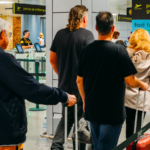
The most noticeable change should be shorter waiting times at arrivals. Photo credit: Alexandre Rotenberg/Shutterstock

If you have ever landed in Portugal during peak summer and found yourself stuck in a slow-moving passport queue, you will know how quickly a holiday mood can disappear before you even leave the airport. That experience could soon become less common.

Portugal is bringing in hundreds of additional border officers at its busiest airports in an effort to reduce waiting times at passport control during the summer travel rush. For holidaymakers arriving in Lisbon, Faro, Porto and other key destinations, it could mean a noticeably smoother start to their trip.

What is changing at Portugal airports?

Around 367 extra border officers are being deployed as of Monday, June 5, across Portugal’s main airports, with the aim of speeding up passenger processing during peak arrival periods. The extra staff will be focused on the country’s busiest entry points, including Lisbon, Porto and Faro, where queues have often built up when multiple international flights land within short periods.

Smaller but heavily used airports such as Madeira and the Azores are also expected to benefit. The goal is straightforward. Reduce congestion at passport control and move passengers through arrivals more efficiently at the height of the summer season.

Why airport queues have become a problem

Portugal remains one of Europe’s most popular short-haul holiday destinations, with millions of visitors arriving every year, particularly from the UK, Ireland and other European countries. During peak months, airports often see a sharp concentration of arrivals within tight time windows. When several flights land close together, passport control areas can quickly become overcrowded.

This has led to long queues in arrivals halls, with passengers sometimes waiting extended periods before they can leave the airport. For families, late arrivals or those with onward transfers, these delays can be particularly frustrating. Airport authorities have faced increasing pressure to improve flow without compromising border security checks.

What the extra officers will actually do

The new border officers will be placed directly in passport control areas where queues tend to form. Their role is to help manage passenger flow, open additional processing capacity where needed and reduce bottlenecks during peak arrival times.

In other words, this should mean more desks operating during busy periods and quicker movement through immigration checks when several flights arrive at once. Passport checks will still take place as normal, but the added staffing is designed to prevent long backlogs forming.

What it means for holidaymakers

For travellers flying into Portugal this summer, the most noticeable change should be shorter waiting times at arrivals.Instead of long queues stretching through terminals, passengers are more likely to experience a steadier flow through border control, especially during peak afternoon and evening arrivals.

For families, elderly passengers or those arriving after late-night flights, even a small reduction in waiting time can make a significant difference to the overall travel experience. It could also reduce pressure on transfer connections, car hire pick-ups and onward travel plans, which are often affected when queues build up. However, officials are not suggesting that queues will disappear completely. Busy arrival periods are still expected during peak holiday weeks.

Why this matters for Spain-based travellers

For many readers in Spain, Portugal is a regular short-break destination, particularly for city breaks, coastal holidays and weekend travel.With frequent short flights between the two countries, even small improvements in airport processing times can have a noticeable impact on overall journey experience.

Faster passport control could make short trips more appealing, especially for travellers flying into Lisbon or Faro for quick getaways. It also comes at a time when travel demand across southern Europe remains strong, placing continued pressure on airports to handle high volumes efficiently.

Will it solve the issue completely?

While the extra staffing is expected to ease congestion, it is unlikely to eliminate queues entirely during the busiest summer periods. Airports across Europe continue to face fluctuating passenger numbers, peak-time surges and strict border processing requirements, all of which can create delays when flights arrive in clusters.

However, aviation experts often point out that increasing staff at passport control is one of the fastest ways to improve flow without major infrastructure changes. In that sense, the move is seen as a practical step to manage pressure during peak season rather than a long-term structural fix.

A smoother arrival experience?

For now, holidaymakers heading to Portugal this summer may notice the difference as soon as they step off the plane. If the extra officers succeed in easing the queues, arrivals could feel faster and less stressful, helping passengers move through the airport with fewer delays. While queues are unlikely to disappear entirely, the expectation is that travellers will spend less time waiting at passport control and more time starting their holiday.

Continue Reading
Advertisement
Advertisement

Spanish Real Estate Agents

Tags

Trending

Copyright © 2017 Spanish Property & News