
Home sales
Spain’s housing market starts to cool confirms new report

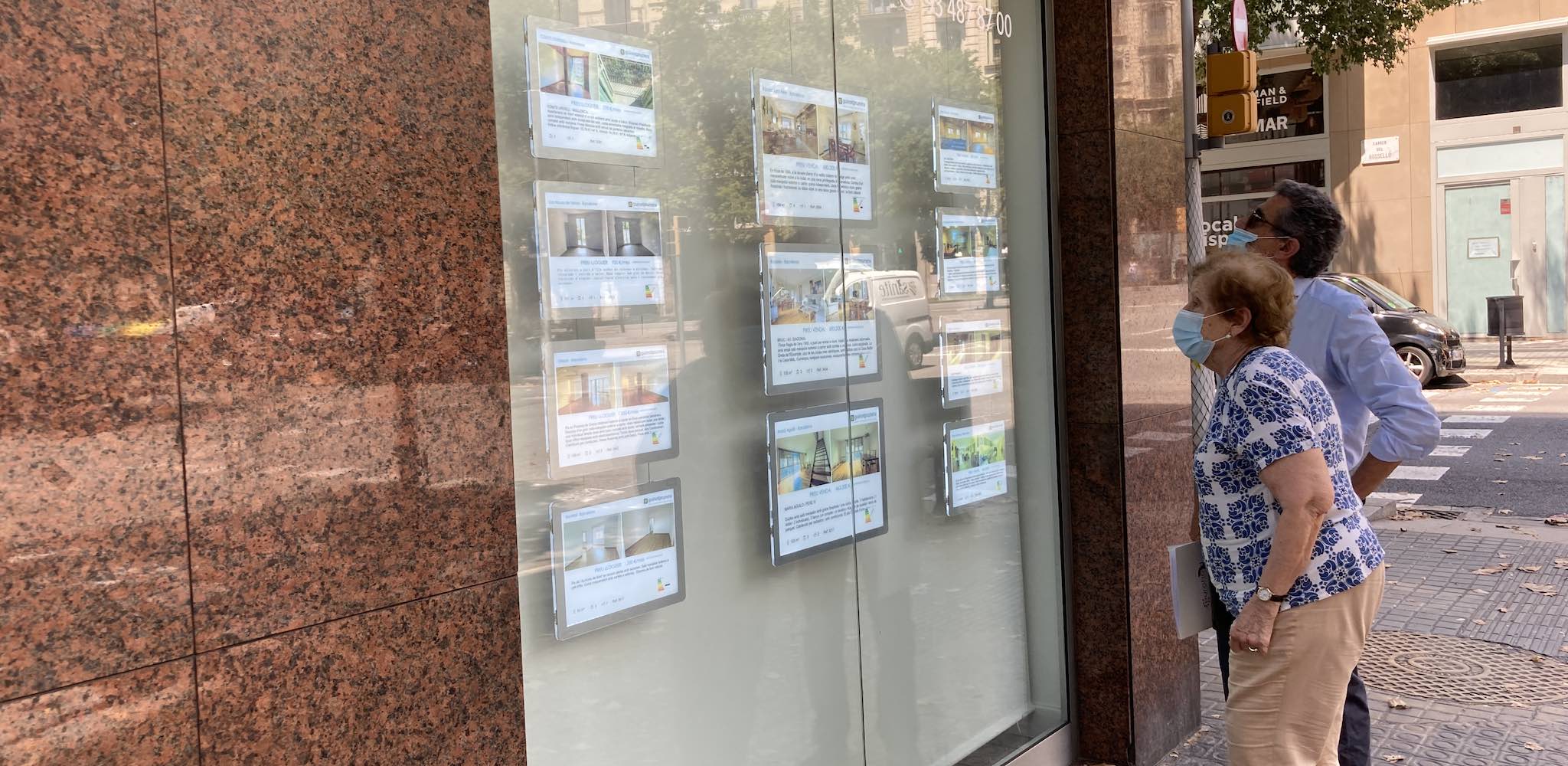
Spain’s housing market is starting to lose momentum as soaring prices, tighter mortgages, and worsening affordability begin to squeeze buyers out of the market, argues the think-tank Funcas.
After several years of boom conditions, the latest data suggests the Spanish property market may finally be entering a cooler, more selective phase—though a slump is not on the cards.
According to the latest figures from the Spanish National Statistics Institute (INE), home sales in Spain fell year-on-year for three consecutive months at the start of 2026. In the first quarter overall, transactions declined by 2.6%, with new home sales suffering an even sharper slowdown.
At the same time, house prices continue to rise strongly in many parts of the country, particularly in big cities and popular coastal markets. That combination—falling sales but rising prices—is often one of the first signs that a market is running out of steam.
Spain’s highly-regarded economics think tank Funcas says the market is now entering a phase of “stabilisation at a relatively high level” and warns that activity could contract further in coming quarters. The reasons are hardly mysterious: tighter financial conditions, a slowing economy, and households increasingly struggling to afford property.
In other words, prices kept rising long after buyers’ purchasing power stopped keeping up.
Buyers are being squeezed out
The affordability problem in Spain has become increasingly severe. Various studies from the Bank of Spain, the OECD and BBVA Research have warned for some time that buying a home now requires an enormous financial effort, especially for younger households and middle-income families.
Oxford Economics estimates that the average Spanish household now needs around eight years of gross income to buy a property—levels not seen since before the global financial crisis.
In regions like Catalonia the picture is even worse. Estimates suggest buyers need to save more than €500 per month for almost 13 years just to accumulate a deposit and buying costs.
At the same time, mortgage conditions are becoming more restrictive again after the recent rebound in Euribor rates and expectations of further European Central Bank rate hikes. Banks are also becoming more cautious as inflation and slower economic growth increase risks.
The result is obvious: fewer people can afford to buy at current prices.
Why prices are still rising
Despite the slowdown in demand, most analysts do not expect a dramatic collapse in prices. Spain still has a structural housing shortage, especially in major urban areas and popular coastal regions.
The Bank of Spain has repeatedly warned that the country is simply not building enough homes to meet demand. The IMF has also urged Spain to free up more land and speed up planning approvals to increase supply.
That shortage of housing is likely to prevent a 2008-style crash. But it could lead to a prolonged period of weaker sales activity, slower price growth, and price corrections in some overheated areas.
The Spanish property market increasingly looks like it is moving into a new phase: less buoyant, more cautious, and far more constrained by affordability than at any point in recent years.
For buyers, that could eventually mean more negotiating power. For sellers, it may mean the days of effortless sales at ever-higher prices are starting to fade.


S
Shocking video of Barcelona thieves ramming Catalan police car amid gunfire

Barcelona Police Drama: Three Lorry Thieves Ram Police Car


-

 Competiciones3 weeks ago
E
-
blackout April 20252 weeks ago
Insurance company Mapfre decides to pay out €14 million compensation for 2025 blackout
-
Costa del Sol4 weeks ago
Why home care is the new gold standard for living well in Spain
-
 Foreign demand2 weeks ago
Who Bought Where In The Second Half Of 2025?
-
Animal protection law4 weeks ago
Spain moves to redefine legal pets as draft law raises wider welfare concerns
-

 America3 weeks ago
E
-

 New Developments3 weeks ago
Luxury Villas For Sale, Estepona – ProjectL1
-

 New Developments3 weeks ago
Stylish 3-Bedroom Apartment With Panoramic Sea Views – Benalmádena