Air conditioning
The new EU air-con rule that could save Spain households money this summer


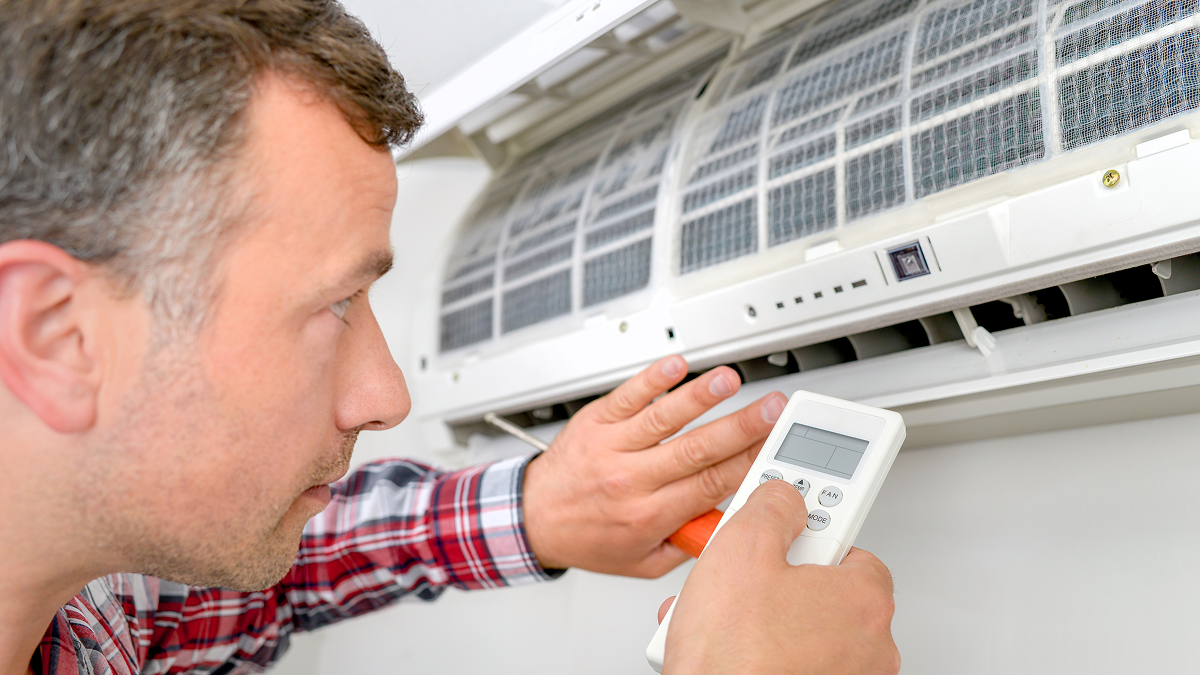
This new EU air-con rule could cut Spain summer bills. Credit: Phovoir / Shutterstock
A proposed EU rule would make installers show energy-efficiency labels when sending quotes for air-con, boilers and other appliances. For households in Spain buying cooling systems during hotter summers, the change could make it easier to compare running costs before accepting a rushed installation.
Why a cheap air-con quote can become an expensive summer bill
For many households in Spain, and with a heatwave in full swing across Europe, buying air conditioning is no longer a luxury decision made months in advance. It often happens when the heat has already arrived, sleep has become impossible and the priority is getting a unit fitted as soon as possible.
That is where the cost traps can appear.
The price on the installation quote is easy to compare. The running cost over the next five, ten or even 15 summers is harder to judge, especially when the buyer never sees the model in a shop or checks its full specifications online.
A lower upfront price during hotter periods may still be tempting. But if the system uses more electricity, is badly matched to the room, is noisy, or performs poorly in heating mode during winter, the cheaper quote can become the more expensive choice over time.
In many homes in Spain, people rely on split air-conditioning units not only for cooling in summer, but also for heating during colder months.
How the EU wants installers to change air-con quotes
The European Commission has proposed changes to EU energy-labelling rules that would make the system clearer for customers buying appliances through installers.
Under the proposal, installers who sell, hire or hire-purchase energy-labelled products as part of their commercial activity would have to include the relevant energy consumption label in purchase invitations and contractual offers. Put simply, that means the customer should be aware of the product’s energy information before accepting the quote, not after the installation has already been agreed.
The proposal covers energy-related products such as air-conditioning units, boilers and kitchen appliances. It is aimed at a gap in the current system: many people buy these products directly through installers, repairers or fitters rather than choosing them from a shop floor where the label would usually be visible.
The measure is not yet active law. It still has to go through the EU legislative process before final rules are agreed. But the lesson already applies this summer: ask for the label before saying yes.
Why Spain households may notice the difference during hotter summers
Air conditioning is becoming a bigger part of everyday life across Europe as heatwaves become more frequent and more households look for ways to keep homes liveable.
The European Commission’s own product information shows that room air conditioners installed in Europe increased from fewer than 7 million in 1990 to more than 57 million in 2020. The estimate for 2030 is more than 100 million units, including around 70 million in households.
An air-con unit is not just a one-off appliance. It can shape electricity use every summer, affect comfort at night, influence winter heating costs if it is reversible, and add noise inside or outside a property.
For owners of older homes, coastal apartments, rental properties and holiday lets in Spain, the model chosen can also affect future tenants or guests. Renters may not control the purchase themselves, but they can still ask landlords or agents what system is being installed and whether the energy label is available and affordable.
Which details buyers can ask for before accepting a quote
Until the proposed EU rule becomes law, households can still ask installers for the same information.
For air-conditioning units, the label and product information can show details such as cooling efficiency, heating efficiency for reversible units, estimated consumption, sound levels and capacity.
Buyers should also ask whether the unit is suitable for the size and layout of the room. An undersized system may struggle to cool the space. An oversized system may cost more than necessary and run inefficiently.
A written quote should ideally show the equipment model, installation cost, warranty, maintenance requirements and any extra work needed, such as electrical upgrades, outdoor-unit placement or community permission in apartment buildings.
The bill-saving check before the rule becomes law
The proposed EU change’s value is in making running-cost information harder to hide or forget during the buying process.
For anyone in Spain replacing an old unit, installing air-con for the first time, upgrading a holiday home or asking a landlord to improve cooling, the useful question is not only “how much does the installation cost?”
The better question is: “How much is this going to cost in the long run, and can the installer send the energy label and product information sheet with the quote?”
That small pause may not feel urgent during a heatwave. But it could be the difference between cooling a home this summer and paying more than necessary for years afterwards.