Connect with us

%

Moving To Rural Spain: Cheap Rent Vs. The Realities Of Village Life

Published

on

moving-to-rural-spain:-cheap-rent-vs.-the-realities-of-village-life

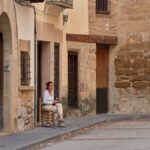
While social media highlights the dream of escaping to rural Spain, the quiet reality of daily village life involves smaller communities, older infrastructure, and a much slower pace. Credit: Uvamen / Shutterstock

A British couple recently turned up in one small village in inland Spain and rented a three bedroom flat for less than what some people now pay for a parking space back home.

That sort of story is exactly why rural Spain keeps taking over social media. Videos about abandoned villages, cheap houses and quiet lives in the countryside seem to appear every day now, usually with somebody standing in front of a stone house explaining how they escaped city life.

Spain has been trying to tackle rural depopulation for years, with some villages even offering incentives to attract newcomers.”

But when people already living in these places started talking honestly online about what life is actually like, the conversation became much more interesting than the usual “move to Spain” fantasy.

“We need people here”

The conversation began on Reddit after somebody asked whether anyone had actually moved to one of Spain’s so called ‘dying villages’ after seeing the trend explode on Instagram and TikTok.

One woman living in a village in Extremadura described a place where children still spend all evening outside on bikes, neighbours leave doors unlocked and people share vegetables, olive oil and whatever else they have grown that year.

Some inland areas of Spain have spent years trying to stop villages disappearing altogether.

At the same time, she admitted the village has been shrinking for decades.

There are more than 100 empty homes sitting unused, younger people keep leaving for bigger cities and several shops have already disappeared. Ten years ago the village had over 2,000 residents. Now it is closer to 1,200.

Still, she said she would not swap the lifestyle. Rent for a three bedroom flat in the area is around €300 a month and some rundown houses with land sell for prices that sound almost impossible compared to Britain, Ireland or northern Europe.

The problem is work – that was the part nearly everybody agreed on.

Most people making it work already have money coming in

The people who sounded happiest living in rural Spain were usually remote workers, retirees or families who already had wages, savings or pensions sorted before arriving.

One Spanish man who moved back from abroad with his family said they now live in a house three times larger than their old city apartment while paying far less each month.

Others said a few extra families arriving with outside money can make a genuine difference in villages that are slowly emptying. The local bar stays open, tradespeople get work, and schools survive a bit longer.

However, several people warned that anyone arriving expecting lots of local job opportunities is probably going to struggle.

The thing everybody asked about was fibre internet

Not beaches, Not weather, Internet again and again, the conversation drifted back towards broadband speeds, mobile coverage and video calls freezing halfway through the working day.

One woman living in rural Galicia said she eventually gave up waiting for proper fibre installation and switched to Starlink instead after months arguing with providers. Another said internet in many villages is actually much better than outsiders expect now, especially in northern Spain.

Still, it was obvious that for remote workers the dream only works if the connection does too. Beautiful mountain views are less impressive when your work meeting crashes three times before lunch.

Some people love the peace, others find it lonely

One of the more honest parts of the discussion came from people admitting that village life can feel very different in winter compared to summer.

The photographs online usually show sunny terraces, fiestas and long outdoor lunches. What they do not show are freezing old stone houses in January, hour long drives to sort paperwork or the reality of living somewhere where everybody notices immediately that you are new.

Several foreigners said learning Spanish properly made a huge difference to whether they felt welcomed or isolated. Others admitted they loved visiting rural Spain but could not imagine living there full time.

One woman whose husband comes from a tiny village in Soria described places where there are barely any residents left apart from elderly neighbours and abandoned homes. “There’s a reason people left,” she wrote bluntly.

The people already there are tired of the fantasy version

A few residents sounded frustrated by the way rural Spain is increasingly sold online like some kind of hidden paradise waiting for foreigners to arrive. Behind the cheap houses and pretty photographs are places struggling with ageing populations, closed businesses and younger generations moving away year after year.

One person described watching shops disappear one by one while homes slowly fell apart from neglect. Another said outsiders often arrive imagining a peaceful film version of Spain without understanding how hard life can feel once the novelty wears off.

At the same time, many villagers openly admitted they do need newcomers if these places are going to survive long term. That contradiction ran through almost every comment.

Why the idea still appeals to so many people

Even after all the warnings, plenty of people reading the discussion still said they would move tomorrow if they had the chance. And honestly, it is not difficult to understand why.

A quieter life, cheaper housing, less stress and children growing up outdoors instead of glued to screens sounds increasingly attractive to people exhausted by crowded cities and rising costs.

Nobody in the discussion pretended village life was perfect. But plenty of people clearly feel modern city life is not working particularly well either.

%

Tobacco Prices Change Again In Spain

Published

on

tobacco-prices-change-again-in-spain

New tobacco prices are now in effect at tobacconists across Spain. Credit : Pierre-Olivier, Shutterstock

Anyone buying tobacco in Spain this week may notice a different price at the till. A new government resolution has updated the official retail prices of 118 tobacco products, affecting everything from premium cigars and pipe tobacco to snuff and shisha products sold across mainland Spain and the Balearic Islands.

For smokers, it is often one of those expenses that quietly creeps up over time.

A few cents here, a few cents there, and before long the cost of a daily habit looks very different from what it did a few years ago.

The latest changes came into force after being published in Spain’s Official State Gazette, known as the BOE. The update covers 118 tobacco products and applies to sales in tobacconists and authorised vending machines across mainland Spain and the Balearic Islands.

While many people associate tobacco price increases with tax rises, that is not always what is happening.

In this case, the changes are linked to a new list of official retail prices communicated by manufacturers and importers and subsequently published by the authorities.

For smokers, however, the reason often matters less than the final figure on the price tag.

Why tobacco prices keep changing in Spain

One of the most common misconceptions is that the Spanish government directly decides the price of every tobacco product sold in the country.

The reality is slightly different.

According to tobacco company Altadis, manufacturers and importers are free to set their own retail prices. Once those prices are communicated to the authorities, they must be published in the BOE through the Commissioner for the Tobacco Market before they can be applied.

That publication process is why tobacco prices regularly appear in official government bulletins.

It is also why changes can happen several times throughout the year rather than as part of a single annual update.

Sometimes prices go up. Occasionally they go down. In other cases, new products simply enter the market and receive their official selling price for the first time.

The latest resolution contains a mixture of updates affecting products across several categories.

Premium cigars feature heavily in the new list, alongside pipe tobacco, snuff and a large number of shisha tobacco products.

Smoking has become dramatically more expensive over the years

The latest update also highlights a much bigger trend that has been unfolding for decades.

The cost of smoking in Spain today bears little resemblance to what smokers paid in previous generations.

Back in 1990, a packet of cigarettes cost the equivalent of around €0.65. By the early 2000s, the average price had climbed to approximately €2.50.

Fifteen years later, smokers were typically paying around €4.45 per packet.

Today, many well known cigarette brands are commonly priced between €5 and €7, with some products costing considerably more.

The increase has not happened overnight. Instead, it has been the result of years of tax increases, regulatory changes and pricing decisions by manufacturers.

For younger smokers, today’s prices may seem normal. Older smokers, however, often remember a time when buying cigarettes cost only a fraction of what it does now.

That steady increase is exactly what health authorities have been aiming for.

Which tobacco brands have changed price this week?

The latest BOE resolution affects 118 tobacco products across several categories, including cigars, cigarillos, pipe tobacco, shisha tobacco and snuff. Among the products receiving updated prices are:

Premium cigars and cigarillos

  • Arturo Fuente Hemingway Short Story (15 pack): €13.90
  • EPC Encore El Primero: €15.50
  • EPC Endure Robusto: €15.20
  • EPC Endure Toro: €17.40
  • EPC Pledge Sojourn Toro: €18.50
  • Macanudo Inspirado White Short Corona (5 pack): €4.80
  • Plasencia Reserva Original Robusto (2 pack): €12.60

Luxury cigar presentation boxes

  • Arturo Fuente Opus X Perfecxion Oro Oscuro (3 pack): €121.90
  • Arturo Fuente Opus X Robusto Oro Oscuro (3 pack): €113.80
  • EPC Triumph by E.P. Carrillo (3 pack): €45.00
  • Plasencia Alma Fuerte Nestor IV (5 pack): €126.00
  • Plasencia Alma Fuerte Robustus I (5 pack): €117.00

Pipe tobacco

  • Brookfield No. 1 (50g): €5.00
  • Brookfield No. 1 (200g): €18.30
  • Capital Bra 365 Tage (50g): €4.95
  • Eastenders Original Blend (100g): €7.90
  • Eastwood Original Blend (100g): €7.90
  • Kingston Red (100g): €7.90
  • Stanley Original Blend (100g): €7.50

Shisha tobacco

  • Mr. Shisha 1000K (50g): €4.85
  • Mr. Shisha Babilonia (200g): €17.00
  • Mr. Shisha Pomaye (950g): €75.00
  • Mr. Shisha Summer Sunset (200g): €17.00
  • Stral Huwa (50g): €5.00
  • Stral Mancoton (200g): €17.90

Why tobacco carries such high taxes in Spain

Few consumer products in Spain are taxed as heavily as tobacco.

According to official figures, excise duties and VAT account for close to 80 per cent of the final retail price of a packet of cigarettes.

The policy serves two purposes.

The first is obvious. Tobacco taxation generates substantial revenue for public finances.

The second is linked to public health.The World Health Organization has repeatedly identified higher tobacco taxes as one of the most effective ways to reduce smoking rates, particularly among young people who are often more sensitive to rising prices.

Health experts argue that when tobacco becomes more expensive, fewer people start smoking and some existing smokers reduce their consumption or quit altogether.

Whether that happens in practice is often debated, but the link between taxation and anti smoking policy has been firmly established in Spain and across much of Europe for years.

The latest price update includes products ranging from low cost tobacco blends to luxury cigars priced at more than €120 per presentation pack.

For most consumers, the changes are unlikely to make national headlines.

But for regular smokers who buy tobacco every week, they are the sort of adjustments that tend to be noticed immediately.

And with prices continuing to evolve throughout the year, checking the latest updates has become almost as routine as visiting the tobacconist itself.

Continue Reading

%

Rincon De La Victoria Land Rights – Become A Land Developer For €1

Published

on

rincon-de-la-victoria-land-rights-–-become-a-land-developer-for-e1

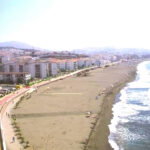
Rincon de la Victoria. Credit: Diputación de Malaga

Property developers and investors can now have the chance to snap up valuable buildable land rights in Rincon de la Victoria through a new online auction starting at symbolic €1.

The auction relaunch follows no bids in the initial round

Specialist platform Escrapalia relaunched the sale of development rights tied to Finca Registral 3219 within sector UR R-3 Los Algarrobos in the Malaga area. Auctioneers originally set the starting auction price last month at just over €33,000 with no offers received. They now value the asset at €63,700 and list it for symbolic bids from €1.

Substantial buildable space awaits the successful bidder

Rights cover more than 360 square metres of floor area dedicated entirely to free housing without any social housing quota. This factor boosts appeal compared to similar zones along the Malaga coastline. The original plot size reached 1,796 square metres and accounted for 2.23 per cent participation in the sector.

Auctioneers handled the land sale through economic reparcelling since it fell short of minimum size for an independent plot of land. Such measures transform the holding into a liquid and transferable asset suitable for various uses.

Urbanisation expenses form a key part of acquisition

The successful bidder will take on proportional urbanisation costs estimated at over €33,700 based on provisional sector accounts. Participants in the auction can apply this right as compensation currency in allocation surpluses or view it as a financial investment linked to final land value.

Bidding window closes early July

The current auction runs until 12.30pm on July 7. If you’re interested, registration on Escrapalia requires an €8,000 guarantee deposit, fully refundable for unsuccessful bidders.

The asset stems from the company liquidation process

Rights originate from the winding up of the company Promociones Barranco y Carrillo under the supervision of the Commercial Court in Cordoba. Potential buyers include promoters seeking to complete buildability on nearby plots, institutional investors focused on low-risk urban assets with strong liquidity, and funds targeting land appreciation across the Malaga metropolitan area.

Sector reaches advanced development stage

The Los Algarrobos area sits in the final urban development phase with an approved urbanisation project and completed environmental procedures. Council officials stand ready to issue building licences immediately. Location north of the A-7 motorway places the zone near established residential communities such as Montesol.

This opportunity delivers a low-entry route into Malaga province property development amid ongoing demand for housing stock in prime coastal locations. Participants benefit from full ownership flexibility and potential for swift project advancement once acquired.

Continue Reading

%

Cartagena Showcases Its Award-Winning Model For Senior Care As Budget Triples

Published

on

cartagena-showcases-its-award-winning-model-for-senior-care-as-budget-triples

Cartagena expands senior care with fair, services, and major investment. Photo Credit: Mark Timberlake / Unsplash

The Costa Calida city of Cartagena has given a historic boost to its policies in aid of seniors in the municipality with the 16th edition of the Senior Citizens’ Fair, an event that brought together a total of 42 organisations in the Parque de los Juncos. The fair also represents the tripling of the budget for the aid to seniors in the last two years, and this “comprehensive and successful model of active aging” will be presented to the World Health Organisation in San Sebastian as a glowing example of how to help the more elderly residents of the municipality.

A vibrant celebration of senior citizens with everything from health checks to live performances

The 16th Senior Citizens’ Fair, which was open on Saturday, June 13 and Sunday, June 14, was a vibrant showcase of the resources available in Cartagena for the elderly population. The event featured a strong presence from local neighbourhood associations, women’s groups, senior citizens’ clubs (including those in Perin, El Albujon, Miranda, and Santa Ana), and non-profit organisations, including the Red Cross and Caritas San Diego.

During the weekend, attendees had uninterrupted access to hearing tests, blood pressure checks, blood glucose tests, and diabetes screenings. The fair’s programme, apart from these health-related initiatives, also included a fun aspect, with demonstrations and workshops, collections for charities, social events, musical performances, and active events.

Active participation to commemorate World Elder Abuse Awareness Day

Additionally, Sunday, June 14 saw a strong social focus to the fair with the commemoration of World Elder Abuse Awareness Day, which is officially observed on Monday, June 15. Cartagena observed this day with an active hike along the Senior Trail to the Castillo de la Concepcion at 11:30am, as well as a reading of the institutional manifesto to reaffirm Cartagena’s commitment to the well-being and protection of its senior citizens.

Projects to protect senior citizens in Cartagena

In total, the 42 active organisations participating in the Senior Citizens’ Fair boast more than 10,000 members across the Region of Murcia and beyond. These organisations work to prevent and combat senior loneliness, make the digital divide more manageable for seniors, help boost health initiatives, and tackle other problems that disproportionately affect the older residents of the Costa Calida.

One such project is ‘Neighbourhood Neighbour,’ an initiative created to combat unwanted loneliness and which is already operating successfully in areas including the Old Town, San Anton, and El Algar, and will soon reach Pozo Estrecho.

The Cartagena City Council, in total, has exceeded €11 million in its investment to essential services for senior citizens, including home care, respite care, telecare, and day centres.

Continue Reading
Advertisement
Advertisement

Spanish Real Estate Agents

Tags

Trending

Copyright © 2017 Spanish Property & News