
Barcelona
Wendy Brown, Political Scientist: ‘Our Organization Of Life Is Unsustainable And We Know It’

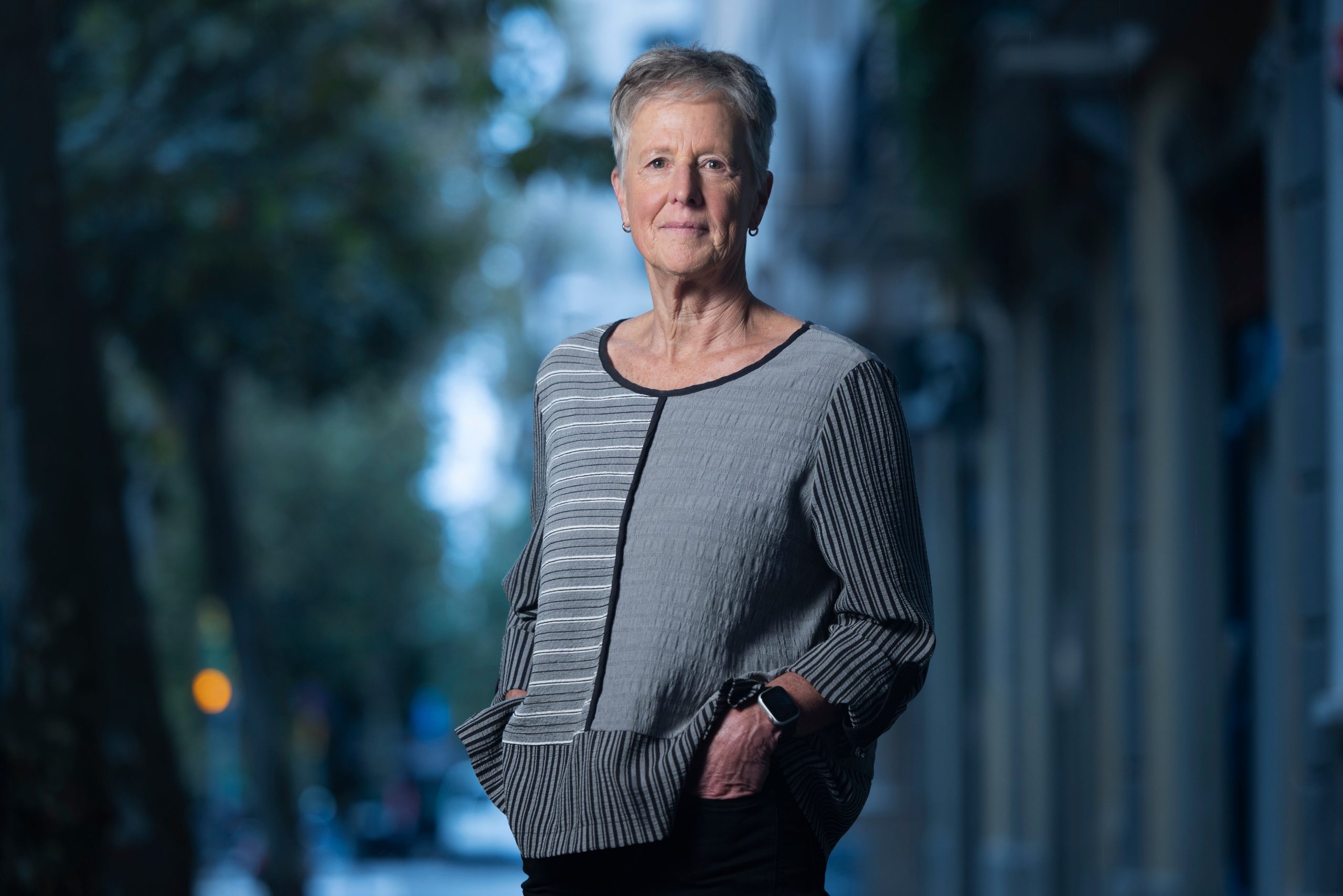
In this in-between moment, after everything and before whatever comes next, political theorist Wendy Brown focuses on the fundamental questions. She speaks about the significance of the upcoming elections, the nihilistic spiral of neoliberalism, the deep problem of naturalized masculinist logic, the demands shared by voters on the left and the right, and the social movements searching for a way out of a world in flames, stoked by opportunistic demagogues.
Brown is the UPS Foundation Professor in the School of Social Science at the Institute for Advanced Study in Princeton and emerita professor of political science at the University of California, Berkeley. Long before that, she was an outstanding student — as classmates at Thomas Downey High School recall on Facebook — who was able to continue her education thanks to the public scholarship system.
But her education did not stop in the classroom. She was also shaped by the anti-Vietnam War, anti-imperialist, anti-racist, feminist and LGBTQ+ movements of the 1960s and 1970s, which transformed the U.S. landscape and, by extension, the world beyond it.
The political theorist shares her life with philosopher Judith Butler, and together they form one of the most influential intellectual partnerships in contemporary thought. She is the author of books such as Walled States, Waning Sovereignty; States of Injury; In the Ruins of Neoliberalism and Nihilistic Times.
In an age of anger and distraction, the California-born scholar keeps her focus, urging people to look beyond today’s bleak realities and to work toward building a reparative democracy.
Brown, who was in Barcelona for the Bienal del Pensament, meets with EL PAÍS in a hotel in the city’s Eixample district. At one point during the conversation, she gets up to close four doors: the noise from outside, together with the strains of How Deep Is Your Love by the Bee Gees playing over the hotel sound system, makes it difficult to follow the flow of her thoughts.
Question. You say neoliberalism is not only an economic system. What do you mean by that?
Answer. Michel Foucault helped us understand that beyond the economic realm, neoliberalism also shapes social life, family and values. We know this intuitively because we see its effects: each of us has to be entrepreneurial, constantly attending to our own value… Neoliberalism also reshapes concepts like freedom and equality to suit itself, casting equality as the right to compete or freedom as the right to develop as an economic individual. All this has a very powerful effect. It hollows out democracy, it de-democratizes us, it de-politicizes us, and it makes us oriented simply toward questions about economic value.
Q. The reality is that tragedies such as ecocide and genocide are being enabled by democratic governments. Is democracy losing its meaning?
A. Yes. Liberal democracy, as a governing form, is exhausted. It can’t solve the climate emergency, the dismantling of the welfare state or the increasing numbers of people living at a barely sustainable level.
Q. In this context of intensified neoliberalism and the rise of the far right, to what extent is it a response to the decades-long process of dethroning the white man from the top of the political, social, cultural and domestic hierarchy?
A. The far right is a form of neoliberalism. Middle-class white men have suffered a loss of place as a result of neoliberalism, but they scapegoat women, migrants and the rest of the world. At the same time, they are also reacting to feminist and anti-racist challenges to their ownership of the world. The combination of neoliberal dethronement and the challenges posed by social movements is producing a tremendous reaction, fueled by opportunistic right-wing demagogues.
Q. Neoliberalism threatens our lives, our communities and the planet. What role does nihilism play in this?
A. Nihilism is an emptying, a loss of shared values, and neoliberalism pushes nihilism to levels never seen before. What it does is reduce the value of any aspect of life — social encounters, love — to its price, and that is a severe form of nihilism. The combination of nihilism with fatalism — the idea that there’s no stopping the planet’s trajectory, droughts, fires, dictatorships — leads us into an emergency. What matters is to introduce the question of what can and must be done.
Q. People talk about apathy, yet protest movements are spreading across France, Serbia, India, Ecuador, the U.S. and Spain.
A. Yes, each in its own way, these are movements that contest that fatalism and nihilism. Faced with the growing disaster of capitalist right-wing politics, with humanitarian tragedies and ecocide, there are people — somewhat in the spirit of the anti-WTO protests of the 1990s— saying “another world is possible.” We see it in the groups that have fought for years to protect the Amazon, or the Latin American feminist movement Ni Una Menos [against femicide]. There’s a cry of “we have enough,” and we want a different way of life.
Q. How can those forces be channeled politically?
A. We must transform the democratic system, not center it on individual interests but on the idea of producing life conditions. We should move toward a model I call reparative democracy, based on taking care of one another, a model more oriented to stopping, controlling and repairing the damages caused by neoliberalism. Our organization of life is unsustainable and we know it.
Q. What should the role of the left be?
A. Its unfinished task is building coalitions beyond sectarian politics. The right is good at that. In my country, figures like Steve Bannon, who can’t stand the tech bros, know they must keep them on board, together with various Republican groups and the financial powers… They stay firm, united, and that is how they win. The left must learn to make coalitions and not be afraid of seizing power.
Q. In Spain, there is a perception that we have a lot at stake in the upcoming elections in November. Is it the same in the United States with the midterms?
A. Yes, it is a very important election. The damage that the Trump regime does to basic institutions, to poor and working people and, especially, to the planet must be stopped. The truth is that most people have moved well away from the center to the left or the right. But at the same time, voters are in some respects more connected than they realize. There is a shared rejection of a world ruled by elites, of corruption, and of data centers… Political movements, like [New York Mayor Zohran] Mamdani’s, are focusing on basics, working to provide affordable housing, food and transportation, and that appeals to many people. There are common concerns, and that could transform politics.
Sign up for our weekly newsletter to get more English-language news coverage from EL PAÍS USA Edition













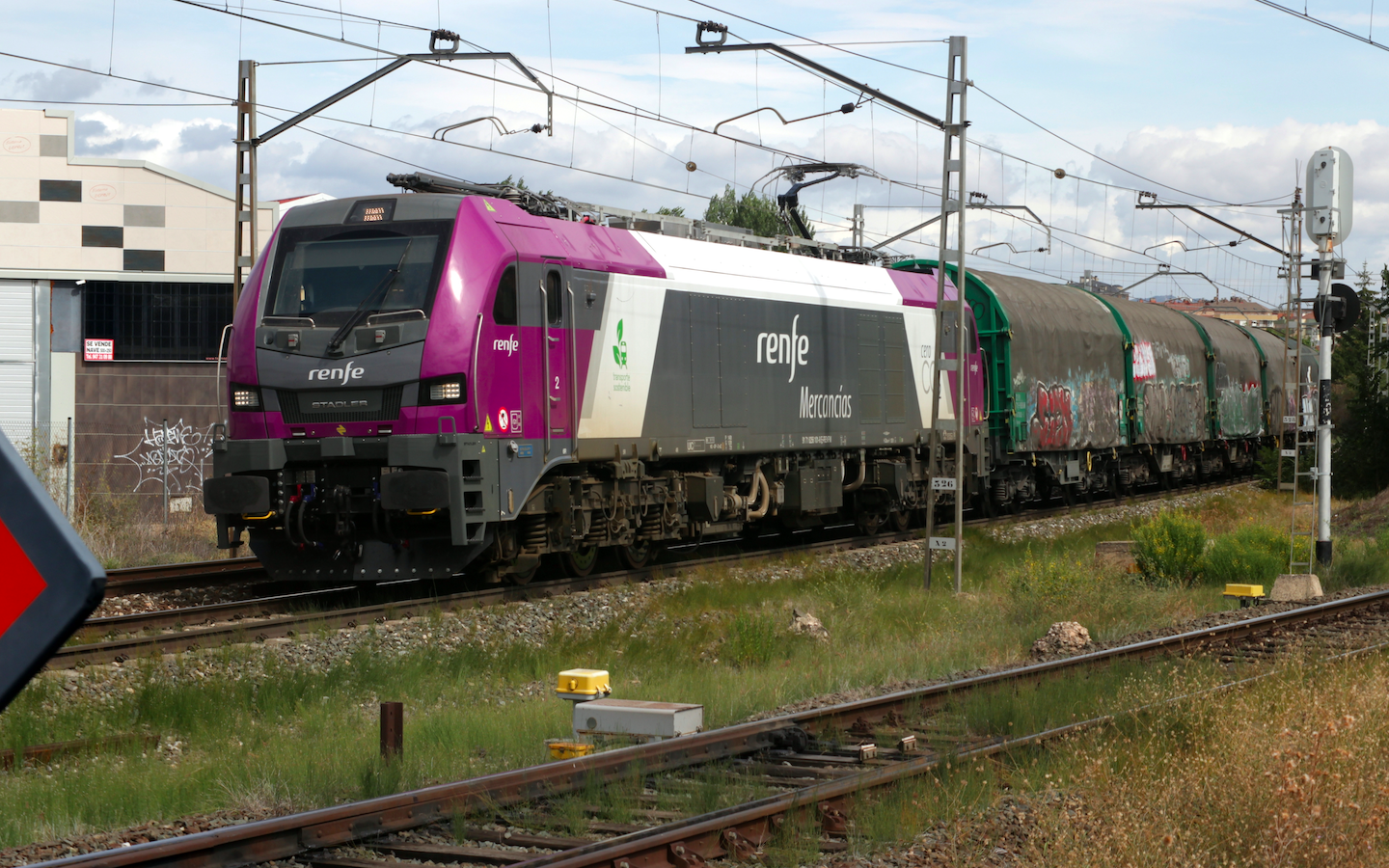
The wagons came loose from a private railway siding. Photo credit: Victor Martin Dorronsoro/Shutterstock
Spain’s railway problems have been making headlines for weeks, but Tuesday brought another worrying incident, this time involving a freight train in Martorell. Three wagons carrying cereal broke loose, derailed and crashed into a locomotive, sending its driver to hospital. The collision happened at around 3.20pm on November 3, on a railway connection serving Cargill, an international agricultural company with facilities in the Barcelona town.
The wagons came loose from a private railway siding and travelled onto the main railway network, where they struck a Renfe Mercancías locomotive. The impact caused the three wagons to derail. The driver was inside the locomotive‘s cab when the collision happened. He was taken to hospital following the incident, although Renfe said he was in good condition and that the hospital visit was carried out as a precaution under its safety protocol. He was later discharged. No other injuries were reported.
Three wagons escaped from private railway line
The incident took place on the private railway connection belonging to Cargill, which links the company’s industrial facilities to the wider railway network. Adif confirmed that the three wagons had become detached and left the private siding before reaching a section of the general railway network known as the Red Ferroviaria de Interés General (REFIG). They then struck the Renfe locomotive.
Renfe said its freight train was carrying out a manoeuvre when the incident occurred. The wagons were loaded with cereal, although the exact circumstances in which they became detached have not been established. There has been no confirmed explanation of why the wagons moved away from the private siding or what caused them to collide with the locomotive. The accident began on infrastructure connected to Cargill’s premises, rather than on one of the main passenger routes through Martorell.
Rodalies passengers escape disruption
Despite the collision taking place in a busy railway area, commuter services continued to operate normally. Renfe confirmed that the incident had not affected Rodalies services, while Adif also reported no disruption to railway traffic.
That meant passengers using the R4 and R8 lines were not faced with cancellations or delays as a result of the accident. The collision was confined to the freight operation and the private railway connection. The affected locomotive belonged to Renfe Mercancías, the company’s freight division, which operates goods trains across Spain’s railway network.
Another railway incident under scrutiny
The Martorell collision comes just days after the deadly high-speed train disaster near Urda, Toledo, on October 28, which claimed 69 lives. That accident involved passenger trains and has prompted intense scrutiny of railway safety and infrastructure.
The circumstances in Martorell are different and the latest collision involved freight wagons on a private railway connection rather than a high-speed passenger service. However, the fact that three loaded wagons were able to leave their siding and reach a locomotive on the main network raises questions that still need answering.
Right now the task is to establish how the wagons became detached during the railway operation and why they were not stopped before reaching the other train. Until those details are confirmed, the cause of the Martorell accident remains unknown.


 Travellers visiting Barcelona and Madrid can use one Horizon Spain eSIM across both cities, with prepaid data plans valid for 30 days and free hotspot sharing.

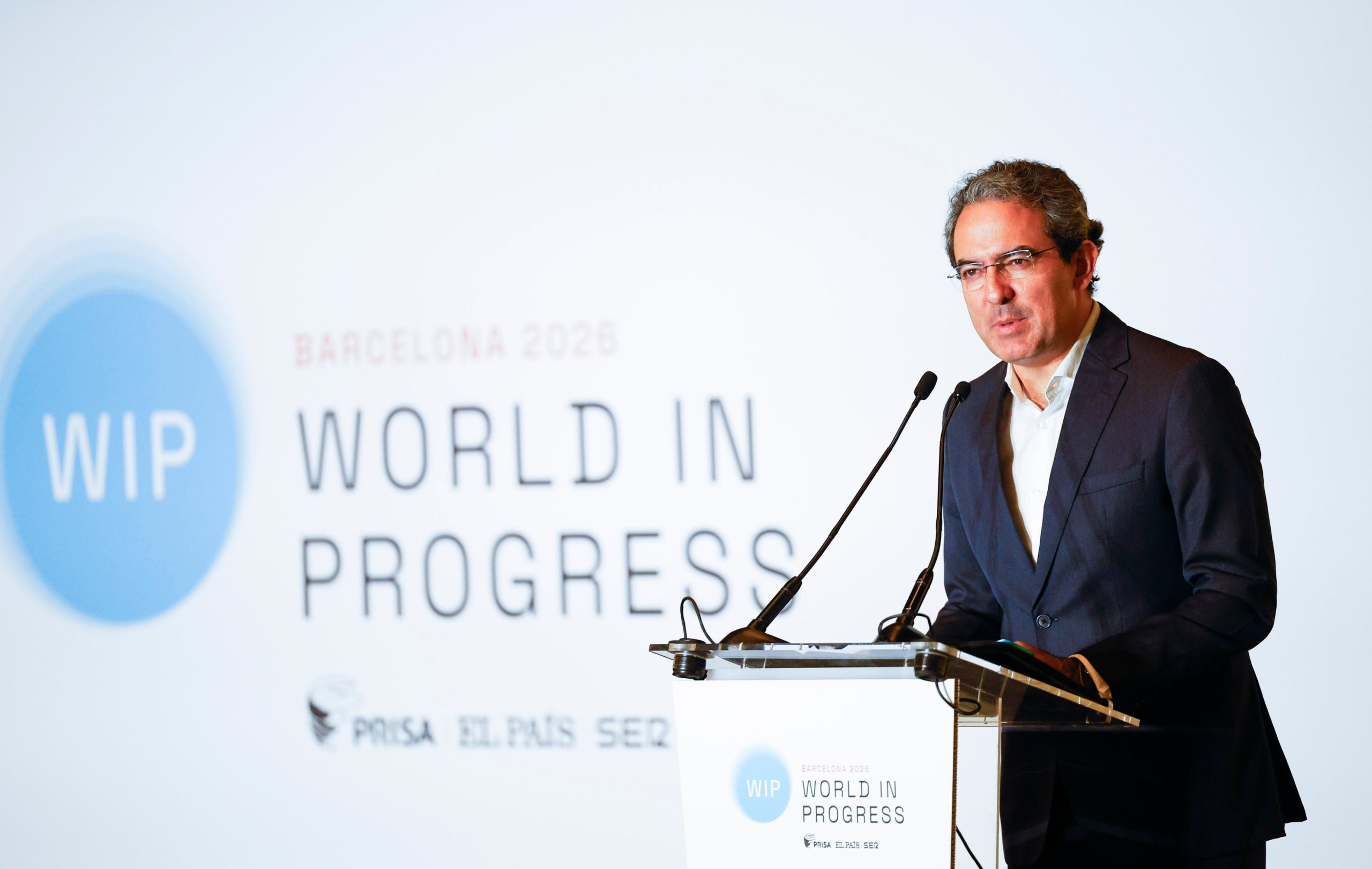
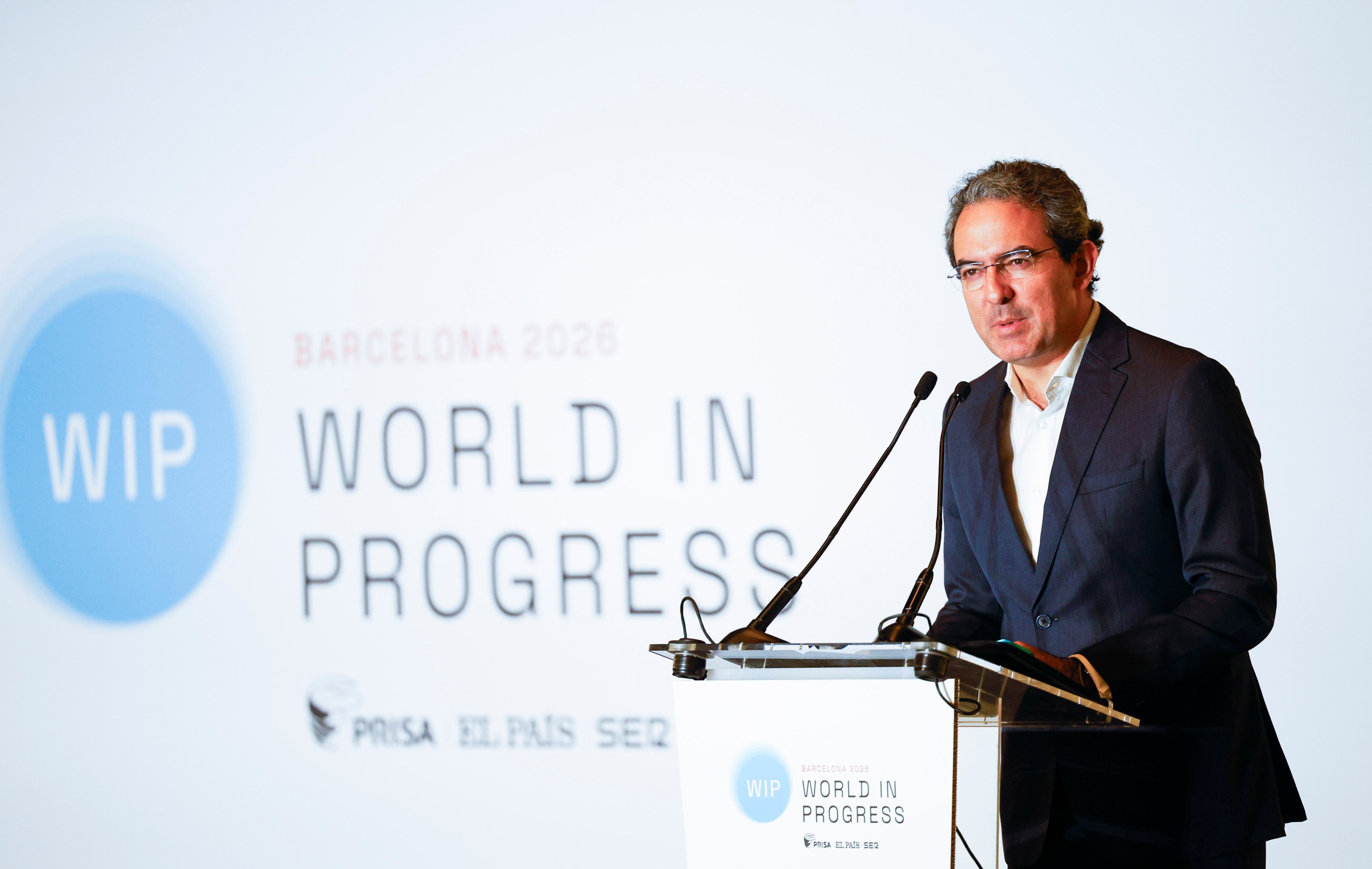
Este texto es una transcripción de las palabras pronunciadas por Juan Gabriel Vásquez antes de la cena de los intervinientes en el foro World in Progress Barcelona, organizado por el Grupo Prisa, EL PAÍS y la Cadena SER.

El Juez Rechaza Imputar A Zapatero Un Nuevo Delito De Malversación Por Las Joyas

Munch And Picasso: Two Giants Of Modern Art That Never Met But Come Together In New Malaga Exhibition
What Rights Do Workers In Spain Have Ahead Of The General Strike?


-
DGT3 weeks ago
Viral video in Spain sparks fury over drivers who ‘have no idea how to drive’
-

 Arabia Saudí4 weeks ago
Un Ataque De Los Hutíes Contra El Aeropuerto De Riad Causa Al Menos 12 Muertos Y Más De 300 Heridos
-

 America4 weeks ago
Un Tirador Mata A Ocho Personas En Una Vivienda En Pensilvania
-
Costa Blanca North4 weeks ago
Jávea opens historic lighthouse to the public with a new whale-watching viewpoint
-
Automated supermarket3 weeks ago
Spain’s 24-hour shop with no tills expands to Barcelona Airport
-
News from Spain4 weeks ago
Spain police warn parents over WhatsApp scam that uses their children’s real accounts
-

 %4 weeks ago
Concrete Balcony Slabs Collapse Onto Marbella Street
-

 America4 weeks ago
Trump Llega A Un Acuerdo Con Putin Para Que Rusia Libere Miles De Barriles De Diésel En Los Mercados Mundiales