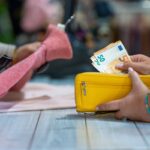
Paying with cash may help shoppers better control spending Credit : Markus Photo and video, Shutterstock
It feels like the easiest thing in the world. You finish your shopping, tap your card, and you are out in seconds. But research suggests that this everyday habit may be quietly pushing people to spend more than they intended, even on small, routine purchases like groceries.
A large international study published in 2024 found that people consistently spend more when they pay by card rather than cash. The difference is not dramatic on a single trip, but it shows up again and again across countries, shopping habits and age groups. Over time, it can add up.
Why paying by card changes how we spend
Most people would say they choose card because it is faster and more convenient. That is true, but that convenience also changes how we make decisions at the checkout.
When you pay in cash, there is a moment where you pause. You look at the total, open your wallet, count the notes or coins, and physically hand them over. It is a simple action, but it makes the cost feel real.
With a card, that moment is gone. You tap or insert, the payment goes through, and that is it. There is no physical sense of money leaving your hand.
Economists say this small difference matters more than we think. Because the payment feels less tangible, people are slightly more relaxed about spending. You are more likely to say yes to that extra item, or not question the total quite as much.
It is not about being careless. It is about how the process feels in the moment.
The ‘cashless effect’ researchers keep seeing
The idea that card payments can influence spending is not new, but the latest research has brought more clarity.
The 2024 study looked at 71 different pieces of research carried out in 17 countries, involving around 11,000 people. Across all of them, the same pattern appeared. When people paid without cash, they tended to spend a bit more.
Researchers describe the effect as small but meaningful. In real life terms, that could mean adding one extra item to your trolley, choosing a slightly more expensive option, or simply not noticing how quickly the total is rising.
Experts say one reason is that cash gives immediate feedback. You see what you are losing as you pay. With a card, that feedback is delayed. You might only realise what you have spent later, when you check your account.
That delay makes it easier to spend without fully registering it at the time.
Why cash still makes people think twice
There is a reason some people still prefer using cash, especially when they are trying to stick to a budget.
Paying in cash can feel uncomfortable when the total is high. That slight hesitation can act as a natural limit. It forces you to decide whether you really want to go ahead with the purchase.
With a card, that hesitation is often missing. The payment goes through so smoothly that the decision feels less significant.
This is especially noticeable with everyday spending. Supermarkets, cafés and small shops are exactly the places where people are most likely to make quick, unplanned decisions.
Over time, those small differences can build into a noticeable gap in spending.
What this means for your everyday shopping
For most people, going back to using only cash is not practical. Cards, phones and contactless payments are now part of daily life.
But being aware of the effect can make a difference.
Some shoppers choose to use cash when they want to keep tighter control over spending, for example during weekly grocery shopping. Others rely on banking apps to track what they spend in real time, which can help recreate that sense of awareness.
The key point is simple. The way you pay can influence how much you spend, even if you do not notice it.
That does not mean cards are a bad choice. They are convenient, widely accepted and often safer than carrying cash. But they can make spending feel easier, and that ease can lead to slightly higher totals.
A small habit that can quietly add up
What makes this finding interesting is how subtle it is. No one suddenly spends double just because they use a card. The change is small, almost invisible from one purchase to the next.
But over weeks and months, it can become more noticeable.
For people trying to manage their budget, especially with rising living costs, these small shifts can matter. A few extra euros here and there may not seem like much, but they can add up faster than expected.
So the next time you are at the checkout, it might be worth paying a little more attention to how you are paying. Not to change everything, but simply to be aware.
Because sometimes, it is not what you buy that makes the difference, but how you pay for it.









 New Developments2 weeks ago
 New Developments4 weeks ago
 New Developments2 weeks ago
 %2 weeks ago
 Uncategorized4 weeks ago
 Uncategorized4 weeks ago
 Uncategorized3 weeks ago
 Foreign demand4 weeks ago