%
British Expat’s Heart Failure Nightmare In Spain
Gareth and Katrina now and what was. Credit: GR
Just three years ago, Gareth and Katrina Robinson’s lives took an unexpected and terrifying turn.
Residents in Andalucia, what they initially put down to work stress turned out to be something far more serious. Gareth had been feeling unusually tired for a couple of days. He was getting sudden nosebleeds, dizzy spells, headaches, palpitations and severe leg cramps in the middle of the night. He looked grey-faced, and all he wanted to do was sleep it off.
Gareth had always been fit and healthy. He drank very little, slept well, kept active and had no reason to suspect anything serious was going on with his body. Had he decided to simply sleep it off, but Katrina sensed something wasn’t quite right and insisted they go to their local hospital, and from that moment onwards, the family’s life would look very different, as, without realising it, Gareth was in severe heart failure and moments away from a stroke.
Heart failure symptoms nearly killed healthy British expat in Andalucia
Euro Weekly News sat down with Gareth and Katrina to hear how this life-changing diagnosis took place and why they now feel compelled to support others facing the same journey.
EWN: One thing many people assume when heart issues enter their lives is that they will have to give up almost everything. How different did your lives actually become?
Gareth: My life changed overnight, but it has also shown me that there is hope, recovery and a new purpose after heart failure. My life has actually changed for the better as I listened to what my body was trying to tell me, and I have made those healthier choices and become stronger and fitter for it.
EWN: When you first heard the words “heart failure”, what went through your mind? Were there warning signs you had been ignoring, or did it feel completely out of the blue?
“I was drowning in my own blood”: Gareth’s shocking diagnosis at 15% ejection fraction
Gareth: It felt completely out of the blue. I had been putting all the symptoms down to stress — the tiredness, the nosebleeds, the palpitations, the cramps. I had no idea my heart was in such a bad way. The doctor later told us I was probably about 20 minutes away from having a stroke when we got to hospital. My ejection fraction (this is how the measurement is used to measure how strong the heart is pumping) was down to 15 per cent. That number still shocks me when I think about it. I was basically drowning in my own blood. If Katrina hadn’t insisted we go to the hospital, I don’t think I would be here today.
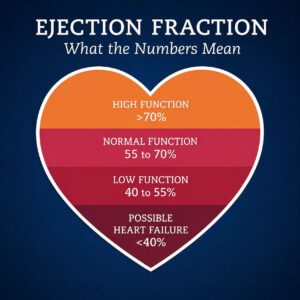

EWN: Being suddenly thrust into the role of caregiver can happen overnight. What was the most unexpected or challenging part of stepping into that role, and how did you look after your own wellbeing at the same time?
Caregiver’s panic: How Katrina became researcher, advocate and lifeline overnight
Katrina: The most unexpected part was how quickly I had to become the researcher and the advocate. While Gareth was in hospital, I was sat at his bedside on my phone, reading medical journals, looking up ejection fraction rates and trying to understand the medication he had been put on and just what was heart failure – the doctors said the words, but I didn’t know what that meant.
I had never done anything like that before, but there was no way I was just accepting the diagnosis, and this set me on the challenge of finding what we could do to beat the odds!
But I remember clearly that the hardest part was the fear. Early searches online were terrifying; information suggested people with heart failure only had a few years of life to live. I had to learn very quickly how to filter what was useful and what was outdated. At the same time I was trying to stay strong for Gareth and for our family. I made sure I still went for walks and spoke to friends, as you cannot pour from an empty cup, but it was a lonely journey.
From fear to strength – How heart failure transformed their marriage
EWN: This journey clearly tested and strengthened your relationship. Can you each share a moment when you saw the other’s strength or vulnerability in a new way?
Gareth: I saw how strong Katrina really is. She never panicked in front of me, even when things looked very serious. She just got on with finding out what we needed to do next.
Katrina: I saw Gareth’s vulnerability when he had to accept he could no longer push through everything. He had always been the one who kept going. Watching him have to slow down and ask for help was hard, but seeing this bravery also brought us closer. We talk about everything now. We are much better at saying how we really feel instead of just getting on with things.
EWN: Many people assume heart failure means the end of an active life. What has surprised you most about recovery and daily living since your diagnosis?
Beating heart failure: Diet, exercise and the power of saying “No”
Gareth: What has surprised me most is how much control I actually have. I thought my life was over, but the changes we made have made a real difference. We completely removed salt from our diet and started reading every label, even on bottled water. We cut out processed food, canned drinks and alcohol. I walk every day, and we built our own cardiac rehabilitation programme because the hospital never offered us one. This has been fundamental to my recovery.
The biggest mental shift was learning to say “no”. I used to take on too much. Now I protect my energy and my health first. That has probably helped my recovery as much as the diet and exercise.
Helping other heart failure patients: Low-sodium recipes and real support for expats
EWN: You have both become a source of practical support for others in the heart failure community through recipes, advice and sharing your story. What motivated you to start helping others?
Katrina: We realised how little clear, up-to-date information there was when we needed it most. We also noticed how common some of the risk factors are in expat life — late nights, salty food, regular drinking. We wanted to show that small, practical changes really can make a difference. We started sharing low-sodium recipes and straightforward advice because we wished someone had done that for us.
The responses we get from people who have just been diagnosed are what keep us going. Many say they felt completely alone until they found our content. That makes it all worthwhile. Through our membership programme we support patients and caregivers equally, because getting well again is never a solo journey.
One honest, heartfelt message for anyone facing heart failure
EWN: If you could sit down with someone who has just been diagnosed with heart failure, or with their partner, what one piece of honest, hopeful advice would you give them?
Gareth and Katrina: Don’t, whatever you do, Google your life expectancy! Focus on what you can control today. Get moving when you are able, eat well, and build a support network — even if that is just one person who understands. Recovery is possible, but it looks different for everyone. A fulfilling life with heart failure is still very much possible. It is about finding a new normal that works for you and the people you love. A diagnosis is not the end of the book; it’s the start of a new chapter!
5-Day challenge: Practical steps after a heart failure diagnosis
The couple are now channelling their experience into practical support for others. They are launching a free five-day challenge aimed at people who have recently been diagnosed with heart failure, with the aim of giving them clear, manageable steps in those first difficult weeks.
For Gareth and Katrina, the goal is simple: to make sure no one else has to face the same fear and confusion they did when heart failure entered their lives.
Contact Gareth and Katrina via their Facebook page Heart Failure to Health, from Diagnosis to Strength.