
Fuel prices
35-nation UK-led meeting aims to reopen Hormuz, Spain remains outside discussions

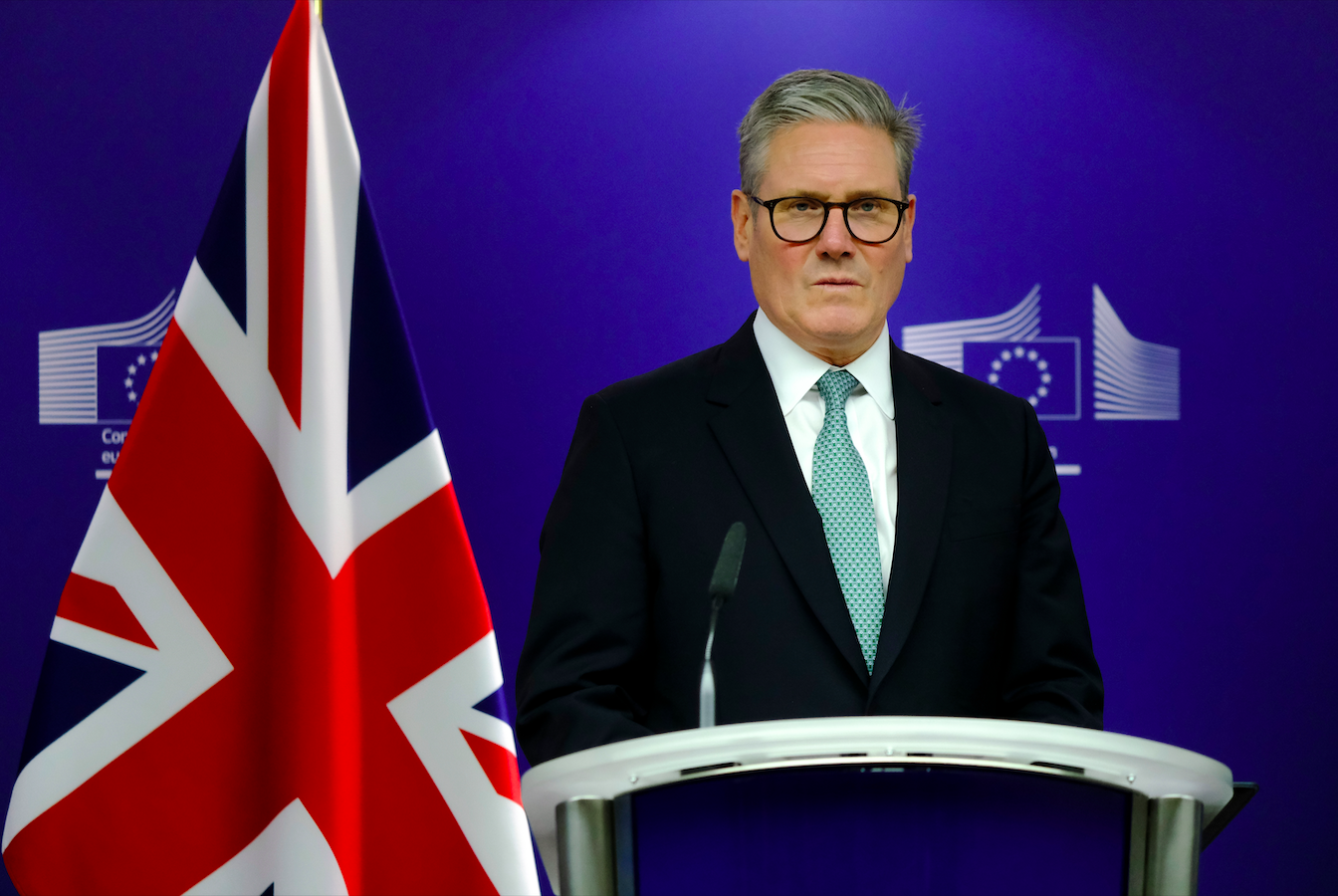
The primary aim of the UK‑hosted meeting was to bring together countries affected by the closure to discuss diplomatic and political avenues. Photo credit: Alexandros Michailidis/Shutterstock
The United Kingdom has convened a virtual meeting with representatives from 35 countries to explore ways of reopening the strategic Strait of Hormuz, a key global shipping route that has been effectively closed due to the ongoing conflict involving Iran. Spanish officials are not listed among the participating countries, with Madrid stating its position focuses on de‑escalation and dialogue rather than involvement in efforts linked to the war.
British Prime Minister Keir Starmer announced the diplomatic conference in London this week, emphasising the need for a coordinated international response to restore freedom of navigation once hostilities subside. The UK foreign secretary, Yvette Cooper, chaired the discussions, which were held as a virtual summit with nations that had previously signed a joint statement condemning the partial closure of the strait.
Blockage of Hormuz and international concern
The Strait of Hormuz is one of the world’s most important maritime chokepoints, with approximately 20 % of global oil transport passing through the narrow waterway connecting the Persian Gulf to the Gulf of Oman. Recent hostilities in the region, linked to the war between the United States, Israel and Iran, have effectively shut down or severely restricted commercial navigation, prompting concern among energy producers and consuming nations.
Iran’s Revolutionary Guard and allied forces have taken control of access to the strait, responding to military actions by the United States and Israel. In response, many commercial vessels have been unable to transit the waterway, causing delays, disruptions to supply chains and upward pressure on global fuel and commodity prices.
Goals of the UK‑led talks
The primary aim of the UK‑hosted meeting was to bring together countries affected by the closure to discuss diplomatic and political avenues for reopening the strait once a ceasefire is achieved. British officials have described the effort as a way to coordinate international approaches that do not involve direct military confrontation while ensuring maritime safety.
Participants in the meeting included governments from Europe, North America, the Middle East and Asia who previously signed a joint condemnation of actions that have restricted access to the waterway. These countries, according to official EFE reporting, included France, Germany, Chile and the United Arab Emirates.
Spain’s absence and its foreign policy stance
Spain is not listed among the 35 countries participating in the talks. According to official diplomatic sources, the UK Foreign Office declined to clarify whether Spain was not invited or had chosen not to participate.
In response, officials from the Spanish Ministry of Foreign Affairs said that Madrid’s foreign policy remains centred on avoiding actions that contribute directly to the war. The Spanish government has consistently emphasised the need for dialogue, de‑escalation and respect for international law rather than participation in initiatives tied to ongoing hostilities.
Broader geopolitical impact
The closure of the Strait of Hormuz has become a focal point for international concern because of its outsized impact on global energy markets. With the route blocked, countries that depend on imports of oil, gas and other commodities are faced with supply disruptions and rising costs. Attempts to reopen the strait carry economic as well as security implications.
Some nations participating in the talks are considering the role of military planners in future phases of the initiative, particularly in ensuring the removal of mines and protection of commercial tankers once negotiations or a ceasefire allow for safe passage. However, participants emphasised that such planning is being discussed separately from immediate diplomatic efforts and is contingent on changes in the security situation.
International reactions and next steps
The meeting highlighted divisions among major powers about how to respond to the Iranian restrictions. The United States was notably absent from the UK‑hosted talks, following comments by US President Donald Trump that securing the strait should be the responsibility of other nations. Some allies have urged greater involvement by Washington, while others have focused on building multilateral diplomatic responses.
France and other European countries have voiced support for collective approaches that prioritise free navigation and stability in the region. French officials, for example, have held parallel discussions with allied defence chiefs on post‑conflict plans to secure maritime traffic, though Paris has also clarified that it will not engage in direct military operations without broader consensus.
For now, the coalition of countries that convened under the UK’s chairmanship plans to continue discussing diplomatic strategies and coordinate with international partners on long‑term measures to restore access to the Strait of Hormuz. Future meetings are expected as part of ongoing efforts to build consensus and develop actionable plans once the conflict conditions allow.




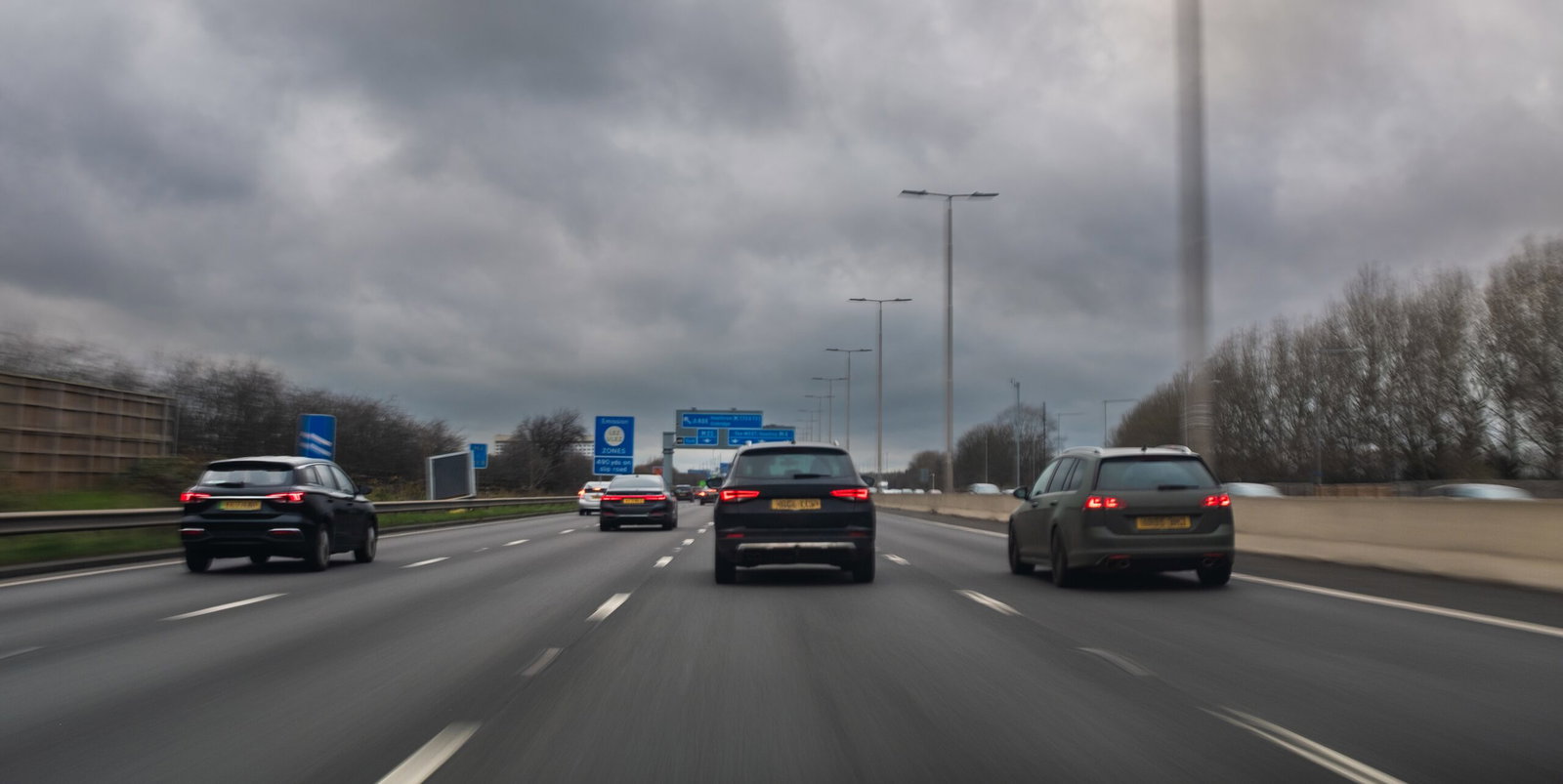
A key recommendation from Brussels is the reduction of speed limits on major roads. Photo credit: Darren Baker/Shutterstock
The European Commission has urged member states to adopt measures aimed at reducing fuel consumption, citing rising geopolitical tensions and instability in global energy markets. Officials stressed that while Europe is not facing an immediate oil shortage, proactive steps are necessary to prevent sudden price spikes and to ensure that supplies remain stable.
The appeal highlights three main areas of action: limiting non-essential air travel, reducing motorway speeds, and expanding teleworking. Brussels described the guidance as preventative, stressing that coordinated action across the European Union is essential. By implementing these measures quickly, governments can support households and businesses while safeguarding energy security.
Reducing Motorway Speeds
A key recommendation from Brussels is the reduction of speed limits on major roads. The Commission suggests lowering motorway speeds by approximately 10 kilometres per hour. Research consistently shows that vehicles consume significantly more fuel at higher speeds, with efficiency dropping sharply above typical motorway limits. Even a modest reduction can lead to measurable savings in fuel consumption and reduce carbon emissions.
Officials emphasised that the measure is easy to implement and would have an immediate effect. Several EU countries have previously introduced temporary speed reductions during periods of high energy prices, demonstrating that the approach is both practical and effective. Lower speeds also contribute to road safety, reducing the likelihood and severity of accidents.
Brussels stressed that reduced motorway speeds should be considered alongside other measures. While each action alone can reduce fuel demand, the combined effect of lower speeds, teleworking, and fewer flights can deliver more substantial energy savings across the EU.
Avoiding Non-Essential Flights
Brussels has also called for citizens and businesses to reconsider non-essential flights, particularly on short-haul routes where rail travel is available. Aviation remains one of the most fuel-intensive modes of transport, and even minor reductions in flight frequency could lead to significant decreases in kerosene consumption.
High-speed rail networks across Europe are highlighted as a practical alternative. Officials noted that trains not only reduce fuel consumption but also help alleviate congestion at airports and reduce environmental impacts associated with air travel. Improvements in rail infrastructure and scheduling have made train travel increasingly competitive in terms of both cost and convenience, providing a viable replacement for short-distance flights.
Remote Work as an Energy-Saving Tool
Teleworking is another key strategy for reducing fuel use. Encouraging employees to work from home where possible can significantly lower commuting traffic, thereby reducing petrol and diesel consumption. During the COVID-19 pandemic, remote work demonstrated the potential to cut transport energy use while easing congestion in urban areas.
The Commission recommends that governments and businesses build on these experiences by integrating teleworking into broader energy-saving strategies. Remote work can be implemented quickly without significant investment, making it an accessible tool for both the public and private sectors. Officials highlighted that combining teleworking with other measures can provide a tangible reduction in overall energy demand.
Broader Implications for Energy Security
Transport accounts for a substantial share of energy consumption in the EU, with road and air travel among the largest contributors. Even small behavioural changes across millions of citizens could translate into significant aggregate fuel savings.
Reducing oil consumption not only enhances energy security but also supports Europe’s climate commitments. Lower demand can ease pressure on global oil markets, helping stabilise prices and reduce economic strain on households and businesses.
Industry participation is critical. Logistics companies, airlines, and large employers are encouraged to optimise operations, improve route efficiency, and limit unnecessary travel. By adopting practical measures, businesses can support energy stability while maintaining operational efficiency.
Balancing Practicality and Urgency
Public reaction is expected to vary depending on local commuting patterns and transport infrastructure. Regions reliant on cars or with limited rail options may face more challenges in adopting these measures. Nonetheless, Brussels emphasised that collective action is vital to protect energy security and stabilise markets.
Governments are encouraged to tailor policies to national circumstances while implementing them promptly. Clear communication campaigns are essential to explain why measures are necessary and how they contribute to shared energy and environmental goals. Officials stressed that public understanding and cooperation are key to the success of the strategy.
Key Takeaways
The European Commission has outlined practical measures aimed at reducing fuel demand across the EU. By lowering motorway speeds, encouraging teleworking, and cutting non-essential flights, Brussels hopes to strengthen energy security and ease pressure on global oil markets. These steps also align with the EU’s climate objectives, reducing emissions while maintaining stability in the energy sector.
While the measures are not legally binding, their effectiveness will depend on coordinated action by governments, businesses, and individuals. Public compliance and industry participation will determine how much fuel is saved and how successfully the EU navigates current market volatility.
By taking these precautionary steps, the Commission aims to mitigate the risk of sudden supply shocks, help households manage energy costs, and demonstrate Europe’s ability to respond collectively to a challenging and uncertain global energy landscape.


El Real Madrid Cumple Su Objetivo En La Euroliga Ante Luka Doncic

El Braga Reina En El Gigantesco Colapso Del Betis

Armed Robbers Take 25 Hostages At Naples Bank Then Vanish Underground


-

 New Developments2 weeks ago
Luxury Villas For Sale, Estepona – ProjectL1
-

 New Developments4 weeks ago
How To Get A Tourist Rental Licence In Andalusia (Spain) – Step-By-Step Guide 2025
-

 New Developments2 weeks ago
Stylish 3-Bedroom Apartment With Panoramic Sea Views – Benalmádena
-

 %2 weeks ago
Poland Disconnects Utilities At Russian Consulate That Moscow Refuses To Hand Over
-

 Uncategorized4 weeks ago
Max Verstappen left laughing after Nurburgring triumph
-

 Uncategorized4 weeks ago
Max Verstappen team-mate sheds light on Nurburgring mistake
-

 Uncategorized3 weeks ago
Lewis Hamilton goes from Karate Kid to Samurai Warrior with Kill Bill guru
-

 Foreign demand4 weeks ago
Non-Resident Foreign Buyers Retreat Sharply In 2025