Connect with us

%

Shock At Florence Airport As Flight Arrives With Zero Checked Luggage On Board

Published

on

shock-at-florence-airport-as-flight-arrives-with-zero-checked-luggage-on-board

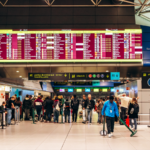
Passengers have questioned that explanation, arguing that such a decision would normally be communicated in advance. Photo credit: Molly Grace

Travelling abroad has recently come with a growing list of unexpected disruptions for passengers across Europe, with border delays and administrative checks increasingly affecting journeys. In many cases, travellers have reported being held up by new entry systems such as the EU’s Entry/Exit System (EES), with some experiencing delays at border control or longer processing times than in previous years.

Against that backdrop, passengers arriving in Florence on Monday, June 9, expected a routine journey from Paris. Instead, they were met with a very different problem, one that shifted attention away from passenger delays and border checks to something far more unusual: no luggage at all.

Over 140 passengers waiting and waiting

What should have been a standard Air France arrival from Paris Charles de Gaulle instead ended in confusion, frustration, and the discovery that none of the checked baggage on board had been loaded onto the aircraft. Air France flight 1666 landed in Florence on schedule, with no reported delays during the flight itself.

Air France flight 1666 landed in Florence on schedule, with no reported delays during the flight itself. The Airbus A220-300 operating the service typically carries over 140 passengers, meaning a full cabin of travellers arrived expecting their baggage to follow them through to the carousel.

However, passengers say the situation only became clear once they reached baggage reclaim and began waiting for their suitcases.

Confusion Builds at Florence Airport Baggage Reclaim

At first, passengers assumed the delay was due to routine baggage handling issues, which are not uncommon at busy airports. But as time passed and no luggage appeared on the carousel, concern began to grow. After more than an hour of waiting, travellers approached airport staff for clarification. It was then they were informed that the aircraft had arrived from Paris without any checked luggage on board.

The revelation came as a surprise to passengers already accustomed to recent travel disruptions across Europe, particularly those linked to border systems and passenger processing delays, where travellers themselves have often been the ones affected. One passenger said the situation was particularly unexpected given current travel frustrations.

“I’ve flown to Florence many times and never had this incident,” the passenger said. “Yes, the landing strip is a short one, but not enough to not load anyone’s luggage.”

Airport Sources Point to Weight Considerations and Short Runway Limits

Sources at Florence Airport suggested the decision may have been linked to operational constraints associated with the airport’s runway and landing conditions.

Florence Airport (Amerigo Vespucci Airport) is known for having one of the shorter runways among Italy’s major city airports, measuring just under 1,700 metres. Its location within a densely built urban area, combined with surrounding terrain, can impose operational limits on aircraft performance, particularly in relation to weight, landing approach, and weather conditions.

It was claimed that, due to these weight considerations and operational constraints, no checked luggage was loaded in Paris in order to reduce the aircraft’s overall weight for the flight into Florence. However, passengers have questioned that explanation, arguing that such a decision would normally be communicated in advance rather than discovered only upon arrival.

Air France has not yet issued a detailed public statement on the incident.

“We Don’t Know When It Will Arrive”

As passengers sought clarity, airport staff informed them that there was no confirmed timeframe for when the missing luggage would arrive. They were told the bags could potentially be placed on a later flight, although no guarantee was given.

Emotions were high in the baggage hall, with frustration and disbelief growing among passengers as the situation became clearer.

One passenger described the uncertainty as particularly frustrating. “We’ve been told they don’t know when the luggage will arrive. It may be on the next flight, but nothing is certain,” they said.

Another passenger added a more sarcastic reaction to the explanation, questioning the reasoning behind the earlier weight concerns: “So they can bring it on another flight and the weight isn’t an issue there, then, but it clearly was on ours.”

Travel Disruption Stands Out Against Recent Border Delays

For many passengers, the incident stood out because recent European travel disruption has largely centred on passengers themselves rather than their belongings.

In recent months, travellers have become increasingly familiar with delays linked to border processing systems such as the EU’s Entry/Exit System (EES), where queues, document checks, and verification procedures have affected movement through airports.

Against that context, passengers said it came as a complete surprise that, on this occasion, it was not travellers being held back — but their luggage being left behind entirely.

Holiday Plans Interrupted as Passengers File Reports

Passengers were required to complete lost baggage forms upon arrival, providing contact details so their luggage could be traced and delivered once located. However, the lack of clear information left many unsure how their onward travel plans would be affected.

One passenger, who was due to continue on to Rome within two days, said the situation had created significant disruption.

“I don’t know how they expect to bring my luggage to me,” they said. “I leave for Rome in two days. This is incredible.”

Others expressed frustration at what they described as a breakdown in communication, saying they felt the issue should have been flagged before departure Another passenger added: “They should have informed us of this incident. I would have packed a few spare items such as underwear in my carry-on.” 

Questions Remain Over Procedure

While airlines can make operational adjustments for safety or performance reasons, passengers said the complete absence of checked luggage on an international flight was highly unusual.

The incident has left travellers awaiting further clarification from Air France and airport authorities, as efforts continue to trace and forward the missing baggage to Florence.

%

Game Changer For Budget Air Travel As Wizz Air Brings Starlink Wi-Fi Onboard

Published

on

game-changer-for-budget-air-travel-as-wizz-air-brings-starlink-wi-fi-onboard

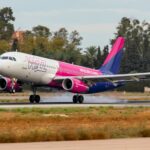
Onboard Wi-Fi has traditionally been limited or chargeable on many low-cost airlines in Europe. Photo credit: Kevin Piechota/Shutterstock

Travellers flying with one of Europe’s largest budget airlines could soon experience a major shift in onboard connectivity, as Wizz Air prepares to introduce high-speed satellite internet powered by Starlink across its fleet. The airline has confirmed plans to roll out the service from 2027, making it the first ultra-low-cost carrier in Europe to commit to offering Starlink Wi-Fi on a fleet-wide basis.

The move places the carrier among a growing number of global airlines investing in satellite-based internet systems designed to improve connectivity at cruising altitude. The announcement comes as airlines increasingly compete on onboard digital services, with internet access becoming a standard expectation rather than a premium extra on many short and medium-haul routes.

Fleet-wide rollout planned from 2027

Wizz Air said the installation programme will begin in 2027 and cover its entire aircraft fleet over time, although it has not confirmed whether the service will be free or paid for passengers. Starlink, operated by Elon Musk’s SpaceX, uses a network of low-Earth orbit satellites to deliver internet coverage with lower latency than traditional satellite systems.

The technology has already been adopted by several major carriers globally, particularly in North America and Asia. The airline did not disclose the financial terms of its agreement with Starlink or the cost of installation across its aircraft. Industry reporting indicates that the system is being widely adopted by full-service airlines, while budget carriers have been more cautious due to cost and operational considerations.

Shift in expectations for low-cost travel

Onboard Wi-Fi has traditionally been limited or non-existent on many low-cost airlines in Europe. Wizz Air’s decision marks a notable shift in how ultra-low-cost carriers approach passenger experience.

While full-service airlines have increasingly integrated free connectivity into loyalty programmes or premium cabins, budget operators have generally prioritised ticket pricing and aircraft utilisation over digital services. The introduction of Starlink suggests a gradual change in that model, with airlines now viewing connectivity as part of the wider travel experience rather than an optional add-on.

What it means for passengers travelling to and from Spain

Spain is one of Wizz Air’s key European markets, with routes connecting cities such as Barcelona, Madrid, Valencia and Málaga to destinations across Europe and beyond. For passengers travelling to and from Spain, the introduction of Starlink Wi-Fi could reduce the gap between low-cost and full-service travel, particularly on medium-haul routes where passengers typically spend several hours onboard.

It may also impact how travellers use flight time, especially for those working remotely or relying on mobile connectivity during trips. Tourism between Spain and other European destinations is expected to benefit from more consistent in-flight internet access, particularly for business travellers and frequent flyers. However, the rollout will not be immediate, and passengers on Spanish routes are unlikely to see the service until installation begins closer to 2027 and is gradually introduced across the fleet.

How Starlink will work in flight: 

What is Starlink Wi-Fi on aircraft?

Starlink is a satellite-based internet system operated by SpaceX that uses a network of low-orbit satellites to provide broadband connectivity in areas without traditional ground infrastructure.

How will passengers connect?

Once installed, passengers will typically connect through the aircraft’s onboard Wi-Fi network and log in via a browser or airline app, similar to existing in-flight systems.

Will it work during the entire flight?

Yes. Because Starlink satellites operate in low Earth orbit, coverage is designed to remain stable throughout most stages of flight, including over oceans and remote regions.

Will it be free?

Wizz Air has not confirmed pricing. Other airlines using Starlink have adopted different models, with some offering free access and others linking it to loyalty programmes or paid packages.

Can passengers stream and make calls?

Starlink’s system is capable of supporting streaming, video calls and general browsing, although performance can vary depending on passenger load and network demand.

Growing competition in airline connectivity

The rollout comes amid wider competition among airlines to upgrade onboard connectivity systems. Several carriers worldwide have already committed to Starlink installations, while others are investing in alternative satellite networks.

The sector is increasingly moving towards faster, more reliable internet access as part of standard onboard service, with airlines using connectivity as a way to improve passenger experience and generate additional digital engagement.

Outlook

Wizz Air’s decision to introduce Starlink marks a significant step for the European budget aviation sector. While the full impact will depend on pricing and rollout speed, the move signals a broader shift in expectations around what passengers can expect on short and medium-haul flights.

For now, the service remains in development, but by 2027 it could reshape how millions of travellers across Europe, including those flying to and from Spain, stay connected in the air.

Continue Reading

%

Rossy De Palma Joins L’Opera Royal Marbella Summer 2026 Celebration

Published

on

rossy-de-palma-joins-l’opera-royal-marbella-summer-2026-celebration

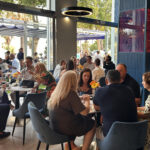
Where everyone is headed this summer. Credit: EWN

L’Opera Royal in Marbella celebrated the beginning of its summer 2026 season last Saturday, June 6. Owners combined this launch with celebrations for the first anniversary of the restaurant opening through an invite-only event at their boutique restaurant devoted to its location overlooking Playa Bajadilla next to Marbella’s fishing harbour in the La Bajadilla district.

Community formed the core of proceedings despite the private guest list. Patrons of all ages who had already built strong relationships with the venue during the previous year joined business partners and local Marbella business leaders.

Rossy de Palma and live music elevate the occasion.

Globally famed Spanish actress Rossy de Palma, recognised as an Almodovar muse, attended to support the success of a leading Costa del Sol venue this year.


  luna lionne rossy de palma

Luna Lionne, singer, author and daughter of Rossy de Palma, participated as a friend to Sebastian and Maria, lending her divine, soulful singing voice. Jazz numbers started the music before a funky DJ continued the lively sounds late into the night.

Passion and artistic flair shaped the cuisine that came next with youthful nods to the coastal surroundings. Fresh healthy tastes satisfy modern demands free from typical stereotypes.

Dedicated team creates second home feel

Maria L'Opera Royal Marbella
Maria, cocktail artist.

Sebastian took charge in the kitchen. Maria shook her finest cocktail creations. Business partner José Antonio welcomed guests at the front of house like family members.

Owners treat L’Opera Royal as their house with diners as honoured guests rather than ordinary customers. This method sets the restaurant apart from others in town. An atmosphere of a second home develops where regular visitors return as friends who feel completely at ease.

Cool atmosphere and inclusive approach define summer ahead.

Visitors to l’Opéra Royal this summer can expect a cool relaxed setting. Everyone receives a welcome within affordable price ranges. Service arrives with passion like that from an old trusted friend. People can pop in for coffee, an inventive cocktail or a surprisingly delicious meal any time they choose. Just drop in, or book at loperaroyal.com

Continue Reading

%

Costa Calida Celebrates The Day Of The Region Of Murcia With Cultural Events And Traditional Gastronomy

Published

on

costa-calida-celebrates-the-day-of-the-region-of-murcia-with-cultural-events-and-traditional-gastronomy

Murcia celebrates regional day with culture, food and festivities. Photo Credit: Region of Murcia Department of Tourism

The Costa Calida celebrated the annual Day of the Region of Murcia, one of the most important dates in the social and festival calendar for the southeastern Spanish area. The holiday commemorates the approval of the Region of Murcia’s autonomy in 1982, and since then, has become a key annual celebration, a reminder of Murcia’s self-governance and identity, and a reason to take part in social activities and events.

June 9: The Day of the Region of Murcia, sparking celebrations along the Costa Calida

Across the region, the day, celebrated on Tuesday, June 9, was marked by a vibrant mix of ceremonies, cultural events, and leisure activities, drawing both residents and visitors into the celebrations. Concerts, exhibitions, and gastronomic events were a major highlight of the day, as well as open-air performances in the towns and cities throughout the region. A major concert taking place included the Murcia Lírica concert, in the city of Murcia.

Culture and gastronomy: Major highlights of the day

One of the highlights of the day was the opportunity to explore the Region of Murcia’s cultural heritage, with many museums, galleries, and attractions opening their doors to residents and visitors for free. These included the Salzillo Museum, the Archaeological Museum, the Museum of Fine Arts, and the MUBAM. The day offered a perfect opportunity for newcomers to discover the rich history, art, and traditions of the region, while enjoying a lively community ambience in the streets and plazas.

Gastronomy also played a central role in the celebrations, with local restaurants and bars showcasing the Region of Murcia’s renowned gastronomy. Establishments offered both traditional dishes and quick, savoury tapas, reflecting Murcia’s agricultural roots and Mediterranean gastronomic influences. Some more famous Murcian dishes being offered included zarangollo, michirones, meat pies, and paparajotes. In many places, these offerings were combined with live entertainment and family-friendly activities, making it an ideal day for socialising and enjoying the coastal lifestyle of the area.

Celebrating one of Spain’s most vibrant regions

Ultimately, the Day of the Region of Murcia is both a celebration of identity and a showcase of everything the region has to offer. Whether through music, culture, or cuisine, this special day provides a chance to reflect on Murcia’s past while enjoying the vibrant spirit that defines it today.

Continue Reading

Trending

Copyright © 2017 Spanish Property & News