Connect with us

%

Barcelona Tests Olive Pit Asphalt That Could Transform How Cities Build Roads

Published

on

barcelona-tests-olive-pit-asphalt-that-could-transform-how-cities-build-roads

Pilot tests are being carried out in selected urban areas of Barcelona. Photo credit: Maryshot/Shutterstock

Have you ever wonder where all your olive pits go after having you tapa? I would of thought the bin, but since finding out that Barcelona is testing a new type of road surface that incorporates biochar made from agricultural waste, including olive pits, I now have my doubts!

The project is part of a municipal effort to reduce emissions from urban infrastructure and is being developed under the city’s “21st Century Street Section” programme, led by Barcelona City Council alongside BIT Habitat, BIMSA, the Polytechnic University of Cataluña (UPC), and private sector partners including ELSAN (OHLA) and AMSA.

The initiative is currently at pilot stage and is being assessed in real urban conditions. The material is not a replacement for traditional asphalt but an additive used within conventional mixtures. Olive pits, along with other organic waste such as pine residues, are processed into biochar through a high-temperature conversion process that stabilises carbon within a solid form. This biochar is then used to replace part of the mineral filler in asphalt.

How the material is made and used

Biochar is produced through the thermal treatment of biomass in low-oxygen conditions. In this case, feedstocks include olive stones and forestry by-products sourced from regional supply chains.

Once processed, the biochar is incorporated into asphalt mixtures as a partial substitute for conventional filler materials. According to technical documentation linked to the project, the aim is to maintain the structural performance of standard asphalt while altering its environmental footprint.

The trials are part of a broader effort to integrate circular economy principles into construction materials by reusing agricultural waste streams that would otherwise have limited industrial use.

Emissions reduction estimates

Project data from consortium partners and technical assessments indicate that replacing conventional filler materials with biochar could reduce the carbon footprint of asphalt production by around 75 to 76 per cent. These figures are based on modelling and controlled testing rather than long-term citywide deployment.

The reduction is attributed primarily to lower energy requirements in material processing and the ability of biochar to store carbon within the pavement structure.

The project also includes a monitoring phase to assess durability, mechanical strength, and performance under traffic loads, temperature variation, and rainfall. No decision has yet been made on large-scale adoption.

Where trials are taking place

Pilot tests are being carried out in selected urban areas of Barcelona, including sections of street infrastructure in the Eixample district. The sites are being used to evaluate real-world performance over time.

The programme is being coordinated through BIT Habitat and BIMSA, with funding support for prototype development and testing. The consortium includes engineering firms and academic partners responsible for materials design and evaluation. If successful, the approach could be expanded to additional roadworks across the city, although no implementation timeline has been confirmed.

What it could mean for residents

For people living in Barcelona, the introduction of biochar-based asphalt would not change how roads look or function in day-to-day use. The material is designed to perform similarly to conventional asphalt in terms of durability, grip, and weather resistance.

The main difference would be environmental. Road construction and resurfacing are energy-intensive processes, and the use of biochar is intended to reduce emissions associated with manufacturing materials used in those works.

Residents may see indirect effects over time if the technology is expanded, including lower environmental impact from ongoing maintenance cycles and infrastructure renewal programmes. However, any wider rollout would depend on the outcome of current testing phases.

Impact on visitors and tourism infrastructure

Barcelona, one of Europe’s most visited cities, experiences heavy pressure on its transport and pedestrian infrastructure due to high tourist numbers throughout the year.

For visitors, the immediate experience would not be affected, as the material does not alter road appearance or accessibility. However, if the system is adopted more widely, it could reduce emissions linked to frequent resurfacing works in busy tourist areas.

Construction activity is a constant feature in high-footfall districts such as the Eixample, Gothic Quarter edges, and coastal access routes. Materials that extend pavement lifespan or reduce maintenance emissions could potentially lessen the environmental footprint of this ongoing infrastructure work, although this remains under evaluation.

Research phase still ongoing

The project remains experimental, and authorities have stressed that no final decision has been made on scaling the material beyond pilot sites. Further testing is required to confirm long-term performance and cost-effectiveness compared with traditional asphalt.

Similar initiatives have previously tested recycled aggregates and alternative paving materials in Barcelona. At present, the olive pit biochar asphalt remains a controlled innovation project (and they are in the perfect country to give it a try), rather than an approved citywide policy. Its future will depend on the results of ongoing monitoring and technical validation.

%

Over 15 Years Of Trusted Vehicle Registration Expertise

Published

on

By

over-15-years-of-trusted-vehicle-registration-expertise

Let us put you on the right side of the road. Credit: Spanish Number Plates

In today’s increasingly mobile Europe, relocating with a vehicle has become a common part of life. Whether moving permanently to Spain, purchasing a vehicle abroad, or importing a cherished classic car, navigating the registration process can often seem complicated and overwhelming. For more than 15 years, Spanish Number Plates has been helping motorists overcome these challenges, successfully re-registering all types of vehicles and earning a reputation as one of the leading specialists in Spanish vehicle registration.

Experience is one of the company’s greatest assets. Spanish Number Plates has assisted thousands of customers with the re-registration of passenger cars, motorcycles, campervans, motorhomes, commercial vehicles, trailers, and classic vehicles. This extensive knowledge enables the company to manage even complex cases with efficiency and professionalism.

One of the key services offered by Spanish Number Plates is helping owners register vehicles from across Europe. Any European vehicle can generally be registered in Spain, provided it complies with the relevant legal and technical requirements. However, understanding Spanish regulations, obtaining the correct documentation, arranging inspections, and completing the necessary administrative procedures can be challenging. Spanish Number Plates simplifies this process by guiding customers through every stage, ensuring that applications are completed accurately and efficiently.

Vehicle registration is not simply a matter of paperwork; it requires detailed knowledge of changing regulations and procedures. Mistakes can lead to delays, additional costs, and unnecessary frustration. By drawing on more than fourteen years of experience, Spanish Number Plates helps customers avoid these pitfalls and achieve successful outcomes with confidence.

Many clients are unfamiliar with Spanish bureaucracy and appreciate having an experienced team available to answer questions and provide practical support. The company’s reputation has grown through its ability to offer clear communication, professional advice, and dependable service from start to finish.

As Spain continues to attract residents, retirees, and business owners from throughout Europe, the demand for specialist vehicle registration services is expected to increase. Companies with a proven track record and specialist expertise will continue to play an important role in helping vehicle owners comply with Spanish regulations.

Spanish Number Plates has demonstrated that expertise for more than 15 years. Its dedication to making vehicle registration straightforward and stress-free has earned the trust of customers throughout Europe. The company’s philosophy is perfectly captured in its slogan: “Let us put you on the right side of the road.” More than just a slogan, it reflects a commitment to helping motorists register their vehicles legally, efficiently, and with complete peace of mind, ensuring a smooth transition to life on Spanish roads.

Tel: +34 671 608 506

info@spanish-number-plates.com

www.spanish-number-plates.com

Continue Reading

%

Devastation On Holiday Route As Tourist Bus And Car Collide In Lanzarote Killing Two

Published

on

devastation-on-holiday-route-as-tourist-bus-and-car-collide-in-lanzarote-killing-two

The bus involved was a TUI tourist coach carrying a driver and eight passengers. Photo credit: Thierry Hebbelinck/Shutterstock

Two people have died and several others have been injured following a serious road traffic collision involving a tourist bus and multiple vehicles in Lanzarote. The crash happened on Thursday evening on the LZ-2 road near Yaiza, close to the resort of Playa Blanca in the south of the island.

Emergency services were alerted to the incident at approximately 7.42pm local time after reports of a head-on collision involving a coach and passenger vehicles. Firefighters, paramedics, Local Police officers and Guardia Civil personnel were dispatched to the scene as part of a large-scale emergency response. The road, one of the island’s main transport routes, was affected for several hours while rescue operations and investigations were carried out.

Italian couple killed in the crash

The two people who lost their lives were travelling in the same car along with their 8 year old child. Spanish media identified the victims as an Italian couple who were residents of Playa Blanca.

Emergency crews confirmed both died from injuries sustained in the collision. Firefighters were required to carry out rescue operations at the scene after at least one occupant became trapped in a vehicle following the impact.

Authorities have not yet released the names of the deceased.

Child taken to hospital

A child who was travelling in the victims’ vehicle survived the collision and was taken to Hospital Universitario Doctor José Molina Orosa in Arrecife.

Initial reports indicated the minor suffered an arm injury, while later updates suggested a possible fracture. Officials have not provided further information regarding the child’s condition. Medical teams treated multiple casualties at the scene before transporting those requiring further care to hospital.

Tourist bus passengers among the injured

The bus involved in the collision was a TUI tourist bus that was carrying a driver and eight passengers, one of them being a 5 year old, at the time of the crash. According to local reports, several people aboard the coach sustained injuries of varying severity. Emergency services assessed and treated those affected as part of the operation. However, Spanish authorities have not publicly confirmed details regarding the passengers .

Emergency response and road closures

The collision occurred near the La Hoya area, close to a Repsol service station on the LZ-2. The route is one of Lanzarote’s busiest roads, linking the island’s capital, Arrecife, with the popular tourist destinations in the south, including Playa Blanca. Emergency crews worked to secure the area, assist the injured and remove damaged vehicles.

Traffic disruption continued while investigators examined the scene and gathered evidence. The operation involved firefighters from the Lanzarote Security and Emergency Consortium, ambulance crews, police officers and Guardia Civil investigators.

Investigation under way

The Guardia Civil has opened an investigation into the circumstances surrounding the crash.

As of Friday, authorities had not announced the cause of the collision. Investigators are expected to review witness statements, vehicle damage and other evidence collected from the scene before reaching any conclusions.

Officials have urged caution against speculation while enquiries remain ongoing.

Community reacts to tragedy

The deaths have prompted expressions of sympathy across Lanzarote, particularly in Playa Blanca. Local residents also raised concerns about driving behaviour on the island and the safety of the LZ-2 road.

One resident, Bethan Allan, said:

“This news is a real tragedy. I am very sorry for what has happened. I use this road frequently and almost every time I do, I see dangerous overtaking, speeds well above the limit and drivers putting other road users at risk. It is a constant situation. There needs to be more control and effective measures to improve safety, because these are not isolated cases: it happens every day.”

Another local, Alex Pasquin, said:

“I live in Arrecife and work in Playa Blanca, so I drive this road every day. Given the time the accident happened, it must have been shortly after I passed through. Despite the many accidents on that stretch (between Yaiza and Playa Blanca), there are surprisingly few considering the reckless overtaking I see so frequently.”

A third said:

“Tragic! But you see it every day: people don’t drive according to road conditions. Overtaking in the most stupid places, not knowing safe distances, phone to the ear, speed limits, what are they? It’s not on the streets.”

Second major tourist coach tragedy in the Canary Islands this year

The incident comes just two months after another serious tourist coach crash in the Canary Islands.

In April, a bus carrying British holidaymakers on the island of La Gomera left the road and plunged into a ravine. One British man died and 27 people were injured in the crash, which prompted a major emergency response and an investigation by authorities.

Ongoing enquiries

Thursday’s collision is one of the most serious road incidents in Lanzarote this year. Emergency services continue to support those affected while investigators work to establish the exact sequence of events.

Further updates are expected once the Guardia Civil investigation progresses and more information is officially released.

Continue Reading

%

Mijas Opens New Splash Park In Gran Parque – But Mind The Sun

Published

on

mijas-opens-new-splash-park-in-gran-parque-–-but-mind-the-sun

Mijas Grand Park water fun. Credit: Ayuntamiento de Mijas

Mijas Council has just switched on a new splash park inside Gran Parque to give families a special outdoor area for water play equipped with 41 interactive play points distributed according to age groups. This addition will help with high temperatures by offering a fun outdoor activity option for younger residents.

The new facility covers 430 square metres and permits up to 65 children to use it at the same time, with daily access available from 10am until 10pm.

Gran Parque houses this installation within its large green expanse and places it among the most complete zones for child water-based leisure in the province.
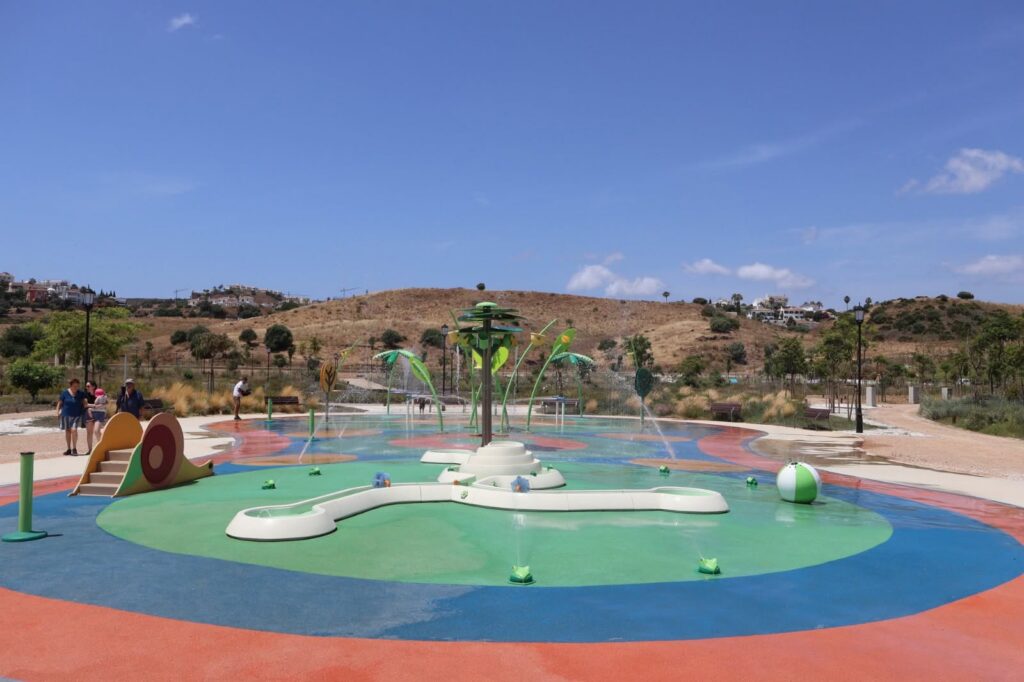
Splash area for kids only.
ater fun.
Credit: Ayuntamiento de Mijas

Three separate zones for varied age groups

The division of the big park creates three separate zones adapted to different stages of childhood development.

  • One zone caters to babies aged one to three years.
  • A second zone addresses the needs of children aged four to nine years.
  • A third zone provides activities suitable for children aged ten and eleven years.

Each zone offers wet ideas that combine play, physical activity and sensory experiences centred on water.

Additional games encourage exploration and discovery through contact with water in various forms.

Green and safety aspects

  • A closed-circuit water system reuses treated water to support environmental responsibility.
  • Anti-slip pavement throughout the area lowers the risk of falls during energetic play sessions.

Planners chose these systems to make sure the facility operates efficiently with minimal environmental impact over time.

Rules governing use of the facility

Children under eight years of age require constant adult supervision at all times, and the park’s security will be keeping an eye on this throughout the summer. Babies must wear nappies, and organisers prohibit balls, balloons, bicycles and other similar objects or vehicles from entering the splash park.

Expanding network of family leisure spaces

This opening follows the start of operations at the water park in Las Cañadas and adds another free public resource available for families during the hottest part of the year.

The one aspect the new park lacks is the same as all new parks in Spain lack in their first years, but something parents should still look out for is a severe shortage of shade. With any luck after about ten or twenty years, the new trees planted will have developed into adequate shaded areas to protect everyone’s skin. Until then, users of the park should bare this in mind, not least parents and guardians of the little ones.

Continue Reading

Trending

Copyright © 2017 Spanish Property & News