
Donald Trump
Trump says he loves Spain but launches his fiercest attack yet on its government

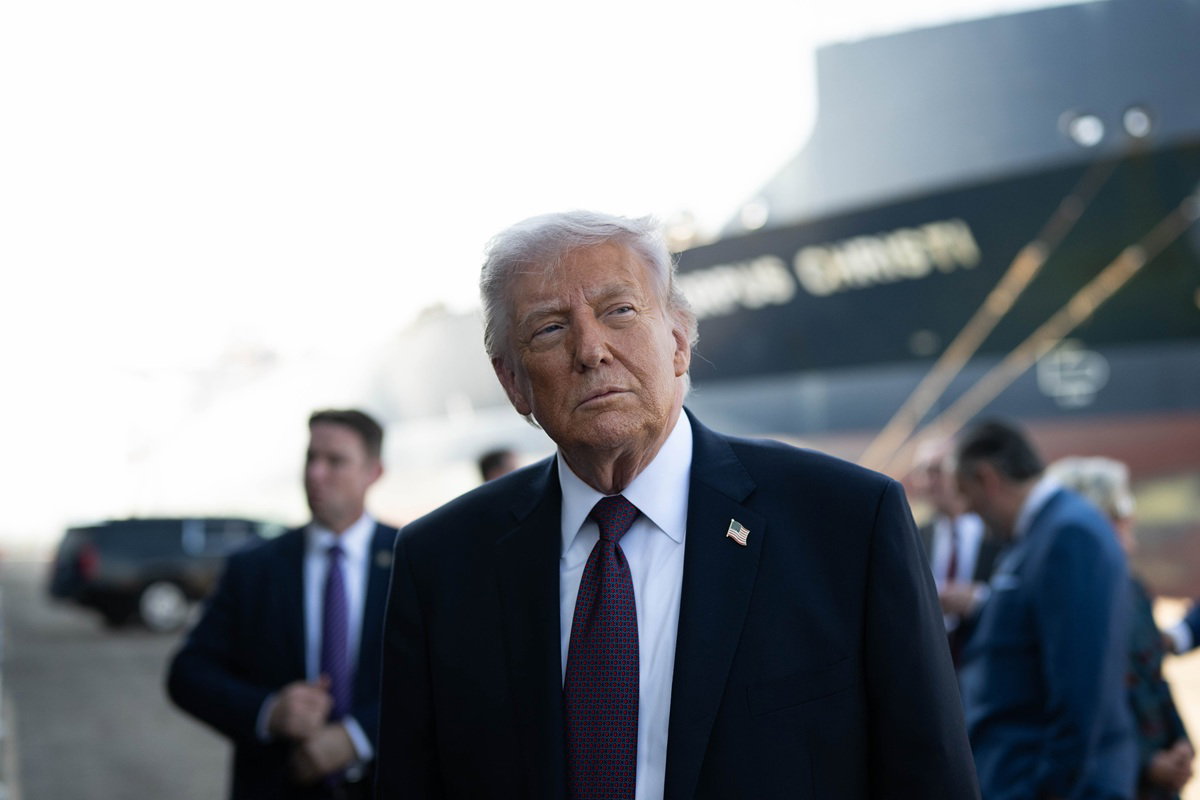
Trump says he loves Spain but steps up his criticism of the Spanish government.
Credit : Rawpixel.com, Shutterstock
US President says he loves Spain and its people while escalating criticism of Pedro Sánchez’s government
Donald Trump has delivered one of his strongest attacks yet on Spain, but this time there was a notable shift in his language.
While again threatening trade consequences and describing Spain as a poor NATO ally, the US President also made a point of separating the country from its political leadership, insisting that he has affection for Spain and the Spanish people even as he condemned the government’s stance.
That distinction is becoming increasingly noticeable. Rather than portraying Spain itself as the problem, Trump’s latest remarks appear aimed more directly at Prime Minister Pedro Sánchez and the decisions taken by his government.
The comments came during the NATO summit in Ankara, where Trump accused Spain of failing to do enough on defence spending before calling the country ‘a terrible ally’ and saying he wanted to halt trade with Spain. The Spanish government responded calmly, stressing that relations between the two countries remain strong and noting that trade policy is negotiated by the European Union as a bloc rather than by individual member states.
A change in tone as Trump separates Spain from its leaders
Although Trump’s criticism of Spain is nothing new, his latest remarks suggest a more personal political strategy.
Instead of simply attacking Spain as a NATO member, he repeatedly contrasted the country and its people with the government currently in power. His message was that his dispute is with political decisions coming from Madrid rather than with Spain itself.
That approach allows Trump to maintain pressure on Sánchez while avoiding criticism of Spaniards more broadly. It also mirrors a tactic he has used elsewhere by praising a country’s people while blaming its leadership for policies he opposes.
The language is especially striking because it comes after weeks of increasingly pointed criticism of Sánchez over defence spending and Spain’s foreign policy positions. Earlier this month, Trump warned that “the Spanish are not behaving well”, but his latest intervention goes further by framing the disagreement as one with the government rather than with the nation.
Defence remains the trigger, but the politics now dominate
The background to the dispute remains Spain’s refusal to commit to NATO’s new target of spending 5 per cent of GDP on defence, together with broader disagreements over recent international security issues.
However, those policy differences now appear almost secondary to the political rhetoric.
Speaking alongside NATO Secretary General Mark Rutte, Trump claimed Spain was not contributing enough and said he had instructed Treasury Secretary Scott Bessent to halt trade with the country. Whether such measures could actually be implemented is another matter, as trade between the United States and EU member states is governed largely through agreements with Brussels rather than individual national governments.
For Madrid, the response has remained measured. Government officials insist that economic, cultural and social ties with the United States remain strong and point out that both countries continue to benefit from their long-standing relationship.
What happens next?
Could the US actually stop trading with Spain?
Not in the way Trump’s comments suggest. Spain is part of the European Union’s customs union, meaning trade agreements with the United States are negotiated by Brussels rather than Madrid. Any attempt to single out Spain would almost certainly trigger a wider EU response.
Could this affect British or foreign residents living in Spain?
At this stage, no. Trump’s remarks were political statements rather than announcements of immediate policy changes. There is currently no indication that residents, tourists or everyday trade between Spain and the US will be affected.
Is this likely to damage US–Spain relations in the long term?
That depends largely on how the dispute develops. Diplomatic disagreements over defence spending are not unusual within NATO, but Trump’s increasingly personal criticism of Pedro Sánchez risks making what began as a policy dispute feel more like a political confrontation between two governments.






America
Bolsonaro Hijo Viaja A Washington Para Intentar Evitar Un Nuevo Castigo Arancelario Que Dañe Su Campaña

allies
Civil War In The Far Right As Spain’s Santiago Abascal Turns On Trump Over ‘restraining Order’ Post Aimed At Italy’s Meloni

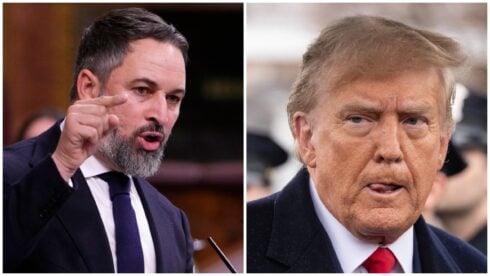
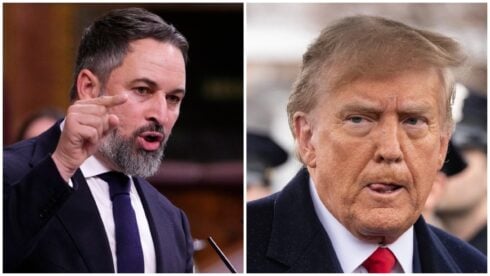 FAR-RIGHT Vox leader Santiago Abascal has criticised Donald Trump over a social media post suggesting Italian Prime Minister Giorgia Meloni ‘needed a restraining order.’ Abascal, normally a vocal supporter of
Abusos sexuales
Crece La Presión Para Que Renuncie El Candidato Demócrata Al Senado Por Maine Graham Platner, Denunciado Por Violación

Flight delays this summer: Manchester worst for delays in UK as European airports face similar chaos
Judge Peinado brings Bettino Craxi into Sánchez and Gómez case, sparking political backlash
Could Mallorca’s anti-tourism protests affect your holiday? Here’s what the controversial ‘action manual’ actually says

F1 Qualifying Results: 2026 Austrian Grand Prix times and grid positions
Mallorca solar eclipse 2026: Best viewing areas and what to know
Spain’s traffic warning for summer 2026: These are the weekends the DGT says you should avoid


-
 Uncategorized2 weeks ago
F1 Qualifying Results: 2026 Austrian Grand Prix times and grid positions
-
best places to view the solar eclipse in mallorca2 weeks ago
Mallorca solar eclipse 2026: Best viewing areas and what to know
-
DGT2 weeks ago
Spain’s traffic warning for summer 2026: These are the weekends the DGT says you should avoid
-
 %2 weeks ago
Spain’s Heat Reaches Highest Level In 76 Years
-
Latest2 weeks ago
Spain’s Former PM Requests His Corruption Probe Be Nullified
-

 %2 weeks ago
Terminal Patients In Poland Ask For The Right To Say Goodbye To Their Pets
-
Latest2 weeks ago
EU Worries Jet Fuel Supply Situation To Worsen
-
America2 weeks ago
El Terremoto En Venezuela, En Vivo | Dos Potentes Terremotos Sacuden El País Dejando Al Menos 164 Muertos Y Un Millar De Heridos