
DGT
Spain’s traffic warning for summer 2026: These are the weekends the DGT says you should avoid

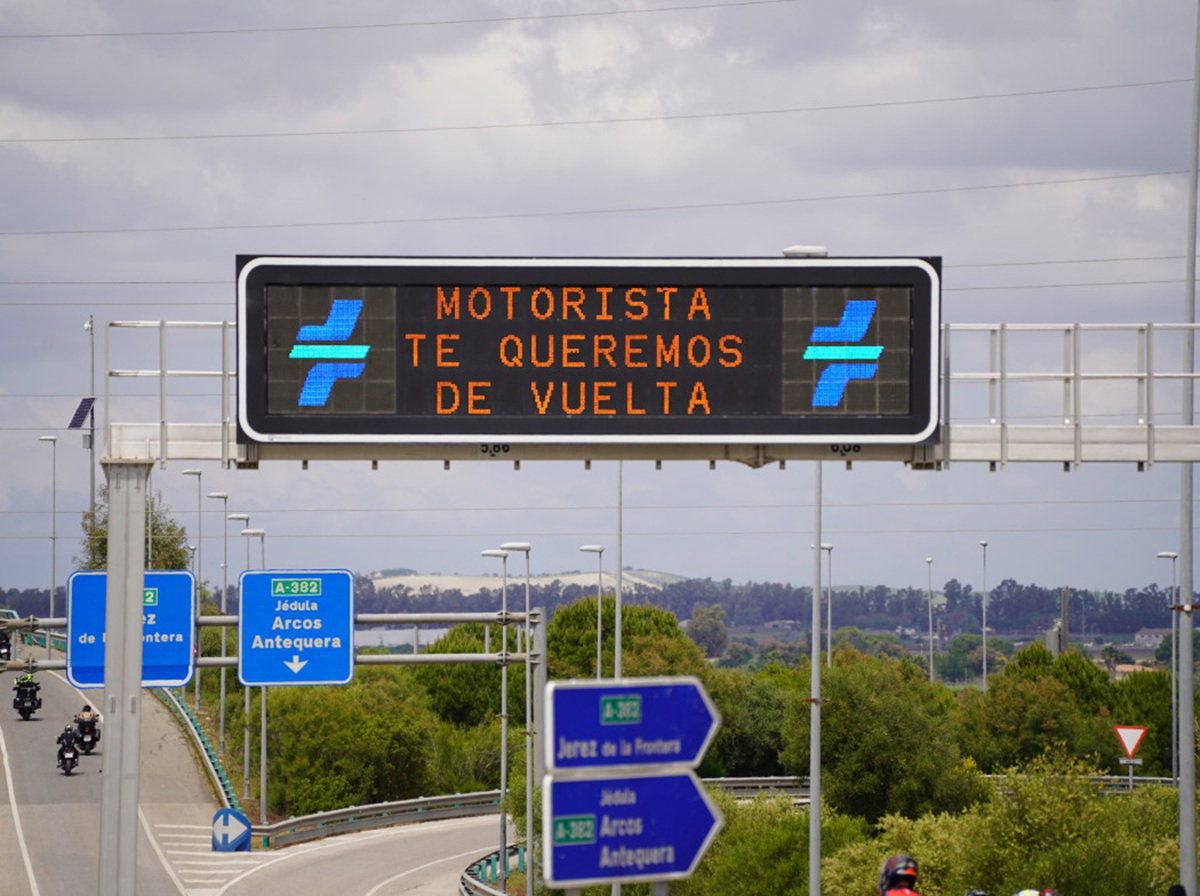
The DGT expects more than 100 million road journeys across Spain this summer.
Credit : DGT.es
Thinking of driving across Spain this summer? You may want to check the calendar before you set off. Spain’s traffic authority, the DGT, has revealed the weekends when roads are expected to be at their busiest, with more than 100 million journeys forecast over the summer holiday season. Those dates will bring heavy traffic, more police patrols, extra speed cameras and a greater risk of accidents, making them the least favourable times to travel by car.
The warning comes as Operation Summer 2026 gets under way this weekend, with millions of people heading to the coast, the mountains and family homes across the country. If your travel dates are flexible, avoiding the busiest periods could mean a much smoother journey.
The four weekends expected to cause the biggest traffic jams in Spain
Every summer follows a familiar pattern. Schools finish, workers begin their annual leave and, almost overnight, Spain’s road network fills with holiday traffic.
This year is expected to be even busier than usual. According to figures released by the government, more than 100 million road journeys are expected during July and August alone.
Not every weekend will be equally busy, however.
The DGT has identified four periods when traffic is expected to reach its highest levels because they coincide with the start or end of the main holiday changeovers.
The dates are:
July 3, 4 and 5 for the First Summer Operation.
July 31, August 1 and August 2 for the Second Summer Operation.
August 14, 15 and 16 for the Third Summer Operation, which coincides with the Assumption holiday.
August 28, 29 and 31 for the Return Operation, when many holidaymakers travel home before the start of September.
If you are planning to drive on any of those weekends, expect queues on the main motorways leading to coastal areas, heavier traffic around tourist hotspots and longer journey times throughout much of the country.
For many families, those dates are unavoidable because they coincide with booked accommodation or annual leave. Even so, the DGT says knowing what to expect allows drivers to prepare properly and avoid unnecessary risks.
Why there will be more police, speed cameras and restrictions on Spain’s roads
The increased traffic is also the reason why drivers will notice a much stronger police presence over the coming weeks.
The Guardia Civil’s Traffic Division will deploy more officers across Spain, while the DGT will increase the number of mobile speed cameras and aerial surveillance to monitor traffic from above.
Several temporary traffic measures will also be introduced to help keep vehicles moving.
Where possible, additional lanes will be opened on busy routes. Roadworks on major roads will be suspended during the busiest periods and heavy goods vehicles will face restrictions on certain stretches of road where congestion is expected.
There is another important difference this year.
Instead of focusing only on the main departure weekends, the DGT has decided to extend these measures to almost every summer weekend.
The special traffic operation will also cover June 26 to 28, July 10 to 12, July 17 to 19, July 24 to 26, August 7 to 9, August 21 to 23 and September 4 to 6.
On those weekends, the enhanced measures will normally run from 1pm on Friday until midnight on Sunday, when traffic volumes tend to be at their highest.
The DGT says the strategy is based on previous experience. During Operation Summer 2025, fatal road deaths fell by six per cent compared with the previous year. Even so, there were still 228 fatal crashes, including 173 on conventional roads, which continue to account for the vast majority of deadly accidents.
The simple advice that could save you hours in traffic
One of the most practical recommendations from the DGT has nothing to do with speed or road rules. It is simply about choosing when to leave.
Based on its historical data, the authority advises motorists to avoid setting off between 1pm on Friday and midnight on Sunday, as this is both the busiest period for traffic and the time when the highest number of fatal accidents has traditionally been recorded.
If possible, travelling early in the morning or later in the evening is likely to mean quieter roads and shorter journey times.
The DGT also encourages drivers to spend a few minutes planning before they leave home. Checking traffic updates through the DGT 3.0 app or the authority’s interactive traffic map can help identify delays, accidents or roadworks before setting off.
Long journeys should include a break at least every two hours, particularly during hot weather, when tiredness can arrive sooner than many people expect. Families travelling with children are also encouraged to plan regular stops rather than trying to complete long distances in one go.
Before leaving, drivers should also carry out a basic inspection of their vehicle. Tyres should be checked for pressure and wear, fluid levels topped up where necessary and brakes, lights, battery and engine inspected to make sure everything is working properly.
Finally, motorists should make sure they have the legally required documentation with them, together with the mandatory emergency equipment, including the V16 emergency beacon.
With millions of vehicles expected to share Spain’s roads over the coming weeks, a little preparation before turning the key could make the journey considerably easier and, more importantly, much safer.







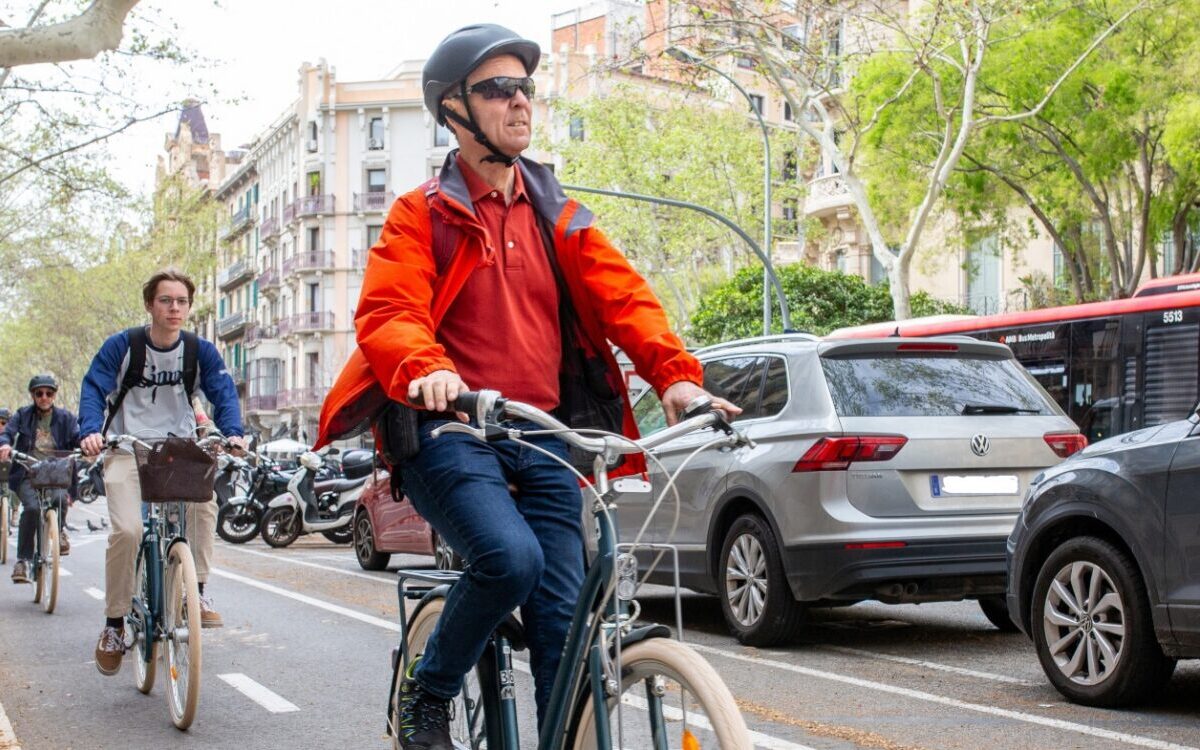
The Spanish Council of Ministers has just given the green light (Tuesday, June 23) to a major reform of the General Traffic Regulations meant to increase improve road safety, particularly for the most vulnerable users. The changes will come into force mostly in October 2026.
The updated rules are going to modernise Spain’s traffic laws to include new forms of travel and put people, especially the most exposed road users, at the heart of road safety policy. For the first time, the regulation includes an official definition of “vulnerable road user”, covering pedestrians, cyclists, motorcyclists and users of personal mobility vehicles (such as e-scooters).
Key measures included in the reform
Electric scooters (patinetes)
Cyclists
- Helmet use becomes compulsory everywhere.
- Vehicles must maintain a greater safety distance when overtaking and reduce speed.
Motorcyclists
- Protective gloves become mandatory on roads out of town.
- Closed (enclosed) footwear required on all roads.
- Motorcycles will be allowed to use the right-hand hard shoulder during heavy traffic congestion, provided they do not exceed 30 km/h and the stretch is appropriately signposted.
Seat belts
- Exceptions previously enjoyed by taxi drivers and goods vehicle drivers will be removed – everyone must wear a seatbelt at all times.
Emergency lanes and congestion
- In traffic jams, drivers must leave a clear passage for ambulances, police, fire services and other emergency vehicles. The reform also introduces specific rules for driving in snow and for motorhomes.
Overtaking stopped vehicles
Motorways and dual carriageways in snow
Urban mobility and safety about town
At pedestrian crossings with traffic lights, the amber flashing light for vehicles will no longer coincide with the green “walk” signal for pedestrians. The green light for pedestrians will not light until the traffic light is red. This will be a big change for walkers who have been accustomed to start crossing as soon as the amber for traffic comes on. So, even the walkers will have to wait a second longer or face potential on-the-spot fines.
Motorhomes will not be allowed to extend awnings, steps or other elements beyond the vehicle’s perimeter when parked, unless, of course, in a specific camp site for motorhomes and caravans. Any attempt to do so when parked on a public street, will be met with sanctions from the local police. This was a rule that was generally understood by motorhome and caravan users in Spain before, but one that now becomes clearer in law and responds more to those who permanently reside in such vehicles on public streets.
“School paths” (caminos escolares) now have official legal status. These are specially prepared routes designed to allow children to walk safely to and from school. Again, this was previously a common understanding, but now has been codified clearly in Spanish law.
Idea behind the reform
The government says the changes are designed to reduce road accidents, improve coexistence between different types of road users, and promote more sustainable and safer mobility in line with the UN’s Agenda 2030.
Most of the new rules will apply from October, 1 2026. A few measures, including the requirement for lights on e-scooters and certain helmet standards for motorcyclists, will come into effect one year later, in October 2027.




Mallorca solar eclipse 2026: Best viewing areas and what to know
Nerja Torrecilla beach drowning: Witnesses describe delays in emergency response
The chocolate bar made without cocoa. Will you be buying?

Barcelona Tests Olive Pit Asphalt That Could Transform How Cities Build Roads
1,225 delays at major European airports raise summer warning for Spain travellers
El ‘Hondius’ Zarpa De Nuevo: El Crucero Que Sufrió El Hantavirus Viaja Al Ártico Cargado Con Empleados


-
 %2 weeks ago
Barcelona Tests Olive Pit Asphalt That Could Transform How Cities Build Roads
-
european airport delays2 weeks ago
1,225 delays at major European airports raise summer warning for Spain travellers
-
Antártida2 weeks ago
El ‘Hondius’ Zarpa De Nuevo: El Crucero Que Sufrió El Hantavirus Viaja Al Ártico Cargado Con Empleados
-
Costa del Sol2 weeks ago
Torremolinos installs smart traffic lights on its beaches to warn about UV radiation levels
-
Indian Embassy2 weeks ago
Indian Embassy International Yoga Day 2026, where you can celebrate across Spain
-

 America2 weeks ago
La Batalla Por Las Actas Impugnadas Aboca A Perú A Un Escenario De Máxima Incertidumbre
-
Alcohol limits Spain2 weeks ago
Drivers in Spain warned: This mistake could cost you €1,000 and six licence points this summer
-

 Uncategorized2 weeks ago
Max Verstappen rules out Nurburgring return after 24 hour-heartbreak