Connect with us

Ceuta

Morocco Makes 111 Arrests After Second Mass Ceuta Migrant Crossing Attempt Falls Flat

Published

on

morocco-makes-111-arrests-after-second-mass-ceuta-migrant-crossing-attempt-falls-flat

Ceuta

Hundreds Of Migrants Left In Ceuta After Mass Border Crossing Stage Protest To Demand Asylum From Spain – ‘I Don’t Want To Return!’
Published

on

hundreds-of-migrants-left-in-ceuta-after-mass-border-crossing-stage-protest-to-demand-asylum-from-spain-–-‘i-don’t-want-to-return!’

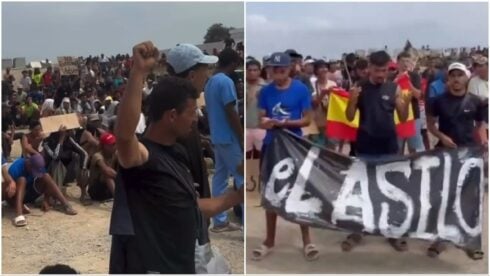
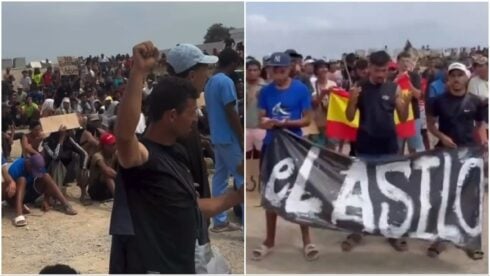
HUNDREDS of migrants still roaming the streets of Ceuta after last month’s unprecedented border crossing have staged a protest demanding the right to claim asylum in Spain. Between 5,000 and

Continue Reading

%

Madrid Faces 30-Day Ultimatum As Ceuta Warns It Will Take Migration Crisis To Court

Published

on

madrid-faces-30-day-ultimatum-as-ceuta-warns-it-will-take-migration-crisis-to-court

The scale of the arrivals has placed pressure on accommodation and local services. Photo credit:@Anonymous_TA on X

Thousands of people remain in Ceuta after a mass influx from Morocco put unprecedented pressure on the small Spanish territory, and the city is now giving Madrid just 30 days to find a solution. If the situation is not brought under control, Ceuta’s president Juan Jesús Vivas says he will take the fight to Spain’s highest courts, a dramatic escalation in the growing dispute over what should happen to the people who remain in the city.

More than 8,000 migrants are still in Ceuta, according to figures from the autonomous city’s government, after more than 70,000 people entered irregularly from Morocco during the mass arrivals of July 30 and 31. The scale of the arrivals has placed pressure on accommodation and local services, with Ceuta arguing that its limited space and resources cannot sustain the situation indefinitely.

Vivas gives Madrid 30 days

Vivas has warned that the Spanish Government has 30 days to take effective action. His demands include greater resources for return and expulsion procedures, faster processing of immigration cases and measures to return people to Morocco where this is legally possible. The Ceuta president says Madrid has the resources and legal mechanisms needed to reduce the number of migrants remaining in the territory. If he believes the Government has failed to act, Vivas intends to escalate the dispute.

He has said he wants to meet the presidents of Spain’s Supreme Court and Constitutional Court to explain Ceuta’s position and explore the judicial avenues available to the autonomous city. The 30-day period is a political deadline set by Vivas, rather than a court order. No judicial proceedings automatically begin when it expires.

Public services facing pressure

The dispute is not limited to accommodation, healthcare has also become a point of tension, with the Spanish Government rejecting claims that Ceuta’s health system has collapsed. Health Minister Mónica García said the system remains operational, although services are under additional pressure. Hospital emergency attendances have reportedly increased by 50 per cent.

For a territory with limited space and a population of around 85,000, the arrival and continued presence of thousands of additional people creates challenges that extend across accommodation, healthcare and other public services. Ceuta’s government has argued that responsibility for managing the situation cannot fall primarily on the territory itself.

Madrid says it is responding

The central government has continued its response to the influx, rejecting accusations that it has simply stood by while Ceuta struggles. Inclusion Minister Elma Saiz travelled to Ceuta to meet local authorities and assess the humanitarian response, while Prime Minister Pedro Sánchez has held meetings with ministers over the situation.

Madrid’s approach has included providing additional resources and looking for suitable accommodation and spaces for those who arrived. The Government has also stressed the humanitarian dimension of the crisis. That differs from the position taken by Vivas, who has placed much greater emphasis on returns and reducing the number of migrants remaining in Ceuta.

The dispute over returns

One of the biggest disagreements concerns what happens to those who entered the territory. Vivas wants Madrid to make greater use of the legal mechanisms available for returns and expulsions, arguing that the current situation cannot continue. The Government, meanwhile, has to operate within immigration and international law while providing immediate assistance to people who have arrived.

That makes the situation more complicated than simply deciding how many people can remain in Ceuta. Any returns must follow the appropriate legal procedures, and the Government cannot simply remove people without meeting those requirements.

A battle that could reach Spain’s highest courts

Vivas’s threat to involve the judiciary represents a significant escalation. He has accused the central government of failing to respond adequately to the scale of the crisis and has made clear that he is prepared to move beyond political criticism. His proposed meetings with the presidents of the Supreme Court and Constitutional Court would be aimed at explaining Ceuta’s situation and determining what legal options may be available.

It remains unclear whether any eventual judicial action would result in the measures Vivas is demanding. for now, the immediate pressure remains on the city itself. More than 8,000 people are still in Ceuta, according to the local government’s figures, while the two sides continue to disagree over how the situation should be managed.

The clock is now running

The next 30 days could determine whether the confrontation between Ceuta and Madrid intensifies further. Vivas wants to see faster returns, more resources and a reduction in the number of migrants remaining in the territory. Madrid is continuing its humanitarian response while rejecting claims that local services have collapsed.

For people living in Ceuta, however, the argument between the two administrations has a very practical consequence: thousands of people remain in a territory with limited space and resources, while the authorities disagree over how to resolve the situation. Vivas has now set his deadline, if Madrid fails to satisfy his demands within 30 days, he says the next stage of the battle will be Spain’s judicial system.

Continue Reading

Aeropuertos

Última Hora De La Entrada De Inmigrantes A Ceuta, En Directo | El Presidente De Ceuta Amenaza Al Gobierno Con Acudir Al Poder Judicial Si No Resuelve La Crisis En 30 Días

Published

on

By

ultima-hora-de-la-entrada-de-inmigrantes-a-ceuta,-en-directo-|-el-presidente-de-ceuta-amenaza-al-gobierno-con-acudir-al-poder-judicial-si-no-resuelve-la-crisis-en-30-dias

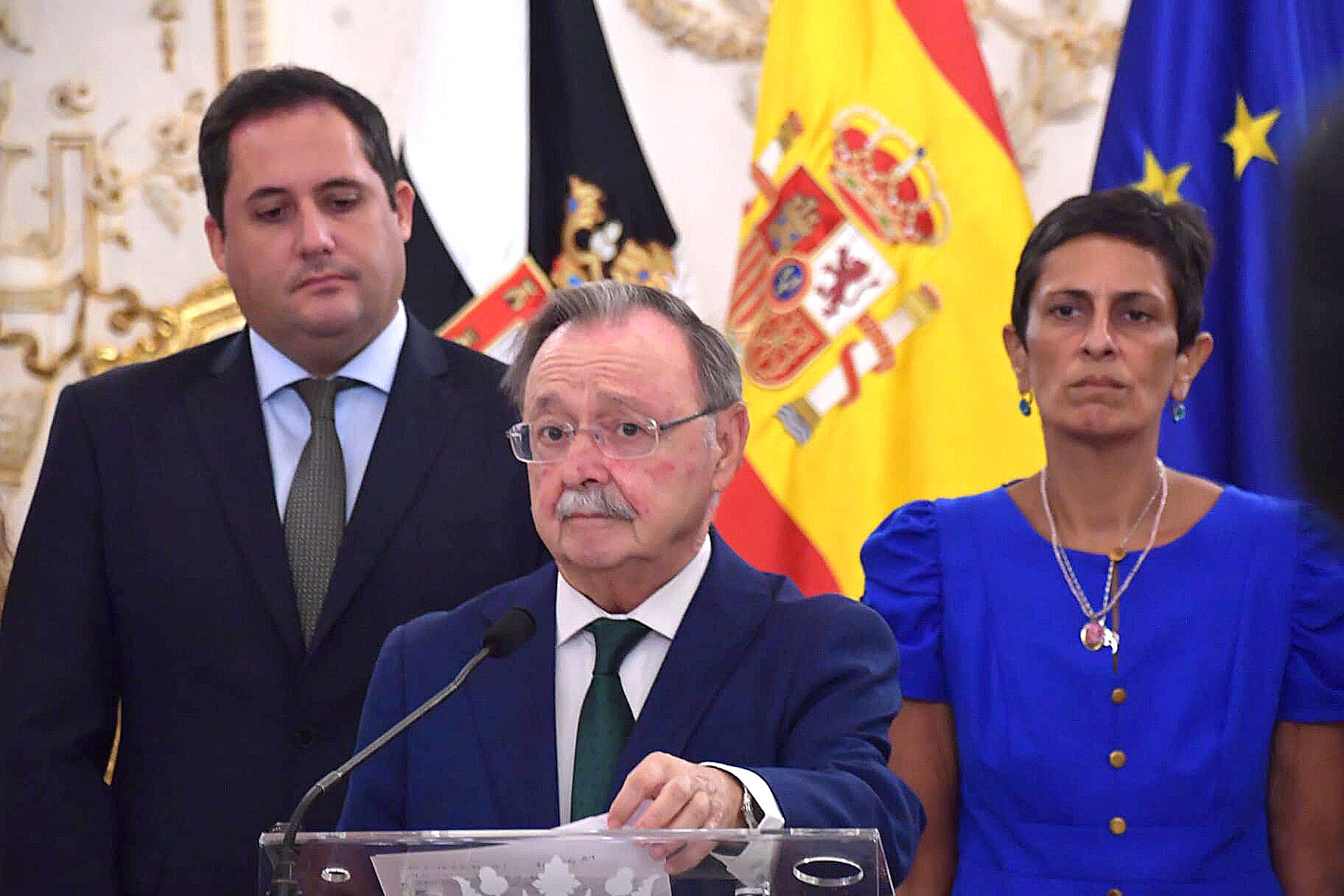
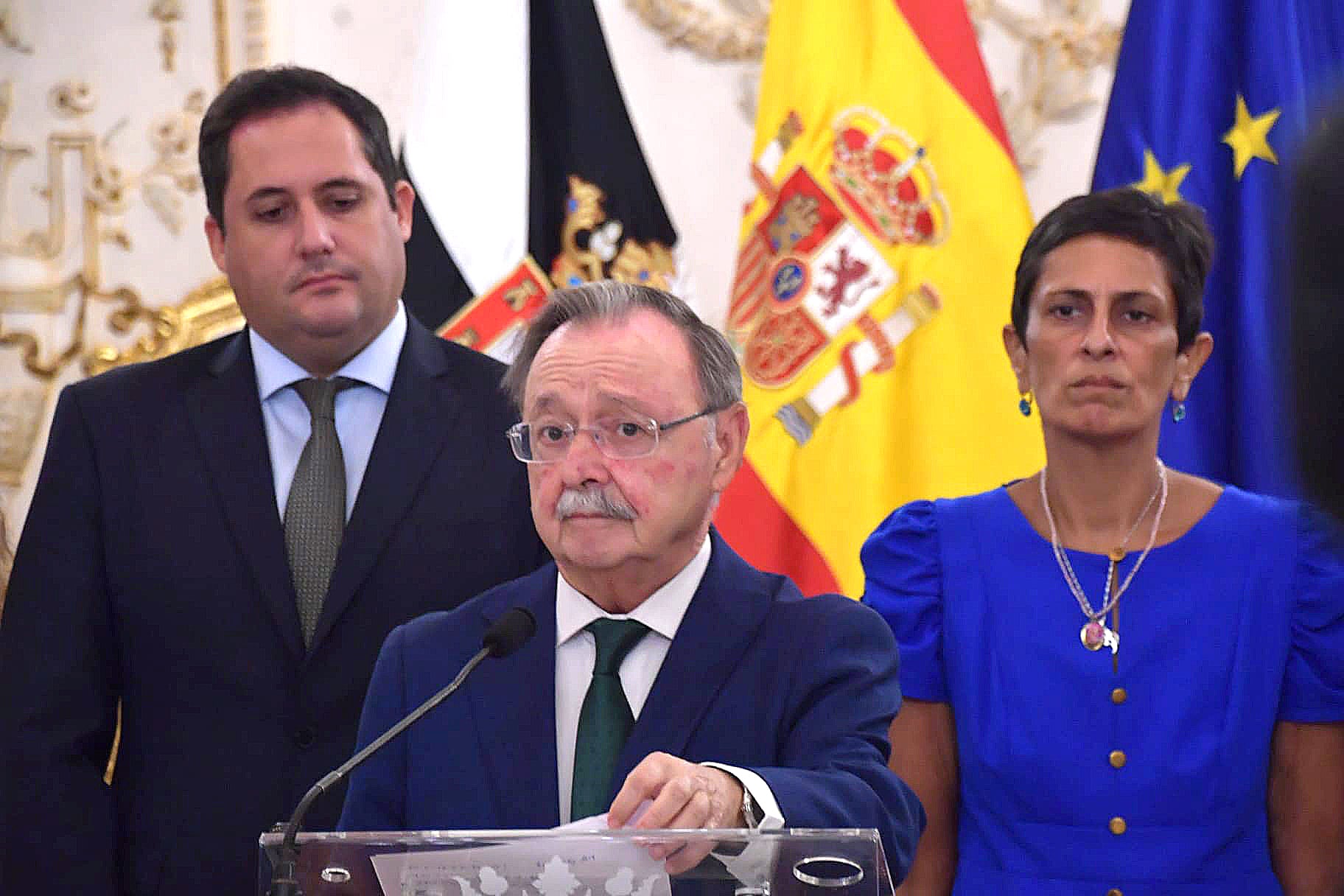
 El presidente de la Ciudad Autónoma de Ceuta, Juan Jesús Vivas, durante la rueda de prensa.

El presidente de Ceuta, Juan Jesús Vivas, ha denunciado la “falta de respuesta adecuada” por parte del Gobierno de España ante la crisis desatada con la entrada masiva de decenas de miles de inmigrantes los pasados 30 y 31 de julio. Vivas ha advertido al Gobierno que si en 30 días no mejora la situación, acudirá al poder judicial. Por su parte, la ministra de Sanidad, Mónica García, considera que el Gobierno se enfrenta con la situación en Ceuta “a una crisis humanitaria absolutamente excepcional” y ha negado el abandono institucional: “Yo creo que no ha habido abandono en ningún momento”. El presidente del Gobierno, Pedro Sánchez, celebra este lunes una videoconferencia con sus ministros para analizar la evolución de la crisis. Esta será la segunda cita de este tipo que mantiene Sánchez sobre la crisis de Ceuta mientras pasa sus vacaciones veraniegas en el Palacio de La Mareta, en Lanzarote. Además, la ministra de Inclusión, Seguridad Social y Migraciones, Elma Saiz, visitará la ciudad autónoma para conocer sobre el terreno el dispositivo de atención humanitaria desplegado y para reunirse con Vivas.

Seguir leyendo

Continue Reading

Trending

Copyright © 2017 Spanish Property & News