
Columnists
Why does Milo love his HouseSitMatch cat-sitters?


Milo relaxing while keeping guard of his cat-sitter’s cup of tea. Credit: Lamia Walker
Despite their reputation as superior and unattached, some cats actually love company. Take Milo, a friendly tabby who believes a home isn’t complete without a warm lap on-demand.
When his HouseSitMatch sitters arrive, Milo doesn’t hide. He rolls out the red carpet: introducing his favourite toys, guiding them to the treat cupboard (just in case his owner “forgot” to mention second breakfast), and dutifully guarding their cuppa when it’s teatime.
Need a cat-sitter for your own feline overlord?
Whether you’re off on a long cruise or visiting family back home for the holidays, your pets prefer staying in their own kingdom. Live-in sitters keep their routines intact and your home secure—saving everyone money and that stressful trip to the cattery.
How it works: your next step to adventure
Joining our network is simple, secure, and collaborative:
- Register at HouseSitMatch.com.
- Create Your Profile with photos highlighting your property features and pets
- Match & Explore with your perfect housesitter partner and start planning your next trip!
For a small annual registration fee (and zero “per-sit” fees), you access a secure, vibrant community. Pets get to stay at home routines intact, properties remain secure, and you get a budget-friendly way to travel.
💜 Why HouseSitMatch works
We’re more than a platform – we’re a community.
- Checked Members — We verify both homeowners and sitters to keep the whole network safe.
- Human Support — Our team is on hand to guide you, answer questions, and help you.
- Easy Video Tools — Use our secure video call features to meet sitters before confirming the match.
⭐ “This site is definitely the best… Lamia and her team provide such a personal approach and will talk you through any problems.” — Kay Lattimore
Claim your exclusive reader discount
Register today at HouseSitMatch.com and use code WELCOME25 to receive 25% off your first year.
- Web: HouseSitMatch.com
- Call: +44 (0)7772 142742
- Trustpilot: Rated Excellent – 4.9/5 ⭐





Columnists
When does a shared path stop being a favour and start being a right? Easement of way in Spain. Legal advice.

By Carlos Baos (Lawyer) • Published: 05 Aug 2026 • 15:48 • 2 minutes read
Signing a will. Credit: New Africa/Shutterstock
Living in another country rarely comes without its share of bureaucratic surprises. Most of our readers will already know this from first-hand experience, whether it was registering a car, dealing with the Town Hall, or simply trying to get a straight answer from a Spanish office. Today, we look at another one of those moments: the paperwork that follows the death of a loved one, and how the process here differs, in some important ways, from what you may be used to in the UK.
The death certificate is where everything begins. If your loved one passed away in Spain, the certificate issued by the local Civil Registry is generally sufficient on its own. If they passed away in the UK, however, the death certificate will need to be apostilled and accompanied by a sworn translation for the Spanish authorities to accept it.
The next step is confirming whether a will exists. Spain keeps a “Central Registry in Madrid” recording every will granted by anyone, anywhere in the country. Checking this registry is a mandatory first step, even if you are confident no Spanish will was ever granted. If one exists, a special certified copy must be requested from the Notary who holds it. If there’s no Spanish will but there is a UK one, an apostilled, translated copy will generally be required. Where no will exists, in either country, matters become more complex, and this is something we will cover in a future article.
Once it is confirmed who inherits, the next task is drawing up an inventory of everything owned, and anything owed. Bank accounts don’t transfer automatically to heirs the way they might in the UK. A specific bank certificate is needed, and the relevant Inheritance Tax generally must be settled before funds can be released. Property works differently too. Both the Land Registry and the Spanish Cadaster need checking, since they hold different, complementary information. No formal valuation is required, though the declared value cannot fall below an official minimum set annually. Finally, before anyone can access the inherited assets, a notarial deed of acceptance must be signed, and the Inheritance Tax must also be paid.
Sorting out an estate in Spain isn’t necessarily harder than doing so in the UK, but it does follow its own logic. Knowing that logic in advance tends to save a good deal of frustration. If you find yourself facing this process, at White Baos Lawyers we are always happy to help you through it. Reach out to us today.
You may be interested in the following services and articles:
Inheritance Tax payment from the deceased’s bank account. Inheritances in Spain. Is it possible?
NIE in inheritances. Who needs an NIE to deal with an inheritance in Spain?.
Carlos Baos (Lawyer)
White & Baos.
Tel: +34 966 426 185
E-mail: info@white-baos.com
White & Baos 2026 – All Rights Reserved.
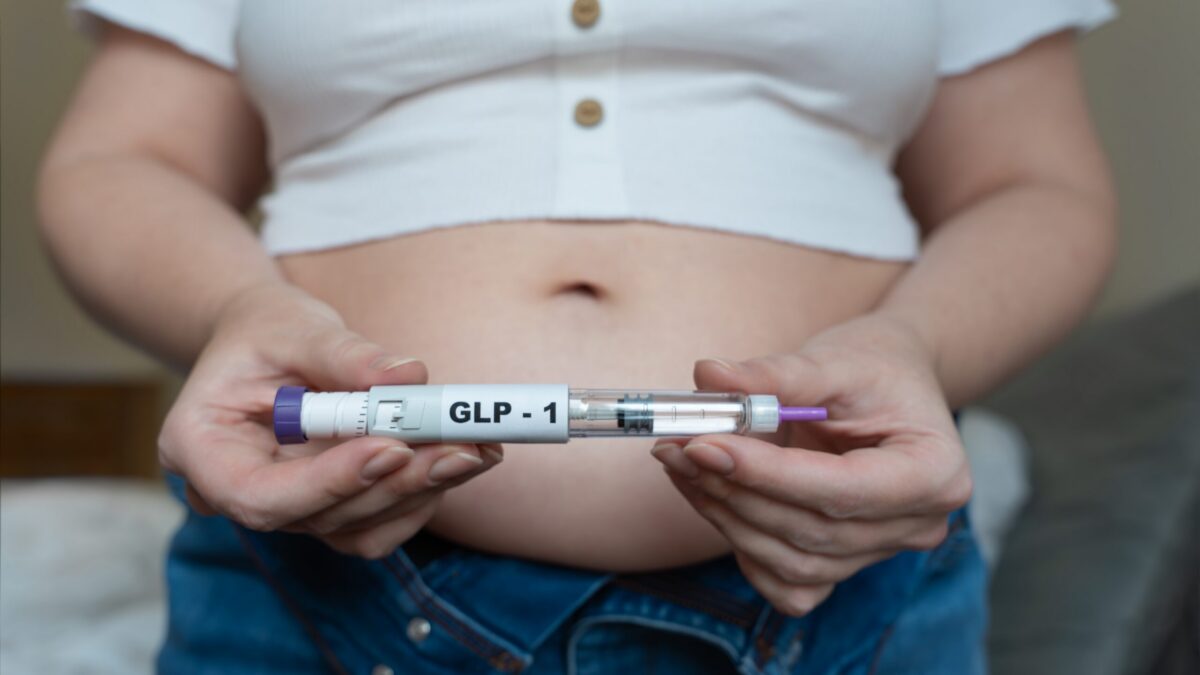
These medicines were first developed to treat type 2 diabetes.
Credit: KaterynaBorodina/Shutterstock
“Food just doesn’t occupy my mind anymore.” It’s a phrase doctors who prescribe GLP-1 medicines hear time and again.
For many people living with obesity, constant hunger isn’t simply about a lack of willpower—it’s driven by powerful biological signals that tell the brain to eat, even when the body has enough energy. That’s why the latest generation of weight-loss medicines has generated so much excitement, and I’d say almost any dinner party I get invited to the conversation invariably turns to these weight-loss drugs.
Originally developed to treat type 2 diabetes, GLP-1 receptor agonists, to be precise, are now helping millions of people lose weight, improve their health and, in many cases, dramatically reduce their risk of serious diseases such as heart attack and stroke. Rather than forcing people to battle their appetite, these drugs work with the body’s own hormones to reduce hunger naturally.
But these medicines aren’t magic injections. They don’t replace healthy eating or exercise, and they aren’t suitable for everyone. Like any treatment, they come with benefits, risks and plenty of misconceptions.
What exactly are GLP-1 medicines?
GLP-1 stands for glucagon-like peptide-1, a hormone that your body naturally releases after you eat.
Think of it as one of the body’s appetite managers. It helps signal that you’ve had enough to eat, slows digestion and helps keep blood sugar levels under control.
The medicines now making the headlines—including semaglutide and newer treatments such as tirzepatide—are known as GLP-1 receptor agonists because they copy or enhance the action of this natural hormone. (Despite what you may sometimes read online, they are not GLP-1 antagonists. An antagonist blocks a receptor; these medicines activate it.)
Why do they work so well?
One reason traditional dieting can be so difficult is that the body often fights back.
When we lose weight, hunger hormones increase while metabolism can slow slightly, making it harder to keep the weight off. From an evolutionary perspective, that’s a survival mechanism. Unfortunately, it can make long-term weight management incredibly challenging.
GLP-1 medicines help tip the balance back in the patient’s favour.
They reduce hunger, increase feelings of fullness and slow the movement of food through the stomach. Many people naturally eat less without feeling deprived.
Perhaps the biggest change patients describe is something researchers now call “food noise”—the constant thoughts about eating that can dominate daily life. Many people say those thoughts become much quieter, making it easier to make healthier choices.
More than a weight-loss drug
Although weight loss grabs the headlines, these medicines were first developed to treat type 2 diabetes.
They help the pancreas release insulin when blood sugar levels rise while reducing the production of glucagon, a hormone that raises blood sugar. Together, these actions improve glucose control without causing frequent episodes of low blood sugar when used alone.
The health benefits don’t stop there.
Losing even 10–15% of body weight can improve blood pressure, cholesterol levels, joint pain, sleep apnoea and mobility. Clinical studies have also shown that some GLP-1 medicines reduce the risk of heart attack and stroke in people at increased cardiovascular risk.
Researchers are now investigating whether they could also play a role in treating conditions such as fatty liver disease, kidney disease and even some forms of addiction, although these potential uses are still being studied.
What are the downsides?
No medicine is without side effects, and GLP-1 treatments are no exception.
The most common problems affect the digestive system.
Feeling sick, bloating, constipation, diarrhoea and occasional vomiting are particularly common during the first few weeks of treatment or after increasing the dose.
For most people these symptoms settle as the body adapts. Doctors usually start patients on a low dose before gradually increasing it over several weeks to minimise discomfort.
Eating smaller meals, avoiding rich or fatty foods and drinking plenty of fluids can also help.
Are there serious risks?
Serious complications are uncommon but important to recognise.
Because these medicines slow stomach emptying, a small number of people develop severe or persistent digestive symptoms that require medical attention.
Rapid weight loss itself can increase the likelihood of developing gallstones, whether weight is lost through medication, dieting or bariatric surgery.
Doctors also monitor for pancreatitis, an uncommon but potentially serious inflammation of the pancreas. Anyone taking a GLP-1 medicine who develops severe abdominal pain—particularly if it spreads to the back—should seek urgent medical advice. I know many people access these drugs via ‘non-traditional’ routes, by that I mean ordering directly on-line, or via some internet application. The reason these are prescription drugs is so that your own doctor can keep an eye on things and monitor you as necessary. In some cases, these drugs might not be suitable for you.
Animal studies found an increased risk of certain thyroid tumours, although this has not been demonstrated in humans. As a precaution, these medicines are not prescribed for people with a personal or family history of medullary thyroid cancer or multiple endocrine neoplasia type 2.
Will the weight come back?
This is perhaps the biggest question of all.
For many people, stopping treatment means appetite gradually returns and some weight is regained. That’s not because the medicine has “failed”—it’s because the biological signals that encourage weight gain begin to reassert themselves, the so called ‘see-saw’ response.
Specialists increasingly view obesity as a long-term medical condition rather than a temporary problem to be fixed. Just as blood pressure medication often needs to be continued, some people may require ongoing GLP-1 treatment to maintain the benefits.
Others may be able to transition successfully to lifestyle changes alone, but this varies considerably from person to person.
A turning point in obesity care
The arrival of GLP-1 receptor agonists has changed the way doctors think about obesity.
For years, people struggling with excess weight were often told they simply lacked discipline. Modern science paints a very different picture. Appetite, metabolism and body weight are controlled by an intricate network of hormones and brain signals that are largely beyond conscious control.
GLP-1 medicines don’t remove the need for healthy habits, but they can make those habits much easier to maintain.
For many patients, that’s the real breakthrough.
Rather than fighting against their own biology every day, they’re finally working with it—and that could prove to be one of the most important advances in modern medicine.

Holiday diary. Credit: Nicole King
For the first time in a long time I have given myself permission to slow down and take a few days off between TV shows.
I love arts and crafts; one of my favourite past times with the children back in the day, so last Sunday I joined Cristina Mota’s lovely group to make a giant dreamcatcher. It was completely different and great fun; I met some lovely ladies too. Unfortunately just as I was driving out of the Estepona Golf car park, I punctured a tyre, which turned into a two-hour wait for the tow truck and eventually a taxi, in 40º heat; at least I wasn’t in a rush. Apparently it took longer than usual due to the wildfire that had just started in Estepona. It was a stark reminder of how quickly an ordinary day can change.
I enjoyed the class so much I will be going back for the Mandela group on the 9th; it’s very relaxing being “crafty”; you should try it!
I also had great fun at the RaRa Golden Era Gala at Hard Rock; probably one of the best events I’ve been to; so much entertainment and delicious food. What I liked most is the relaxed atmosphere; it’s luxuruous but no pompous. Very much looking forward to the Julio Iglesias Tribute on Friday 14th!
We also celebrated my son in law’s birthday at the Hard Rock, it just lends itself to the party atmosphere. The swimming pool is shallow all over, ideal for dancing and for the young ones; again the food and staff added to the experience.
It’s been a great first week: embracing the moments and making the most of them.
Sign up for personalised news
Subscribe to our Euro Weekly News alerts to get the latest stories into your inbox!
By signing up, you will create a Euro Weekly News account if you don’t already have one. Review our Privacy Policy for more information about our privacy practices.
They may look cute… but 80% of wild boars tested in Spain carry major diseases
The Grand Prix is back: Madrid prepares for its first F1 race in 45 years
Woman accidentally throws away €1 million lottery ticket. Bin men help her get it back.


-

 Latest2 weeks ago
Can Spanish Property Owners Cut Off Utilities To Squatters?
-

 New Developments2 weeks ago
Luxury Villas For Sale, Estepona – ProjectL1
-

 Amazon2 weeks ago
Un Tangle Teezer De Viaje: El Cepillo De Pelo Perfecto Para Tu Neceser De Vacaciones
-

 ChatGPT2 weeks ago
Food-Related Scams Are Flooding Social Media With Hyper-Realistic AI-Generated Videos
-

 Andalucia2 weeks ago
Man Arrested For Assaulting Six-Month Pregnant Partner At Malaga Airport
-
Latest1 week ago
Spanish Wildfires Intrude On Holidaying Foreign Visitors
-
ElPais2 weeks ago
Spain Moves Forward With Law Granting Citizenship To Sahrawis
-

 Barcelona2 weeks ago
Cleaner Air May Be Adding Fuel To Spain’s Scorching Summer Heatwaves, Researchers Claim – But Are They Correct?