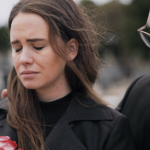
Spain is preparing to make a significant change to its employment laws, giving workers more time to grieve without the additional worry of losing their income Credit: Shutterstock/PeopleImages
Two days after losing a close family member, many workers in Spain have had to return to work while funeral arrangements, paperwork and family responsibilities were still unfolding.
That is set to change. Spain’s Council of Ministers has approved ten working days of paid bereavement leave after the death of a spouse, registered partner, parent or child. The new rules are expected to take effect on Thursday, November 26, after publication in Spain’s Official State Gazette, the BOE.
Prime Minister Pedro Sánchez and Labour Minister Yolanda Díaz announced the measure on Monday, November 23. You can read the announcement on Pedro Sánchez’s official X account. The Cabinet approved the decree the following day.
Who gets ten days off after a bereavement?
Employees will be entitled to ten paid working days following the death of their:
- Husband or wife
- Registered domestic partner, known in Spain as a pareja de hecho
- Mother or father
- Son or daughter
The leave can be taken within the four weeks following the death. The decree also gives the entitlement a new name, permiso por duelo en caso de fallecimiento, meaning bereavement leave following a death.
For other relatives covered by the legislation, including siblings, grandparents, grandchildren, parents in law, children in law and siblings in law, workers will receive three working days. That rises to five if travel is required.
The current entitlement is generally two paid days, rising to four when travel is necessary.
What could the change mean for British expats in Spain?
When a death happens abroad, two days can disappear in a blur of flights, funeral arrangements and paperwork.
For British nationals employed in Spain, the longer leave could make it easier to travel to the UK, attend a funeral and support relatives without relying as heavily on annual holiday or negotiating extra time away from work.
The entitlement comes from Spanish employment law, so it depends on a person’s employment in Spain, not their nationality. The decree covers employees. Self employed workers, including autónomos, are not automatically covered by the same paid leave arrangement.
Support for families before a loss
The decree also includes measures for people supporting a relative near the end of their life. Employees will be able to reduce or adapt their working hours when a spouse, registered partner or blood relative up to the second degree needs palliative care. There will also be a separate one day leave entitlement for someone accompanying a person during a legally authorised euthanasia process.
Why did the plan sit on the shelf for a year?
The idea was first put forward in 2025, but it did not move straight from proposal to law. EWN covered the earlier plans in its report on Spain’s proposed shake up of bereavement leave.
The Ministry of Labour later reached an agreement with trade unions CCOO and UGT. Employers’ organisations CEOE and Cepyme opposed the proposals, and the reform stalled. The version approved by the Cabinet is narrower than the original plan. That proposal would have given ten days of leave after the death of a wider group of relatives, including grandparents and grandchildren. Under the approved version, those relatives receive three days, or five when travel is required.
When can workers use the new leave?
The decree is expected to appear in the BOE on Wednesday, November 25, and take effect the following day. Workers should check with their employer or consult their collective agreement for details on how to request the leave.
There is still a parliamentary step ahead. The decree must be ratified to remain in force. Because Spain’s general election is scheduled for Sunday, November 29, it is expected to go before the Congress’s Permanent Deputation in December.
No amount of leave can take away the pain of losing someone. But for families facing a bereavement, more time could mean less pressure to organise a funeral, support relatives and return to work all at once.















 New Developments3 weeks ago

 New Developments3 weeks ago

 New Developments4 weeks ago

 %4 weeks ago

 New Developments3 weeks ago