
Cost of living
‘Guiri tax’ in Spain: expats claim they are charged more for being foreigners

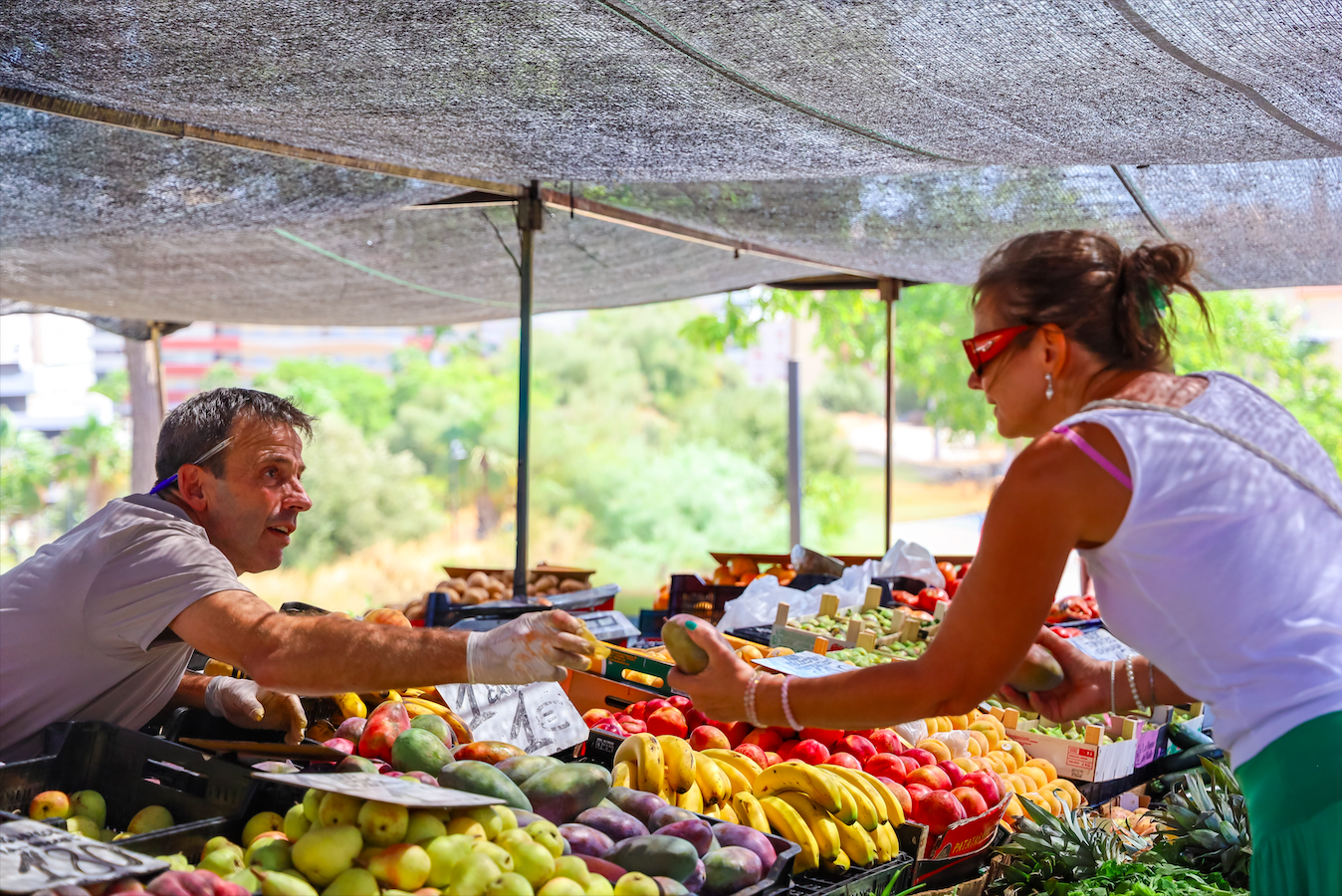
Often associated with smaller pueblos, where newcomers may have fewer local contacts and less knowledge of going rates. Photo credit: Dasha Vo / Shutterstock
Moving to Spain means learning how things work in a new community. For some foreign residents, that includes discovering that being a ‘guiri’ can come with a higher price tag. Often associated with smaller pueblos, where newcomers may have fewer local contacts and less knowledge of going rates, the so-called ‘guiri tax’ can also happen in larger towns and cities.
Language barriers and unfamiliarity with local businesses can make it harder to judge a fair price. The term describes the belief that some businesses see foreign customers as wealthy and charge them more. Five residents say they discovered they were paying more than Spanish customers.
A costly surprise during renovations
Sonia and John moved to Granada from Sussex seven years ago and began building work on their cortijo. They suspected the costs were high, but it took months to discover the difference. They say they had been paying at least €50 extra per day, per builder. They had to recalculate their expenses and could no longer afford to repair other parts of the property.
When labour is charged daily, an inflated rate can quickly accumulate across a team of builders. What might initially look like a small difference can become a substantial extra expense over the course of a renovation.
Four euros more for every bale
Margarethe moved from the Netherlands to the Costa Blanca in 2002 with her four horses. She bought hay from a local feed yard, paying €7–€8 per bale. She later discovered Spanish neighbours were paying €4 for the same hay. When she confronted the dealer, he began charging her the same price as everyone else.
“I’m not sure if he thought I wasn’t going to ask prices or if he saw me as someone who has money. Either way, it didn’t work out for him. It’s definitely a shameless mentality,” she said. For someone keeping four horses, hay is a regular expense. A €4 difference on every bale can be repeated with every purchase, making it far more significant than a one-off overpayment.
A hair appointment that never happened
Annette from Lyon, France, says she was quoted €120 by a hairdresser after moving to Torrox. She checked online and found top-end Madrid salons charged around €80 for the same treatment. “She was trying to charge me €40 more than top-end Madrid hair salons. She must have seen I wasn’t from around here and tried her luck. Safe to say I never went,” Annette said.
Her experience shows how easily someone unfamiliar with local prices can mistake an inflated quote for the normal cost of a service. Checking other providers gave her a benchmark before she committed.
More than €250 on the same order
Tim and Sam, who live in Mojácar, say they discovered a price difference at a local builders’ yard. They sent their Spanish builders to collect the exact same order of kitchen tiles, cement and bricks they had bought weeks earlier. The builders were charged €250 less.
“I honestly believe they think all foreigners are rich,” they said. They took their money elsewhere. This is particularly striking because the comparison involved the same supplier and identical materials, rather than two businesses charging different prices. Having someone local make the same enquiry exposed the difference.
The language barrier at the garage
Nickolas, originally from Germany and now living in Chiclana, Cádiz, says a mechanic added €10 to the original price of every item his car needed before its ITV inspection. He spotted it when comparing prices with his Spanish teacher, who had recommended the garage.
“I would 100 per cent say it was because he saw a walking bank when I came into his garage, not fully speaking the language,” Nickolas said. “He lost a client he could have had for many years, but that’s what greed does.” Not speaking Spanish confidently can make it harder to question technical explanations, understand a repair estimate or challenge an unexpected charge. Nickolas only spotted the difference after checking the prices with someone he trusted.
How to avoid paying the ‘guiri tax’
Ask Spanish neighbours what they usually pay and get two or three quotes before agreeing to expensive work. If you are not confident speaking Spanish, ask a local friend or neighbour to go with you, make enquiries on your behalf or request a quote for exactly the same job or items.
For building work, ask for an itemised written quote covering labour, materials and extra costs. Check unit prices when buying supplies and ask mechanics to explain each item before authorising repairs. Don’t feel pressured to accept the first price. Comparing quotes and asking someone who knows the local market can help you recognise when you’re being charged more than the going rate.









Barcelona riots
Spain rocked by strike violence as police clash with protesters and businesses are targeted

The worst street violence was reported in central Barcelona. Photo credit: @AlvarezdePereaA on X
People trying to get to work, keep their businesses open or go about their daily lives faced disruption and violence across Spain today Wednesday, November 11, as a general strike over housing costs escalated into confrontations between protesters and police. In Barcelona, groups of hooded youths clashed with officers and smashed shop windows after a housing demonstration.
In Madrid, strike pickets faced police intervention at Mercamadrid and Gran Vía, while in Mallorca, shopkeepers arrived to find their shutters and locks glued shut. The incidents left businesses damaged, workers injured and dozens of people arrested, with the disruption extending well beyond the demonstrations themselves.
Barcelona violence erupts after peaceful march
The worst street violence was reported in central Barcelona after the main housing demonstration had finished. Groups of hooded youths began smashing shop windows around the junction of Passeig de Gràcia and Gran Via de les Corts Catalanes, in some cases removing protective boards fitted ahead of the protests. Several rubbish containers were set alight and fires were started in the street. The groups also threw objects and set off fireworks and other pyrotechnics towards Mossos d’Esquadra officers, who had deployed riot units and police vans to the area.
The disturbances spread towards Plaça Catalunya, where some of those involved tried to force their way into the Apple store. Officers formed a cordon to protect businesses and moved in to disperse the groups. Further confrontations were reported around Urquinaona and Via Laietana, while firefighters were called to extinguish the fires. By 21:55, the number of people arrested over the disturbances in central Barcelona had risen to 18. The arrests followed the destruction of shop windows, fires and clashes with police. Catalan president Salvador Illa condemned the violence, stressing that it did not represent the peaceful demonstrators who had taken part in the march.
#HuelgaGeneral #madrid #11novembre Gran vía, Madrid 11-11-26 https://t.co/V80OrJwDmL
— . (@luisrojaspi) November 11, 2026
Madrid sees arrests and police charges
Madrid had already experienced confrontations from the early hours, particularly at Mercamadrid. Strike pickets attempting to disrupt activity at the wholesale market clashed with police, who used pepper spray during the intervention. Unions said up to 15 protesters received medical attention, while one person was arrested after allegedly throwing a barrier at officers. There were also confrontations at the municipal transport company’s bus depot in Carabanchel, where a police operation left eight people with minor injuries, according to reports. Other disruption was reported at transport depots in the capital.
Later, hundreds of demonstrators blocked Gran Vía for around two hours, chanting slogans including ‘Today we don’t consume, today we don’t work’. When officers from the National Police’s riot unit attempted to clear the road, pushing developed into police charges. Officers used batons against some demonstrators, and two people were arrested on suspicion of assaulting police. One protester suffered a head injury and was taken to hospital.
Further arrests were made in Puente de Vallecas, where police intervened over alleged damage and attempts to organise a blockade of the M-30. Two people were arrested over alleged damage and sabotage after sharp metal objects were thrown onto the road and a police vehicle tyre was punctured. Two others were detained on suspicion of assaulting officers while preparing the blockade. Another person was arrested in Arganzuela for alleged resistance and disobedience. By late afternoon, the total number of arrests across the Community of Madrid had reached 20, according to police sources. This figure covers incidents across the region during the strike, rather than only the confrontations in central Madrid.
Gases lacrimógenos y disparos en la salida de Gran Vía a plaza de España en Madrid. Sin informar, la policía nacional ha impedido el acceso a la plaza, reteniendo al flujo enorme de gente que llegaba. Parece, insisto, un conflicto provocado artificialmente #HuelgaGeneral11N https://t.co/xfzxClaRIs
— Luis Alcázar 🇪🇦🏳️🌈🇪🇺 (@luisalcazarluis) November 11, 2026
Mallorca shopkeepers find shutters glued shut
In Palma, some business owners faced a different form of disruption when they arrived to open their shops on Wednesday morning. Several found glue and silicone applied to the bottom of their metal shutters and inside their locks, leaving them unable to open their premises normally. Some businesses also found signs declaring ‘General strike, shop closed’. Workers attempting to go about their jobs were reportedly confronted and heckled by pickets.
The incidents were reported in several shops in central Palma. The Mallorca small-business association PIMECO condemned the deliberate obstruction, saying shopkeepers had the right to open if they chose to work during the strike. It urged affected businesses to photograph the damage and report it to police. For independent retailers, being forced to remain closed meant losing trading hours as well as potentially facing repair bills to remove the glue and silicone. No confirmed arrest figure was reported in connection with the incidents in Palma.
A strike over housing and wages
The nationwide walkout was called by unions and housing campaigners demanding action on rising rents, evictions, wages and public services. Demonstrations took place in cities across Spain, with most marches passing peacefully.
But the 18 arrests in Barcelona, 20 across the Community of Madrid and deliberate obstruction faced by businesses in Palma showed how far the disruption reached beyond the marches. Workers were left dealing with injuries and police action, while shopkeepers faced broken windows, damaged locks and lost trading hours.


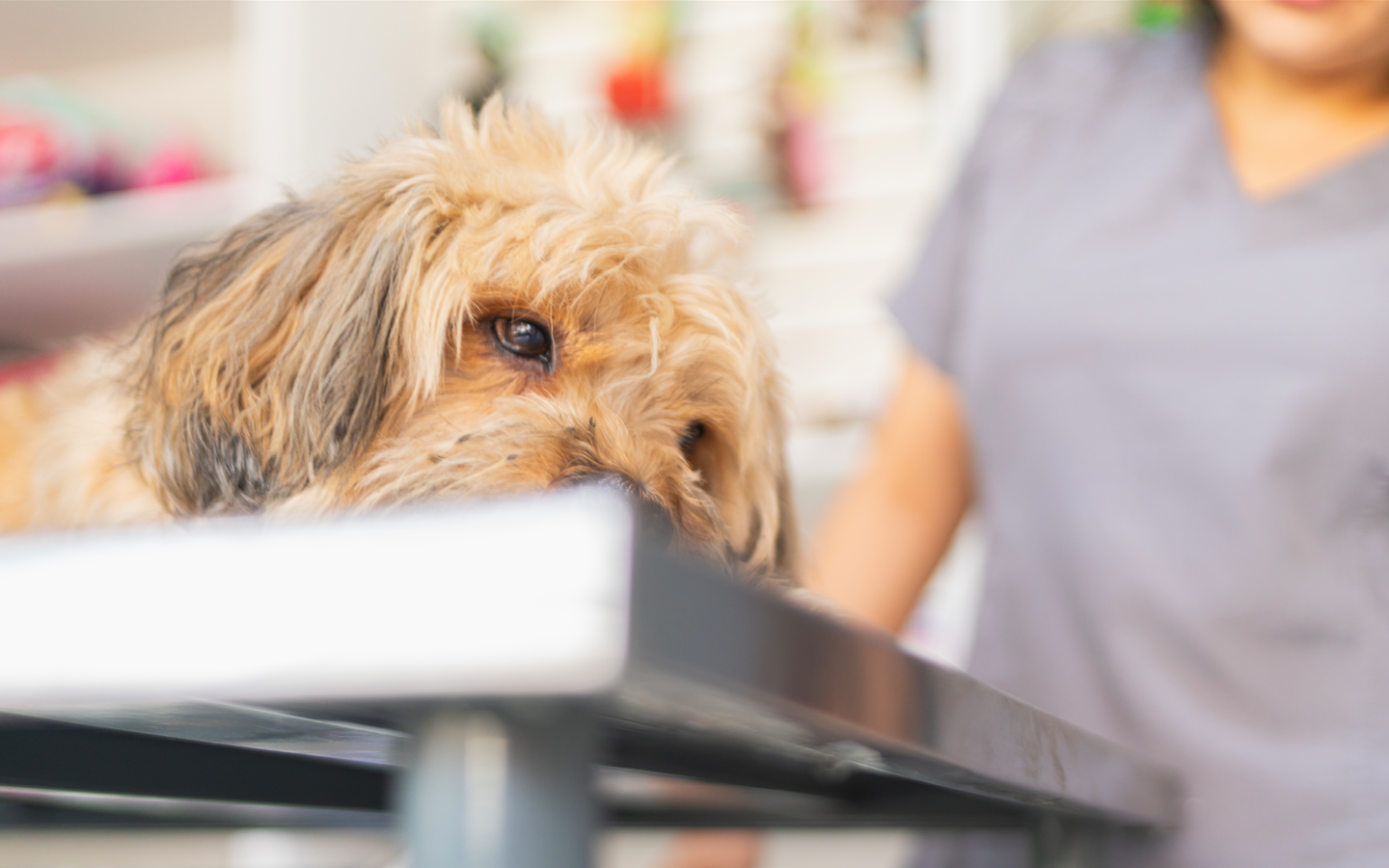
There are ways to make veterinary treatment more manageable. Photo credit: Guillermo Spelucin R/Shutterstock
Owning a dog or cat is becoming an increasingly expensive commitment in Spain, and for some families the question is no longer whether they can afford the best food or a new toy, but whether they can afford to take their animal to the vet when something goes wrong. Rising veterinary bills are putting pressure on household budgets, with some owners already delaying appointments, reducing insurance cover or cutting back on other aspects of their animals’ care.
The danger is that saving money in the short term can lead to much bigger bills later, particularly when a minor health problem develops into something requiring emergency treatment. Spain’s National Statistics Institute (INE) recorded annual inflation of 4.8 per cent for veterinary services and other domestic animal services in September 2026. Although slightly below August’s 5 per cent, prices are continuing to rise, adding to the pressure on owners already dealing with higher household expenses.
Veterinary bills put pressure on family budgets
Spain’s first national pet census, published in 2026, recorded more than 15.17 million identified animals, including 7.56 million dogs and 5.62 million cats. That represents millions of households paying for food, vaccinations, parasite prevention, routine check-ups and treatment when their animals become ill. Veterinary treatment has also been subject to Spain’s standard 21 per cent VAT rate since September 2012, when it increased from the reduced rate of 8 per cent.
For owners already struggling with the cost of living, even an ordinary consultation can become difficult to afford. A UK study involving 770 households offers an indication of how financial difficulties can affect animal welfare. Researchers found that 36 per cent of participants said the cost-of-living crisis had negatively affected their household income. More than one in ten had already made negative changes to their dogs’ care because of financial difficulties, while another 10.8 per cent expected to do so.
What happens when owners start cutting corners?
Among the changes reported were delaying or cancelling veterinary appointments, using home remedies instead of seeking professional advice, reducing insurance cover and cutting spending on grooming and training. Although the research involved UK households rather than Spanish pet owners, the consequences are relevant wherever veterinary treatment becomes unaffordable.
A dental problem, skin infection or ear complaint that could have been treated relatively easily may become considerably more serious if left unattended. Skipping vaccinations and parasite prevention can also expose animals to illnesses that might otherwise have been avoided. There is another concern: owners who cannot afford ongoing treatment may eventually feel they have no option but to surrender their animals. The 2026 Affinity Foundation report recorded 285,720 dogs and cats entering Spanish shelters during 2025. Financial difficulties cannot be assumed to explain those cases, but the figures demonstrate the pressure already facing animal welfare organisations.
How owners can reduce veterinary costs
There are ways to make veterinary treatment more manageable without compromising an animal’s health. Ask about payment plans. Some veterinary clinics and hospitals work with finance providers, allowing owners to spread the cost of operations, diagnostic tests and expensive treatments over several months. Many clinics throughout Spain, offer financing options for eligible treatments, including instalment arrangements of up to 12 months. Owners should always check interest rates, administration charges and the total repayment amount before agreeing.
Request an itemised estimate. Before non-emergency treatment, ask the vet for a breakdown of the costs and whether procedures can safely be carried out in stages. It is also worth asking about suitable generic medicines or alternative treatments. Never change medication or dosage without veterinary advice. Compare insurance policies. Insurance can help with unexpected illnesses and accidents, but policies differ considerably. Check exclusions, excess payments, annual limits and pre-existing condition restrictions. Taking out insurance after an animal becomes ill may not cover the condition.
Keep up with preventative care. Regular vaccinations, dental checks and parasite prevention can help avoid more expensive problems. Checking an animal’s teeth, skin, ears and weight at home can also help identify changes before they become serious. Review everyday spending. Buying food in larger quantities, comparing reputable suppliers and asking about nutritionally appropriate alternatives can help reduce monthly expenses. However, switching to an unsuitable cheaper diet can create additional health problems.
Where to find financial assistance
Owners experiencing genuine financial hardship should contact local animal welfare organisations and their town hall’s social services department. The Spanish organisation FAADA runs its Mejores Amigos programme, which provides free veterinary assistance to animals belonging to people in vulnerable circumstances. Applications normally require involvement from municipal social services.
However, FAADA has temporarily suspended new applications because of the volume of outstanding cases and urgent requests. Its website also directs owners towards other options, including clinics offering payment instalments. Its Soy Responsable campaign offers reduced prices for certain preventative procedures, including
Some municipalities and regional authorities also have assistance schemes for owners on low incomes. Availability varies, so it is worth asking social services what support exists locally. Shelters and rescue associations may also know of reduced-cost veterinary campaigns or sympathetic clinics.
Waiting can cost more in the long run
Owners worried about an upcoming treatment should explain their financial situation to their vet rather than simply cancelling the appointment. Some practices may be willing to agree on instalments or discuss alternative arrangements. The same applies when an animal starts showing signs of illness.
Waiting until a condition becomes severe can mean more suffering for the pet and a considerably larger bill. Being unable to afford every treatment does not mean someone does not care about their animal. But as veterinary costs continue to rise, finding ways to make essential treatment accessible is becoming an increasingly important part of animal welfare in Spain.

Andy Taylor: Duran Duran Guitarist Dies Aged 65
‘Guiri tax’ in Spain: expats claim they are charged more for being foreigners

Canaries Migrant Crisis At Emergency Level


-

 New Developments4 weeks ago
Luxury Villas For Sale, Estepona – ProjectL1
-

 New Developments3 weeks ago
The San Roque Club – Townhouses For Sale
-
countryside4 weeks ago
Rural revival: Five Almeria villages make moving inland easier and more enticing
-
costa blanca live music3 weeks ago
Beatles tribute: The Liverpool Band returns to Orihuela Costa
-

 New Developments3 weeks ago
Stylish 3-Bedroom Apartment With Panoramic Sea Views – Benalmádena
-

 America3 weeks ago
Así Ha Sido La Primera Jornada Del World In Progress 2026: Del Anuncio De Sánchez De Ayudas Para Las Víctimas De Urda A La Reivindicación De Rebeca Grynspan Del Papel De La ONU
-
Eating out in Gibraltar4 weeks ago
Young woman left horrified after Gibraltar restaurant receipt carries shocking racist slur
-
All Saints4 weeks ago
Driving to Andalucía this weekend? DGT warns of extra traffic after train crash