America
A UFC Fight At The White House: Trump’s Controversial Sporting Event Sparks A Wave Of Criticism

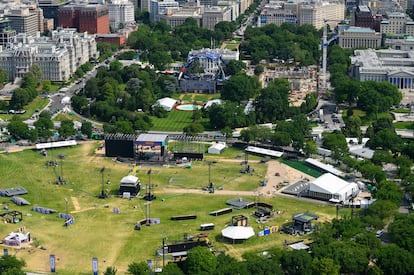
The image is unprecedented even by Washington standards. A massive four-pronged steel structure known as “The Claw” rises above the White House South Lawn as workers put the finishing touches on the venue that will host UFC Freedom 250. The mixed martial arts event, promoted by President Donald Trump and UFC CEO Dana White, is intended to commemorate the 250th anniversary of American independence.
Yet what its organizers describe as an unprecedented patriotic celebration is viewed by critics as an example of the growing overlap between private business interests, political power, and national symbols. Lawsuits, conflict-of-interest allegations, and restrictions on press access have turned the fight into a controversy that extends far beyond sports.
An octagon at the presidential residence
The June 14 card will be the first professional sporting event ever held at the White House. The fights will take place on the South Lawn, the stretch of grass behind the presidential residence that is typically used for official ceremonies, diplomatic receptions, and public events.
The most striking feature of the setup is “The Claw,” a 600-ton, 154-foot-wide structure imported from Europe. Originally designed for music festivals, it was modified to house the UFC Octagon without obstructing views of the White House or the Washington Monument. At 92 feet tall, the structure is even higher than the presidential mansion itself.
Organizers expect approximately 4,300 spectators inside the venue. The UFC also plans to install giant screens nearby, allowing tens of thousands more fans to watch the event.

Trump’s close ties to the UFC
The controversy is not limited to the event itself. It is also fueled by the long-standing relationship between Trump and White, one of the president’s most visible allies in the sports and business worlds.
Trump has publicly promoted the event for months and has closely monitored preparations. The card will also take place on his 80th birthday, a detail that has intensified criticism from those who believe the event carries a personal and political dimension beyond the national commemoration.
Questions intensified this week when the Trump family began promoting commemorative coins tied to the event. The medallions, marketed under a licensing agreement with the Trump Organization, range in price from about $250 to nearly $12,000 for a gold version.
Critics argue that using the White House for a spectacle connected to business ventures benefiting the president’s inner circle raises ethical concerns. The White House has rejected any suggestion of wrongdoing, insisting that Trump acts solely in the public interest.
Lawsuit
Just days before the fight, two Washington-area residents filed a lawsuit seeking to block the event, arguing that federal authorities unlawfully approved the use of public property for a private activity.
The plaintiffs contend that the massive structure erected on White House grounds required congressional approval and that iconic sites such as the South Lawn and the Lincoln Memorial, where the ceremonial weigh-ins will take place, should not be used for commercial purposes.
The Trump administration has responded that the lawsuit was filed too late and that halting the event would disrupt months of planning while affecting thousands of attendees, military personnel, and athletes preparing to compete.
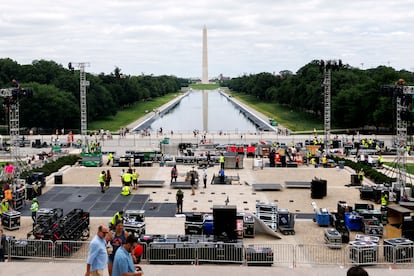
Administration lawyers have also denied any illegality, arguing in court filings that the structures are temporary and that the White House has a history of hosting a variety of public events.
Press access under scrutiny
Another source of controversy involves media access. According to multiple reports, the UFC has taken control of a significant portion of the credentialing process for journalists seeking to cover the event from within the White House complex.
The White House Correspondents’ Association objected to the arrangement, arguing that it is unusual for a private company to oversee media access to an event held at the seat of the executive branch.
According to reports, only the official White House press pool and a limited number of UFC-approved journalists will have full access to the venue. Other news organizations will be unable to use their normal press workspaces during the event.
While major sports leagues routinely manage credentials for their own events, critics argue that the situation is fundamentally different when the event takes place at one of the most symbolic government buildings in the United States.
Sign up for our weekly newsletter to get more English-language news coverage from EL PAÍS USA Edition