Almeria
Balerma ranks as Spain’s most exposed location to tsunami from Averroes fault


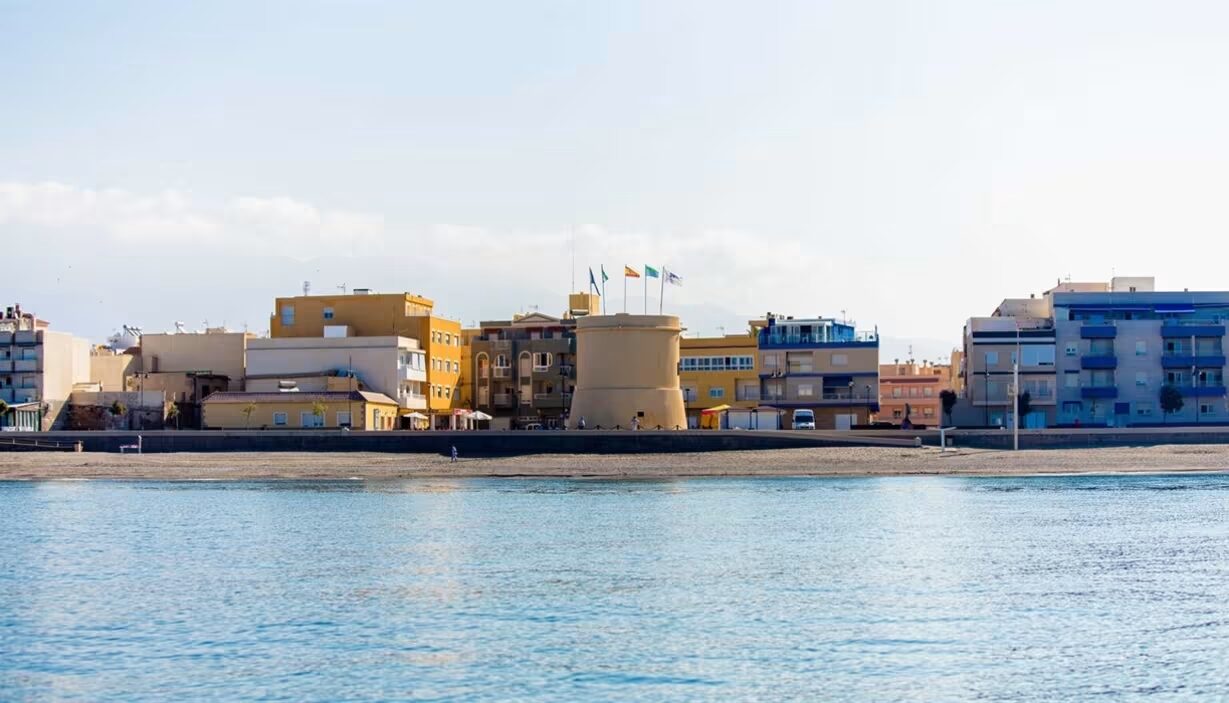
A recent international scientific study has pinpointed Balerma in El Ejido as the Spanish site likely to bear the brunt of tsunami energy from a rupture along the Averroes fault in the Alboran Sea. Researchers simulated a magnitude 7.0 earthquake on the fault capable of displacing the sea floor and generating a regional tsunami, directing the greatest force toward western Almeria.
Averroes’s fault and long-term hazard
The Averroes fault moves northward at around four millimetres per year, pushing the Alboran Sea. Seismologists tracked its activity over 124,000 years and identified it among submarine faults with real potential to produce a large regional tsunami. Authors describe it as seismogenic and tsunamigenic with potential danger. Recurrence for a major event stands at roughly every 31,000 years. Such studies help build coastal defences and raise awareness ahead of rare events.
Balerma exposure in simulations
Tsunami simulations show energy would not affect the Almeria coast equally. Western Almeria would experience the strongest concentration in Spain, with Balerma as the main reference. Scientific models indicate maximum wave heights up to 2.9 metres regionally. This points to possible flooding of initial coastal strips plus damage to seafront promenades, harbours, beaches and hazardous currents in low or open areas.
Earlier models linked Balerma to waves of six metres with only nine minutes of warning, against 21 minutes for Malaga. Such short times drastically limit response options.
Local reactions in Balerma
Residents of Balerma have responded calmly to the study, resigned to the risks. Rosemary Hartnett on Facebook said: “For God’s sake! Don’t worry about things beyond your control.” On Instagram, silvia79gm says, “Oh my. We’re in the middle of that!”
But, In general, sentiment is still measured across the town. Locals suggest authorities review evacuation routes and provide clear information from the findings.
Historical tsunami events
Almeria has already experienced tsunamis in 1522 and 1887. Historical documents recorded both incidents, although limited data restricts precise details on their reach.
Damage potential, reach, sequence and evacuation window
A tsunami from the Averroes fault would bring sudden water inflow to low-lying parts of the Balerma coast. Effects would feature flooding along front line areas and considerable damage to seafront promenades, harbours and beach facilities. Powerful currents would potentially create serious risks for people and property in exposed or lower spots.
Impact would centre on the immediate shoreline and adjacent low ground. Local geography would shape the exact flooding extent.
The sequence starts with an earthquake, then rapid wave arrival, fast water rise and dangerous currents that threaten anyone close to the shore.
How long would it take for the effects of seismic activity in the Averroes fault arrive the shores near…?
According to studies published in Nature:
- Malaga: Up to 35 minutes.
- Motril: Approximately 21 to 30 minutes
- Melilla: 20 to 27 minutes
How would the government alert the public?
In the event of a major incident of this nature, Spanish authorities would activate the National Tsunami Warning System immediately after detecting a major earthquake on the Averroes fault. Experts at the Instituto Geográfico Nacional assess the risk within a few minutes and issue alerts to civil protection teams. Mobile phones in coastal zones receive loud ES-Alert cell broadcast messages instructing people to head inland and uphill. Local sirens, public address systems, television and radio channels then broadcast evacuation guidance. Residents near the shore should move to higher ground on foot straight after feeling strong shaking even before official messages arrive.
Evacuation time could drop to around nine minutes in modelled scenarios for Balerma. This short period goes to show the need for established plans, visible routes and drills so people could reach safety swiftly.
Research like this makes for better protection and informed coastal communities facing rare yet serious natural risks.