
Benidorm
Benidorm has a hidden Roman city nearby and most tourists walk right past it

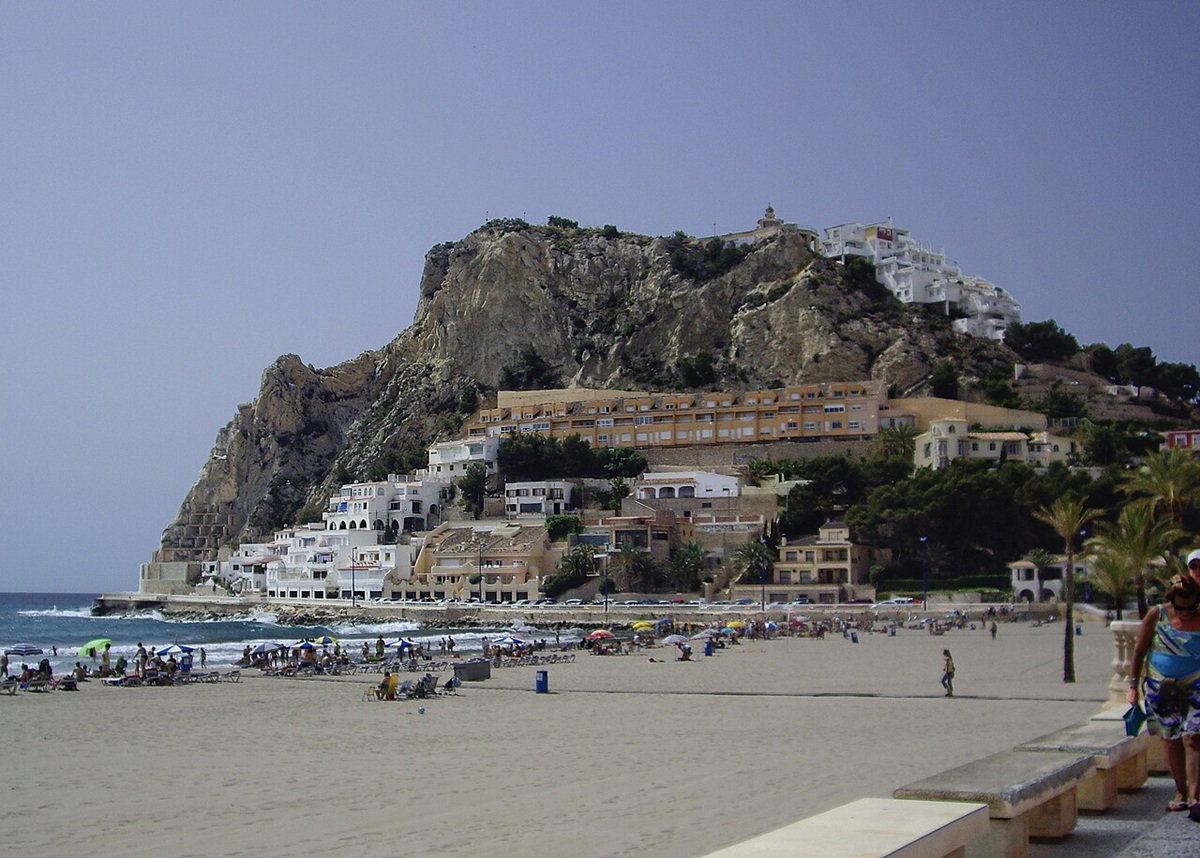
Roman site at Tossal de La Cala sits just minutes from Benidorm beach
Credit : Francisco Nicolás Mercader Román – Wikipedia
Most people come to Benidorm for the same reasons. Sunshine, beaches, cheap drinks and a break that does not cost a fortune. But just minutes away from the busy seafront, there is something very different waiting, and a lot of visitors never realise it is there.
Close to one of Spain’s most famous holiday spots, you can find Roman ruins dating back more than 2,000 years, including an ancient outpost on a hill and a full archaeological city open to the public. It is the kind of place you would not expect to find so close to the strip, which is exactly why it surprises people.
From beach bars to Roman ruins in under ten minutes
If you leave the centre of Benidorm and head slightly away from the crowds, the atmosphere changes quickly. One of the first stops worth making is Tossal de La Cala, a small Roman site sitting above the coastline.
It does not look dramatic at first, but once you are up there, the view explains why it mattered. The Romans used it as a military outpost around 77 BC, watching over the bay and the surrounding routes. Today, it is free to visit, with clear paths and signs that help you understand what you are looking at.
What stands out is how close it is to everything else. You can be in the middle of Benidorm’s busiest areas one moment and standing in a quiet historic spot the next.
For many visitors, that contrast is the biggest surprise.
A full Roman city just a short trip away
If you want to go further, there is more to see than just a hilltop site. Near Alicante, within easy reach of Benidorm, lies Lucentum, an ancient Roman city that has been carefully preserved.
Here, you can walk along old streets, see the remains of houses and baths, and get a real sense of how the city was laid out. It is not a huge site, but it is enough to give you a clear picture of daily life during that time.
Entry costs around €3, which makes it one of the more accessible places to visit if you are interested in history but do not want to spend much.
Along the coast, there are also traces of the Via Augusta, one of the longest Roman roads in Spain. Parts of it can still be seen near Altea and Villajoyosa. It is easy to miss if you are not looking for it, but once you know it is there, it adds another layer to the area.
Cheap drinks and low prices still part of the appeal
Of course, Benidorm has not changed what made it popular in the first place. Prices are still one of the main reasons people keep coming back.
A pint can cost between €2.50 and €3, which is hard to beat compared to many other European destinations. Eating out is also relatively affordable, with meals often coming in noticeably cheaper than in cities like Rome.
Accommodation follows the same pattern. Short stays can work out cheaper than many other holiday spots, especially if you are travelling as a couple or booking outside peak periods.
That mix of low prices and easy access is part of what keeps Benidorm busy year after year.
Two very different sides of the same destination
What is interesting is how these two sides sit next to each other. On one side, you have the familiar image of Benidorm, busy streets, nightlife, packed beaches. On the other, you have quiet viewpoints, historic ruins and places where you can walk without crowds.
You do not have to choose between them. That is what makes it work.
You can spend the morning exploring a Roman site, have lunch in the Old Town, and still be back by the sea in the afternoon. It is all close enough to fit into a short trip.
The Old Town itself is another place where things feel different. Narrow streets, small bars and local restaurants replace the larger, more tourist focused venues. It is where you will find tapas spots and a slower pace, even in peak season.
Why more visitors are starting to notice
For years, Benidorm has had a clear image, and for many people that has not changed. But some travellers are starting to look beyond the obvious and see what else is there.
The fact that you can combine a typical beach holiday with a bit of history without travelling far is part of the appeal. It does not require planning a full day trip or spending a lot of money. It is simply there if you want it.
And that is probably why it has stayed under the radar for so long. Most people are not looking for it.
But for those who are, it offers something unexpected. A reminder that even in one of Spain’s busiest tourist destinations, there are still corners that feel completely different.


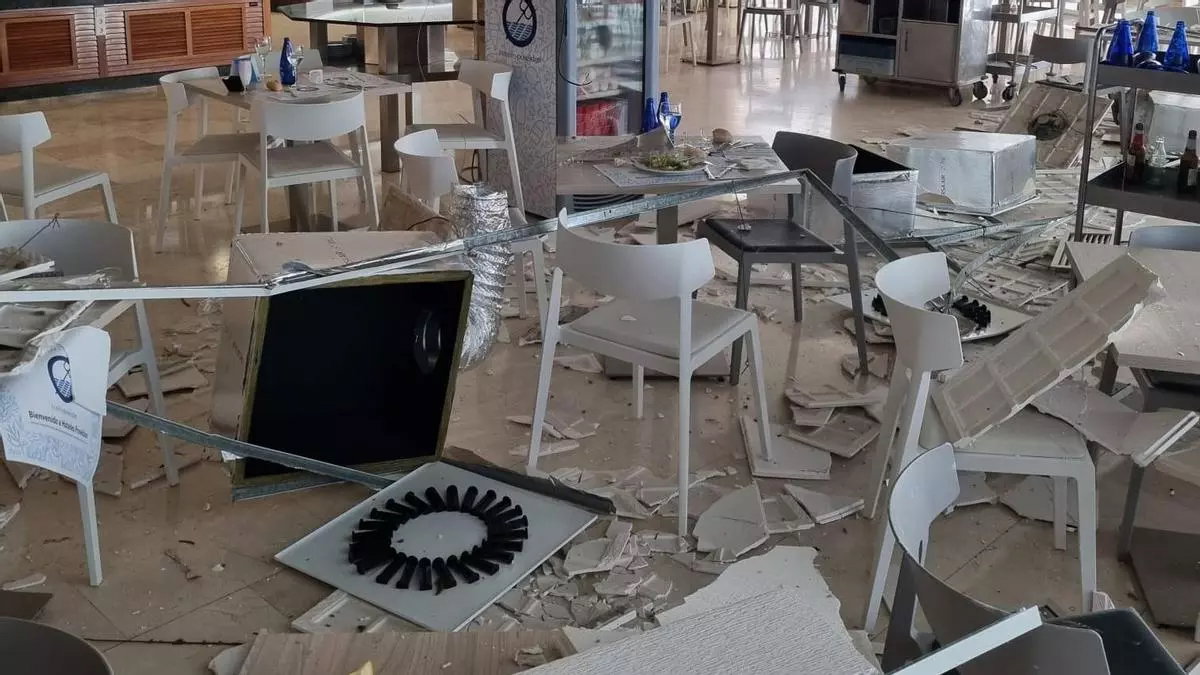
Sudden structural failure struck the dining area of the Poseidón Palace hotel in Benidorm when part of the ceiling gave way during Sunday lunchtime service. Around sixty guests sat enjoying their midday meal as sections of plasterboard and air conditioning ducts crashed onto tables, chairs and the floor below.
Rapid medical teams help treat multiple contusion cases
Emergency responders attended five men and two women for contusions following the Benidorm hotel ceiling collapse. An eight-year-old child and a 78-year-old man gained treatment at the scene before discharge. Five further victims aged between 33 and 80 required hospital transfers, with one now under observation at Hospital de la Marina Baixa.
Coordinated rescue effort deploys full resources
CICU officials activated SAMU medical units together with basic life support and non-assisted transport teams to handle the incident. Red Cross personnel assisted in caring for those affected during the chaotic scenes at the popular Costa Blanca resort.
Exact reasons for the ceiling collapse stay under review while council architects inspect the site and evaluate damage extent. Authorities continue probing maintenance records and potential underlying issues in the hotel’s infrastructure.
Earlier Benidorm incidents highlight ongoing safety questions
Similar structural problems have surfaced before in Benidorm’s busy hotel scene. Last year an entrance roof section at the towering Gran Bali hotel collapsed without causing serious injuries, prompting rapid repairs at the landmark property. In 2023 another hotel in the Rincon de Loix area suffered partial collapse during construction works, delaying its reopening and raising fresh concerns about building standards in the resort.
These events reveal difficulties facing older establishments in times of heavy tourist footfall along the Spanish coastline. Benidorm welcomes millions of visitors annually for its beaches and lively atmosphere, yet repeated incidents call for stricter inspections across the hospitality sector.
Local officials stress commitment to public safety while investigations proceed. Prompt action by emergency crews in Sunday’s event helped prevent worse outcomes despite the sudden disruption. Holidaymakers in the area receive advice to check hotel safety updates before booking stays in this high-demand destination.


Costa Del Sol Schoolboy Wows Britain’s Got Talent Judges

British Woman Stranded In Spain After Dual Passport Rule Shock

Here’s What Will Actually Happen To Your Kindle On May 20


-

 New Developments2 weeks ago
Luxury Villas For Sale, Estepona – ProjectL1
-

 New Developments4 weeks ago
How To Get A Tourist Rental Licence In Andalusia (Spain) – Step-By-Step Guide 2025
-

 New Developments2 weeks ago
Stylish 3-Bedroom Apartment With Panoramic Sea Views – Benalmádena
-

 Uncategorized4 weeks ago
Max Verstappen left laughing after Nurburgring triumph
-

 %2 weeks ago
Poland Disconnects Utilities At Russian Consulate That Moscow Refuses To Hand Over
-

 Uncategorized4 weeks ago
Max Verstappen team-mate sheds light on Nurburgring mistake
-

 Uncategorized3 weeks ago
Lewis Hamilton goes from Karate Kid to Samurai Warrior with Kill Bill guru
-

 Foreign demand4 weeks ago
Non-Resident Foreign Buyers Retreat Sharply In 2025