Connect with us

%

Brits Reveal What’s Strange Visiting The UK

Published

on

brits-reveal-what’s-strange-visiting-the-uk

You’ve made the move to live in Spain. You are now in the groove of how life works. You know where to go, what to do, and how to get things done. Whether you’ve been away for a short time or the majority of your life, returning to the UK can bring some surprising feelings.

So, what do British residents across Spain find most alien when they visit their home country?  Leaving aside the usual answers like “the weather” or “the cost of living,” a few specific themes came up repeatedly, some good, some bad, and some things that were originally taken for granted.

Desperately early dining times

One of the most common readjustments is the eating schedule. After adapting to Spain’s famously late calendar, many find themselves completely out of sync with the British timetable when meeting friends and family back home for a meal.

“What I find strange about visiting the UK now is the eating hours. I could never eat dinner at seven in the evening,” says Molly, who moved to Seville. “Also, not getting tapas with my beer. I always end up peckish and having to look for food elsewhere, especially as many pubs stop serving food after a certain time.”

In Spain, where dinner is often enjoyed between 9pm and 11pm (especially during the hot summer months), eating at 6pm or 7pm can feel surprisingly rushed.

Carpeted floors and bathroom habits

Sometimes the smallest household details cause the biggest reverse culture shock. For one, British homes suddenly seem surprisingly carpet-heavy. After years of living with ceramic or tiled flooring, common in Spain to keep homes cool, stepping back onto wall-to-wall carpet can feel oddly unfamiliar.

Then there is the bathroom. For those who have fully embraced the Spanish bidet, returning to a purely toilet-paper-based routine feels like a step backward. While not every modern Spanish home has one, bidets remain far more common in Spain than in the UK for reasons of hygiene and comfort.

A rushed lifestyle and social stress

Many returning Brits are struck by a shift in atmosphere rather than physical objects. Britain is often described as strangely pressured, anxious, and hurried, with people burdened by the rising cost of living.

“Everything in the UK seems more aggressive these days. Even the supermarket pricing!” says Ruth from Nerja.

Some find the increase in visible homelessness and social stress in the UK particularly apparent. After becoming accustomed to the relaxed, outdoor lifestyle of Spanish towns, many report being struck by the number of rough sleepers and the sense that certain high streets appear more run-down than they remember.

Navigating British roads

Driving on the left again requires a brief mental reset. “It feels strange being on the opposite side of the road now, even though I’ve driven in the UK for longer,” says Rachel, Granada.

Heavier traffic, busier roads, and navigating complex British roundabouts earned specific mentions, making driving in Britain feel far more hectic than expats remember it.

The winter darkness

“How early it gets dark, and the sky just feels lower.”

The UK’s northern latitude means winter daylight hours shrink far more dramatically than they do in southern Spain. While Andalucía enjoys substantial sunshine and clear skies throughout the winter, the UK gloom can be tough to handle. Hand-in-hand with the darkness comes the physical weight of returning home, expats noted how odd it felt to suddenly need heavy coats, gloves, and scarves just to go outside.

Food culture

Food comes up over and over again, but not just because of the schedule. One respondent noted that what stood out most was “the sheer volume of junk food and processed snacks wherever you go.”

Research supports this observation. Studies consistently show the UK has one of the highest levels of ultra-processed food consumption in Europe. Others felt that people generally appeared less healthy than they remembered, though they acknowledged these perceptions are subjective and heavily influenced by the Mediterranean lifestyle shift.

The Best of British

There is still so much genuinely appreciated about returning to the UK.

“You can get everything you need in one supermarket,” says Rachel, who also praised Britain’s urban development, vibrant street cafes, and international influences. For another respondent, one specific British institution stood above all others, “Marks & Spencer Foodhall. I could spend hours there.”

Public transport availability was another frequently mentioned positive, alongside the sheer scale of cultural opportunities. “I want to go back there to study. There’s so much more happening in London,” says Sophie from Madrid.

A shift in time

Perhaps the most thought-provoking observation came from Adam in Malaga, who perfectly summarized how a country can change while you are away.

“I came to Spain 27 years ago and commented to a friend that everything felt 20 years behind the UK. Now I return to London and it’s the other way around. It makes me feel sad.”

What do you think?

Does having to drink a full pint feel strange to you now rather than just having a small caña? Do you find it weird that you can’t just tear a single can out of a six-pack at the supermarket like you can in Spain? Alien that you can just leave your rubbish directly out the front of your house? The list goes on.

%

12 Drunk Yobs Turn Gatwick To Tenerife EasyJet Flight Into Four And A Half Hour Nightmare

Published

on

12-drunk-yobs-turn-gatwick-to-tenerife-easyjet-flight-into-four-and-a-half-hour-nightmare

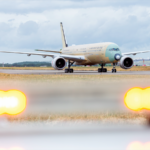
Gatwick to Tenerife Sur flight arrives. Credit: Lapa Smile – Shutterstock

Holidaymakers flew terrified for four and a half hours as the crew battled chaos at 30,000 ft before a priority touchdown at Tenerife South was granted.

Frightened passengers went through a terrifying ordeal on an easyJet flight from London Gatwick to Tenerife South when 12 disruptive men turned the journey into a scene of airborne mayhem on June 11. The cabin crew raised the alarm mid-flight, leading to Spanish air traffic controllers granting urgent priority landing clearance to get the Airbus A321 safely on the ground as fast as possible. Police teams raced to meet the aircraft at Tenerife South Airport and one by one removed the troublemakers.

Por docenas! 🤬
La tripulación del vuelo procedente de Gatwick llegando a #Tenerife Sur nos comunica que llevan 12 pasajeros conflictivos a bordo.
Solicitan presencia policial a su llegada. Les recortamos la maniobra en lo posible. Aterrizan sin incidencias.
Todo nuestro apoyo… pic.twitter.com/wkpBT2WPL0

— 😉Controladores Aéreos 🇪🇸 (@controladores) June 11, 2026

The crew contacted control towers directly after the group caused serious disturbance onboard. Controllers shortened the approach dramatically to minimise risks to everyone else on board. The plane touched down without further incident, but the episode has left travellers demanding stronger action against repeat offenders who ruin holidays for families and couples.

Crew act fast as tensions boil over

EasyJet later confirmed that officers met flight EZY8035 on arrival because of the group’s behaviour. A spokesperson stressed that cabin crew are trained to handle these situations quickly and that safety remains the top priority. No arrests were confirmed in initial reports, but passengers described the atmosphere as deeply unsettling.

This latest case adds to a growing pattern of alcohol-fuelled disruption on UK flights heading to the Canary Islands. Many incidents link directly to excessive drinking before or during flights, leaving crews and fellow passengers to deal with aggressive or unruly behaviour.

Passengers and experts demand tougher crackdowns

Social media has erupted with calls for immediate and lasting punishment. One X user wrote, “Just kick all of them off the plane and put them on the no-fly list. It’s the only way to stop this behaviour because it’s disrupting and tiring for everybody else.”

Another posted: “The only way to address these people is for ALL airlines to ban them from flying on any flight for a year. This goes for those that get drunk or abusive to airline staff.”

Airlines, including easyJet and Jet2, have already lobbied the UK Civil Aviation Authority for a centralised database that would blacklist disruptive passengers across all carriers. Supporters argue this would prevent offenders simply switching airlines after being banned by one company.

Tenerife tourism at risk from repeat offenders

Local tourism leaders in Tenerife fear these repeated incidents damage the island’s reputation as a safe family destination. Police presence at the gate sends a strong message, yet many holidaymakers want offenders to face instant fines, immediate deportation, or permanent travel bans. Experts warn that without harsher deterrents, the problem will continue to escalate during peak summer months.

EasyJet and other carriers continue to train staff and work with authorities, but passengers say more must be done at check-in and before boarding to stop drunk passengers from ever reaching the gate. One thing is clear after this latest Tenerife scare: the days of turning a blind eye to drunken yobs in the skies may finally be coming to an end.

Continue Reading

%

Robotaxis In Spain, Who Pays The Price?

Published

on

robotaxis-in-spain,-who-pays-the-price?

Robotaxis could soon be driving on Spanish roads Credit: Shutterstock, The Global Guy

As if driving in Spain wasn’t chaotic enough, self-driving robotaxis could soon be hitting the streets. robotaxis are expected to begin operating across the country by the end of 2026 as Uber, which will invest an additional €430 million in the self-driving service, recently approved its first robotaxis in the Community of Madrid.

The arrival of autonomous vehicles is being promoted as a step towards a more efficient, technology-driven transport system. Companies involved in the sector argue that robotaxis could reduce operating costs, improve vehicle utilisation, and offer passengers lower fares. However, the financial impact of replacing human drivers with automated systems could be significant, particularly in a country where taxi and private hire services provide income for tens of thousands of workers.

The problem with robotaxis

In the United States, autonomous vehicles are already up and running. Alphabet-owned Waymo has quickly become the leading robotaxi company in the US, but its rollout has not been without issues.

Passengers have shared accounts of taxis driving erratically, running red lights, and stopping on train tracks and in the middle of busy intersections. In one incident, a robotaxi responded to police sirens by speeding off, leaving passengers bewildered in the backseat. As a result, thousands of vehicles have been recalled, and several lawsuits are pending.

One seemingly overlooked flaw is that robotaxis can’t close their own door. To fix this inconvenience, companies are paying food delivery drivers to close the doors for them. One driver was reportedly paid €9.74, while another was offered up to €20 to do so.

How robotaxis could affect Spain’s economy

But while delivery drivers are getting paid to close doors, what about taxi drivers? Driving is one of the largest employment categories in many counties, with a relatively low barrier of entry. As of March 2026, 62,406 taxi licences and 24,764 VTC licenses were registered in Spain.

Many taxi operators are small business owners who spend their earnings within their communities, from vehicle maintenance and insurance to restaurants, housing, and local services. A shift towards large technology companies controlling transport fleets could redirect a significant share of that money away from local economies.

At the same time, robotaxis may create new opportunities in areas such as fleet management, software development, vehicle maintenance, and autonomous technology services. The challenge for Spain will be ensuring that the benefits of automation are distributed while limiting disruption for workers whose livelihoods depend on driving.

Madrid’s autonomous taxi future and the cost of innovation

European regulators are increasingly looking at ways to support autonomous vehicle development while maintaining safety standards. Companies such as Uber and its autonomous partners are preparing launches in Madrid, following trials and regulatory progress across Europe.

For passengers, robotaxis could eventually mean cheaper journeys and greater availability, especially during busy periods when traditional taxis are in high demand. However, lower prices may come at the cost of reducing one of the most accessible employment routes in the transport sector.

The question facing Spain is not simply whether robotaxis can drive safely, but whether the economic model behind them can work for everyone. As autonomous vehicles move closer to becoming part of everyday life, policymakers will need to consider how innovation, employment, and local economies can coexist.

Continue Reading

%

22-Hour Flights Are Coming In 2027 As Airbus Begins Testing Ultra-Long-Range Jet

Published

on

22-hour-flights-are-coming-in-2027-as-airbus-begins-testing-ultra-long-range-jet

the A350-1000ULR is expected to change long-haul travel patterns. Photo credit: Airbus SAS 2026

Airbus has begun flight testing of its A350-1000ULR, a new ultra-long-range variant developed for Qantas’ Project Sunrise programme, marking a key step towards the introduction of what is expected to become the longest-range commercial passenger aircraft in service.

The aircraft completed its maiden test flight in Toulouse, France, on June 2, where it remained airborne for just under four hours while testing core systems and performance parameters. According to Airbus, the flight forms part of a wider certification campaign that will run for several months before the aircraft is cleared for commercial use. The programme is focused on validating modifications designed to significantly extend range compared with the standard A350-1000.

Designed for ultra-long-haul operations up to 22 hours

The A350-1000ULR is being developed to operate flights of up to around 22 hours, with a range of approximately 10,000 nautical miles. This is made possible through structural and fuel system modifications, including an additional rear centre fuel tank that increases fuel capacity and extends endurance by around 1,000 nautical miles compared with the baseline model.

Airbus states the aircraft is intended for non-stop services between Australia’s east coast and major global hubs such as London and New York. These routes fall within the Project Sunrise concept, which aims to remove stopovers on some of the world’s longest commercial journeys.

What the aircraft is, and is not

Despite some claims circulating in media headlines, the A350-1000ULR is not capable of flying around the world without refuelling. Its maximum range remains well below the roughly 40,000-kilometre circumference of the Earth.

Instead, its design focus is on ultra-long intercontinental sectors rather than global circumnavigation. Airbus has emphasised endurance, fuel efficiency and operational reliability over record-setting continuous global distance.

The aircraft remains in the testing and certification phase, and commercial service is expected only after completion of flight trials and regulatory approval. Current industry expectations place initial deliveries for Project Sunrise aircraft in 2027. The aircraft is expected to become operational for passengers in 2027, with first deliveries likely around April 2027 and entry into commercial service expected from mid to late 2027, depending on certification and airline readiness.

Development linked to Qantas Project Sunrise

The aircraft is being developed specifically for Qantas, which has ordered a fleet of A350-1000ULRs for its Project Sunrise operations. The airline plans to use the aircraft on direct services between Australia and Europe or North America once certification is complete.

The test aircraft is the first of a series expected to undergo extensive evaluation, including systems testing, fuel management validation, and long-duration flight simulations. Airbus engineers are also assessing cabin systems designed for extended flight times, including environmental controls and passenger comfort features.

Impact on passengers and tourists

For travellers, the introduction of the A350-1000ULR is expected to change long-haul travel patterns rather than increase overall capacity. The most immediate impact will be on passengers travelling between Australia and Europe or the United States, who may eventually be able to fly directly without stopovers.

This could reduce total journey times by several hours compared with current one-stop routes through the Middle East or Asia. However, the flights will also require careful scheduling due to their length, which is close to a full day in the air.

Tourists are unlikely to see immediate changes, as the aircraft is still undergoing testing and will not enter service until certification is complete and airline schedules are confirmed. When operational, fares are expected to reflect the premium nature of ultra-long-haul operations, particularly in the early phase of deployment.

Comfort and operational considerations

Aircraft designed for flights of this duration place additional emphasis on cabin environment and passenger wellbeing. Airbus and Qantas have indicated that the aircraft will include design adjustments intended to support comfort during extended time in the air, including seating configurations and environmental systems tailored for long-duration travel.

From an operational perspective, airlines will also need to manage crew rotation, fuel efficiency, and route planning in ways that differ from conventional long-haul services. These factors may influence ticket pricing, availability, and frequency of flights in the early years of operation.

Outlook for commercial introduction

The A350-1000ULR remains in the certification phase, with flight testing continuing through 2026. Entry into service is expected in 2027, although timelines may be subject to regulatory approval and final delivery schedules.

Once operational, the aircraft is expected to enable a small number of ultra-long-haul routes that remove stopovers entirely, reshaping travel options for passengers on specific intercontinental journeys. However, industry sources indicate that these services will initially be limited, as airlines evaluate demand and operational performance.

For tourists, the key change will be convenience on select long-distance routes rather than a broad shift in global air travel. The aircraft’s introduction represents a targeted development in aviation capability rather than a wholesale transformation of short- or medium-haul travel markets.

Continue Reading

Trending

Copyright © 2017 Spanish Property & News