
Motoring
Drivers are being warned about a simple car park trick that starts with a piece of paper

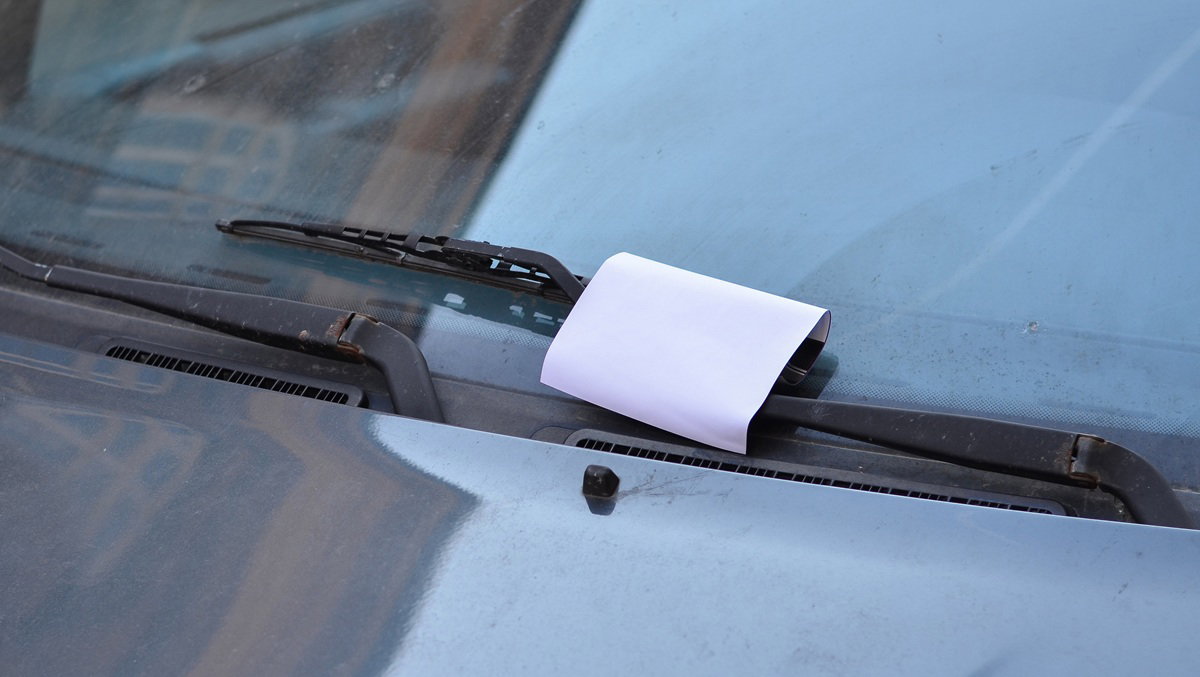
Security experts warn drivers not to react automatically to unexpected notes or leaflets left on their windscreens.
Credit : AdamBoor, Shutterstock
You finish your shopping, load the bags into the car and head off and a few seconds later, you notice something tucked under the windscreen wiper.
Maybe it is a leaflet, maybe it is a flyer or it is just a random piece of paper. Most people would probably do exactly the same thing. Pull over and remove it.
According to security warnings that continue to circulate across Europe, that perfectly normal reaction is what some thieves may be hoping for.
The technique is often referred to as the ‘map method’. It does not involve sophisticated technology, broken windows or complicated scams. Instead, it relies on something much simpler: catching a driver at the exact moment they are distracted.
That is why security experts continue to advise motorists not to react automatically if they spot an unexpected note, leaflet or piece of paper on their windscreen after returning to their vehicle.
Why a piece of paper can create an opportunity for theft
At first glance, the trick sounds surprisingly basic.Someone places a piece of paper on a parked car, usually beneath a windscreen wiper where it is likely to be noticed once the driver starts moving.
The paper itself is not important. What matters is the reaction.
Many drivers see it and immediately want to remove it. It blocks part of the view, looks untidy or simply becomes an irritation that they want to deal with straight away.
That instinctive response can create a brief moment of vulnerability.
A driver may step out of the vehicle without properly locking it. Some leave personal belongings inside while they deal with the distraction. Others focus entirely on removing the paper and pay less attention to what is happening around them.
According to security warnings associated with this method, those few seconds are exactly what criminals are looking for.
The goal is not to trick someone into handing over money.The objective is to create a distraction that makes an opportunistic theft easier.
Why busy car parks are often mentioned in these warnings
The warnings are most commonly associated with places where people are rushing.
- Supermarkets.
- Shopping centres.
- Sports facilities.
- Large public car parks.
In these environments, drivers are often thinking about the next thing on their to do list rather than potential security risks.
Someone walking between parked cars does not necessarily attract attention. A person standing nearby may appear to be another shopper returning to their vehicle.
That is one reason security experts often remind motorists to stay aware of their surroundings when entering or leaving a car in crowded locations.
The distraction itself may seem insignificant. The issue is what can happen while attention is focused elsewhere.
Personal belongings left on seats, handbags, mobile phones or wallets can become easy targets if a vehicle is left unsecured even briefly.
In some situations, thieves may simply be looking for an opportunity to grab valuables before disappearing into a busy crowd.
What drivers should do if they spot something on the windscreen
The advice from security experts is straightforward. If you notice a leaflet, note or any other unexpected object attached to your vehicle, avoid reacting impulsively.
Instead of stopping immediately in the same spot, it may be safer to continue driving to a well lit area or somewhere with more people around before getting out of the vehicle.
If you decide to leave the car, take the keys with you, switch off the engine and make sure the vehicle is properly secured. These are simple precautions, but they remove the opportunity that the distraction is designed to create.
Another point that is sometimes overlooked involves insurance.
Depending on the circumstances and the terms of a policy, leaving a vehicle running, unlocked or unsecured during a theft could potentially complicate a future claim.
For that reason alone, security specialists say it is worth taking a few extra seconds before stepping away from the car.
In most cases, there is nothing suspicious about finding a piece of paper on your windscreen. It may simply be a leaflet, a promotional flyer or an advertisement left behind by a local business. But security experts say the important thing is not the paper itself.
It is remembering that thieves often look for moments when people stop paying attention. And sometimes, all it takes is a small distraction to create that opportunity.







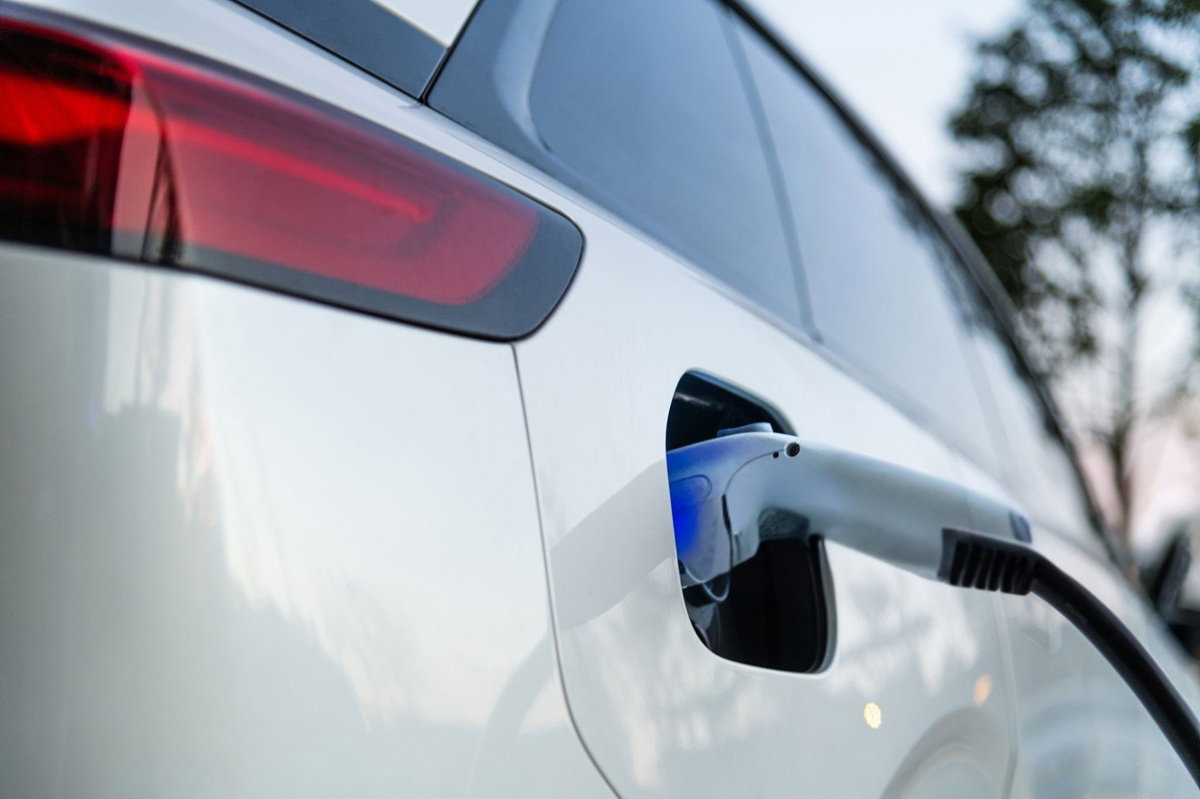
New EU battery passport rules aim to give EV owners clearer information about battery health and performance.
Credit : baona jnr, Shutterstock
Anyone who has ever looked at a used electric car has probably wondered the same thing : What condition is the battery really in?
Mileage is easy to check and service history can usually be verified. The battery, however, is a different story.
It is often the most expensive part of the vehicle, yet for many buyers it remains something of a mystery.
Sellers can provide information. Manufacturers publish official figures. There are battery health reports and specialist inspections available.
Even so, many drivers still feel they are making an educated guess when it comes to understanding the true condition of an electric vehicle’s battery.
That uncertainty is exactly what the European Union hopes to reduce with a major change arriving in 2027.
From 18 February 2027, electric vehicles sold in Europe will be required to carry a digital battery passport, known as the Battery Pass. Accessible through a QR code attached to the vehicle, it will allow drivers, buyers and repair professionals to access detailed information about the battery with a simple scan.
For anyone thinking about buying an electric vehicle in the future, it could make one of the most important parts of the car far easier to understand.
Why battery information has become such a big issue for drivers
The battery sits at the centre of almost every conversation about electric vehicles.
How long will it last?How much range has it lost?Will it still perform properly in five years?How expensive would it be to replace?
These questions matter because the battery influences everything from daily driving range to the resale value of the vehicle.
The challenge is that finding reliable information is not always straightforward.
Two electric cars may look identical from the outside and have similar mileage, yet their batteries may have experienced very different levels of wear.
One might have spent years fast charging several times a week.Another may have been driven gently and charged more slowly.
Until now, much of that information has remained difficult for ordinary buyers to access.
That has helped create uncertainty in the used EV market, particularly among people considering their first electric vehicle.
The new Battery Pass is designed to make some of those unknowns easier to understand.
What drivers will actually be able to see
The QR code will act as a digital record linked directly to the battery.Once scanned, it will provide information including the battery manufacturer, production date, place of manufacture, serial number and technical specifications.
Drivers will also be able to see details about the materials used in the battery, including recycled content and certain environmental information.
For many consumers, however, the most interesting part will be the information relating to performance and durability.
The aim is to provide greater visibility into how the battery has been designed and how it is expected to perform throughout its life.
The system will not apply only to electric cars.It will also cover plug in hybrids and other battery powered vehicles equipped with batteries of 2 kWh or more.
That includes certain vans, motorcycles, scooters and electric bikes.
The measure forms part of the EU Battery Regulation approved in 2023, which seeks to improve transparency, sustainability and traceability throughout the battery industry.
Why the used EV market could benefit the most
Many industry observers believe the biggest impact may be felt in the second hand market. Buying a used petrol car has become relatively familiar territory for most drivers.
People know what to look for. Electric vehicles are still newer territory.
For many potential buyers, battery health remains the biggest unknown.
A standardised system providing official battery information could help build confidence and make comparisons easier between different vehicles.
That does not mean every concern about battery ageing will suddenly disappear.
Drivers will still have questions, battery technology will continue evolving and different manufacturers will continue using different systems.
What may change is the level of transparency available to consumers.
The information that many buyers currently struggle to find could soon be available with a simple scan.
As electric vehicles become a bigger part of everyday life across Europe, that extra visibility may prove valuable not only for buyers, but also for sellers, dealers and repair specialists.
For years, battery health has been one of the hardest parts of EV ownership to understand.In less than two years, it could become one of the easiest.
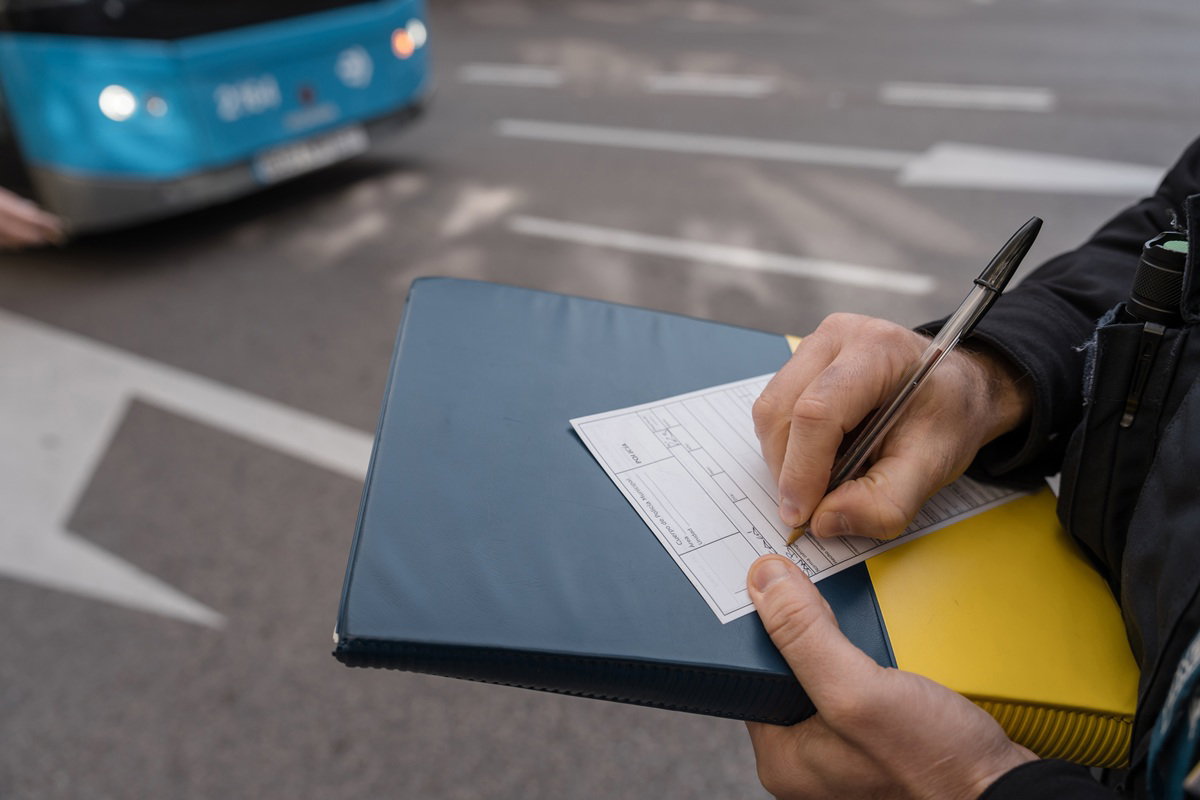
Roadside fuel inspections are being introduced as authorities step up checks on illegal diesel use.
Credit : Jota Buyinch Photo, Shutterstock
Most drivers expect a roadside stop to be about speeding, paperwork or perhaps a breathalyser test. Very few expect an officer to take an interest in what is sitting inside their fuel tank.
Yet that is exactly what some motorists are now encountering in Spain.
The Guardia Civil has begun carrying out roadside fuel inspections aimed at identifying vehicles using subsidised diesel without authorisation. The checks have already been reported in Guadalajara, where officers have stopped vehicles and taken fuel samples as part of an operation targeting the misuse of discounted fuel intended for specific professional sectors.
For the vast majority of drivers, the inspections are unlikely to cause any problems.
But for those using fuel they should not have access to, the consequences can be expensive, with fines ranging from hundreds to thousands of euros.
The initiative comes as authorities increase efforts to tackle fuel related tax fraud, particularly following reports that some service stations were illegally supplying subsidised diesel to customers who did not qualify for it.
Why officers are suddenly interested in what is inside your fuel tank
The fuel at the centre of these inspections is known in Spain as Gasóleo B.
Many people have heard the term without really knowing what it means.
Despite the different name, it is not a special fuel designed for different engines. In practical terms, a vehicle runs perfectly normally on it.
The difference is financial. Gasóleo B benefits from a more favourable tax treatment than ordinary diesel. Because of that tax advantage, its use is restricted to specific categories established by Spanish law.
Authorities say some drivers have been tempted to take advantage of the lower price, especially during periods when fuel costs have risen sharply.
The problem, from the government’s perspective, is that the system was never intended to provide cheaper fuel for private motorists.
It was created to support specific sectors, particularly professional transport and agriculture.
As a result, using it without authorisation is treated as a form of tax fraud rather than a simple fuel violation.
That is why the Guardia Civil is now paying closer attention.
How the roadside inspections actually work
The checks are not carried out on every vehicle. Officers position themselves at selected locations and stop motorists as part of targeted operations.
A routine inspection can quickly become more detailed if something attracts attention.
According to reports from the inspections already carried out, officers may examine the fuel filler area and look for indications suggesting the vehicle could be using subsidised diesel.
If they believe further verification is necessary, they can legally collect a fuel sample from the tank.
That may sound surprising to many drivers, but the procedure is authorised under Spanish regulations.
The reason it works is relatively simple.Gasóleo B contains a coloured identifying marker that allows authorities to distinguish it from standard diesel during analysis.
To the average driver, the fuel may appear ordinary.To inspectors, however, the marker makes identification possible.
If testing confirms the presence of subsidised diesel in a vehicle not authorised to use it, authorities can begin sanction procedures.
The penalties are significant.Fines can range from €600 to €6,000 depending on the circumstances and severity of the offence.
Although no licence points are lost, the financial impact can be considerable.
The service stations involved may face even more serious consequences, including substantial economic sanctions and possible closure if illegal sales are proven.
Who is actually allowed to use subsidised diesel in Spain?
One reason these inspections attract attention is that many drivers remain uncertain about who can legally use Gasóleo B.
The answer is more limited than many people realise.Spanish regulations reserve the fuel for specific professional activities.
Eligible users include certain heavy goods vehicles involved in road freight transport, authorised passenger transport services and licensed taxis that meet the relevant conditions.
Agricultural machinery also benefits from a separate subsidised fuel system designed for the farming sector.
To access these schemes legally, users must comply with administrative requirements and operate through systems that allow the Tax Agency to monitor fuel consumption and apply the appropriate tax benefits.
Private motorists do not fall within those categories.That is why authorities consider the misuse of subsidised diesel a serious issue.
As fuel prices continue to affect households and businesses alike, the temptation to look for cheaper alternatives remains.
The Guardia Civil’s latest inspections suggest authorities are determined to ensure that discounted fuel reaches only the sectors it was intended to support.
For most drivers, the new checks may never become more than a passing headline.
But they do mean that a routine roadside stop in Spain could now involve a question many motorists never expected to hear.
What’s in your fuel tank?


E
Drivers are being warned about a simple car park trick that starts with a piece of paper
Pirate-themed Chiringuito Royal Beach Pirata serves beachfront treasures

Mexico’s Most Controversial Politician, Rubén Rocha, Goes To Ground As Cartel Questions Intensify
Insurance company Mapfre decides to pay out €14 million compensation for 2025 blackout

Who Bought Where In The Second Half Of 2025?


-
 ElPais1 week ago
Mexico’s Most Controversial Politician, Rubén Rocha, Goes To Ground As Cartel Questions Intensify
-
blackout April 20253 weeks ago
Insurance company Mapfre decides to pay out €14 million compensation for 2025 blackout
-
 Foreign demand3 weeks ago
Who Bought Where In The Second Half Of 2025?
-

 New Developments3 weeks ago
Inside The Most LUXURIOUS Apartment Building In Spain!
-
Costa Blanca South3 weeks ago
Alicante police chief to retire after 17 years of service
-

 New Developments3 weeks ago
🌅 Stunning Penthouse With Panoramic Sea & Mountain Views Benalmádena
-
biggest ever cocaine bust4 weeks ago
Spain’s biggest-ever cocaine bust – massive Atlantic seizure stuns authorities
-
Costa del Sol3 weeks ago
Starlite Marbella 2026 offers over 1,000 summer jobs: Apply before positions fill fast