Alcohol limits Spain
Drivers in Spain warned: This mistake could cost you €1,000 and six licence points this summer


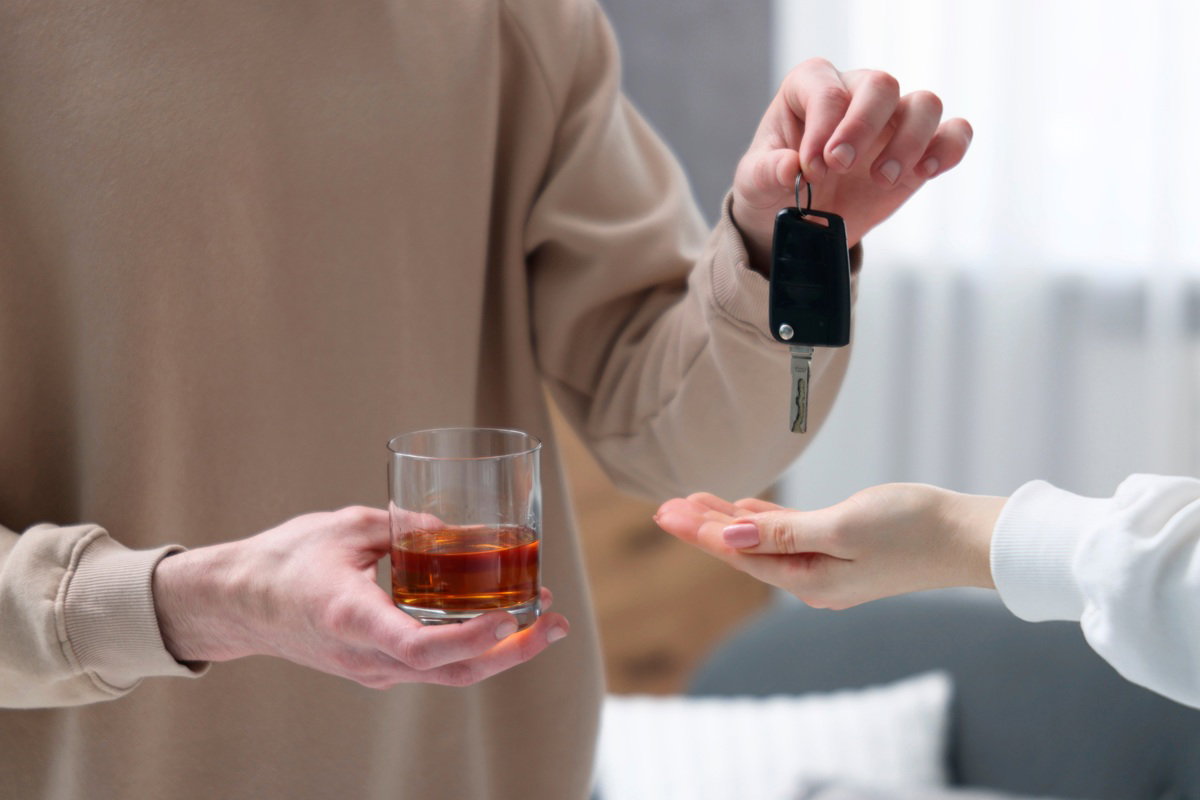
Drink driving in Spain can result in fines of up to €1,000 and the loss of six licence points.
Credit : New Africa, Shutterstock
More than 3,800 drivers tested positive for alcohol or drugs during a nationwide DGT enforcement campaign, with traffic authorities detecting an average of more than 500 offenders every day, and with San Juan celebrations and summer getaways bringing millions of extra journeys onto Spain’s roads, traffic authorities are reminding motorists that getting behind the wheel after drinking could cost them up to €1,000 and six licence points.
The warning comes at a time when roads across Spain are preparing for one of their busiest periods of the year.
Summer festivals, long weekends, family visits and beach breaks all mean the same thing for traffic authorities: more cars, more journeys and, unfortunately, a greater risk of serious accidents.
That is why the Guardia Civil and Spain’s Directorate General of Traffic, better known as the DGT, are stepping up checks as the holiday season gets underway. While speeding often grabs the headlines, officials say one of the biggest dangers remains exactly the same year after year: drivers who decide to take the wheel after consuming alcohol or drugs.
It is a message that has been repeated countless times, yet the latest figures show the problem has not disappeared.
Traffic offences remain a major concern across Spain. According to DGT data, more than 6.1 million road fines were issued nationwide in 2025, a record high for the traffic authority.
Alcohol still plays a major role in fatal crashes
Behind the statistics is a reality that road safety officials are keen to highlight.
According to the latest data, alcohol was present in 12 per cent of traffic accidents recorded in 2024. More strikingly, it was identified as a contributing factor in 28 per cent of fatal crashes, accounting for 273 cases.
For traffic officers, these figures explain why alcohol controls remain such a priority during busy travel periods.
Many drivers still believe they are capable of driving after a drink or two, particularly when they feel fine. Experts have long warned that the effects of alcohol begin well before a person feels intoxicated.
Reaction times slow down. Judgement becomes less reliable. Distances are harder to assess. A split second decision that might normally prevent a collision can suddenly come too late.
That is why road safety campaigns continue to focus on prevention rather than punishment.
How much alcohol is actually allowed in Spain?
One of the most common misunderstandings among drivers is how little alcohol is needed to reach the legal limit.
For novice and professional drivers, the maximum permitted level is 0.15 milligrams per litre of exhaled air.
For everyone else, the limit is 0.25 mg/l.
However, the DGT regularly points out that legal does not necessarily mean safe.
In fact, traffic authorities continue to repeat the same advice whenever major holidays approach: the safest amount of alcohol before driving is none at all.
The situation becomes even more serious when alcohol levels exceed 0.60 mg/l. At that point, the offence is no longer treated as a simple traffic infringement and can become a criminal matter.
Drug use is subject to even stricter rules. Under Spanish regulations, drivers can be sanctioned for the presence of drugs in their system regardless of whether they believe their driving has been affected.
The penalties that could turn a summer celebration into an expensive mistake
For drivers caught breaking the rules, the consequences can be significant. Driving under the influence of alcohol or drugs is classified as a very serious offence in Spain.
Depending on the circumstances, motorists face fines ranging from €500 to €1,000. They can also lose between four and six points from their driving licence.
For many drivers, particularly those who rely on their car for work, losing points can create problems that last far longer than the holiday period itself.
Traffic officers are therefore urging people to plan ahead before heading out to celebrations.
Whether it means choosing a designated driver, booking a taxi, using public transport or simply staying overnight, authorities insist there are always safer alternatives than taking a chance behind the wheel.
The message is especially relevant as Spain enters a period when millions of long distance journeys are expected on roads across the country.
For the Guardia Civil, the goal is not to catch as many drivers as possible. It is to prevent what should be a weekend of celebrations from ending in tragedy.
And with alcohol linked to more than a quarter of fatal crashes, officials say the advice remains as straightforward as ever: if you are drinking, leave the car keys where they are.