Connect with us

Latest

EES: 7,000 Overstayers Snared Since Launch Of EU’s New Schengen Border Checks

Published

on

In the first six months of operation of the new EU digital border system, the Entry-Exit System (EES), almost 7,000 travellers were denied entry into Europe’s border-free Schengen area because they stayed beyond their permitted time limit, a European Commission report has revealed.

Overall, more than 66 million entries and exits of non-EU nationals were recorded, and 32,000 people were refused entry in the Schengen territory since the EES was first launched last October.

Of these some 7,000 were due to overstays, referring to people who stayed beyond their permitted time limit in the Schengen area.

The EU didn’t give a breakdown on the reasons why the 7,000 were classed as overstayers but in general that would include those who have stayed beyond their permitted visa limits and those who broke the Schengen area’s ’90-day rule’, which allows many non-EU travellers to stay for a maximum of 90 days in any 180-day period.

Penalties for over-staying include a fine but also the more draconian measure of being banned from entering the EU.

Nearly 800 people were also stopped at the Schengen’s borders because they were considered a threat to internal security, the Commission said.

The figures were included in the annual EU’s State of Schengen report, released by the Commission this week.

READ ALSO: ‘Trend will continue’ – Number of people refused entry to Europe sees sharp rise

EES roll out has ‘experienced challenges’

The EES, which has gradually been introduced since October is aimed at increasing security at EU/Schengen borders.

EES digitally registers non-EU nationals and shares in real time information about who crosses EU borders, when and where, as well as information about refusals of entry, across Schengen countries. It replaces the manual stamping of passports.

As of April 10th, the system was supposed to be fully operational but it remains out of action for travellers in many places, particular the main entry points to France from the UK.

The EU Commission said that “during the progressive start, the vast majority of Schengen States implemented the EES effectively, with most countries surpassing the required thresholds of registrations.”

But several locations reported long queues at the border and the Commission recognised that some countries “experienced challenges related to infrastructure, for example with the functioning of self-service systems, the capacity to fully register the biometric data, and the congestion of flights in specific time slots.”

“The option to temporarily suspend the operations of the EES, either fully or partially, was exercised only on a limited number of occasions,” the report added.

Airports and the travel industry have been warning about possible delays and called for flexibility on the implementation of the system over the peak travel season in summer.

Among the priorities outlined for 2026-2027, the report mentions the upcoming launch of the European Travel Information and Authorisation System (ETIAS), which will require short-term visitors to register and obtain a travel authorisation before departure. This is expected at the end of the year.

“Preparations are progressing, with coordinated efforts underway at EU and national levels to ensure ETIAS’ effective roll-out. Early involvement of travel industry stakeholders is crucial for the success of this endeavour,” the report says.

The Commission said that in 2025, the Schengen area “continued to be the most visited destination in the world, attracting more than 790 million travellers”.

The 90-day rule

Although EES also has security functions, part of the reason for its introduction is to better track the ’90-day rule’ – which allows non-EU citizens from certain countries (including the UK, USA, Canada, Australia and New Zealand) to spend up to 90 days in every 180 in the EU without requiring a visa.

Previously the 90 days were tracked with passport stamping, but the EES automatically calculates the length of stay based on entry and exit dates, so over-stayers are instantly flagged the next time they try to cross an EU external border

In early February, drivers from the Western Balkans blocked Schengen border crossings complaining that a stricter enforcement of the 90/180 rule would make regular work in the EU impossible.

UK transport and logistics organisations also urged the Commission to suspend penalties linked to the 90/180 days, warning that this could leave operators short of drivers and disrupt supply chains.

In January this year The Local reported how the European Commission announced it would look into allowing certain non-EU professionals to stay in the EU beyond the current 90/180-day rule

Continue Reading
Click to comment

Leave a Reply

Your email address will not be published.

America

Sandy Fire: Thousands Under Evacuation Orders As Wildfire Spreads Across Southern California

Published

on

sandy-fire:-thousands-under-evacuation-orders-as-wildfire-spreads-across-southern-california

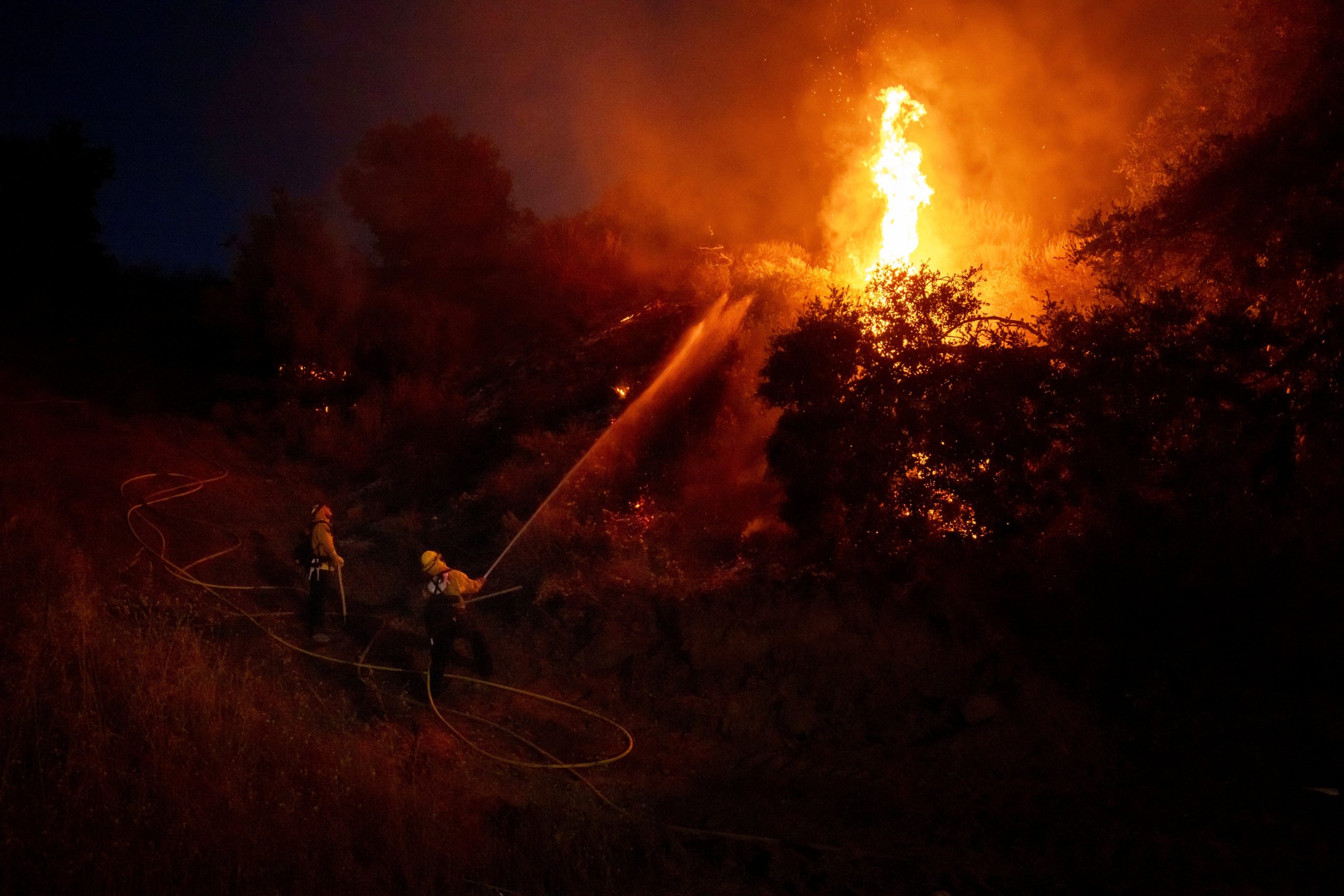
Wildfires fueled by extreme heat, drought, and strong winds have become a recurring emergency that California faces virtually every year. Now, the southern part of the state is grappling with a new wave of fires that has placed thousands of residents under evacuation orders and forced the deployment of emergency resources in several counties. The most critical fire so far is the Sandy Fire, fueled by strong winds, which continues to advance in Simi Valley, northwest of Los Angeles.

The fire began Monday morning in the Sandy Avenue area of Ventura County and quickly spread due to gusty winds and dry vegetation. Within minutes, the flames reached residential areas and destroyed at least one home along with vehicles parked near the property.

By early Wednesday morning, Sandy had consumed nearly 1,700 acres (6.88 square kilometers) and maintained a containment level of between 5% and 15%, according to various official reports released in recent hours.

Authorities noted that more than 17,000 people remained under evacuation orders, although at the height of the crisis the number had exceeded 43,000 residents. Several communities in Ventura County and areas bordering Los Angeles received evacuation orders and warnings.

Winds complicate firefighting efforts

Firefighters and aerial crews worked through the night on Tuesday trying to slow the fire’s advance before weather conditions worsened again. Ventura County Fire Department spokesperson Andrew Dowd explained that crews were able to make headway thanks to a temporary lull in the wind.

However, authorities warned that the change in wind direction continued to pose a significant risk. Cal Fire stated that firefighters remained strategically positioned in anticipation of possible changes in the fire’s behavior.

Furthermore, the mountainous terrain and dry vegetation have complicated the efforts. Andy VanSciver, a public information officer with the fire department, told the media that the steep slopes and dry grasslands are fueling the rapid spread of the flames.

More than 800 firefighters deployed

The operation to combat the Sandy Fire mobilized hundreds of personnel from various agencies. According to official reports, more than 869 firefighters were assigned to containment efforts after a new secondary fire forced the deployment of more than 100 additional personnel.

Efforts included aerial drops of water and retardant, nighttime operations, and the creation of containment lines to prevent the fire from reaching sensitive areas such as the Santa Susana Field Laboratory and the Box, Bell, and Woolsey canyons.

Los Angeles Mayor Karen Bass reported that the city deployed helicopters, crews, and specialized equipment to support Ventura County, though she clarified that, as of now, the fire was not expected to reach the city of Los Angeles.

School closures and poor air quality

The impact of the fire also forced the closure of all campuses in the Simi Valley Unified School District on Wednesday. Only essential staff were called in to work.

In addition, smoke from the Sandy fire and other nearby fires triggered air quality alerts in areas such as Calabasas, Malibu, and Pacific Palisades. Authorities urged residents to avoid outdoor activities and stay tuned for emergency updates.

Other active fires in California

The Sandy Fire isn’t the only one causing concern for authorities. On Santa Rosa Island, off the coast of Ventura and Santa Barbara, another fire has burned nearly 17,000 acres (68.8 square kilometers) and destroyed historic structures. The fire is approximately 26% contained.

Authorities believe the fire may have started after a shipwrecked sailor used flares to signal for help. The man was later rescued by the Coast Guard.

In Riverside County, the Bain and Verona fires also forced the evacuation of entire communities. The Bain fire has burned more than 1,300 acres, while the Verona fire has burned over 400 acres and remains uncontained.

Another fire, identified as the Tusil, spread rapidly in San Diego County and forced the partial closure of Interstate 8.

Critical fire season

Experts have warned that California is entering a particularly dangerous period for wildfires.

Meteorologist Ryan Kittell of the National Weather Service in Oxnard explained to the Los Angeles Times that moisture levels in vegetation are reaching a critical point. “Right now, the latest readings show we’re right on the cusp of when most of the plants are ready to burn,” he said. “It’s still kind of a mixed bag, but we’re getting real close.”

Sign up for our weekly newsletter to get more English-language news coverage from EL PAÍS USA Edition

Continue Reading

animals

S

Published

on

s

We’re checking if you’re a real person and not an automated bad bot. Usually, the captcha below will complete itself. If it doesn’t, simply click the checkbox in the captcha to verify. Once verified, you’ll be taken to the page you wanted to visit.

Human verification is in progress ✨

If for some reason after verifying the captcha above, you are constantly being redirected to this exact same page to re-verify the captcha again, then please click on the button below to get in touch with the support team.

Contact Support

Please mention the “Ray ID: 9fecf1ce7c6a8c31” and “Client IP: 195.250.23.30” to your ticket.

Continue Reading

Audiencia Nacional

E

Published

on

e

Please enable JS and disable any ad blocker

Continue Reading

Trending

Copyright © 2017 Spanish Property & News