
News from Spain
First women to orbit the moon Christina Koch wins major Spanish award

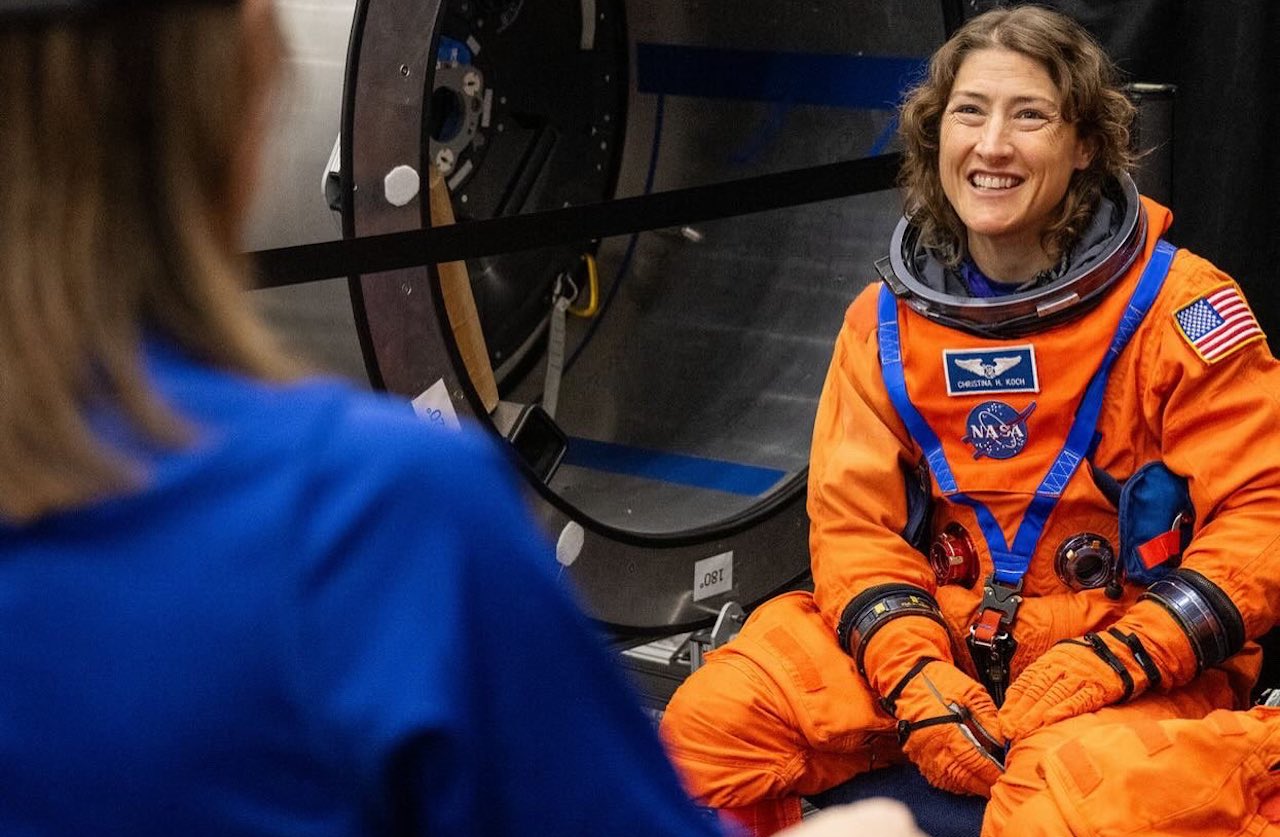
Astronaut Christina Koch awarded Princess of Asturias Award
Credit: Christina Koch / X
In April, US astronaut Christina Koch embarked on a ground-breaking space mission as one of the four Artemis II crew members. Now back on Earth, Koch has been awarded Spain’s prestigious Princess of Asturias Award for Concord for having “helped extend the frontiers of humanity”.
The Princess of Asturias Awards are among the most prestigious international honours globally, which aim to recognise “scientific technical, cultural, social and humanitarian work carried out at an international level”.
This year, a total of 36 candidatures from 16 nationalities were put forward for the Award of Concord. After lengthy deliberation, the jury announced Christina Koch as the recipient of the honour.
Christina Koch’s historic Artemis II mission
In her illustrious career, Koch has reached incredible heights. Literally and figuratively. On board the Artemis II, Koch and her crewmates set the record for the greatest distance travelled by humans in space: 406,771 kilometres from Earth.
The Artemis II mission also marked a major milestone in space exploration, returning humans to lunar orbit for the first time in more than 50 years. Koch became the first woman ever to travel to and orbit the Moon.
The jury praised her determination and contribution to advancing humanity’s understanding of space. In its official statement, it highlighted how her achievements, supported by the collective efforts behind Artemis II, have inspired people around the world and reflected the mission’s message of global unity: “Earth, you are one team.”
Record-breaking achievements in space exploration
During her time aboard the International Space Station in 2019 Koch spent 328 consecutive days in space, the longest spaceflight by a woman. She was also a vital part of an important milestone when she performed the first all-female spacewalk with fellow astronaut Jessica Meir, an achievement that helped pave the way for greater representation in human spaceflight.
Her work as an engineer, physicist and astronaut has earned her numerous accolades and international recognition throughout her career. What’s more, she is seen as a potential candidate for future lunar-surface missions, possibly becoming the first woman to reach the moon.
Princess of Asturias Awards ceremony 2026
It is these accomplishments and many more that have earned Christina Koch global recognition. The Princess of Asturias Award for Concord is presented to individuals and organisations whose work promotes human dignity, solidarity, peace and the progress of humanity.
Koch will formally receive the honour at the 2026 Princess of Asturias Awards Ceremony, scheduled to take place on 23 October at the Campoamor Theatre in Oviedo, Spain. Presided over by the Spanish royal family, the ceremony will bring together recipients from all eight award categories. Alongside the distinction itself, award winners receive a diploma, an insignia, a sculpture designed by Joan Miró and a €50,000 cash prize.









1.3 million healthcare procedures cancelled
Patients left waiting in pain as Andalucía doctors’ strike cancels 60,000 medical procedures a day
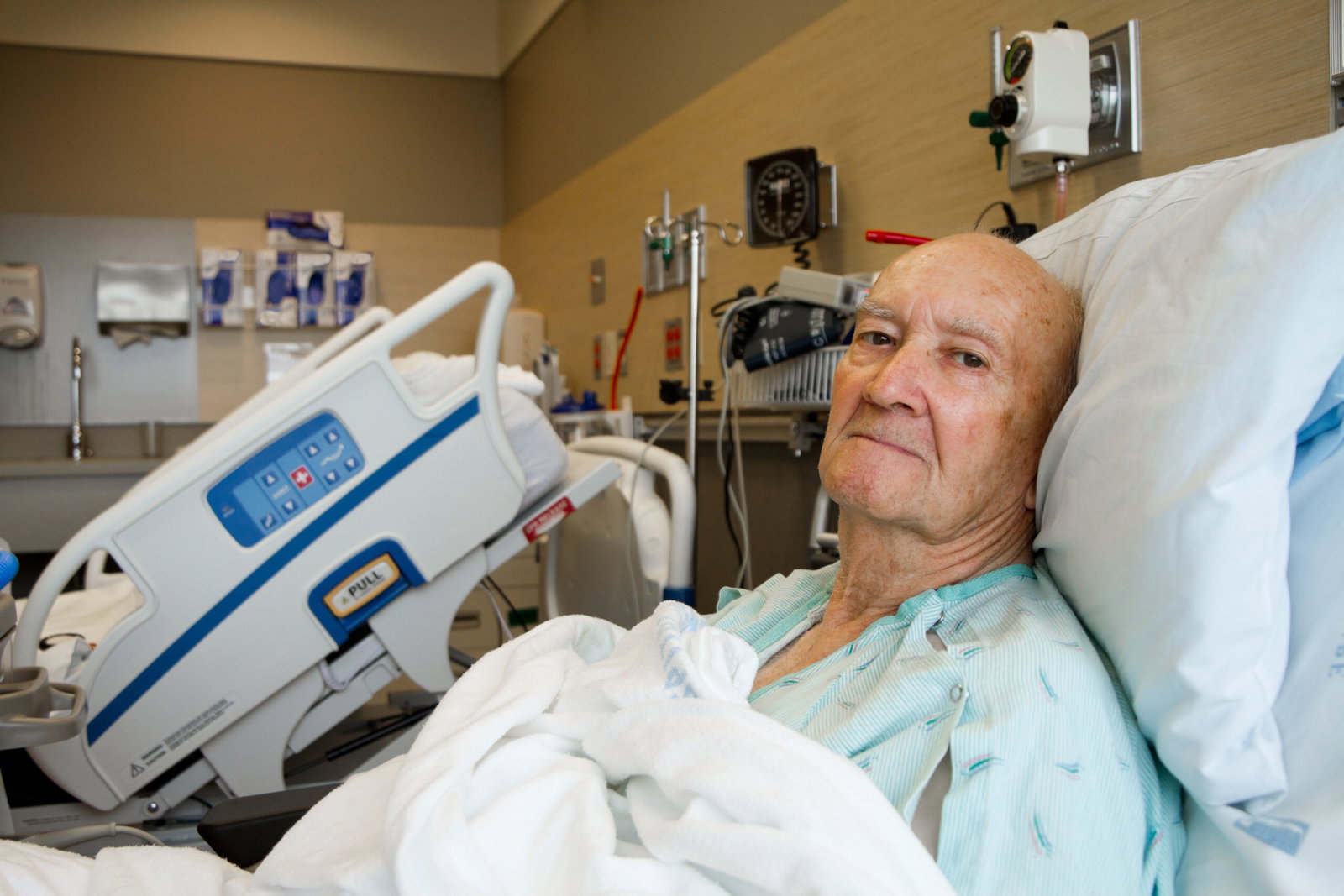
“I have been in pain for years with a back injury” Photo credit: dplett/Adobe Stock
Patients across Andalucía are increasingly worried about delays and cancellations to medical appointments as doctors’ strike action continues. The situation comes as doctors across the region enter a fifth week of strike action, with unions claiming that an average of 60,000 appointments, diagnostic tests and surgical procedures are being cancelled every day leaving many residents worried about how much longer they may have to wait for treatment
According to medical unions, more than 1.3 million healthcare procedures have already been affected since the strikes began, leaving many patients facing further delays in the coming weeks. While emergency departments remain open and urgent treatment continues, the industrial action is having a noticeable impact on non-urgent healthcare services across the region.
Which appointments are most likely to be affected?
Not every patient will see their appointment cancelled, but disruption is being felt across hospitals and health centres throughout Andalucía. Routine specialist consultations, outpatient appointments, diagnostic tests such as scans, and non-emergency surgical procedures are among the services most affected. Patients already on waiting lists for referrals are also experiencing longer delays as hospitals attempt to manage an increasing backlog.
Health authorities continue to advise patients to attend appointments as normal unless they receive official notification of cancellation or rescheduling. However, with thousands of procedures reportedly being postponed each week, many patients are repeatedly checking with hospitals for confirmation, adding to the sense of uncertainty. For those already waiting months for treatment, the added disruption is proving particularly difficult.
Why doctors in Andalucía are on strike
The strike centres on opposition to proposed changes under Spain’s new healthcare employment framework, known as the Estatuto Marco, a national law that sets out the working conditions, rights, contracts and obligations of medical staff in the public healthcare system.
Medical organisations argue the reforms fail to address long-standing concerns over excessive workloads, long working hours and staffing shortages within the public healthcare system. Unions representing doctors say these pressures are already affecting retention and recruitment, particularly in overstretched hospitals.
Around 30,000 doctors across Andalucía have been called to take part in the industrial action, making this one of the largest healthcare disputes in recent years. Doctors insist the issue is not only about working conditions but also about safeguarding patient care. They warn that continued strain on staff could further damage the quality and accessibility of services.
Patients caught in the middle as delays grow
For many patients, the strike is no longer an abstract labour dispute but a very real disruption to their health and daily life. Antonio Baena, president of Córdoba’s Platform for the Defence of Public Healthcare, says patients are effectively paying the price for the ongoing deadlock between unions and health authorities.
Among those affected is Carol, a resident of Granada, who had been waiting more than nine months for back surgery before being told her operation had been cancelled just one day before it was due to take place. She says the injury dates back several years following a horse-riding accident, leading to years of appointments, medication and specialist care before finally reaching the point of surgery.
“I have been in pain for years with a back injury that I suffered during a riding accident. It’s taken years of appointments, check-ups and medication, plus nine months waiting for surgery, only for it to be cancelled at the last moment,” she said.
“I’m beyond furious. You build everything around that surgery date, mentally and physically, and then it’s taken away with almost no notice.”
Her case reflects a growing number of patients facing last-minute cancellations after long waiting periods.
Mary who is living in Sotogrande, is another patient affected by delays in Andalucía’s public healthcare system, says she has been waiting more than two years for an appointment with a traumatologist. Unable to take standard painkillers due to an underlying health condition, she says she has been left managing her symptoms without specialist care.
“I’ve been waiting just over two years for an appointment with the traumatologist,” she said. “I can’t take painkillers because of a health condition, so I manage the pain as best I can, it’s exhausting. Every six months I’ve been calling to ask when I might finally be seen.” However, she says she recently discovered her appointment had been cancelled without notice.
“I found out the doctor had cancelled my appointment and nobody had even let me know. I still have no idea when I’ll be seen. Are the doctors actually aware of what they are doing to patients like myself?”
These are just two of many patients across Andalucía left in pain, in limbo, and facing the uncertainty of not knowing when their next appointment, test or treatment will actually come.
What is being done to reduce delays and protect patients?
Health authorities in Andalucía say steps are being taken to limit disruption and ensure that urgent and priority cases continue to be treated during the strike. Hospitals are operating with minimum service levels, meaning emergency departments, intensive care, cancer treatment and other life-saving procedures remain active even during strike days.
For non-urgent care, cancelled appointments are being re-entered into the system for rescheduling based on clinical priority, with patients expected to be offered new dates once capacity allows. However, officials acknowledge that the high volume of cancellations is making it difficult to clear backlogs quickly.
Some hospitals are also attempting to ease pressure by reorganising schedules and extending clinic activity where possible to recover postponed consultations and operations. Despite this, health sources admit that the scale of disruption is continuing to challenge the system. Patients are being advised to attend appointments as normal unless they are directly informed otherwise, as many services continue to operate despite the strike.
Could the strike continue into the summer?
For patients hoping for a quick resolution, there is still no clear end in sight. Medical unions have warned that if negotiations over the Estatuto Marco fail, an indefinite strike could begin from September, potentially extending disruption well beyond the summer months.
For now, health authorities continue to advise patients to attend appointments unless they are told otherwise, while hospitals attempt to manage growing demand and an expanding backlog of postponed care. But with more than a million healthcare procedures already affected and around 60,000 cancellations occurring every day of strike action, many people across Andalucía remain uncertain about when they will finally receive the treatment they have been waiting for.


Stockholm’s culinary genius launches Beach Club Astoria on Marbella’s shore
Patients left waiting in pain as Andalucía doctors’ strike cancels 60,000 medical procedures a day
Norwegian World Cup football chefs’ thoughts on seafood and nutrition

Peru’s Roberto Sánchez And Keiko Fujimori Urge Caution As Vote Count Continues In Very Tight Presidential Election

Spain, A Country Of 50 Million People With Infrastructure For 40 Million: ‘The Cracks Are Starting To Show’
A Journey Through The Ages Of Soccer In The United States


-
 Alberto Fujimori2 weeks ago
Peru’s Roberto Sánchez And Keiko Fujimori Urge Caution As Vote Count Continues In Very Tight Presidential Election
-
 Barcelona2 weeks ago
Spain, A Country Of 50 Million People With Infrastructure For 40 Million: ‘The Cracks Are Starting To Show’
-
David Beckham2 weeks ago
A Journey Through The Ages Of Soccer In The United States
-
Costa del Sol2 weeks ago
Marbella releases full beach rules for Noche de San Juan bonfires in 2026
-
Latest2 weeks ago
Inside Spain: How Drinking Is Becoming An Old Man’s Game
-
America1 week ago
El Pentágono, Evacuado Por Una Falsa Alarma Ante La Sospecha De Un “incidente Con Materiales Peligrosos”
-

 America2 weeks ago
Trump Planta E Insulta A Una Entrevistadora En Televisión Por Llevarle La Contraria
-
Coastal erosion1 week ago
Mallorca launches new plan to save its beaches as coastal erosion threatens popular resorts