Costa Calida
Helicopter rescue saves dehydrated hikers trapped in rugged Cartagena ravine


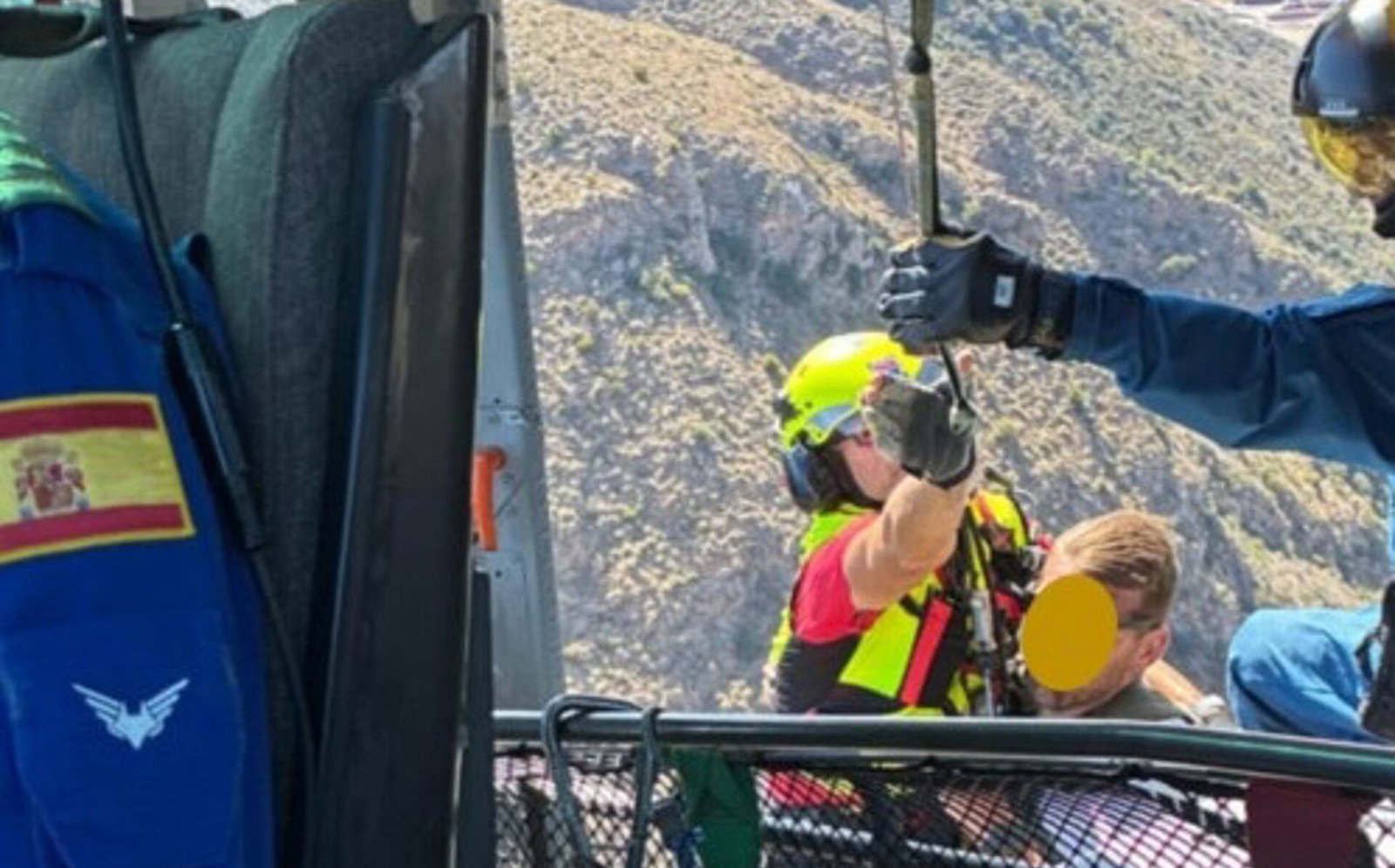
Two dehydrated hikers were rescued by helicopter from a ravine.
Photo Credit: CEIS RM
Cartagena first responders showcased heroism and quick-thinking on Monday, July 6, as two hikers were rescued from a ravine in La Fausilla de Cartagena, showing signs of dehydration and fainting.
Dramatic air rescue after hikers run out of water
Emergency services were alerted to the incident at roughly 3:24pm, when it was reported that two hikers needed help and were unable to continue their journey. The hikers, both men, had become trapped in a difficult-to-access ravine and were suffering an episode of extreme exhaustion and dehydration. They had run out of water during their hike, and decided to seek refuge in the shade as they awaited the arrival of rescue teams.
The ravine was full of abundant plants, hindering first responders’ access to their location. However, after verifying that the area was inaccessible by land, members of the Fire, Rescue and Civil Protection Service of the Cartagena City Council managed to reach the hikers, and a rescue helicopter was deployed to facilitate the operation.
The two hikers, aged 30 and 33, were evacuated via helicopter and were taken to the nearby Santa Lucía Hospital, where they were treated and assessed after their episode of extreme exhaustion and dehydration.
Emergency services issue summer safety warning
During periods of spiking temperatures, Murcia emergency responders remind hikers of the importance of avoiding midday exertion and communicating their planned routes to loved ones.
How to stay safe on the trails during intense heat
Additionally, to stay safe during intense summer heat, experts recommend carrying at least three litres of water per person and sipping it continuously rather than waiting until thirst sets in. Hikers should wear lightweight, loose-fitting clothing, a wide-brimmed hat, and high-factor sunscreen to shield against the intense Mediterranean sun.
It is also important to plan routes that offer natural shade, pack high-energy snacks or electrolyte replacements to combat fatigue, and fully charge mobile phones before setting off. If anyone begins to experience dizziness, a rapid heart rate, or nausea, which are all key early warning signs of heat exhaustion, they should stop immediately, find shade, and call emergency services on 112 before the situation escalates. Acting quickly was one of the main reasons emergency services were able to reach the hikers in time.