airports in Spain
Holiday warning for Spain travellers as airports struggle with record demand


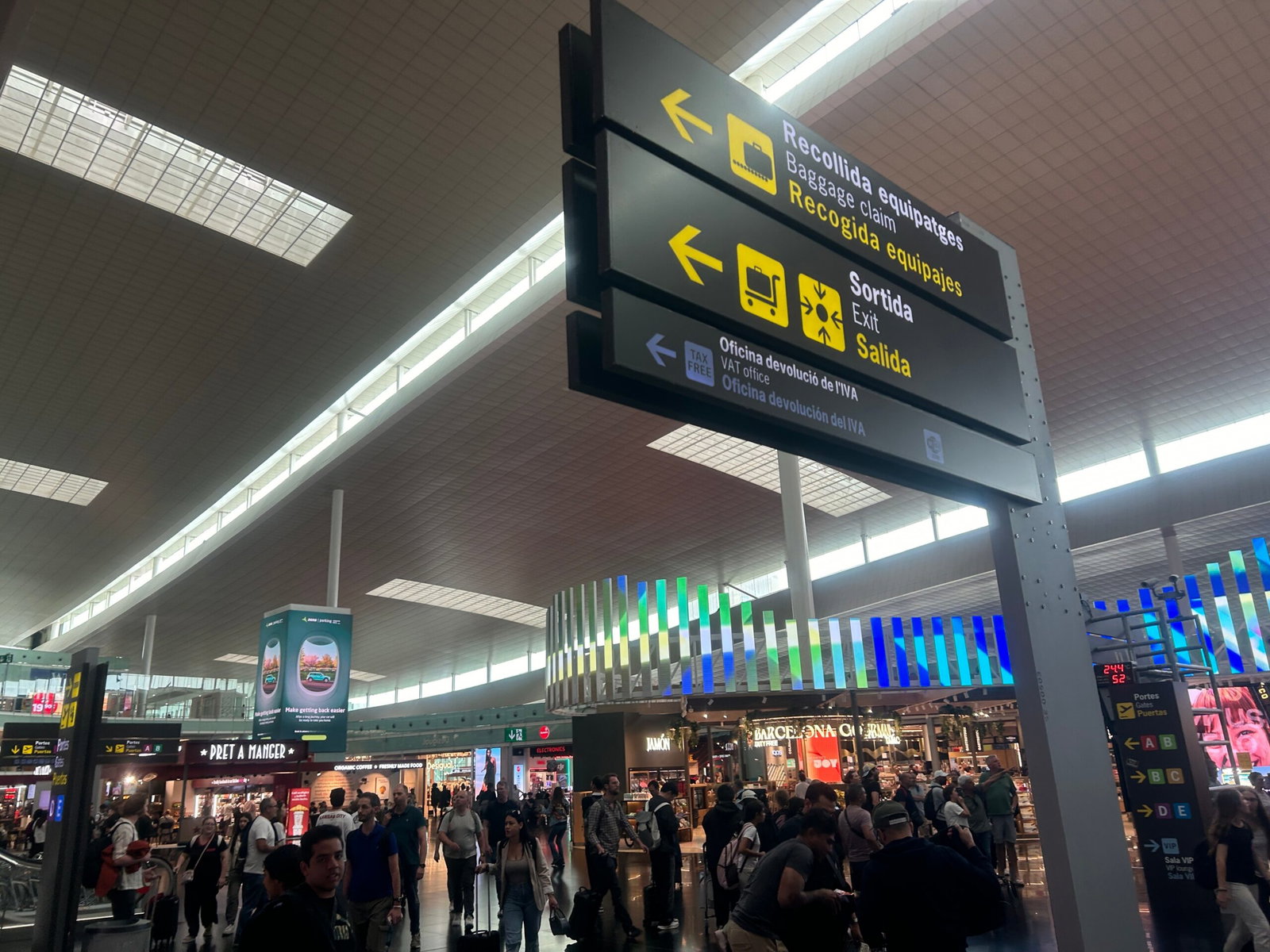
Aena has proposed almost €10 billion in investment across its airport network between 2027 and 2031. Photo credit: Colinmthompson/Shutterstock
Several of busiest airports across Spain are preparing for one of their most demanding summer seasons yet, with around ten facilities operating at or close to their intended capacity as international tourism continues to grow. Figures reported by airport operator Aena show that airports across the country are experiencing sustained increases in passenger traffic, driven by Spain’s popularity as a holiday destination.
The situation comes after Spain welcomed 97 million international visitors in 2025. A number of airports have already exceeded their designed annual capacity levels. These include Malaga, Barcelona-El Prat, Alicante, Valencia, Sevilla, Tenerife Norte, Bilbao and Menorca. Meanwhile, Madrid-Barajas, Palma de Mallorca, Lanzarote and Ibiza are approaching their operational limits as the peak travel season begins.
Summer Demand Set to Test Airport Infrastructure
The pressure comes at a time when millions of travellers are expected to pass through Spanish airports over the coming months. While airports are designed to cope with fluctuations in passenger numbers, continued growth over several years has increased demand on existing facilities.
Aena has attributed part of this growth to Spain’s reputation as a stable destination for international tourists. The country’s beaches, cities, islands and cultural attractions continue to attract visitors from across Europe and beyond, helping tourism remain one of Spain’s most important economic sectors.
Industry forecasts suggest Spain could welcome more than 100 million international visitors during 2026 if current trends continue. Such a figure would mark another milestone for the sector and place additional pressure on transport infrastructure throughout the country.
What It Means for Tourists Visiting Spain
For holidaymakers planning trips to Spain this summer, the capacity concerns are not expected to result in widespread disruption. Flights will continue to operate normally, and airports remain equipped to handle large volumes of passengers.
However, travellers may encounter busier terminals, longer waiting times at security checkpoints and increased congestion during peak travel periods. Airports serving popular destinations such as Mallorca, Ibiza, Alicante and Barcelona are likely to experience particularly heavy demand.
Some readers have argued that airport capacity is not the only issue affecting passenger journeys. Commenting on the subject, one Euro Weekly News reader suggested that the European Union’s Entry/Exit System (EES) could also contribute to delays at border controls. “It’s not all down to airport capacity, a lot of the fault lies with the EES system. They are all using the new, high-speed automated superior system devised by Brussels to reduce border queues. Badly devised, awfully implemented, but they can’t scrap it now or they will be a laughing stock,” the reader wrote.
Visitors may also find accommodation, public transport and tourist attractions becoming busier during the height of the summer season. As demand rises, booking arrangements in advance may become increasingly important, particularly in popular coastal and island destinations.
Economic Benefits Accompanied by Infrastructure Challenges
The growth in passenger numbers brings substantial economic benefits to Spain. Tourism supports employment across hotels, restaurants, transport services, retail businesses and numerous industries linked to visitor spending.
Higher visitor numbers can provide an important boost to local economies, particularly in regions where tourism plays a central role. Airports are a vital part of that economic activity, connecting destinations across Spain with international markets.
At the same time, rising passenger traffic places additional demands on infrastructure. Increased road congestion around airports, greater pressure on public transport networks and higher demand for local services are among the challenges that can accompany sustained tourism growth.
Major Investment Plans Under Consideration
To address future demand, Aena has proposed an almost €10 billion in investment across its airport network between 2027 and 2031. The funding would be directed towards capacity expansion projects and infrastructure improvements at several major airports.
The operator has also warned that parts of the network could reach their overall capacity limits before the end of the decade if additional investment is not undertaken. The proposed projects are intended to ensure airports can continue accommodating growing passenger numbers while maintaining operational standards.
The issue is likely to remain present in discussions surrounding tourism, transport planning and infrastructure development as Spain seeks to balance economic growth with increasing demand on public services.
Questions and Answers our readers ask
How comes some Spanish airports nearing capacity?
Passenger traffic has increased steadily in recent years as Spain continues to attract record numbers of international tourists. Several airports are now handling more travellers than their original design capacity anticipated.
Will our holidays to Spain be affected this summer?
There is currently no indication of widespread disruption. However, passengers may experience longer queues, busier terminals and increased congestion at some airports during peak travel periods.
What is Aena doing to address the issue?
Aena has proposed almost €10 billion of investment between 2027 and 2031 to expand airport capacity and improve infrastructure across parts of its network.
Looking Ahead
This summer will be an important indicator of how effectively Spain’s airport network can cope with rising passenger volumes. With several airports already operating beyond their original design capacity, attention is increasingly focused on future expansion plans.
Although travellers are unlikely to face major disruption, the figures draw to attention the scale of growth taking place within the countries tourism sector. If visitor numbers continue to rise, airport infrastructure will remain an important issue for both policymakers and the tourism industry in the years to come.