
Illegal building
Mallorca’s building amnesty: A route out of legal limbo for rustic homes

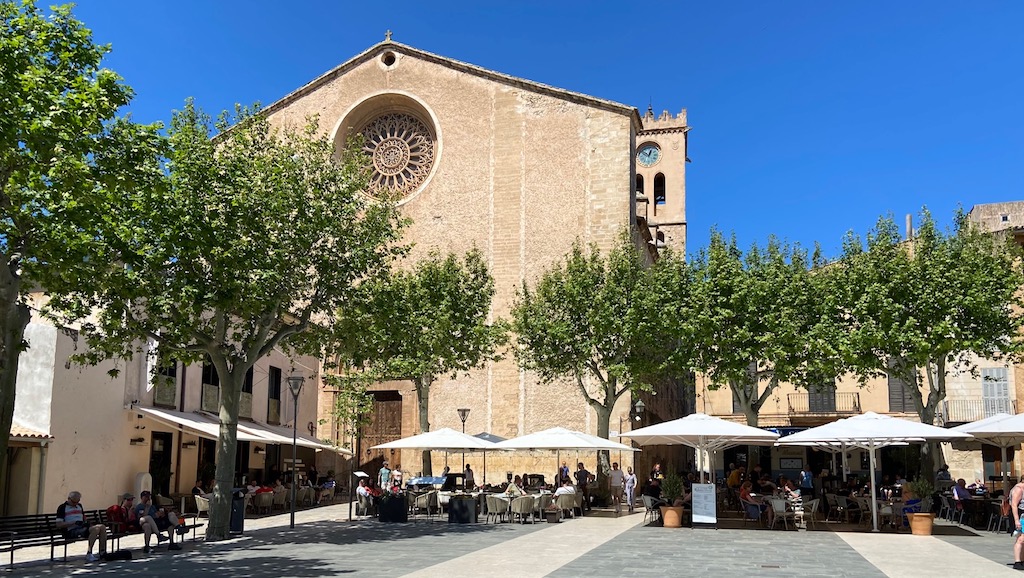
A temporary legalisation scheme could unlock a lot of rustic properties in Mallorca that have been stuck in planning limbo for decades. But it is not a free pass, and owners considering it need to understand both the opportunity and the cost.
Mallorca’s so-called illegal building amnesty is one of the most important property stories on the island right now, especially for owners of fincas with pools, guest annexes, studios or extensions that were built without the right permissions years ago and then left in legal limbo.
Window of opportunity
The measure stems from Balearic Decree-Law 3/2024, approved in May 2024, and offers a temporary route to legalise certain older irregular buildings on rustic land where the planning infringement is already time-barred. In practice, that means some owners now have a chance to regularise works that for years have sat in a grey area: tolerated in reality, but still problematic on paper.
That matters because irregular works can create real limitations, especially when the time come to sell. Buyers in rural Mallorca often discover that a property includes something not fully legal, whether that is a swimming pool, an extension, a guest house or a studio. In many cases, those works were carried out long ago and any fines were dealt with at the time, but the legal status of the construction was never fully normalised. The result has often been a kind of limbo, where owners are left with buildings they can use but struggle to alter, improve or fully integrate into the property’s paperwork.
As reader Alan Gregory puts it, “Almost every property we looked at had something not entirely legal about it.” He says the old pattern was often to build first, pay the town hall fine later, and then live with the consequences. That created, in his words, “a strange limbo” in which the illegal works could not easily be challenged years later, but owners also could not get licences to alter or improve them.
The cost of coming clean
The current scheme is intended to offer a way out of that situation, though not cheaply. The financial contribution rises over time: 10% in the first phase, then 12.5%, then 15%, calculated on the current cost of the works, with additional taxes, technical reports and professional fees on top. Applicants may also have to make environmental or efficiency improvements as part of the process.
Gregory’s own experience also shows how complicated eligibility can be in practice. “Originally we were told it wouldn’t cover us as we were too near the Tramuntana,” he explains, but later changes appear to have brought more properties into scope, including his property in Pollença. He also notes that owners will have to make upgrades, such as bringing septic systems up to modern standards, and improve the environmental impact of the property, either by improving the energy efficiency or the water efficiency of the property. Such improvements could include solar panels or rainwater capture. The process is complicated and Gregory recommends employing a good architect who has sound local knowledge and contacts.
Not every property qualifies. Eligibility depends on the age of the works, the type of land involved, and whether the property falls into an excluded or specially protected zone. The picture has also become more complicated as the rules have evolved, with later changes broadening eligibility in some cases that were initially thought to be outside the scheme. As a result, this is not an area for assumptions or hopeful guesswork.
Strong interest, but no easy fix
What is clear is that the programme has generated significant interest in Mallorca, especially as owners try to apply while the lower rate still applies. That has added urgency to a process already dependent on technical professionals, municipal interpretation and administrative review.
For affected owners, the attraction is obvious: legalisation can improve certainty, saleability and peace of mind. But it is not a cheap or automatic fix. Anyone considering an application should expect a technical, case-by-case process involving architects, paperwork, municipal review and significant costs, so expert advice remains essential before assuming a property will qualify.



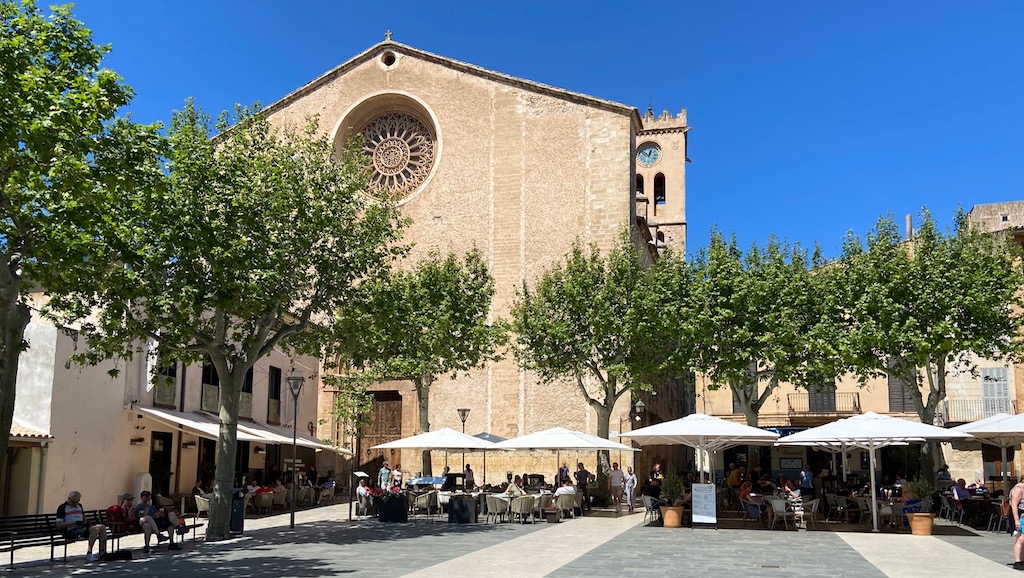
A temporary legalisation scheme could unlock a lot of rustic properties in Mallorca that have been stuck in planning limbo for decades. But it is not a free pass, and owners considering it need to understand both the opportunity and the cost.
Mallorca’s so-called illegal building amnesty is one of the most important property stories on the island right now, especially for owners of fincas with pools, guest annexes, studios or extensions that were built without the right permissions years ago and then left in legal limbo.
Window of opportunity
The measure stems from Balearic Decree-Law 3/2024, approved in May 2024, and offers a temporary route to legalise certain older irregular buildings on rustic land where the planning infringement is already time-barred. In practice, that means some owners now have a chance to regularise works that for years have sat in a grey area: tolerated in reality, but still problematic on paper.
That matters because irregular works can create real limitations, especially when the time come to sell. Buyers in rural Mallorca often discover that a property includes something not fully legal, whether that is a swimming pool, an extension, a guest house or a studio. In many cases, those works were carried out long ago and any fines were dealt with at the time, but the legal status of the construction was never fully normalised. The result has often been a kind of limbo, where owners are left with buildings they can use but struggle to alter, improve or fully integrate into the property’s paperwork.
As reader Alan Gregory puts it, “Almost every property we looked at had something not entirely legal about it.” He says the old pattern was often to build first, pay the town hall fine later, and then live with the consequences. That created, in his words, “a strange limbo” in which the illegal works could not easily be challenged years later, but owners also could not get licences to alter or improve them.
The cost of coming clean
The current scheme is intended to offer a way out of that situation, though not cheaply. The financial contribution rises over time: 10% in the first phase, then 12.5%, then 15%, calculated on the current cost of the works, with additional taxes, technical reports and professional fees on top. Applicants may also have to make environmental or efficiency improvements as part of the process.
Gregory’s own experience also shows how complicated eligibility can be in practice. “Originally we were told it wouldn’t cover us as we were too near the Tramuntana,” he explains, but later changes appear to have brought more properties into scope, including his property in Pollença. He also notes that owners will have to make upgrades, such as bringing septic systems up to modern standards, and improve the environmental impact of the property, either by improving the energy efficiency or the water efficiency of the property. Such improvements could include solar panels or rainwater capture. The process is complicated and Gregory recommends employing a good architect who has sound local knowledge and contacts.
Not every property qualifies. Eligibility depends on the age of the works, the type of land involved, and whether the property falls into an excluded or specially protected zone. The picture has also become more complicated as the rules have evolved, with later changes broadening eligibility in some cases that were initially thought to be outside the scheme. As a result, this is not an area for assumptions or hopeful guesswork.
Strong interest, but no easy fix
What is clear is that the programme has generated significant interest in Mallorca, especially as owners try to apply while the lower rate still applies. That has added urgency to a process already dependent on technical professionals, municipal interpretation and administrative review.
For affected owners, the attraction is obvious: legalisation can improve certainty, saleability and peace of mind. But it is not a cheap or automatic fix. Anyone considering an application should expect a technical, case-by-case process involving architects, paperwork, municipal review and significant costs, so expert advice remains essential before assuming a property will qualify.

Lando Norris unleashes F1 2026 criticism after Nurburgring test

Sánchez Y Lula Da Silva Comparecen Tras La Primera Cumbre España-Brasil En Barcelona

E


-

 New Developments2 weeks ago
Luxury Villas For Sale, Estepona – ProjectL1
-

 New Developments4 weeks ago
How To Get A Tourist Rental Licence In Andalusia (Spain) – Step-By-Step Guide 2025
-

 New Developments2 weeks ago
Stylish 3-Bedroom Apartment With Panoramic Sea Views – Benalmádena
-

 Uncategorized4 weeks ago
Max Verstappen left laughing after Nurburgring triumph
-

 %2 weeks ago
Poland Disconnects Utilities At Russian Consulate That Moscow Refuses To Hand Over
-

 Uncategorized4 weeks ago
Max Verstappen team-mate sheds light on Nurburgring mistake
-

 Foreign demand4 weeks ago
Non-Resident Foreign Buyers Retreat Sharply In 2025
-

 Uncategorized3 weeks ago
Lewis Hamilton goes from Karate Kid to Samurai Warrior with Kill Bill guru