Connect with us

Health and Beauty

Mediterranean Summer: 5 Niche Perfumes Inspired by Europe’s Finest Destinations

Published

on

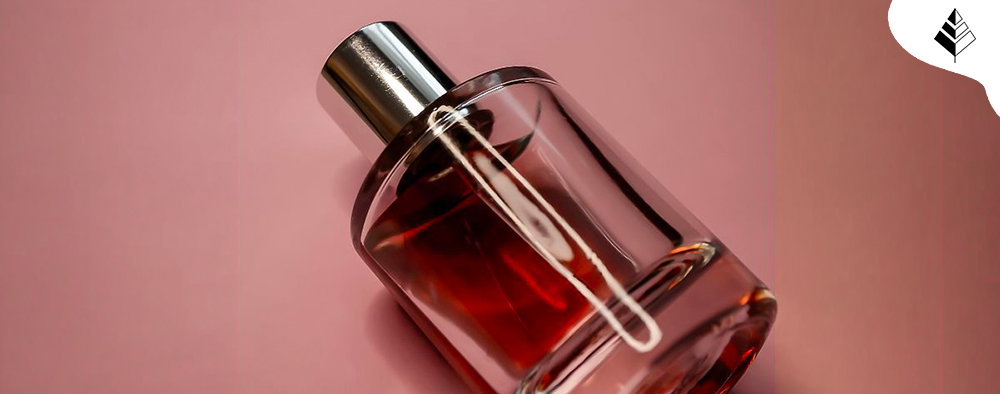
Five high-performance scents that bottle the light, salt and citrus of Europe’s most beautiful coastlines – ready to wear all summer long

There is no light quite like Mediterranean light – the kind that bounces off whitewashed walls, turns the sea a hundred shades of blue and ripens lemons until they almost glow. From the cliffs of Capri to the white villages of the Greek islands, Europe’s finest summer destinations have always smelled as unforgettable as they look: sun-warmed citrus, salt on the skin, rosemary baking in the heat.

The world of niche perfumes has spent decades trying to bottle exactly this – and the best of them work like a passport you can wear. Online, one of the finest places to discover them is 50 ml UK, an official store specialising in non-commercial, high-performance perfumery. Here are five niche perfumes inspired by Europe’s most beautiful coastlines – one for each destination, ready to carry the Mediterranean with you long after the tan has faded.

Carthusia A’mmare Eau de Parfum – Capri in a bottle

Few Italian perfumes capture the spirit of an island summer quite like A’mmare, born on Capri from the historic house of Carthusia. The name means “to the sea” in the local dialect, and the scent reads like a love affair that lasts exactly one perfect August. It opens on sparkling bergamot and aromatic rosemary, lifted by a crystalline note of sea salt that shimmers on the skin. A green heart of mint keeps everything cool and breezy, while a base of cedarwood, guaiac and musk grounds it like sun-warmed rock above the water. Luminous, saline and effortlessly chic, it is the closest thing to standing on a Caprese terrace with the whole bay spread out beneath you.

Simone Andreoli Zest di Sorrento Eau de Parfum – The lemons of the Amalfi Coast

Drive along the coast road from Sorrento to Amalfi and the air turns almost edible – all sweet citrus groves and warm stone. Zest di Sorrento bottles that exact stretch of coastline, a tribute to what many call the finest lemons in the world. The opening is a joyful explosion of lemon and lemon flower, so juicy and bright it practically fizzes, before delicate neroli adds a soft, floral elegance and a discreet base of woods lends staying power. Vibrant, sunlit and impossibly cheerful, it is summer in its most carefree form – perfect for anyone who wants to wear the Amalfi Coast on the days they cannot be there.

Oribe Côte d’Azur Eau de Parfum – Riviera glamour at golden hour

Cross the border into France and the mood shifts from rustic to glamorous – yachts in the harbour, linen on the terrace, the unmistakable polish of the French Riviera. Côte d’Azur, created for Oribe by one of France’s oldest perfume houses, captures that easy luxury beautifully. It opens with a radiant burst of Calabrian bergamot, lemon, blackcurrant and Sicilian orange, melting into an elegant floral heart of tuberose, cyclamen and white jasmine, before settling on a sophisticated base of vetiver, sandalwood and amber. Sunny yet refined, it is the scent of a long lunch that drifts into golden hour somewhere between Nice and Saint-Tropez.

Xerjoff Naxos Eau de Parfum – The golden soul of Sicily

For Sicily, there is only one place to begin: Naxos, Xerjoff’s love letter to the island and its legendary gardens running down to a crystalline sea. This is the Mediterranean at its most opulent. Fresh bergamot, lemon and lavender open with a bright citrus snap, before a sumptuous heart of cinnamon, golden honey and jasmine pours in like late-afternoon sun. A warm base of tobacco leaf, tonka bean and vanilla gives it depth and a seriously long-lasting trail. Sweet, sunlit and utterly addictive, Naxos is for travellers who want Sicily’s richness – honey, spice and citrus – bottled at full intensity.

Hellenist Les Dieux aux Bains Eau de Parfum – A dive into the Aegean

Close the journey in Greece, where Hellenist draws its inspiration from the myth-soaked waters of the Mediterranean – here, the legendary Baths of Aphrodite. Les Dieux aux Bains is a fresh, aromatic-aquatic fragrance built to feel like diving into cool, clear water on the hottest day of the year. Juniper berries, eucalyptus, lemon and rosemary open with a herbal, sea-breeze freshness, layered over luminous mineral notes that evoke wet stone and spray, before warm ambroxan and moss anchor it on the skin. Clean, regenerating and quietly elegant, it is the scent of a Greek island at first light – the perfect full stop to a summer spent chasing the sea.

From the saline shimmer of Capri to the cool blue of the Aegean, these five scents prove that the right fragrance is the lightest, most evocative souvenir you can pack. Citrus, salt, sunlit honey and clean Mediterranean water – five destinations you can wear on bare skin, all year round. Ready to build your own Mediterranean summer? Explore the full range of niche perfumes and bottles, your favourite corner of Europe.

%

Heat Exhaustion And Heat Stroke: Understanding The Deadly Risks Of Summer Heat

Published

on

heat-exhaustion-and-heat-stroke:-understanding-the-deadly-risks-of-summer-heat

An electric fan provides relief to someone resting indoors while dealing with the exhausting effects of high summer temperatures. Credit: monshtein / Shutterstock

As summer temperatures soar across Spain and the rest of Europe, understanding the critical differences between heat exhaustion and heat stroke can literally mean the life or death of a loved one or a fellow tourist. While enjoying a cold drink on a sun-drenched beach is the ultimate holiday dream, prolonged exposure to extreme heat and high humidity can quickly trigger dangerous heat-related illnesses. Recognising early symptoms of overheating, staying hydrated, and knowing when to call emergency services are vital steps to staying safe in the sun this season.

We live in this lovely part of Spain, and we welcome many tourists. All of us however can be guilty when it comes to not taking advice about being out in the sun. It looks like being a scorcher this summer season.  I’ll be the first to admit that I love it. A cool beer on the beach and I’m as happy as Larry (whoever that is) However, the very sad fact remains that many people die every year from a form of overheating that we call heatstroke. Actually, it doesn’t sound dangerous and maybe it is time for a new name like ‘heat death’ for example for us all to take it seriously, because I’m not kidding you, it is a very serious – and life-threatening situation. It kills.

Our European continent is warming, there is no doubt about that, and we all need to adjust our lifestyle a little bit so that we don’t put ourselves, or others, at risk.

I’m not lecturing or wagging a finger – that’s not my style at all. I just want people to be aware how this danger can creep up, sometimes without us really realising what is happening. All I want to say is that if you suspect someone, even yourself, might be developing heat stroke get that phone out and call 112. Leave it too long and you will not be able to make the call, it really is that serious.

Heat exhaustion and heat stroke are two serious heat-related illnesses that can occur when the body overheats, often due to prolonged exposure to high temperatures or strenuous physical activity. Understanding the symptoms, causes, risk factors, and prevention methods for each is vital for health and safety, especially during hot weather or in hot environments.

What is heat exhaustion? Symptoms and causes

Heat exhaustion is a milder form of heat-related illness that can develop after several days of exposure to high temperatures, particularly when combined with strenuous physical activity.

Common symptoms of heat exhaustion:

  • Heavy sweating
  • Weakness
  • Cool, pale, or clammy skin
  • Fast, weak pulse
  • Nausea or vomiting
  • Muscle cramps
  • Dizziness or fainting

Warning: If not treated promptly, heat exhaustion can quickly develop into a life-threatening heat stroke.

Key causes and risk factors:

High temperature and humidity: High environmental conditions increase the risk.

Dehydration: Insufficient fluid intake exacerbates heat-related stress.

Physical activity: Strenuous exercise, particularly in the heat, can lead to increased body temperature.

Medical conditions: Those with certain health issues, such as heart disease or obesity, are at higher risk.

Age: The elderly and young children are particularly susceptible.

What is heat stroke? A critical medical emergency

Heat stroke is a more severe condition and represents a medical emergency. It occurs when the body temperature rises above 40°C (180°F) due to prolonged exposure to high heat.

Warning signs of heat stroke:

  • Hot, dry skin (absence of sweating)
  • High body temperature
  • Rapid, strong pulse
  • Confusion or altered mental state
  • Seizures
  • Loss of consciousness

Without immediate treatment, heat stroke can result in permanent disability or death.

Factors that increase heat stroke risk:

The causes of heat stroke are similar to those of heat exhaustion but tend to occur when body temperature regulation fails, leading to overheating.

Risk factors include:

High humidity: This impairs the body’s ability to evaporate sweat and cool down.

Physical exertion: Exercising or working in hot conditions is a primary contributor.

Medications: Certain prescriptions (like diuretics or beta-blockers) affect how the body responds to heat.

Chronic illness: Heart disease, diabetes, or obesity increase susceptibility.

Alcohol consumption: Alcohol accelerates dehydration and impairs the body’s temperature control.

How to prevent heat exhaustion and heat stroke

Preventing a heat illness is entirely possible with a few smart adjustments to your daily summer routine:

  • Drink plenty of fluids: Prioritise water and electrolyte-replenishing sports drinks. Avoid excessive caffeine and alcohol.
  • Limit midday outdoor activities: Stay indoors or in the shade during the hottest parts of the day (usually between 2pm and 4pm).
  • Wear appropriate clothing: Lightweight, loose-fitting, and light-coloured clothing helps keep the body cool.
  • Seek air conditioning: Use fans, or spend time in air-conditioned environments to regulate your internal temperature.
  • Know the signals: Keep a close eye on your companions and yourself for early symptoms.

First aid: Heat exhaustion management

If you notice someone showing signs of heat exhaustion, act quickly to cool them down:

  1. Move to safety: Relocate the person to a cooler area, preferably indoors with air conditioning or into the shade.
  2. Rehydrate: Provide water or lower-sugar sports drinks to replenish lost fluids and electrolytes. Do not force fluids if they are vomiting.
  3. Loosen clothing: Remove any tight or excessive clothing to facilitate better air circulation.
  4. Apply cool cloths: Soak cloths in cold water and place them on the skin, focusing on pulse points like the neck, armpits, and wrists.

Emergency action: Heat stroke management

If you suspect someone is suffering from heat stroke, you must act immediately.

  1. Call emergency services immediately on 112: Heat stroke is a medical emergency and requires urgent care.
  2. Cool the person down: While waiting for help, take actions to cool the person. Remove clothes and soak with cool water (this is a real emergency, so no time for modesty) or use ice packs where possible.
  3. Monitor body temperature: Keep an eye on their temperature and continue cooling efforts until help arrives.

Conclusion: Stay safe in the sun

Understanding heat exhaustion and heat stroke is crucial, especially during hot weather and for those who engage in physical activities in the heat. Recognising the symptoms and knowing how to respond can prevent serious health consequences. Adopting preventive measures can help keep people safe from these heat-related illnesses. Awareness and education are the keys to ensuring health and safety in high-temperature environments.

Looking out for one another only takes a few moments, and yes, it can take a bit of courage to step up and take control of a situation, that’s something I know only too well, but the fact remains heat can kill. No one is going to criticise you for doing the right thing.

The information provided in this column is for educational and informational purposes only, and does not constitute medical advice. It is not a substitute for a professional medical consultation, diagnosis, or treatment. Always seek the advice of your own physician or other qualified health provider with any questions you may have regarding a medical condition.

Dr Marcus Stephan

Continue Reading

Costa del Sol

Quirónsalud Marbella brings the hospital to your doorstep with 24-hour doctor and specialist home visits

Published

on

By

Quirónsalud Marbella Hospital brings healthcare closer to the patient’s home. Credit: Quirónsalud Marbella

Quirónsalud Marbella Hospital has strengthened its Home Care Unit by introducing 24-hour medical availability and the option to receive specialist care directly at home. This expansion consolidates the service across the western Costa del Sol.

This initiative represents a major step forward in a healthcare model that, until now, focused primarily on nursing care. It has now evolved to offer more comprehensive coverage, tailored to the needs of a population that increasingly demands convenient, agile, and personalised healthcare solutions.

With this expansion, patients can receive urgent or scheduled medical care, clinical follow-ups, post-surgery care, and various diagnostic tests in the comfort of their own home, avoiding unnecessary trips to the hospital. The 24-hour availability of a doctor ensures an immediate response to any healthcare need, while the involvement of specialists allows for the assessment of more complex cases without the patient having to leave their familiar surroundings.

One of the standout features of this service is its direct coordination with Quirónsalud Marbella Hospital. This guarantees that home care is delivered with full access to the hospital’s resources and the patient’s medical history. Consequently, this ensures greater continuity of care alongside swifter and safer clinical decisions.

The Home Care Unit operates between Estepona and Fuengirola, catering to both permanent residents and temporary visitors—a very common demographic on the Costa del Sol. Frequent cases include patients recovering from surgery, individuals with reduced mobility, or families requiring specialised medical support at home.

Furthermore, the service operates on a flexible, pay-as-you-go model with no recurring subscription fees; patients only pay for the specific care they need at any given time. Anyone interested can request information or assistance directly by calling the unit on +34 686 486 256 or by emailing homecare.mbl@quironsalud.es.

With this upgrade, Quirónsalud Marbella Hospital champions a model that brings healthcare closer to the patient’s home, responding to the growing demand for out-of-hospital care in the Málaga province.

Avda. Severo Ochoa, 28 –  29603 Marbella, Málaga (España)

+34 686 486 256

www.quironsalud.es/marbella

Continue Reading

%

Quirónsalud Marbella Brings The Hospital To Your Doorstep With 24-Hour Doctor And Specialist Home Visits

Published

on

By

quironsalud-marbella-brings-the-hospital-to-your-doorstep-with-24-hour-doctor-and-specialist-home-visits

Quirónsalud Marbella Hospital brings healthcare closer to the patient’s home. Credit: Quirónsalud Marbella

Quirónsalud Marbella Hospital has strengthened its Home Care Unit by introducing 24-hour medical availability and the option to receive specialist care directly at home. This expansion consolidates the service across the western Costa del Sol.

This initiative represents a major step forward in a healthcare model that, until now, focused primarily on nursing care. It has now evolved to offer more comprehensive coverage, tailored to the needs of a population that increasingly demands convenient, agile, and personalised healthcare solutions.

With this expansion, patients can receive urgent or scheduled medical care, clinical follow-ups, post-surgery care, and various diagnostic tests in the comfort of their own home, avoiding unnecessary trips to the hospital. The 24-hour availability of a doctor ensures an immediate response to any healthcare need, while the involvement of specialists allows for the assessment of more complex cases without the patient having to leave their familiar surroundings.

One of the standout features of this service is its direct coordination with Quirónsalud Marbella Hospital. This guarantees that home care is delivered with full access to the hospital’s resources and the patient’s medical history. Consequently, this ensures greater continuity of care alongside swifter and safer clinical decisions.

The Home Care Unit operates between Estepona and Fuengirola, catering to both permanent residents and temporary visitors—a very common demographic on the Costa del Sol. Frequent cases include patients recovering from surgery, individuals with reduced mobility, or families requiring specialised medical support at home.

Furthermore, the service operates on a flexible, pay-as-you-go model with no recurring subscription fees; patients only pay for the specific care they need at any given time. Anyone interested can request information or assistance directly by calling the unit on +34 686 486 256 or by emailing homecare.mbl@quironsalud.es.

With this upgrade, Quirónsalud Marbella Hospital champions a model that brings healthcare closer to the patient’s home, responding to the growing demand for out-of-hospital care in the Málaga province.

Avda. Severo Ochoa, 28 –  29603 Marbella, Málaga (España)

+34 686 486 256

www.quironsalud.es/marbella

Continue Reading

Trending

Copyright © 2017 Spanish Property & News