
Costa del Sol
Mercadona breaks tradition with extended Sunday summer hours on Costa del Sol

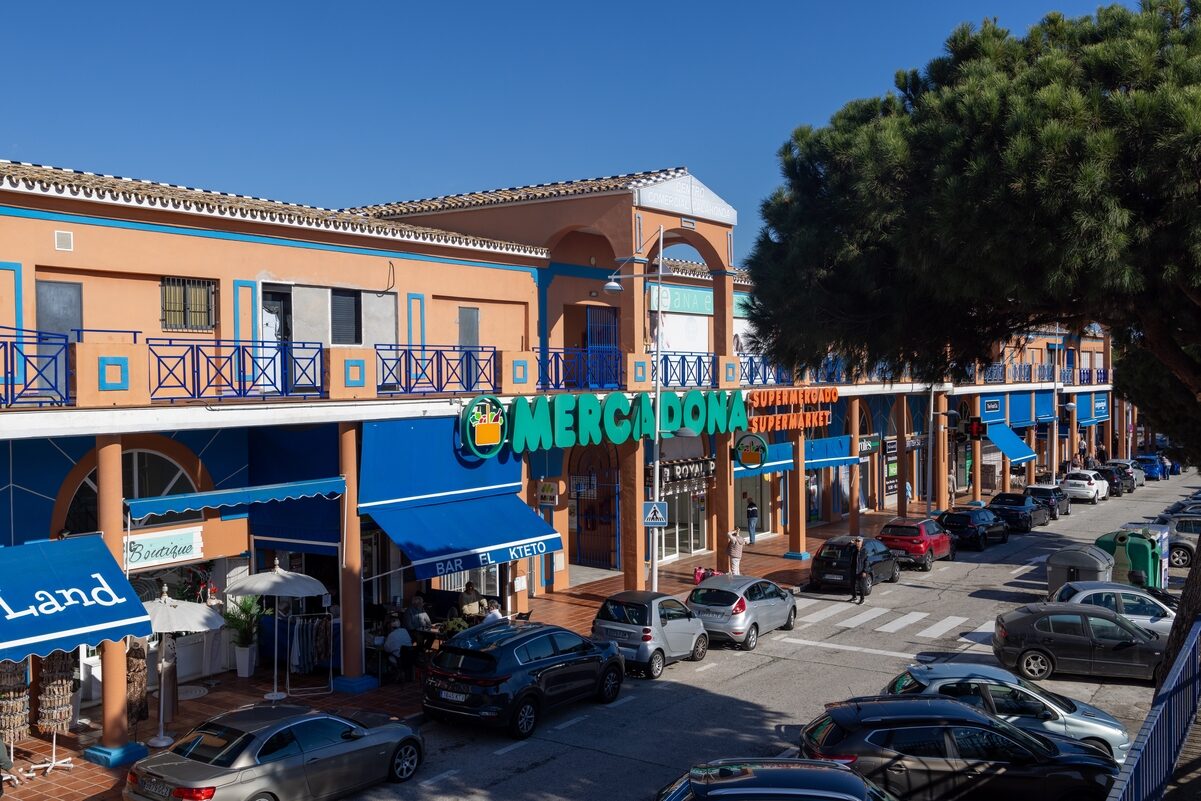
Mercadona are beginning to break with tradition with their Sunday opening rules. For decades, the massive chain of supermarkets that was born in Valencia and now has spread to be a staple of Spanish supermarket supplies across Spain has strictly kept to more or less traditional opening times from Monday to Saturday and strictly stayed closed on bank holidays.
This year, however, the company of Joan Roig has started to realise that it’s time to get with the times and not lose out to competitors like Lidl and Aldi and to keep some of its stores selling all 7 days a week. So, those at this busy time of year preparing family meals or packing a picnic for the beach can stock up on last-minute supplies from Mercadona.
Summer timetable adjustment begins June 22.
Mercadona has introduced extended daily trading from 9am to 10pm at certain branches between June 22 and August 30. This will add half an hour to the usual closing time of 9.30pm to match changing customer routines when daylight stretches further into the evening.
Reasons behind the longer trading window
Store managers have seen the competition and move responds directly to altered buying patterns in warmer months. Families and holidaymakers make can more evening trips for groceries, leading to this practical response across tourist-heavy zones.
Costa del Sol branches adopting the change
Only outlets in areas with strong visitor numbers or steady local demand will follow the new timetable. Confirmed locations appear below for Estepona, Fuengirola, Malaga, Manilva, Marbella, Mijas and Torremolinos.
- Estepona branches at Bel-Air, Arroyo de Enmedio and Camino de las Mesas join the extended hours.
- Fuengirola sites in Calle Francisco Rivera, Barrio Los Boliches and Calle Córdoba welcome shoppers later each day.
- One Malaga supermarket at El Palo on Avenida Juan Sebastián Elcano 147 is also open on Sundays.
- The Manilva branch in Sabinillas at Calle Bolivia 18 follows suit.
- Marbella stores in Nueva Andalucia, Elviria, Los Naranjos and San Pedro Alcantara operate until 10pm on Sundays.
- Mijas locations at Calahonda and La Cala de Mijas extend their service too.
- Torremolinos branches at Playamar, El Pinillo and Plaza Costa del Sol complete the list for late evening access.
Practical benefits for holidaymakers and residents
Shoppers preparing beach picnics or big family meals will instantly get extra flexibility without rushing. This adjustment helps local households and holidaymakers maintain routines comfortably during busy summer weeks. Regular checks on individual store pages remain advisable, since not every Mercadona supermarket in the region adopts identical schedules.
Overall the plans demonstrate Mercadona’s commitment to customer convenience and a little more flexibility on the Costa del Sol.






10 million travellers
Málaga Airport tops 10 million as British travellers face a busier Costa del Sol summer
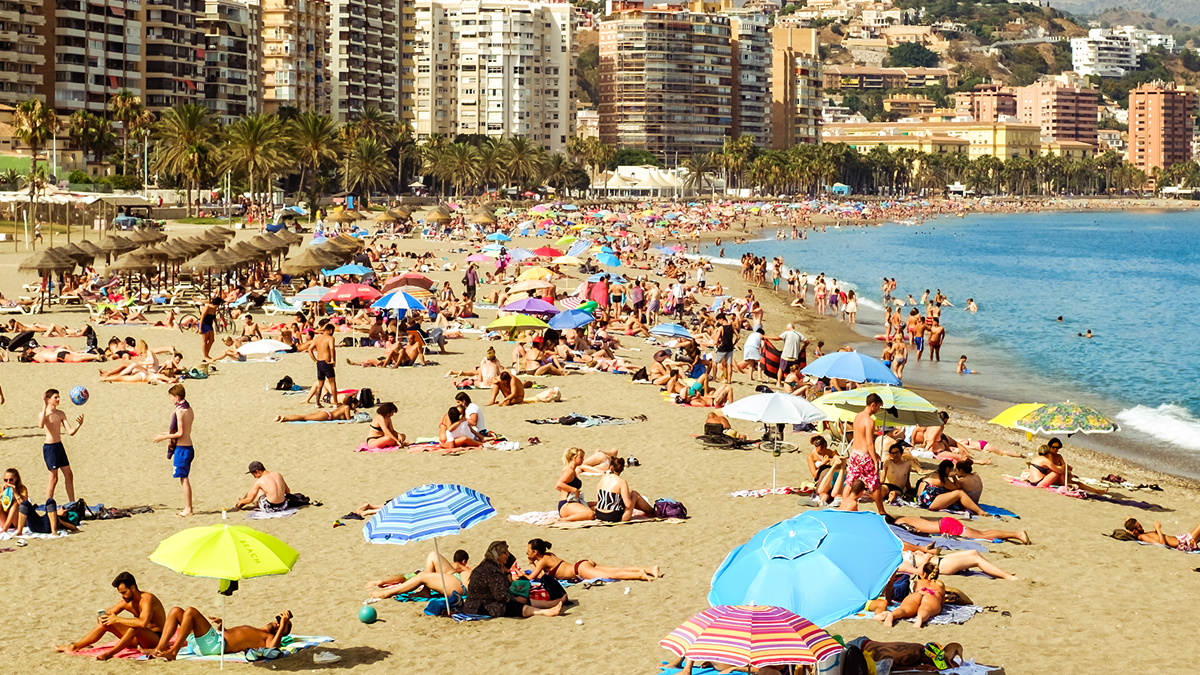
The Costa del Sol is already feeling the pressure of an early summer surge. Credit: Roberto Sorin / Shutterstock
Málaga-Costa del Sol Airport has already handled more than 10.4 million passengers this year, with British travellers leading the international market in May. The figures show UK demand for the Costa del Sol is running high before the busiest summer weeks have even begun.
How British passengers are still sustaining Málaga’s biggest international market
British travellers are once again leading the international rush through Málaga-Costa del Sol Airport, after the airport passed 10 million passengers before the main summer peak.
Spanish airport operator Aena said 10,455,108 passengers used the airport between January and May 2026, a rise of 7.1 per cent compared with the same period last year.
In May alone, the airport handled 2,748,494 passengers, up 6.3 per cent year-on-year. International travel made up the bulk of the movement, with 2,335,207 passengers flying on routes outside Spain.
The United Kingdom remained Málaga’s strongest international market in May, with 659,628 passengers. Germany followed with 213,641, ahead of the Netherlands, France and Italy.
These figures show summer demand is already running hot.
Why the Costa del Sol keeps pulling UK travellers
Málaga Airport is more than a holiday gateway. For many British readers, it is the main connection between home, family, work and life in southern Spain.
The airport serves the Costa del Sol, but also acts as a practical entry point for people heading to inland Andalucía, Gibraltar-border areas, second homes, golf resorts, coastal towns and family visits across Málaga province and beyond.
That makes the strength of the UK market especially significant. The passenger figures are not just about tourism numbers. They reflect how deeply UK-Spain travel is built into everyday life for many foreign residents and regular visitors.
The early-year growth also suggests that demand is spreading beyond the traditional July and August peak. May, for a few years now, has no longer been a mere shoulder-season month for quieter trips. For Málaga Airport, it is now part of a longer and busier travel season.
How the high demand could affect flights, car hire and accommodation
The practical impact for travellers may be felt before even reaching the airport.
When demand rises early, flights on popular UK-Málaga routes can become more competitive, especially around school holidays, weekends and bank-holiday travel periods. Families trying to coordinate visits may find that convenient flight times disappear first.
Car hire, private transfers and accommodation can also feel the pressure when passenger numbers rise ahead of peak summer. The issue is not only whether people can still travel, but whether they can do so at the time, price and comfort level they expected.
For British visitors planning trips to the Costa del Sol this summer, the figures are a reminder not to treat Málaga as a last-minute destination during peak weeks. Flights, hire cars and family-friendly accommodation are likely to be more sensitive to demand as July and August approach.
For residents expecting relatives from the UK, it may also mean planning airport collections, parking and onward transport more carefully, particularly on days with several UK arrivals close together.
Airport growth is becoming part of daily life on the Costa del Sol
The scale of flights that the airport is now handling on a regular basis matters for people living near the airport, commuting around Málaga, or depending on the wider travel network that connects the terminal with resorts and residential areas.
More passengers means more customers supporting local businesses, hotels, restaurants, taxis, car-hire firms and tourism jobs. But it can also make the Costa del Sol feel much busier earlier in the year, particularly in the areas already dealing with pressure on roads, housing, beaches and public services.
For many residents, the airport’s success is double-edged. It brings income, jobs and year-round connectivity, but it is also changing the feel of the Costa del Sol calendar. Months such as April, May and September, once seen as quieter periods with warm days and beach weather, are starting to feel more like an extension of peak season.
July and August will show how far UK demand can stretch
Málaga Airport is entering the busiest part of the year with record-level momentum already behind it.
Aena’s latest figures do not prove that every summer month will break records, but they do show that the UK remains the airport’s dominant foreign market and that international traffic is already carrying most of the growth.
For British travellers, the practical advice is to book key parts of summer trips early, compare flight times before prices rise, reserve hire cars and transfers in advance where needed, and allow extra flexibility when collecting family or friends from the airport.
Málaga’s summer season has not fully peaked yet, but the British rush has definitely already begun.

José Carlos García bids farewell to the sea to go back to his roots.
Credit: Lima
A new trend is emerging in the Costa del Sol, with chefs holding Michelin stars in southern Spain returning to familiar neighbourhoods and family traditions and abandoning flashy coastal spots. This movement looks to bring intimate experiences and local recipes to diners away from just the glitz and glamour.
Malaga chef seeks neighbourhood connection
José Carlos García has decided to leave his Muelle Uno restaurant by the harbour in Malaga for Café de París in the historic centre. The Michelin-starred cook, Malaga city’s only one, started his career at Café de París and earned his first star there. He plans to open in the smaller venue before the end of the year after celebrating 15 years at the current site.
García wants closer contact with customers in a homely setting. His new approach features a flexible menu with classic Malaga dishes such as ajoblanco, gazpachuelo and ensalada malaguena. These recipes draw on early work but will receive a fresh touch while keeping deep local ties. A special farewell menu at Muelle Uno is now running until late August to celebrate past successes.
Small village gains first Michelin nod
Sedella, a mountain village in Axarquia with just 600 residents, celebrates recognition for El Chiringuito. Chef Víctor Hierrezuelo, who trained at places including Arzak, decided to return to his grandparents’ business. He updates Andalucian classics with seasonal produce in a rustic family atmosphere that has already earned him a Bib Gourmand award.
Asturian talent revives mountain village
Xune Andrade opened Monte in tiny San Feliz after years in big-city kitchens. The chef sources most ingredients locally and creates contemporary tasting menus that honour Asturian roots. His decision reflects a desire for calm and connection to the land where he grew up.
José Carlos García unveils farewell menu honouring 15 years by the sea
Diners in Malaga can experience José Carlos García’s ultimate menu this summer at his current restaurant in Puerto de Malaga. Available throughout June, July and August 2026, the special selection traces the chef’s culinary journey with signature dishes that capture key moments from his career.
Highlights include the popular Polvorón de pipas de girasol from 2011, Parfait salado de hígado from 2012, Ajo blanco con mango y anguila ahumada from 2017, Lubina con gazpachuelo from 2015, and more recent creations such as Tartaleta de vieira y remolacha from 2024 and Tagliatelle de chipirón con copos de atún y manzana verde from 2026. Each plate celebrates seasonal ingredients and local producers while offering a contemporary take on Andalucian roots in a setting overlooking the Mediterranean.
This one-time tasting opportunity allows guests to savour the evolution of García’s cuisine before he relocates to Café de París later in the year. The menu serves as both a heartfelt tribute to 15 years of success and a bridge to his next chapter in a more intimate neighbourhood space. Reservations are recommended for this unique farewell experience that combines memory, gratitude and culinary excellence in Malaga.
Trend brings flexibility and heritage
These moves reveal a small but growing trend to favour smaller spaces and neighbourhood diners together with new discoverers. Menus are moving towards more adaptable options that respect tradition without rigid or stuffy tasting formats. Many diners will no doubt welcome this return to personal service and regional identity in Spanish gastronomy. Similar choices appear in other areas, showing chefs value origin stories over prestige alone.


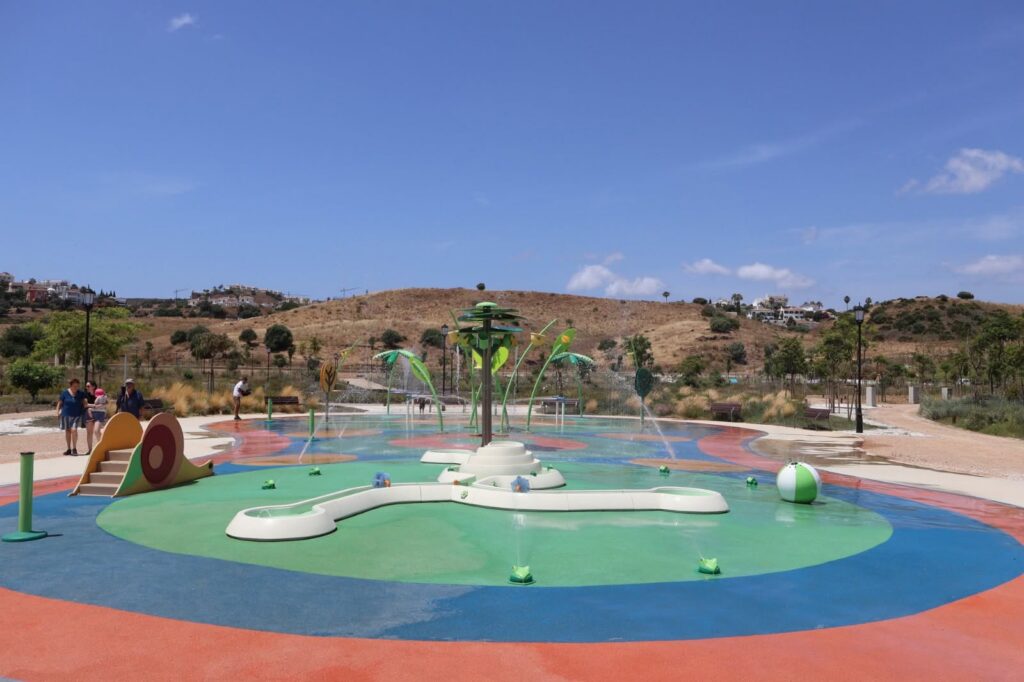
Mijas Grand Park water fun. Credit: Ayuntamiento de Mijas
Mijas Council has just switched on a new splash park inside Gran Parque to give families a special outdoor area for water play equipped with 41 interactive play points distributed according to age groups. This addition will help with high temperatures by offering a fun outdoor activity option for younger residents.
The new facility covers 430 square metres and permits up to 65 children to use it at the same time, with daily access available from 10am until 10pm.
Gran Parque houses this installation within its large green expanse and places it among the most complete zones for child water-based leisure in the province.
ater fun.
Credit: Ayuntamiento de Mijas
Three separate zones for varied age groups
The division of the big park creates three separate zones adapted to different stages of childhood development.
- One zone caters to babies aged one to three years.
- A second zone addresses the needs of children aged four to nine years.
- A third zone provides activities suitable for children aged ten and eleven years.
Each zone offers wet ideas that combine play, physical activity and sensory experiences centred on water.
Additional games encourage exploration and discovery through contact with water in various forms.
Green and safety aspects
- A closed-circuit water system reuses treated water to support environmental responsibility.
- Anti-slip pavement throughout the area lowers the risk of falls during energetic play sessions.
Planners chose these systems to make sure the facility operates efficiently with minimal environmental impact over time.
Rules governing use of the facility
Children under eight years of age require constant adult supervision at all times, and the park’s security will be keeping an eye on this throughout the summer. Babies must wear nappies, and organisers prohibit balls, balloons, bicycles and other similar objects or vehicles from entering the splash park.
Expanding network of family leisure spaces
This opening follows the start of operations at the water park in Las Cañadas and adds another free public resource available for families during the hottest part of the year.
The one aspect the new park lacks is the same as all new parks in Spain lack in their first years, but something parents should still look out for is a severe shortage of shade. With any luck after about ten or twenty years, the new trees planted will have developed into adequate shaded areas to protect everyone’s skin. Until then, users of the park should bare this in mind, not least parents and guardians of the little ones.
Benitachell brings back its popular summer food tastings with a tasty new lineup
Málaga Airport tops 10 million as British travellers face a busier Costa del Sol summer
Pedreguer brings back popular microtheatre cycle this June with free immersive performances


-

 %2 weeks ago
Fake Hacienda Text Targets Taxpayers
-

 Uncategorized2 weeks ago
Montoya vs Brundle BEEF, Newey
-

 Africa1 week ago
Europe Enters The ‘era Of Deportations’
-

 Foreign demand2 weeks ago
German Demand For Spanish Property Cools After A Strong Run
-

 Alberto Fujimori5 days ago
Peru’s Roberto Sánchez And Keiko Fujimori Urge Caution As Vote Count Continues In Very Tight Presidential Election
-

 %2 weeks ago
Major Strike In Portugal To Cause Widespread Disruption To Air And Rail Travel
-

 Uncategorized1 week ago
Max Verstappen F1 future hangs in the balance as three teams block 2027 rule changes
-
 %2 weeks ago
Portugal Notifies Of Temporary Suspension Of EU Border Biometric Checks