
Barcelona
Missing England Fan Found In Barcelona After 10-Day Search – But Had NO Idea Anyone Was Looking For Him


 A BRITISH football fan reported missing while heading to the US for the World Cup has been found in Barcelona – and had no idea people were looking for him.









Barcelona
Tour De France Comes To Spain: The Best Places To Catch The Peloton In Action As Barcelona Hosts The Grand Depart


 CYCLING’S most prestigious race has landed in Spain after the 2026 edition of the Tour de France officially began on the streets of Barcelona. The Tour’s first stage kicked off
Barcelona
England supporter reported missing on way to USA located in Barcelona bar watching football and drinking beer

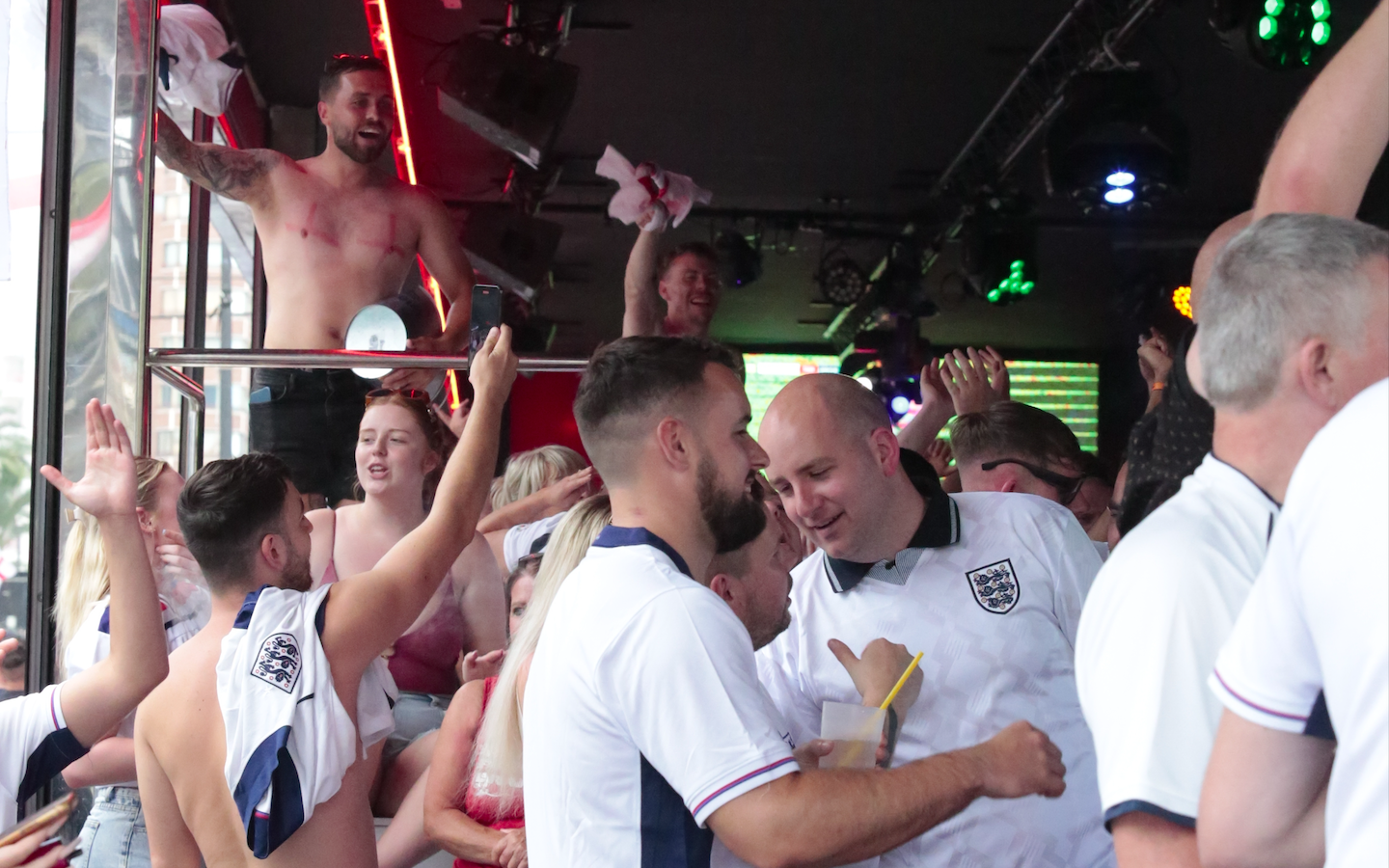
Michael was eventually located in Barcelona after being spotted by an off-duty British police officer. Photo credit: JL. Lago/Shutterstock
Imagine thinking your dad had vanished abroad while travelling to the World Cup, only to discover he’d spent the last 10 days happily watching football in Barcelona bars, completely unaware anyone was looking for him. That’s exactly what happened to one English family after Michael Hewitt disappeared on his way to the United States.
What was meant to be a straightforward football journey turned into ten days of silence, confusion and growing panic back home. Michael had set off with everything planned, a stopover in Barcelona included, but somewhere along the way the trip unravelled in a way nobody expected, leaving his family convinced something serious had happened abroad.
A stopover that went quite wrong
Michael Hewitt, 65, had been travelling via Barcelona on his way to Boston, where he was due to continue on to the United States for the World Cup. Like many football fans making long-haul trips, the journey was broken into stages, with a short stop in Spain before the final flight.
It was during that stopover that things started to go wrong. He lost his mobile phone, and with it, the basic tools needed to continue travelling smoothly. Boarding passes, booking details, contact numbers and travel information were all tied to the device, and without it, the situation quickly became complicated. He missed his connecting flight to the United States and suddenly found himself stuck in Barcelona with no simple way to rearrange his plans or contact anyone at home. What should have been a short pause in a long journey turned into an unexpected dead end.
Silence that began to worry his family
At first, there was no immediate alarm. Travel delays happen all the time, and it is not unusual for messages to be missed while someone is abroad. But as time passed and there was still no contact at all, concern began to build.
Days turned into a week with no calls, no updates and no sign of movement. There was no reassurance that he had made it to his next destination or was continuing his journey as planned. The silence started to feel increasingly out of place, and what initially looked like a travel delay began to shift into something more worrying. Eventually, the lack of communication became impossible to ignore.
A missing persons report
After losing contact for an extended period, his family reported him missing. From there, the situation escalated quickly. UK authorities became involved alongside consular staff in Barcelona, as attempts were made to trace his movements and understand where communication had broken down. But once the phone was lost, the trail became very difficult to follow.
There was little digital activity to track, and no direct contact to confirm his location or wellbeing. That lack of information created a growing sense of uncertainty. For his family, the hardest part was not knowing whether he was simply delayed, stranded, or in genuine trouble. Each passing day without answers made the situation harder to interpret.
Where was he?
While concern was building back home, the reality was far less dramatic. Michael was still in Barcelona, oblivious to what was happening at home, content in his solitary man-world, continuing his trip in a way that made sense to him at the time.
He spent time in the city shopping, going to local bars, trying the cervezas and watching the football matches, following the world cup just like many other travelling football fans. What he did not realise was that back home, the situation had escalated far beyond a simple delay, two completely different versions of events were unfolding at the same time, without either side fully understanding the other.
How he was eventually found
In the end Michael was eventually located in Barcelona after being spotted by an off-duty British police officer who recognised him based on his Leeds United football shirt, which brought the search to an end. From his point of view, the situation had been a straightforward travel disruption.
He had lost his phone, missed his onward flight, and ended up staying longer in Barcelona while trying to sort things out, or so he says. He had no idea that during those same 10 days, his family had been living with uncertainty and that authorities had been involved in trying to trace his whereabouts.
Relief after days of uncertainty
Once confirmation came through that he was alive and safe (that is until his wife gets her hands on him)! the relief for his family was immediate. After more than a week of not knowing where he was or what had happened, they finally had answers.
The incident has also brought to light how dependent modern travel has become on mobile phones. With tickets, bookings and contact information stored digitally, losing a device can quickly create complications that extend far beyond inconvenience.
In the end, what should have been a straightforward football trip turned into a 10-day disappearance that caused panic and uncertainty back home, before ending in an unexpectedly ordinary way, with a man sitting in Barcelona bars, watching football, completely unaware he had become the subject of an international search.

Lewis Hamilton thanks fans for Silverstone

Could Holidaymakers In Spain Soon Pay More Than Locals?

Portugal Is Making A Big Airport Change That Could Reduce Long Travel Delays
Dinosaurs are roaring over to Estepona this summer in a massive 5,000m² exhibition

Real Estate Agents In Barcelona Are Using AI To ‘pimp Up’ Dilapidated Homes – And It’s Not Illegal
Local community gets ready for its annual Calahonda Day celebration on June 27


-
Costa del Sol2 weeks ago
Dinosaurs are roaring over to Estepona this summer in a massive 5,000m² exhibition
-
 ai generated property listings2 weeks ago
Real Estate Agents In Barcelona Are Using AI To ‘pimp Up’ Dilapidated Homes – And It’s Not Illegal
-
Costa del Sol2 weeks ago
Local community gets ready for its annual Calahonda Day celebration on June 27
-

 Andalucia2 weeks ago
More Than One Home Is Squatted Every Day In Malaga Province As PP Calls For 24-Hour Evictions And Bill Cut Offs
-

 Abelardo de la Espriella2 weeks ago
Resultados Elecciones Colombia 2026, En Vivo | De La Espriella, Nuevo Presidente De Colombia, Según El Preconteo De Votos
-

 Comisiones Obreras2 weeks ago
CC OO Advierte De Que Impulsará Movilizaciones Y Huelgas Ante El Bloqueo Patronal Al Acuerdo De Convenios
-

 Uncategorized2 weeks ago
Red Bull set for radical new design in desperate bid to keep Max Verstappen
-

 Uncategorized1 week ago
F1 Qualifying Results: 2026 Austrian Grand Prix times and grid positions